Fairwater, a vibrant district in west Cardiff, has long been a focal point for discussions about everyday conveniences and community vitality. Its shops and services, clustered around areas like Fairwater Green, embody the tensions between tradition, modernization, and resident expectations, fueling debates that resonate across the city.
- Historical Roots of Fairwater’s Commercial Heart
- Evolution of Fairwater Shops into Community Lifelines
- Accessibility Challenges Fueling Local Frustrations
- Economic Pressures Reshaping Retail Viability
- Social Hubs or Gentrification Hotspots?
- Crime and Safety Concerns in Shopping Zones
- Urban Planning Clashes Over Future Developments
- Health and Wellness Services in the Spotlight
- Environmental Sustainability Debates
- Voices from the Community
- The Path Forward for Fairwater’s Retail Legacy
Historical Roots of Fairwater’s Commercial Heart
Fairwater’s commercial landscape traces back to its rural origins, when the area was primarily farmland owned by the Bishop of Llandaff before being sold in 1553 to Miles Mathew, a local landowner with extensive holdings nearby. Over centuries, ownership shifted to families like the Romillys and then William Cartwright in 1852, whose influence lingers in names like Cartwright Lane. By the early 1900s, this rural hamlet supported just over 100 residents centered around Fairwater Green, a natural gathering spot that evolved into the district’s commercial nucleus.
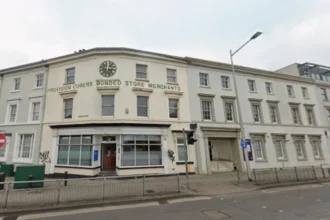
The transformation accelerated post-1922 when Fairwater formally became part of Cardiff, with housing booms by 1939 swallowing surrounding countryside. The Fairwater Hotel site exemplifies this shift: a thatched farm from the 1846 tithe map burned down in the late 1930s, replaced by the hotel originally built as the Fairwater Conservative Club in 1938, designed by architect Sir Percy Thomas. This venue, later expanded with a bottle store in 1954, symbolized emerging services catering to a growing population, setting the stage for shops that would anchor daily life.
These historical threads highlight why Fairwater shops today provoke debate—they represent continuity amid rapid change, where old landmarks like Fairwater Hotel intersect with modern needs, prompting questions about preservation versus progress.
Evolution of Fairwater Shops into Community Lifelines
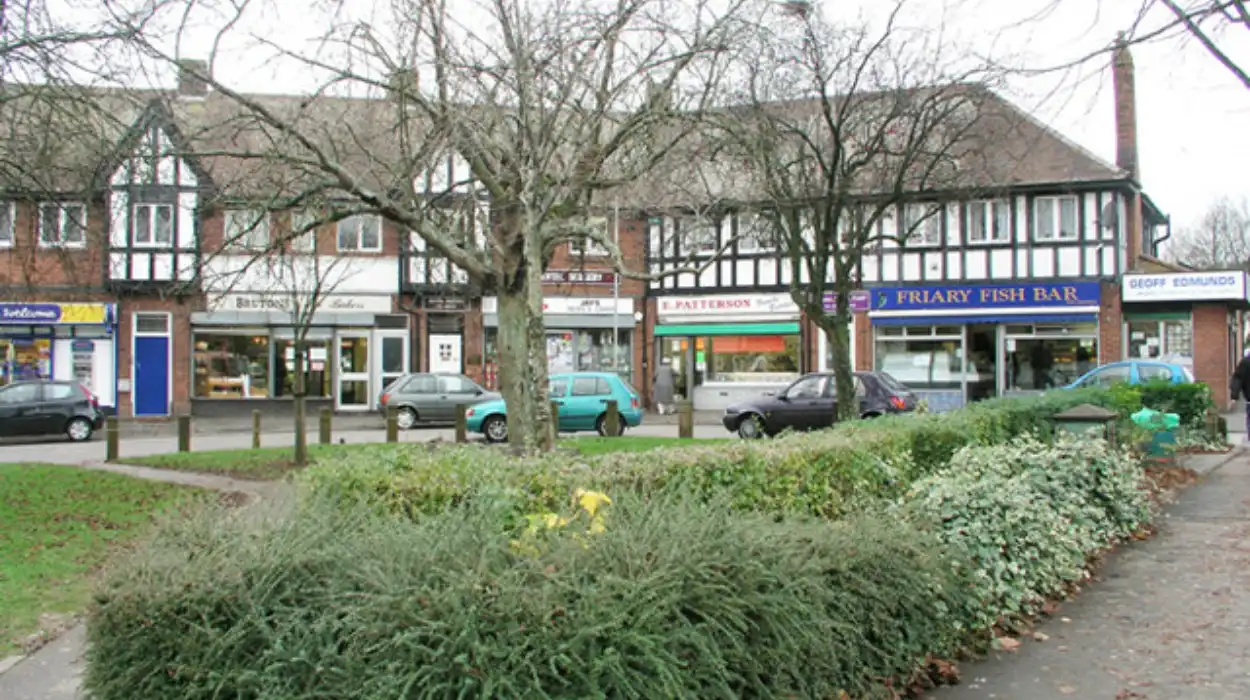
As Cardiff expanded westward after World War II, Fairwater’s shops grew from basic provisions to a diverse array supporting thousands. Fairwater Green emerged as the shopping heart, hosting essentials like grocers, butchers, and chemists alongside social hubs. The 1967 opening of Fairwater Shopping Centre nearby, with its units designed amid criticism for resembling an “in-turned medieval village,” aimed to consolidate services but faced early skepticism over its scale and integration.
Recent upgrades underscore this evolution. In late 2024, the Fairwater Co-op relaunched after a nine-week overhaul, expanding to nearly 2,700 square feet with enhanced fresh produce, vegan options, Fairtrade goods, and food-to-go sections. This store now sustains 18 local jobs and caters to Co-op members with exclusive pricing via their app, reflecting a push toward healthier, community-focused retail.
Yet, this growth sparks contention. While some praise the influx of convenience, others lament the loss of independent traders squeezed by chains, arguing that services must balance profitability with the district’s working-class ethos. Fairwater’s shops thus serve not just as vendors but as barometers of socioeconomic shifts in Cardiff’s suburbs.
Accessibility Challenges Fueling Local Frustrations

One persistent debate centers on how accessible Fairwater’s shops and services truly are, especially for an aging population and families without cars. Bounded by St Fagans Road and bordering Ely, Fairwater relies heavily on Fairwater Green for walkable amenities, but narrow pavements and heavy traffic complicate journeys. Public transport links via buses to Cardiff city center help, yet gaps in evening and weekend schedules leave residents isolated after hours.
The Co-op relaunch addressed some issues by boosting parking and layout efficiency, making it easier to grab meal deals or bakery items swiftly. However, broader services like pharmacies and post offices remain concentrated, leading to queues and debates over expansion. Residents often voice concerns on local forums about insufficient delivery options for the elderly or disabled, highlighting a disconnect between service density and demographic demands.
This accessibility tug-of-war mirrors wider Cardiff challenges, where suburban shops must adapt to hybrid work patterns post-pandemic. Critics argue for council interventions like subsidized shuttles, while proponents of private investment see market forces as the solution, ensuring Fairwater’s offerings evolve without taxpayer burden.
Economic Pressures Reshaping Retail Viability
Fairwater shops ignite economic debates as rising costs threaten their sustainability amid Cardiff’s cost-of-living strains. Independent outlets, once the backbone, struggle against supermarkets’ pricing power—the revamped Co-op, for instance, emphasizes value through member perks and award-winning wines, drawing footfall but pressuring smaller rivals.
Historical precedents amplify this: the 1960s shopping centre’s £214,106 build cost (equivalent to millions today) was hailed for jobs but critiqued for prioritizing units over community design. Today, debates rage over vacant units signaling decline, with calls for pop-up markets or artisan stalls to revive vibrancy. Local traders contend that high rents and business rates, unchanged despite inflation, favor chains, eroding the unique character that defines Fairwater.
Government data from Cardiff Council underscores the stakes—retail contributes significantly to local GDP, yet Fairwater’s model faces scrutiny for underutilizing online integration. Hybrid services blending physical stores with apps could bridge this, but skeptics fear it accelerates high street erosion, sparking rallies for rate relief and pop-up incentives.
Social Hubs or Gentrification Hotspots?
Beyond commerce, Fairwater’s services stir social debates, positioning shops as informal community centers. Fairwater Green hosts not just retailers but events, from seasonal markets to charity drives, fostering belonging in a diverse area blending Welsh heritage with multicultural influxes. The Fairwater Hotel, with its pub roots, doubles as a social service, offering spaces for meetings that larger chains can’t match.
Gentrification fears, however, loom large. Upgrades like the Co-op’s chilled aisles and plant-based expansions signal upscale shifts, prompting accusations of pricing out low-income families. Long-time residents recall a tighter-knit era around Fairwater Green, where personal service trumped variety, contrasting today’s polished offerings. Debates intensify over whether these changes enhance or alienate, with community groups advocating for affordable units to preserve inclusivity.
This tension reflects Cardiff’s broader narrative: suburbs like Fairwater grapple with balancing appeal to young professionals against retaining blue-collar roots. Services must navigate this delicately, lest they fuel perceptions of cultural drift.
Crime and Safety Concerns in Shopping Zones
Safety debates around Fairwater shops often dominate council meetings, with anti-social behavior near Green-area outlets drawing scrutiny. Perceptions of youth loitering or minor thefts amplify calls for CCTV expansions, though data shows Cardiff-wide declines in such incidents. The Co-op’s modern design incorporates brighter lighting and layouts to deter issues, yet residents demand more bobbies on the beat.
Historical context adds layers—the post-war housing boom brought density without proportional policing, embedding vulnerabilities. Proponents of tech solutions like app-reported incidents argue they empower communities, while traditionalists push for visible patrols. These clashes reveal shops as safety linchpins, where service quality intertwines with security.
Urban Planning Clashes Over Future Developments
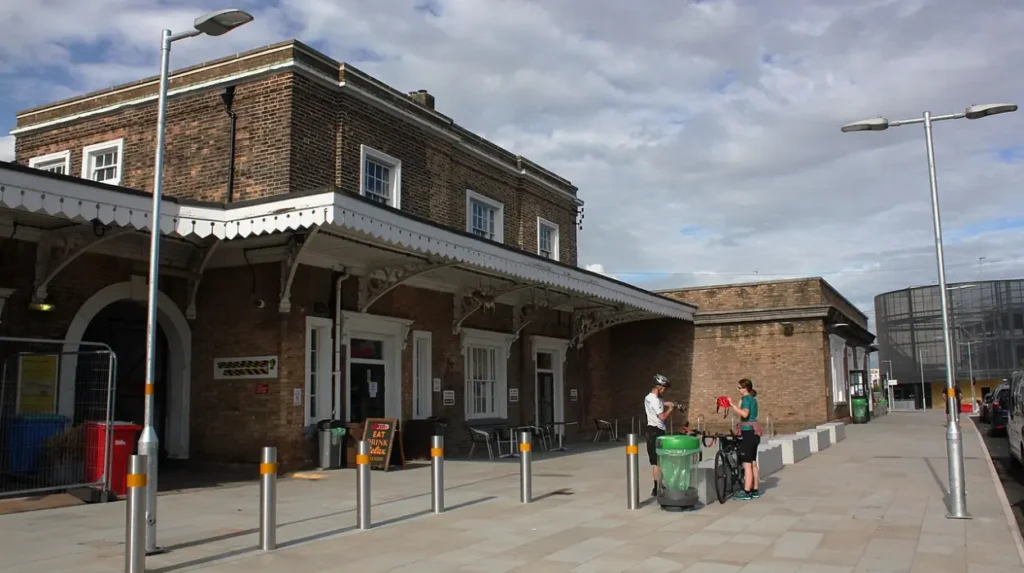
Planning disputes epitomize why Fairwater shops spark city-wide debates, as proposals for expansions collide with green space preservation. Cardiff’s Local Development Plan eyes sites like the Fairwater Hotel for mixed-use redevelopments, blending retail with housing to address shortages. Critics fear this homogenizes the district, erasing quirks like the 1938 club architecture.
Recent consultations highlight divides: while some back larger services for job creation, others invoke 1967 centre critiques, warning against soulless units. Fairwater’s inclusion in boundary reviews underscores stakes—services must scale without sprawling, preserving the walkable ethos that defines its appeal.
Health and Wellness Services in the Spotlight
Debates extend to health-focused offerings, where Fairwater’s chemists and the Co-op’s fresh ranges address obesity concerns in deprived wards. Enhanced vegan and ready-meal selections promote wellness, but gaps in GP access nearby fuel arguments for on-site clinics. This positions shops as quasi-health hubs, vital amid NHS strains.
Residents debate sustainability too—plastic reductions and Fairtrade emphasis win praise, yet transport emissions from out-of-town alternatives persist. Integrating these services smarter could quiet critics, affirming Fairwater’s role in proactive community health.
Environmental Sustainability Debates
Eco-conscious voices challenge Fairwater shops on waste and energy, praising Co-op’s nine-week green refit but urging more. Debates pit single-use packaging against convenience, with calls for zero-waste trials mirroring Cardiff’s net-zero goals. Historical farmland loss amplifies this—shops must champion recycling to reclaim green credentials.
Voices from the Community
Local forums buzz with testimonies: pensioners laud Co-op accessibility upgrades, while families decry parking woes. Traders like those at Fairwater Green emphasize resilience, adapting through apps despite odds. These narratives humanize debates, showing shops as democratic spaces where Cardiff’s pulse beats strongest.
The Path Forward for Fairwater’s Retail Legacy
Fairwater shops and services endure as debate catalysts because they mirror aspirations and anxieties in Cardiff’s west end. Balancing history with innovation—via thoughtful planning and resident input—holds the key to harmony. As discussions evolve, this district’s commercial core remains a testament to resilient community spirit.