Grangetown’s streets pulse with tension each rush hour. Homeowners circle endlessly while office workers claim curbside real estate to dodge downtown fees. This persistent clash reveals the raw friction of urban living in Cardiff’s vibrant portside ward.
- Court Road Battleground
- Commuter Influx Explained
- Echoes from Grangetown’s Past
- Official Strategies Unfold
- Ritual of the Evening Hunt
- Resident Testimonies Resound
- Permit Mechanics Demystified
- Cardiff’s Parking Revolution
- Social Fabric Frays
- Economic Undercurrents
- Blueprint for Breakthrough
- Peer Lessons Learned
- Horizon Hints
- Government Parking Enforcement
- Impact on Mental Health
- How to Apply for Permits
- Emergency Parking Solutions
- Neighbours Unite Against Chaos
- Greener Gears Grind
Court Road Battleground
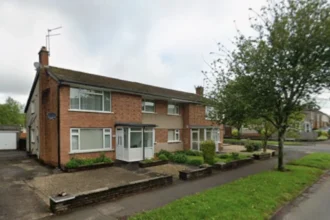
Court Road stands as ground zero in Grangetown’s parking saga. Permits shield just one flank, leaving the opposite wide open for all comers. Commuters swarm it, mere minutes from city centre hubs, sidestepping £10-12 daily charges. Locals like Sarah Darcy, tending her post-surgery mother, scour in vain for nearby berths amid the blockade.
Duncan’s plight cuts deeper. His disabled badge goes ignored as spots vanish, upending routines for his autistic grandson who craves consistency. These vignettes paint a neighbourhood under siege, where homecoming turns hunt.
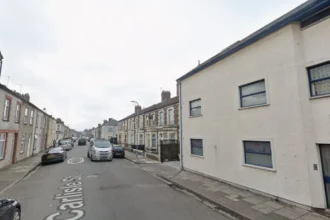
Grangetown’s topography worsens the pinch. Terraced rows hug narrow lanes, relics of dockyard days ill-suited to today’s car deluge. Proximity to Principality Stadium and the Bay funnels event crowds, amplifying the squeeze.
Commuter Influx Explained
City centre drones fill the void. Claire Newman treks from Newport, her wage stretched thin by family needs and parking tolls. Side streets offer salvation, free and frictionless. Bay gigs or match days turbocharge the tide, erasing every inch.
Council logs confirm the pattern. Residential fringes absorb commuter bleed, with Grangetown prime due to its gateway status. Turnover rules falter under sheer volume, patrols chasing shadows. Workers plead affordability; residents counter with rightful claim.
This standoff echoes wider Cardiff strains. As service jobs cluster centrally, outer wards bear the brunt, a classic tale of urban overflow unchecked.
Echoes from Grangetown’s Past
Grangetown sprang from industrial grit. Victorian terraces housed dock hands when horses outnumbered motors. Trade boomed via canals and rails, dictating tight grids that persist. Deindustrialisation shifted gears, swelling car counts without street surgery.
Twentieth-century flux saw port bustle fade, commuting rise. Cardiff’s reinvention as a knowledge economy yanked talent inward, radiating pressure outward. Grangetown straddled eras, inheriting spatial woes from coal to code.
Scholars tag it peri-central paradox. UK studies peg residential zones mopping 35% of non-local parkers, Cardiff no outlier. Analogues thrive in Liverpool’s docks or Bristol’s fringes, blueprints for Grangetown’s bind.
Official Strategies Unfold
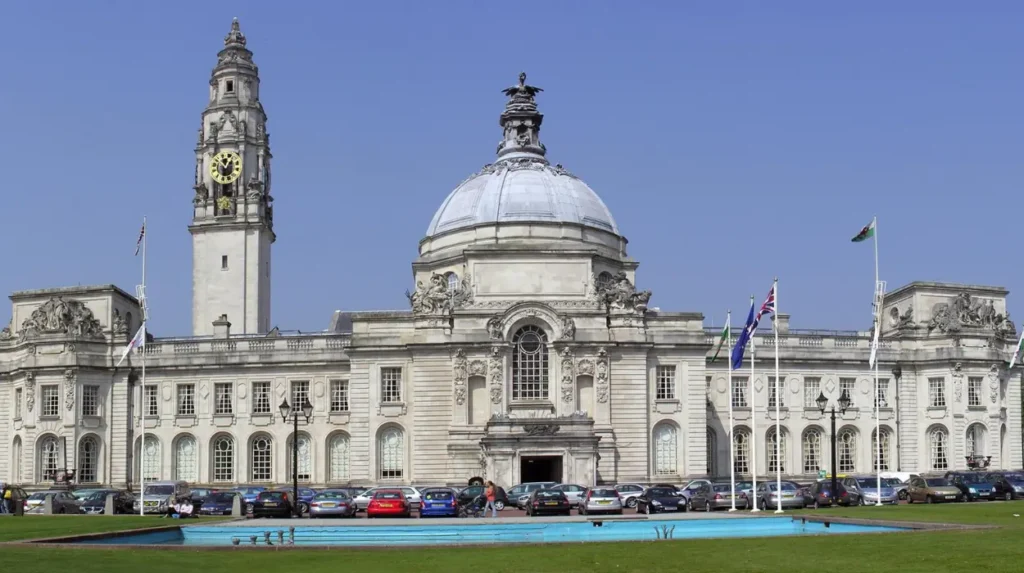
Cardiff Council treads a tightrope. Their blueprint caps non-resident dwells with timed bays and roving wardens, enforcing churn. Grangetown petitions bilateral zones, yet budgets balk at signage blitz.
2025 pivots loom. Surcharges nick second vehicles in hotspots, expansions creep toward outer rims. City-wide permits simplify access, but Grangetown rollout trails flashier cores. Spokesmen vow equilibrium for dwellers and drop-ins alike.
Forums like Reddit amplify cries. Bay arena whispers spell doom, vanishing streets during peaks. Double-sided pleas gain traction, class neglect a rallying subtext.
Ritual of the Evening Hunt
Dusk heralds the ritual. Scouts prowl pre-emptively, plotting against inbound waves. Groceries drag further, kids shuttled blocks away under fading light. Elders hunker indoors, mobility marooned.
Discord swells. Revving motors punctuate shouts, fragile accords fray. Shopfronts dim as jams deter trade, a shopkeeper’s lament of lost custom. Youth weave hazards to school, parental dread chronic.
Finance bites back. Deliveries snarl, overheads climb. Realty stalls sans parking surety, prime urban bait evaporated.
Resident Testimonies Resound
Sarah voices the siege: scarce slots imperil her mum’s fragile steps. Duncan mourns disrupted calm for his boy’s sake, badge a hollow shield. Claire retorts from afar, fees a family breaker.
Mohamed Akram, pensioned, stacks parking atop layered gripes. Traffic thickens indignity in this multicultural mosaic. Threads weave human cost beyond aggregates.
Online echoes mirror. Dawn raiders lock non-zones, pleas for parity pierce screens. Simmering without boil-over.
Permit Mechanics Demystified
Schemes crown locals. Badges tie to addresses, curbing outsiders to hourly allotments. Grangetown’s half-measure sows disparity, full streets crave parity.
Procure via proof and pence, annual fees nominal for sanctuary. Newcomers navigate red tape, gaps exposing vulnerability.
Benchmarks illuminate. Canton’s blanket curbs halved woes per logs; Grangetown hungers similarly, coffers skewed central.
Cardiff’s Parking Revolution
Overhauls cascade. December tweaks axe two-hour frees, settling at 30 minutes to buoy shops while funding upkeep. SUV levies hover, Grangetown pilots bilateral tests amid Bay booms.
Feedback tempers: half backed initial cuts post-consult. Fees undercut peers, no usage chill foreseen. Outer wards eye gains, sceptics decry core bias.
Wales-wide, kin struggles in Swansea’s docks inform. Hybrids meld permits, rideshares, lanes for bikes.
Social Fabric Frays
Bonds bend under pressure. Spot spats sour neighbours, once-tight knit unravels. Autism homes like Duncan’s prize pattern, chaos corrosive.
Wellness wanes. Hunts spike cortisol, steps shrink. Idling fouls air, NHS ties to ward lung woes.
Youth bears scars. Fields forfeit to tarmac, perils peak. Lateness logs link to loops.
Economic Undercurrents
Commerce cramps. Browsers balk at blockades, tills thin. Vans vamp costs in stasis. Agents flag parking paramount, sales seize.
Commuters ironically pump some pounds, grudge shadowing. “Bargain park, pricier peace,” locals quip. Heritage docks dormant sans solve.
Visitors veer off post-fray. Equilibrium could magnetise mutual gain.
Blueprint for Breakthrough
Bilateral banners lead calls. Fiscal fences loom: installs, attendants tax. Elsewhere pilots prove payback, scale the quest.
Diversions beckon. Park-ride nets grow, gratis buses bridge Bay. Superhighways summon pedals, cars culled.
Apps augur: vacancy visions, beacons beckon. P2P pools informally knit.
Peer Lessons Learned
Canton’s cloak cleaved complaints crisp. Bristol bosses shuttle staff, residential reprieve. Manchester metes fines fierce, flux fluid.
Grangetown grafts good: badges bolstered by boss buy-ins, data dictates.
Horizon Hints
2026 dawns dynamic. Rollouts reach rims, surcharges sting straphangers. Arenas accelerate action.
Equity echoes faint: “Seed our soil,” sighs persist. Voices vigilant via votes, vigils.
Unity glimmers in diversity’s core. Grangetown galvanises, grit golden.
Government Parking Enforcement
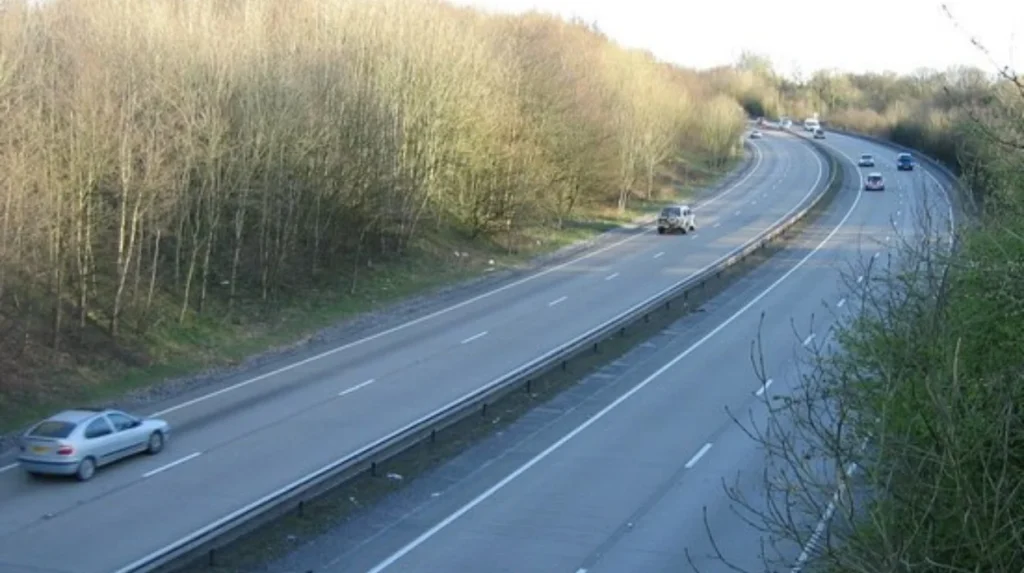
Cardiff Council deploys wardens across Grangetown to uphold turnover rules and issue fines for permit violations. These patrols intensify during peak hours, targeting long-stay commuters who ignore time limits on non-permit sides of streets like Court Road. While enforcement provides temporary relief, residents report inconsistent coverage, allowing many offenders to evade penalties and prolong the daily struggle for space.
Fixed penalty notices have risen steadily in the ward, reflecting heightened council efforts to deter abuse. Grangetown locals appreciate the crackdown but call for smarter allocation of resources, such as ANPR cameras at key junctions to automate detection. This approach promises round-the-clock vigilance without overburdening staff, ultimately restoring order to contested curbs.
Impact on Mental Health
The relentless parking hunt exacts a heavy psychological toll on Grangetown families. Evening rituals of circling blocks trigger mounting stress, fraying tempers and disrupting family dinners. Studies link such chronic frustrations to elevated anxiety levels, particularly among parents juggling work and childcare amid the chaos.
Sleep suffers too, as late-night returns keep minds racing long after engines quiet. For vulnerable residents, including those with pre-existing conditions, this urban pressure cooker amplifies isolation and helplessness. Community leaders advocate for holistic solutions, recognising that parking woes erode mental resilience in unexpected ways.
How to Apply for Permits
Securing a resident permit in Grangetown starts with gathering proof of address and vehicle registration from the council’s online portal. Applications process within weeks, requiring a nominal annual fee that grants priority access to designated bays. First-time applicants must specify their street, as zones vary—Court Road, for instance, covers only one side.
Renewals arrive by post ahead of expiry, with digital options streamlining updates for second vehicles under the new surcharge rules. Residents without drives benefit most, locking in spots against commuters. Troubleshooting common rejections, like mismatched documents, ensures swift approval and immediate relief from the wars.
Emergency Parking Solutions
When spots evaporate on high-pressure days, Grangetown drivers turn to makeshift havens like nearby industrial lots or station car parks charging modest daily rates. Platforms such as JustPark connect locals to private driveways, offering pre-booked security mere minutes away. These alternatives prevent midnight marathons, preserving sanity during stadium events or rush peaks.
Temporary drop-off zones near schools and shops provide brief respites, enforced strictly to avoid abuse. Savvy residents rotate vehicles strategically, sharing intel via neighbourhood WhatsApp groups. Such tactics bridge gaps until full permit expansions arrive, turning desperation into proactive defence.
Neighbours Unite Against Chaos
Grassroots alliances form the backbone of Grangetown’s resistance, with street captains coordinating petitions and council meetings. These groups amplify voices at public consultations, pushing for bilateral zones that shield both sides of contested roads. Success stories from similar wards inspire, proving collective pressure sways policy.
Social media campaigns spotlight personal ordeals, garnering councillor attention and media coverage. United fronts deter informal spot-holding disputes, fostering mutual respect among locals. This community glue not only hastens reforms but rebuilds frayed bonds strained by the tarmac turf war.
Greener Gears Grind
Paradigm pivots beckon. EV depots, club cars contract counts. Ped realms reclaim, vitality vaults.
Funds flow for paths, pedals. Testbed status tempts.Cultures shift: shared wheels supplant solo. Wars wane, welcome widens.Endures this epic, urban Wales writ small. Tarmac tells of tending growth tenderly, voices vaulted. Cardiff courses, Grangetown gears.