
Cardiff’s Llanishen area harbors a remarkable natural treasure in its reservoirs, where dedicated wildlife protection efforts have preserved ecosystems amid urban growth. These initiatives highlight how local action and legal safeguards maintain biodiversity for future generations.
- Llanishen’s Reservoirs: A Historical Haven
- Key Designations for Ecological Safeguard
- Community Campaigns That Saved the Site
- Diverse Wildlife Thriving in Protected Habitats
- Management Practices Ensuring Long-Term Viability
- Challenges and Ongoing Threats
- Llanishen’s Broader Impact on Cardiff Biodiversity
- Visiting Responsibly to Support Protection
- Future Prospects for Enhanced Protection
Llanishen’s Reservoirs: A Historical Haven
Llanishen Reservoir, completed in 1886 as part of Cardiff’s Taff Fawr water supply scheme, stands as a testament to Victorian engineering while evolving into a critical wildlife sanctuary. Originally built to quench the city’s thirst, its vast waters and surrounding grasslands now support diverse species, far beyond their utilitarian origins. The adjacent Lisvane Reservoir complements this, forming a linked green corridor that threads through Cardiff’s northern fringes into ancient woodlands.
This historical pairing faced existential threats in the early 2000s when development pressures loomed, prompting swift community response. Local residents, recognizing the reservoirs’ ecological wealth, rallied to protect these sites from potential housing encroachment. Their perseverance ensured that Llanishen’s natural legacy endured, blending human history with environmental stewardship.
The reservoirs’ embankments, stone-pitched and weathered, not only hold water but also foster unique microhabitats. Over time, these structures have become integral to wildlife protection, hosting species that thrive in this semi-urban oasis. This evolution underscores Llanishen’s role as a bridge between Cardiff’s industrial past and its green future.
Key Designations for Ecological Safeguard
Llanishen Reservoir holds Site of Importance for Nature Conservation (SINC) status due to its thriving populations of common toads and rare aquatic plants like pondweed and stonewort. These designations compel strict management to prevent habitat disruption, ensuring breeding grounds remain undisturbed. The surrounding scrub and grassland further qualify as SINC for supporting grass snakes and glow-worms, rare finds in urban Wales.
Elevating its profile, the Llanishen and Lisvane Reservoir Embankments earned Sites of Special Scientific Interest (SSSI) recognition for their extraordinary grassland fungi, including up to 25 waxcap species. Waxcaps, vibrant and delicate, signal healthy, unimproved grasslands rarely seen in developed areas. Lisvane Reservoir SSSI focuses on overwintering wildfowl, drawing birds that rely on its sheltered waters during harsh seasons.
These protections stem from assessments by bodies like Natural Resources Wales, which monitor and enforce conservation rules. Any alteration to these sites requires rigorous environmental impact studies, prioritizing species survival over development. Such layers of designation create a robust framework, making Llanishen a model for urban wildlife havens.
Waxcap Fungi thrive on Llanishen’s protected embankments, showcasing the area’s fungal biodiversity hotspots.
Community Campaigns That Saved the Site
In 2001, proposals to infill Llanishen Reservoir for housing ignited the Reservoir Action Group (RAG), a grassroots movement that galvanized Cardiff residents. RAG’s multi-year campaign highlighted the reservoirs’ national ecological value, amassing public support and expert endorsements to halt the plans. Their advocacy proved pivotal, as Western Power Development (WPD) ultimately relented under mounting pressure.
By 2016, Welsh Water acquired a 999-year lease from Celsa Steel, committing to restoration while honoring conservation needs. This partnership with RAG installed sensitive footpaths, allowing public access without trampling SSSI grasslands. Today, these paths enable visitors to witness protected wildlife firsthand, fostering appreciation and ongoing vigilance.
Legal battles further solidified protections; WPD’s appeal against the SSSI listing failed in 2007 when a High Court judge affirmed its importance. Cadw’s 2009 listing of the reservoir as a historically significant structure added architectural safeguards, blending cultural and natural preservation. These victories illustrate how community resolve can align with policy to protect Llanishen’s wildlife indefinitely.
Diverse Wildlife Thriving in Protected Habitats
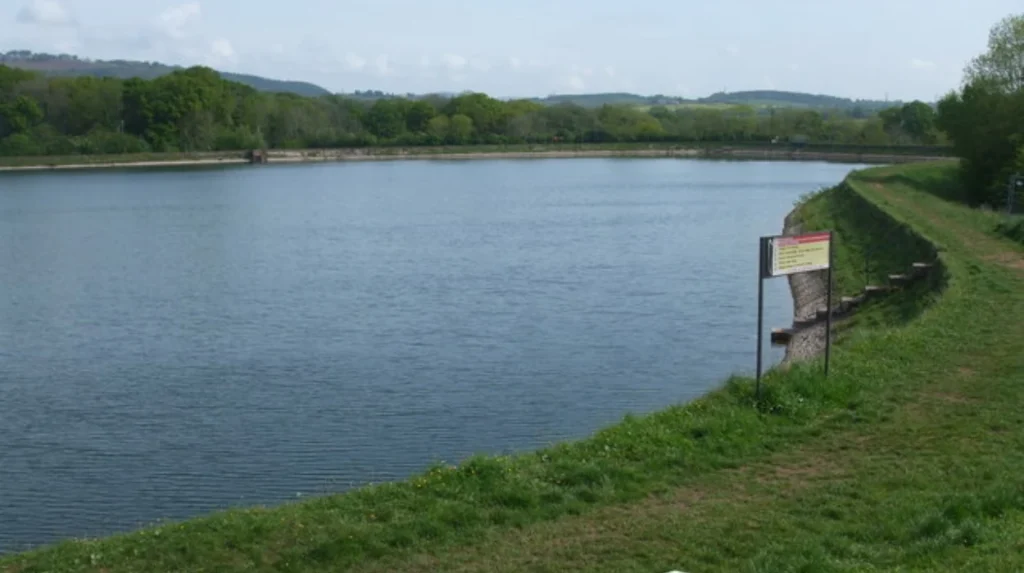
Llanishen’s waters teem with aquatic life, where stonewort and pondweed provide foundational cover for invertebrates and fish. Common toads mass here annually for breeding, their chorus echoing through spring nights, while the reservoir’s margins host lichens and mosses uncommon in industrialized zones. These microhabitats sustain a food web that ripples outward, supporting predators like herons and otters.
Grassland expanses around the embankments burst with fungal diversity, particularly waxcaps in hues of red, yellow, and green during autumn. Up to 27 species have been recorded, a concentration rivaling Wales’ premier sites. Glow-worms and grass snakes patrol these areas, the former’s bioluminescent displays enchanting nighttime observers, the latter preying on amphibians in a delicate balance.
Woodlands flanking the reservoirs—oaks, alders, and birches—form marshy carr habitats rich in birdsong and insect life. Overwintering wildfowl, including tufted ducks and pochards, flock to Lisvane’s calmer waters, bulking up for migrations. This biodiversity mosaic positions Llanishen as one of Cardiff’s four key green corridors, channeling wildlife into the city core.
The stone pitching along reservoir edges merits its own acclaim, nurturing lichen communities that indicate clean air and stable conditions. Scrub zones offer nesting for warblers and cover for slowworms, reptiles that bask on sun-warmed banks. Collectively, these elements create resilient ecosystems, buffered against urban sprawl by vigilant protections.
Management Practices Ensuring Long-Term Viability
Welsh Water’s stewardship emphasizes minimal intervention, with grazing by sheep or cattle maintaining grassland for waxcaps without chemical use. Footpaths, funded by Welsh Government grants like ENRaW, route visitors away from sensitive zones, reducing erosion and disturbance. Regular monitoring by ecologists tracks species health, informing adaptive strategies.
Security fencing, installed post-2004, curbs unauthorized access while permitting controlled activities like birdwatching. Though fishing ceased in 1998, the site now prioritizes passive recreation—walking, photography—that aligns with conservation goals. Educational signage interprets these efforts, cultivating public stewardship among Cardiff locals.
Climate resilience forms a growing focus, with plans to enhance wetland buffers against droughts or floods. Native planting bolsters corridors linking to northern woodlands, aiding species dispersal. These practices not only comply with SSSI/SINC mandates but elevate Llanishen as a benchmark for sustainable urban nature management.
Challenges and Ongoing Threats
Urban expansion pressures persist, with nearby development risking pollution runoff into reservoir feeder streams. Invasive species, like Himalayan balsam, demand annual control to protect native flora. Climate shifts challenge overwintering birds, potentially altering migration patterns and food availability.
Light pollution from Cardiff’s growth dims glow-worm displays, while recreational upticks post-path installations require careful volume management. Yet, RAG’s continued watchdog role and Welsh Water’s commitments mitigate these, with public reporting schemes aiding rapid response. Balancing access with protection remains the core tension, resolved through science-led policies.
Funding sustainability poses another hurdle; grants like ENRaW prove vital for infrastructure. Community volunteering—litter picks, habitat surveys—supplements professional efforts, embedding protection in local culture. These proactive measures ensure Llanishen’s wildlife endures evolving threats.
Llanishen’s Broader Impact on Cardiff Biodiversity

As a green lung for northern Cardiff, Llanishen corridors facilitate wildlife movement, countering fragmentation from housing and roads. It inspires similar protections elsewhere in Wales, demonstrating SSSI efficacy in urban contexts. Bird populations bolster citywide diversity, with species spilling into parks and gardens.
Economically, the site draws eco-tourists, supporting local cafes and guiding services while promoting health through trails. Educationally, school visits teach conservation, nurturing future advocates. Llanishen’s model proves urban areas can host national-grade habitats, influencing policy across the UK.
Visiting Responsibly to Support Protection
Access Llanishen via public footpaths from Llanishen village or Lisvane, ideal for dawn choruses or autumn fungi hunts. Stick to designated routes to safeguard grasslands, and use binoculars for distant wildlife views. Dogs must remain leashed to avoid disturbing ground-nesters.
Seasonal highlights include toad migrations in spring and wildfowl peaks in winter. Apps like iRecord enable citizen science contributions, directly aiding monitoring. By treading lightly, visitors reinforce the protections that make Llanishen thrive.
Future Prospects for Enhanced Protection
Restoration ambitions include reactivating Llanishen as a supply reservoir, engineered to wildlife standards. Expanded monitoring with trail cams and e-DNA sampling will refine management. Partnerships with universities could yield research papers on waxcap ecology, informing global conservation.
Community bids for National Nature Reserve status loom, amplifying safeguards. As Cardiff grows, Llanishen’s protections will guide ‘nature-positive’ planning, ensuring wildlife corridors expand. This forward vision secures its legacy as Cardiff’s enduring natural jewel.