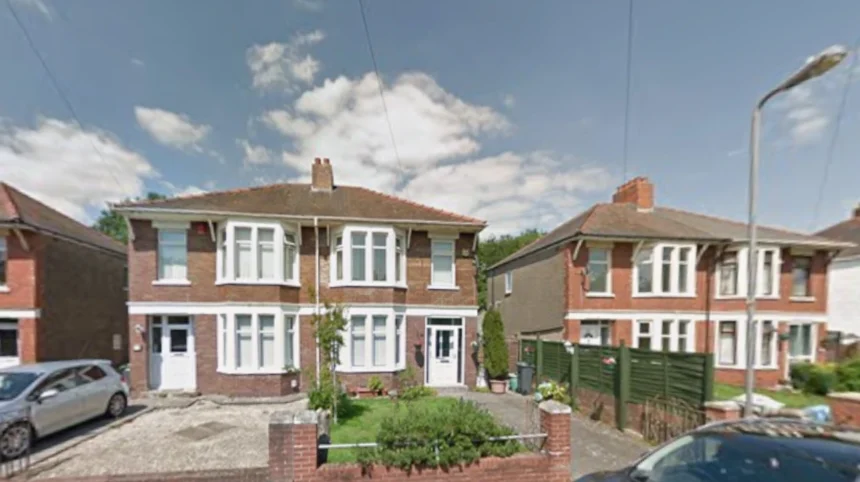
If you live in or regularly visit Canton, Cardiff, you have probably noticed a few bursts of headlines about break‑ins, fires, and emergency‑service call‑outs in the past year. The area remains one of the city’s liveliest suburbs, packed with cafes, independent shops, and young families, but it has also seen a noticeable uptick in local crime and fire‑related incidents.
- What’s been happening in Canton recently?
- Understanding the burglary and break‑in trend
- How residents can protect homes and businesses
- Fire safety and building‑related incidents
- Community initiatives and local safety networks
- How to stay informed without feeling overwhelmed
- Practical tips for visitors and newcomers
- Why this matters beyond the headlines
- Final thoughts and how to stay proactive
This article looks at what has actually been happening in Canton‑Cardiff, separates rare one‑off events from longer‑term trends, and offers practical steps residents and business owners can take to stay informed and safer. It’s written for people in the UK—especially those connected to Cardiff—so the advice is grounded in local reality, not generic “stay safe” platitudes.
What’s been happening in Canton recently?
Over the last twelve months, Canton has mostly made the news for two main issues: a rise in commercial break‑ins and burglaries, and periodic fire or emergency incidents that have drawn fire, police, and ambulance crews. South Wales Police have confirmed that a cluster of businesses along Cowbridge Road East and nearby streets have reported attempted or full burglaries, often overnight, with some owners describing offenders who appear unbothered by existing CCTV, alarms, or visible police presence.
At the same time, the area has seen at least a couple of high‑profile fire call‑outs, including one in 2025/2026 where multiple fire engines attended an incident in the early hours, and another incident that led to a temporary road closure on Leckwith Road when police, paramedics, and firefighters responded to a medical‑related emergency. These events are not part of a daily pattern but they do underline that, as in any busy urban area, Canton is not immune to accidents, emergencies, or opportunistic crime.
Understanding the burglary and break‑in trend
Canton is often described as one of Cardiff’s “cooler” neighbourhoods, thanks to its mix of independent retailers, cafes, and live‑music venues. That same footfall and vibrancy can also attract opportunistic offenders who know that many premises are left unattended overnight or during late‑night hours. Recent reports suggest that several businesses in the Canton and Pontcanna corridor have been hit by break‑ins or attempted break‑ins in a short period, with some owners noting that damage and theft costs add up quickly, especially when insurance does not cover repairs such as window replacements.
South Wales Police have indicated that the similarities between the incidents—methods, timing, and target types—lead officers to suspect that one or two individuals may be responsible for multiple offences. They are reviewing CCTV, following forensic lines of inquiry, and asking the public to report anyone seen loitering around shops or side‑streets in the early morning. This kind of pattern is why “evergreen” awareness—not just knee‑jerk reactions after a single headline—matters over the long term.
How residents can protect homes and businesses
For residents, the key is layering defences so that Canton remains a pleasant place to live without becoming a soft target. Simple, low‑cost measures make a real difference. For example, installing visible but not intrusive security lighting, ensuring valuables are not left in plain view from windows, and using timers or smart‑bulbs to simulate occupancy when a house is empty can discourage casual offenders. Motion‑sensitive lights in driveways or side alleys, combined with clear sightlines from the street, also help reduce the appeal of a property for a break‑in.
Business owners in Canton can benefit from what local authorities call an “alley‑gating” mindset, even if their street is not yet formally covered. Cardiff Council has already put in place alley‑gating orders in parts of Canton to reduce access to rear service roads and yards, which can be weak points for break‑ins. Checking with the council or local business association about whether your block falls under such schemes, and coordinating with neighbouring shops to report suspicious activity, turns isolated security into a shared effort rather than a one‑off cost.

Fire safety and building‑related incidents
Fire‑related incidents in Canton, while not continuous, are serious enough to warrant specific attention. Reports show that when a structural fire breaks out—whether in a residential building or a mixed‑use property—emergency services often describe conditions such as heavy flames at the front of the building, power lines sparking, and flame spread to adjacent structures. In such cases, firefighters prioritise preventing the fire from jumping to neighbouring homes while simultaneously carrying out rescue and containment inside the main building.
From a resident’s point of view, the most important factor is preparation. Having working smoke alarms on every level, checking them monthly, and keeping escape routes clear of obstacles can drastically improve the chances of a safe evacuation. If you live in a flat above a shop or café, you should also ask your landlord or building manager how often communal fire doors are serviced, and whether there is a clear fire‑evacuation plan displayed in shared areas. In high‑density areas like Canton, a small fire in one unit can quickly affect several households if exits are blocked or doors are propped open.
Community initiatives and local safety networks
Canton’s reputation as a “vibrant community” is not just marketing; it translates into real‑world networks that can help with safety. Local business groups, residents’ associations, and the council’s community‑safety teams often run awareness campaigns about crime prevention, alley‑gating, and anti‑social behaviour. These can range from simple email alerts about new patterns of break‑ins to formal consultations on whether more physical barriers or CCTV coverage should be installed in specific streets.
Joining a local WhatsApp group or a neighbourhood Facebook page can also be useful, so long as you treat them as supplementary information rather than official sources. If you see a suspicious person or vehicle loitering, the best practice is still to call 101 or 999 where appropriate, rather than relying solely on social‑media chatter. South Wales Police and Cardiff Council both encourage residents to report concerns promptly, because early reporting often helps officers spot patterns before they turn into a wider crime wave.

How to stay informed without feeling overwhelmed
With so many local‑news outlets covering Canton—print, online, and social media—it is easy to feel bombarded by stories about crime, fires, or road closures. The trick is to filter for what is genuinely relevant to your street or routine. Following a few trusted local sources, such as Cardiff‑focused news sites or the council’s community‑safety pages, helps you avoid rumour‑driven alarmism.
You can also sign up for local alerts if they are available, whether that is a council‑run notification system or a neighbourhood watch‑style update channel. These alerts typically cover things like planned road closures, major incident call‑outs, or bulletins about persistent crime patterns. Receiving information in a structured way, rather than via random social‑media posts, makes it easier to adjust your plans calmly—such as choosing a different route to avoid a road closure—or to check that your property is secure when a new wave of burglaries is reported nearby.
Practical tips for visitors and newcomers
If you are visiting Canton—whether for a day out on the Cowbridge Road East café strip or staying with friends—the same basic safety principles apply. Keep valuables out of sight in vehicles, avoid leaving bags or electronics unattended, and stay aware of your surroundings late at night, especially if you are walking home from a bar or venue. Canton is generally busy enough that most trouble is opportunistic rather than targeted, but being alert can stop a minor incident from becoming a major one.
For people who are new to the area or considering moving there, it is worth asking landlords, letting agents, or neighbours about recent incidents they are aware of and how the community has responded. Genuine local knowledge—such as which streets have alley‑gating, where the nearest Safer‑Neighbourhood team is located, or which local businesses participate in a crime‑prevention partnership—often matters more than a headline predicting doom or over‑praising “revitalisation.”
Why this matters beyond the headlines
The broader picture is that Canton remains a desirable, walkable part of Cardiff with a strong sense of community, even as it deals with the same pressures that affect many inner‑city suburbs: rising housing density, pressure on local services, and the challenge of balancing openness with security. The fact that crime and emergency incidents are reported openly by local and national media is a sign of accountability, not proof that the area is becoming unsafe by default.
What does matter is how residents, businesses, and authorities respond over time. Does Canton treat an isolated burglary or fire as a blip, or does it prompt long‑term upgrades in lighting, access control, and reporting channels? The difference between a “crime‑ridden” stereotype and a genuinely safer community is often in the boring, everyday work of maintenance, coordination, and vigilance—not the loudest headline of the week.
Final thoughts and how to stay proactive
In short, Canton Cardiff has seen a mix of commercial break‑ins, a handful of serious fire call‑outs, and the usual background level of local incidents that any busy suburb experiences. None of this changes the area’s underlying strengths—its convenience, diversity, and community spirit—but it does mean that practical safety habits are worth adopting early and keeping up over time.
If you live, work, or socialise in Canton, consider three simple actions: check your smoke alarms and home security basics, talk to neighbours about shared safety concerns, and make sure you know how to access reliable local alerts from police or council sources. Staying informed, not anxious, is the best way to enjoy everything Canton has to offer while keeping your home, business, and community safer in the long run.