Fairwater, the leafy suburb tucked between the Ely and River Taff on the north‑west edge of Cardiff, has long been a quiet residential pocket many locals drive through without giving it much thought. These days, that’s starting to shift. New housing proposals, a £110 million community campus, and evolving local priorities are quietly reshaping what life in Fairwater feels like—and how it is perceived by residents and newcomers alike.
- Understanding Fairwater’s current character
- Visible changes: housing, green space, and community facilities
- What residents say about living in Fairwater
- How perception and stigma stick—and shift
- Practical considerations for someone thinking of moving in
- Community life and the role of local projects
- Balancing change and continuity
This article looks at whether Fairwater is really changing, what specific projects are driving that change, and crucially, what people who live there think about it. If you’re considering moving to Cardiff or just curious about how neighbourhoods like Fairwater adapt over time, this is a grounded snapshot of where the area stands today.
Understanding Fairwater’s current character
Even with change chipping at its edges, Fairwater still feels recognisably suburban and family‑oriented. The area is made up of a mix of older council stock, modest private houses, and a few more recent infill developments. Streets like Fairwater Road and areas around the Pentagon shopping parade give it a practical, everyday feel: you’ll find a local supermarket, a pharmacy, and a few cafés rather than cafés and boutiques.
The proximity to the Ely River Park and the broader network of green corridors is one of its quiet strengths. Families often mention access to walking paths and relatively low traffic compared with the city centre. That mix of modest housing and accessible green space helps explain why Fairwater has historically been seen as a “middle ground” estate—neither high‑end suburbia nor the most troubled parts of the wider Ely belt, but somewhere in between both in terms of image and lived experience.
Visible changes: housing, green space, and community facilities
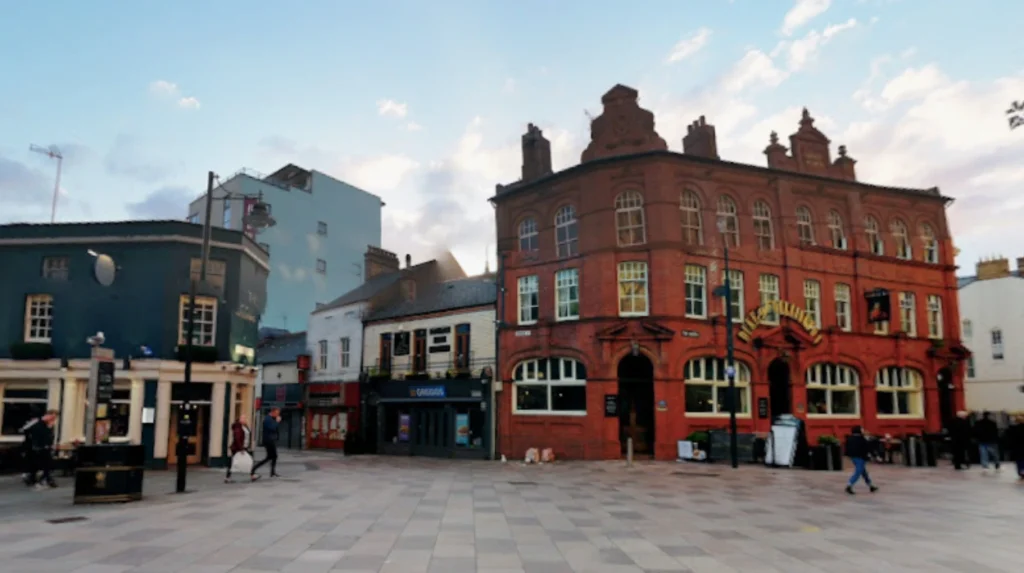
Over the last few years, the most concrete signs of change in Fairwater have come from the housing and community‑infrastructure side. Cardiff Council has approved plans to demolish the former Fairwater Social & Athletic Club and replace it with a 14‑home affordable housing development. For many residents, this reflects a broader trend across the city: underused or closed community assets are being repurposed to meet the growing demand for social and affordable homes.
Supporters argue that compact, well‑designed affordable housing on a tight site can actually improve the look and feel of an area, especially if it replaces a redundant or poorly maintained building. Critics worry that losing a former sports club erodes local social history and may reduce opportunities for informal sports and youth activities unless those uses are explicitly re‑planned into the new scheme. Either way, the decision signals that Fairwater is being treated as a place where housing supply matters, not just as a quiet backwater.
At the same time, the area is becoming more connected to wider Cardiff regeneration through the Fairwater Community Campus project. This £110 million educational campus, one of the largest in Cardiff, is bringing together Cantonian High School, Woodlands High School, and Riverbank School on a single, modern site. The campus is designed around themes like learning, sport, arts, and sustainability, and includes a Health and Wellbeing Hub called Copa, which will host community‑use sports and wellbeing facilities in the evenings.
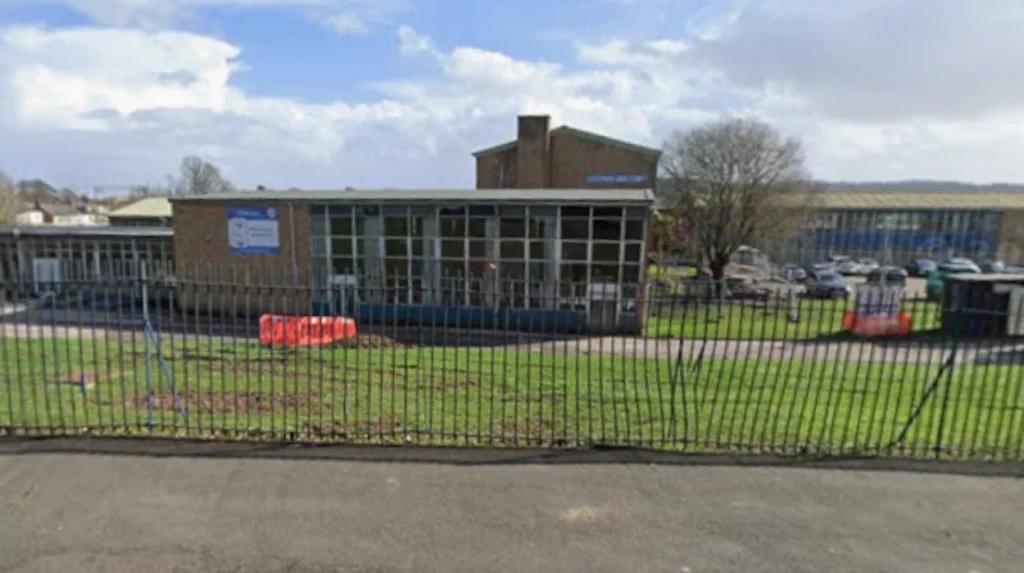
For residents, this creates a dual effect. Daytime activity will increase around the campus, which could mean more traffic and noise at peak drop‑off and pick‑up times. On the other hand, evening access to gym spaces, pitches, and activity studios offers real opportunities for local families, youth groups, and older residents to stay active without leaving the area.
What residents say about living in Fairwater
When people in Cardiff talk about Fairwater online, the tone is often matter‑of‑fact rather than either glowing or hostile. Posts on community forums and buy‑to‑let discussion boards describe the estate as “not a bad part of Cardiff,” with a mix of decent council tenants and more challenging households. Some residents emphasise that the area is generally safe once you are inside the estate, while others note that certain through‑routes and junctions can feel a bit exposed at night.
Recent local‑government listening exercises also help paint a picture. Cardiff’s policing and partnership teams have mapped local priority issues across Fairwater, and common themes include low‑level anti‑social behaviour, traffic concerns, and the need for more visible community‑space activity. Interestingly, many residents also report that they have “no issues” when surveyed, which suggests that quieter households may be content with the status quo and less likely to engage in complaints or campaigns.
Anecdotal feedback from people considering a move there—such as those weighing up Fairwater against neighbouring areas like Adamstown—tends to focus on the balance between affordability and feel. The generally modest house prices and rents make it attractive if you are starting out, working in the city, or on a fixed income. At the same time, some potential residents ask specifically about schools, policing, and how “rough” nearby roads feel, indicating that Fairwater’s identity is still partly shaped by perceptions of the wider Ely corridor.
How perception and stigma stick—and shift
One of the subtle but important dynamics in Fairwater is how external perceptions can lag behind real change. Because it lies close to parts of Ely and Caerau that have faced higher levels of deprivation and crime over the years, Fairwater can sometimes be lumped in with those areas in casual conversation, even though its own community‑safety and income profiles are somewhat different.
Cardiff Partnership ward‑profile data show that Fairwater sits in a mixed picture: there are pockets of lower income and higher reliance on housing benefit, but also relatively good access to services and green space compared with some inner‑city wards. Over time, sustained investment in schools, housing quality, and community facilities can slowly shift both reality and reputation. But stigma dies hard, and people who look at an estate map or hear a quick “it’s near Ely” remark may not immediately register that Fairwater itself is a distinct place.
Residents who have lived in the area for years often notice that newcomers—especially those from further out in the Cardiff‑valleys commuter belt—arrive with a pre‑set idea of what the estate is like. As more visible projects such as the Fairwater Community Campus open and more well‑maintained housing comes in, that perception can migrate gradually toward “developing” or “upgrading” rather than “declining.” Still, it usually takes both time and consistent communication from local leaders and community groups to change a narrative that has been repeated for decades.
Practical considerations for someone thinking of moving in
If you are weighing up Fairwater as a place to live, several practical factors matter more than headlines. Transport links are a key one. The area is served by regular bus routes that connect to the city centre, Cardiff Bay, and other parts of the northern suburbs, but you are still on the edge of the walking‑to‑work zone unless you cycle or drive. Commuters tend to either rely on public transport or accept a short drive into work, which can be an advantage if you dislike the congestion around the city core.
Schools are another major consideration. The consolidation of Cantonian, Woodlands, and Riverbank on the Fairwater Community Campus means that secondary education in the area is being centralised around a modern, purpose‑built site. For families, this can mean better facilities, shared specialist resources, and more extracurricular options, but it also concentrates school‑run traffic on specific roads at set times. Primary schools in and around Fairwater are generally small, local institutions, and many parents still weigh catchment areas carefully when deciding where to rent or buy.
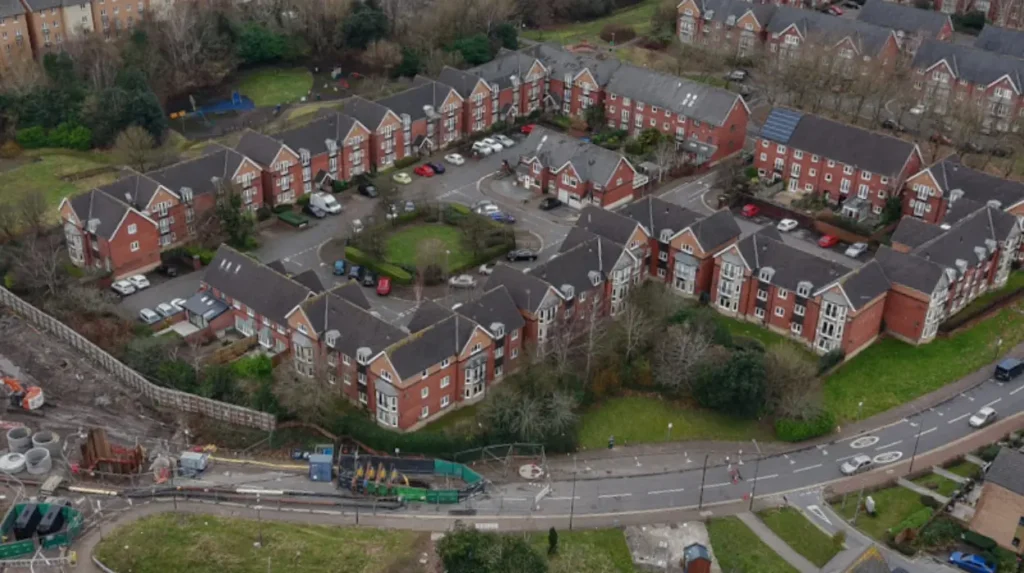
On the housing side, a mix of older stock and newer or refreshed developments means that upkeep can vary street by street. Some blocks and estates have been refurbished under Cardiff Council’s regeneration programmes, while others still show signs of age and patchy maintenance. If you are house‑hunting in Fairwater, it pays to look beyond the immediate doorstep: check the condition of stairwells or communal areas, talk to neighbours if possible, and pay attention to how green spaces are maintained. Well‑kept landscaping and cared‑for play areas often correlate with stronger community ties and lower levels of nuisance behaviour.
Community life and the role of local projects
Despite the reputation it sometimes inherits, Fairwater does have a community life that is quietly evolving. Local policing teams run regular engagement sessions, and ward‑level data show that residents are invited to highlight issues ranging from parking and noise to cleanliness and safety. While turnout is never enormous, these conversations do feed into police patrols and local Council priorities, which can lead to visible changes such as more targeted anti‑ASB work or better‑lit footpaths.
The looming completion of the Fairwater Community Campus adds another layer. Schools that share a site can run joint enrichment programmes, sports leagues, and arts events, which draws young people into structured activities rather than aimless evening gatherings. When the Copa health and wellbeing hub opens to community groups, it could become a hub for everything from youth fitness projects to walking groups for older residents. For a relatively compact suburb, having a single, modern campus that does heavy lifting for education, sport, and some wellbeing services is a significant upgrade compared with the older, more scattered school buildings.
Voluntary and resident‑based groups also play a role. Informal park‑friends initiatives, school‑run parents’ WhatsApp groups, and local Facebook threads are where many of the day‑to‑day concerns about parking, dog‑walking, or anti‑social behaviour are actually discussed and, where possible, resolved. These micro‑networks rarely feature in official reports, but they are often the first line of defence when it comes to keeping an area feeling cared for and relatively safe.
Balancing change and continuity
The question of whether Fairwater is “changing” ultimately depends on what aspect of life you focus on. In physical terms, the coming housing scheme and the campus are clear signs that the area is being invested in rather than left to stagnate. In terms of housing type and affordability, there is a slow but steady push toward more mixed‑tenure and better‑quality stock, which can help stabilise neighbourhoods that have previously relied heavily on older social housing.
At the same time, social and cultural rhythms move more slowly. Families who have lived in Fairwater for decades may notice that the skyline is slowly shifting but that the underlying mix of households—students, young families, older residents, and people on benefits—remains broadly similar. The real test of change will be over the next five to ten years: will the campus, the new homes, and any follow‑up community projects translate into fewer anti‑social‑behaviour issues, better school outcomes, and more local pride?
Fairwater, Cardiff, is indeed changing, but it is doing so in a way that feels incremental rather than dramatic. New affordable housing proposals, a major community‑education campus, and ongoing local‑government and police engagement are quietly reshaping the neighbourhood’s physical and social fabric. Residents’ views are mixed, reflecting both satisfaction with the estate’s relatively quiet, green, and affordable character, and concern about anti‑social behaviour, stigma, and how quickly improvements translate into everyday safety and opportunity.
For anyone considering living in or investing time in Fairwater, the takeaway is this: it remains a practical, mostly affordable suburb with access to green space and improving community facilities, but it still carries some of the baggage that comes from being near more troubled parts of the city. The changes underway suggest that Fairwater is being treated as a place worth upgrading, and how that story unfolds will depend as much on residents’ own engagement as on bricks, mortar, and council policy.