Cardiff, the capital city of Wales, is statistically recognized as a generally safe urban environment. Residents experience crime rates comparable to or lower than other major metropolitan areas in the United Kingdom, supported by extensive municipal security measures and active community policing strategies.
Is Cardiff a safe city to reside in?
Yes, Cardiff is a safe city to live in, maintaining an average crime rate of approximately 118 crimes per 1,000 residents as of 2025. This figure aligns with national trends for large cities, though safety levels fluctuate significantly between specific residential districts and high-density commercial centers.
Cardiff operates as a major economic and academic hub, attracting thousands of new residents annually for study and employment. Safety in this context is managed through a combination of local government oversight, the South Wales Police, and community-led initiatives. While the city centre experiences the predictable challenges of any urban capital—such as incidents related to nightlife and public order—residential suburbs consistently demonstrate high levels of security and social cohesion.
The perception of safety in the city is bolstered by significant infrastructure investments. The city employs a robust network of over 1,200 CCTV cameras and maintains active 24/7 patrol programs in high-traffic zones. These measures are designed to mitigate potential risks before they escalate, providing a stable foundation for the city’s diverse population.
Which areas of Cardiff are considered the safest?
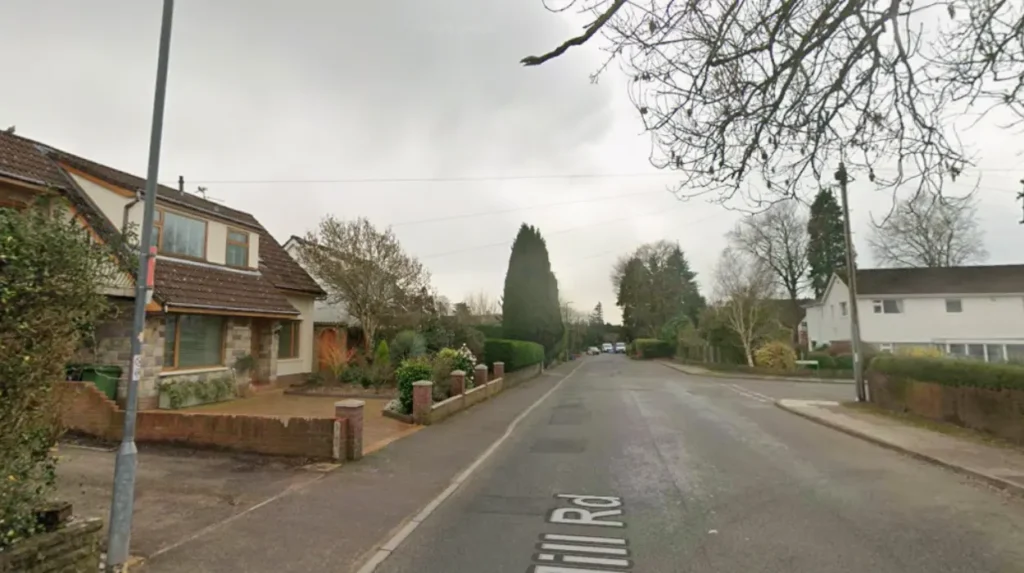
The safest areas in Cardiff are primarily located in the northern and western suburbs, including Lisvane, Thornhill, Radyr, and Rhiwbina. These neighborhoods report crime rates significantly lower—often by 70% to 75%—than the city-wide average, characterized by quiet, family-oriented residential environments.
Lisvane and Thornhill represent the statistical pinnacle of safety within the city, with a reported rate of 29.4 crimes per 1,000 people. These areas prioritize single-family housing and possess limited through-traffic, which naturally restricts opportunities for opportunistic crime. Similarly, Radyr maintains a low rate of 32.9 per 1,000, benefiting from strong transport links and a high concentration of primary and secondary educational institutions.
Rhiwbina and Cyncoed round out the list of low-crime districts. Cyncoed, situated near Cardiff University, provides a secure environment through well-lit streets and a stable demographic of long-term residents. These locations offer a stark contrast to the higher activity levels of the city core, serving as the primary choice for families and professionals seeking a quieter, secure lifestyle.
Why do crime rates vary by Cardiff neighborhood?
Crime rates in Cardiff vary primarily due to population density, the presence of nightlife infrastructure, and proximity to the city centre. High-traffic zones like Cathays and Butetown experience higher reported incidents due to transient populations and large-scale public commercial activity.
Cathays, which serves as a major hub for student housing and nightlife, reports the highest crime rate at 323 incidents per 1,000 residents. This high density of pedestrians and retail establishments creates environments where minor public order offenses and property-related crimes occur more frequently. The concentration of bars, clubs, and student-focused events directly correlates to higher service demands for local law enforcement during evening hours.
Butetown, encompassing the Cardiff Bay area, also reports higher-than-average crime rates at 260 per 1,000 residents. As a historic and diverse area undergoing significant development, it faces unique challenges linked to its high commercial traffic and tourist appeal. Understanding these variations allows new residents to make informed decisions based on their lifestyle preferences, whether they prioritize the quiet security of the northern suburbs or the energetic convenience of the central districts.
How does the city protect international students?
Cardiff protects international students through specialized safety programs, including the Safe Taxi scheme and institutional safety orientations. These initiatives, managed by local universities and the city council, provide 24/7 support and resources to ensure students can navigate the city securely.
The Safe Taxi scheme is a critical component of student safety, offering discounted transportation options to ensure students can return to their accommodations safely after late-night activities. Additionally, institutions like the Royal Welsh College of Music & Drama and Cardiff University integrate safety education into their initial orientation programs. This training informs newcomers about local emergency protocols, how to utilize city security features, and where to access support services if they encounter difficulties.
Student volunteers further enhance this safety net by operating “safety walks” during evening hours, providing companionship for students returning home. These programs are part of a broader city strategy that views student security as essential to the city’s reputation as a top-tier educational destination. By formalizing these resources, Cardiff effectively reduces the risks often associated with living in an unfamiliar urban environment.
What is the historical trend of crime in Cardiff?
Crime statistics in Cardiff indicate a long-term trend of stability and recent improvement, with violent crime rates decreasing by 4.3% to 4.7% annually in recent reporting cycles. These reductions reflect a sustained focus on community policing and municipal safety interventions.
Historically, Cardiff has functioned as a relatively stable capital city compared to other UK urban centers of similar population size. While the city has experienced challenges common to metropolitan growth, current data shows that violent crime and property-related incidents are trending downward. In 2025, the city recorded approximately 35,500 incidents related to violence, representing a significant year-over-year decrease.