The implementation of the 20mph default speed limit in Cardiff and across Wales represents a major shift in urban transport policy. This article examines the data, public response, and evolving regulatory framework surrounding this initiative.
- What is the Cardiff 20mph speed limit?
- Why was the 20mph limit introduced in Cardiff?
- Is the 20mph speed limit actually working?
- Why are some Cardiff roads reverting to 30mph?
- What is the impact on Cardiff traffic congestion?
- How is the 20mph policy enforced in Cardiff?
- What are the long-term implications for Cardiff?
What is the Cardiff 20mph speed limit?
The 20mph speed limit is a Welsh Government policy that replaced the default 30mph limit with a 20mph limit on restricted roads in built-up areas starting in September 2023, covering approximately 37% of the road network across Wales.
This regulation applies specifically to “restricted roads,” which are defined by the presence of street lighting placed at intervals of no more than 200 yards. The policy aims to reduce the severity and frequency of road traffic collisions in residential and urban environments. By lowering the kinetic energy of vehicles, the policy intends to increase the survivability of pedestrians and cyclists involved in accidents.
The initiative is part of a broader strategy to encourage active travel, such as walking and cycling, by creating safer environments. The change was not universal; specific arterial routes and roads not meeting the “restricted” criteria remained at higher speed limits. The Welsh Government allocated significant resources to implement this change, including signage updates and public awareness campaigns.
Why was the 20mph limit introduced in Cardiff?
The primary objective for introducing the 20mph limit was to improve public safety by reducing the kinetic energy of vehicles, thereby decreasing the likelihood of fatal or serious injuries during collisions between vehicles and vulnerable road users.
Research indicates that a pedestrian is significantly more likely to survive a collision with a vehicle traveling at 20mph compared to one traveling at 30mph. Beyond physical safety, the policy aimed to support public health goals by creating quieter, less polluted, and more pedestrian-friendly neighborhoods. Cardiff Council emphasized that slower speeds contribute to a better quality of life in dense urban districts.
The policy also aligns with global trends in urban planning that prioritize “vision zero” or similar traffic safety frameworks. These frameworks operate on the premise that road deaths and serious injuries are preventable through systematic design choices, including speed management. By standardizing the speed limit, the government sought to reduce confusion for drivers transitioning between different residential zones.
Is the 20mph speed limit actually working?
Data from the first 12 months of implementation shows an 11.8% decrease in total road casualties, with a notable 26.2% reduction in casualties on roads specifically classified as 20mph and 30mph zones compared to previous periods.
Monitoring reports indicate that average vehicle speeds on main through-roads in these zones have fallen by approximately 3.8mph. Before the policy, only 20.8% of vehicles traveled at or below 24mph; currently, that figure has risen to 54.0%. These statistics suggest a measurable change in driver behavior and a corresponding improvement in objective safety metrics.
While casualty numbers have declined, the policy remains a subject of intense public debate. Proponents argue that the reduction in injuries demonstrates the success of the initiative, particularly for vulnerable groups such as children and the elderly. Detractors, however, point to increased journey times, frustration regarding traffic congestion, and a perceived lack of necessity on wider residential roads where pedestrian activity is low.
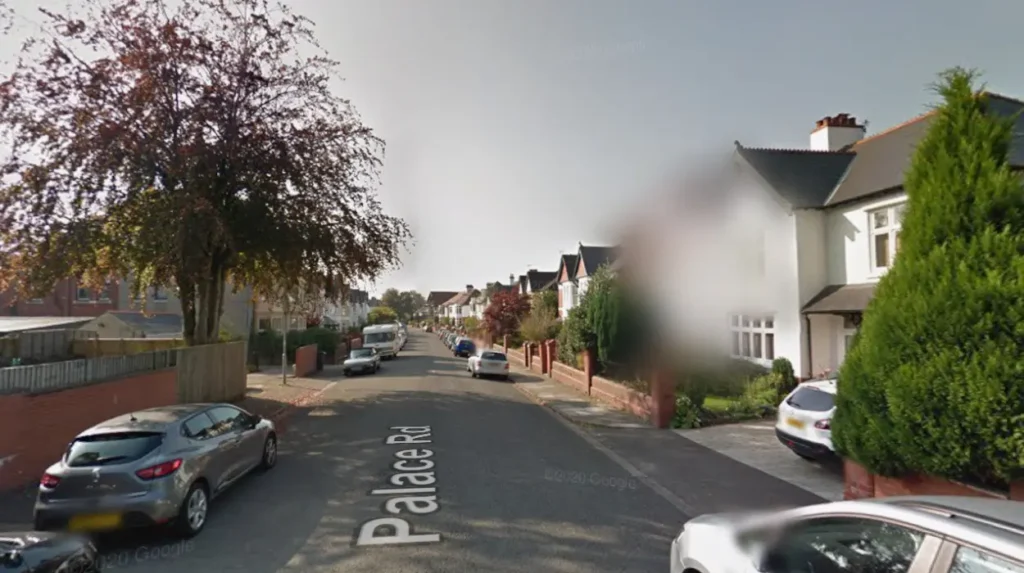
Why are some Cardiff roads reverting to 30mph?
Cardiff Council and the Welsh Government initiated a review process that identified specific arterial roads where the 20mph limit caused disproportionate traffic congestion, prompting a return to 30mph limits to improve traffic flow and network efficiency.
This revision is not a complete abandonment of the 20mph policy but rather a “fine-tuning” approach. Local authorities, including Cardiff Council, engaged with stakeholders such as bus operators, residents, and local representatives to determine which roads required adjustment. The criteria for reverting to 30mph typically focus on roads that serve as major connectors where traffic volume is high and the risk to pedestrians is lower due to infrastructure design.
The Traffic Regulation Process requires a formal legal procedure to change speed limits, ensuring that any reversion follows a clear, evidence-based assessment. This ensures that while safety remains a priority, the city’s transport network maintains the capacity required for essential travel. The policy acknowledges that a “one-size-fits-all” approach may require localized adjustments to balance safety with economic and logistical needs.
What is the impact on Cardiff traffic congestion?
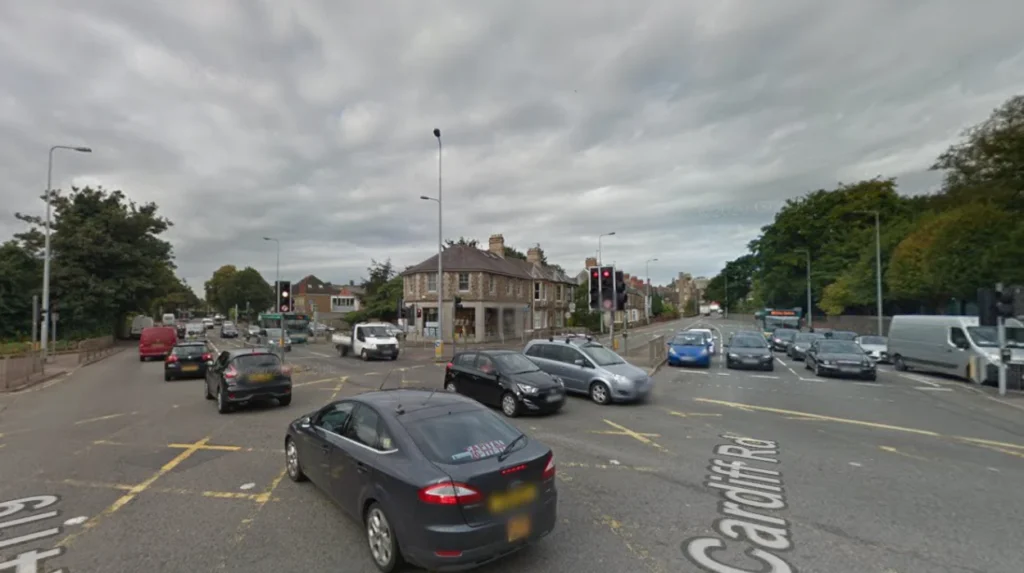
The impact on traffic congestion is mixed; while arterial routes faced increased delays, the lower speeds have facilitated smoother traffic flow in certain residential areas by reducing the “stop-start” nature of driving associated with higher speed limits.
Concerns about increased journey times were a major factor in the public backlash leading to the review of the 20mph policy. Drivers report frustration with the slower pace, particularly during peak hours on busy routes. However, traffic engineering studies often find that lower speed limits can increase throughput in urban areas by reducing the variability in vehicle speed and allowing for more consistent merging and turning.
Cardiff Council has explicitly noted that reverting specific busy roads to 30mph is intended to mitigate the congestion issues experienced by commuters and public transport operators. The long-term goal is to achieve a balance where the road network functions efficiently for transit while remaining safe for local residents. Future data collection will continue to monitor how these adjustments affect both commute times and road safety metrics.
How is the 20mph policy enforced in Cardiff?
Enforcement is managed through a combination of speed cameras, community-based speed awareness programs, and police monitoring, although reliance on “self-compliance” remains a critical component of the strategy’s broader effectiveness.
Significant debate exists regarding the level of enforcement required to make the policy successful. Some residents argue that without strict, consistent policing, many drivers will continue to ignore the speed limits, rendering them ineffective. Conversely, others argue that infrastructure design, such as speed bumps or narrowed road geometry, is a more effective and sustainable way to ensure compliance than relying solely on police enforcement.
Over 100,000 drivers across Wales were caught exceeding speed limits in the months following the policy change, highlighting that compliance remains an ongoing challenge. The government and police services continue to evaluate the best methods for maintaining the safety benefits of the policy while managing the strain on enforcement resources. Educational campaigns, which emphasize the physical science of braking distances and accident survivability, are also utilized to influence driver attitudes.
What are the long-term implications for Cardiff?
The long-term implications involve a fundamental shift in how Cardiff prioritizes road usage, aiming to integrate road safety, public health, and urban livability into a cohesive policy framework that adapts to changing population and transit needs.
The data gathered during the initial years of the 20mph policy will inform future urban planning decisions in Cardiff and across the UK. If the trends of reduced casualties continue, it is likely that similar policies will persist or be adopted in other urban centers facing high density and traffic safety concerns. The iterative process of reviewing and adjusting limits on specific roads shows a government approach that is increasingly responsive to data and public feedback.
Furthermore, the focus on active travel—walking, wheeling, and cycling—is expected to grow. By creating a environment where these modes of transport are safer and more attractive, the city aims to reduce its overall carbon footprint and improve the physical health of its residents. The ongoing dialogue between policymakers and the public will remain essential in refining the balance between necessary infrastructure, commuter efficiency, and community safety.