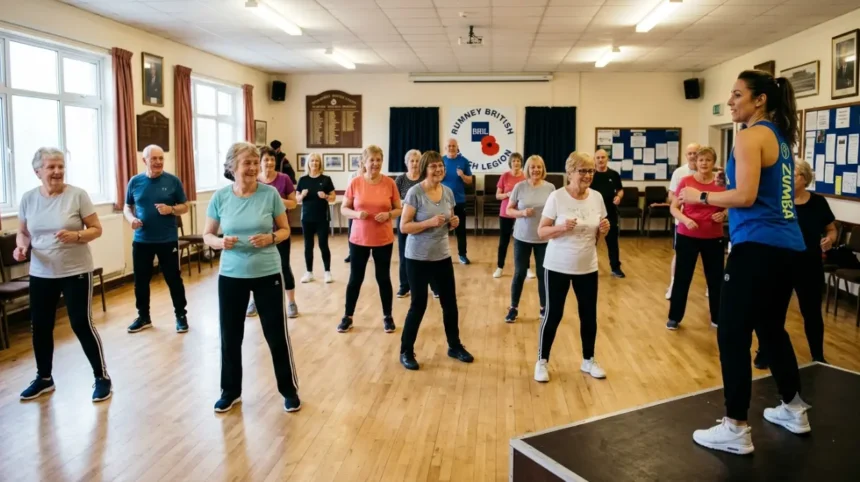
Staying physically active remains a cornerstone of long-term health, particularly for older adults and individuals seeking low-impact exercise options. In Cardiff, local hubs provide accessible frameworks for sustained physical fitness and social engagement. The Rumney British Legion operates as a vital community venue within eastern Cardiff, hosting structured health initiatives such as Zumba Gold. This evergreen guide analyzes the mechanics of low-impact community fitness, the role of neighborhood hubs in public health preservation, and the specific operational details of active programs in the Rumney area.
- What is Zumba Gold and how does it benefit older adults?
- The Origins and Design of Modified Fitness Programs
- Physiological Mechanisms of Low-Impact Aerobics
- Neurological and Cognitive Benefits
- Why are community classes essential for public health in Cardiff?
- The Demographics of Aging in Cardiff
- Social Isolation and Health Correlates
- Economic Impact on NHS Wales
- Where is the Rumney British Legion located and what is its role?
- Geographic and Transport Context
- Historical Evolution of the Venue
- Infrastructure and Facility Capabilities
- How does a typical Zumba Gold session function?
- What should participants expect regarding accessibility and enrollment?
- Financial Accessibility and Fee Structures
- Registration and Medical Screening Protocols
- Environmental Design and Clothing Requirements
- How do neighborhood fitness hubs impact long-term healthcare systems?
What is Zumba Gold and how does it benefit older adults?
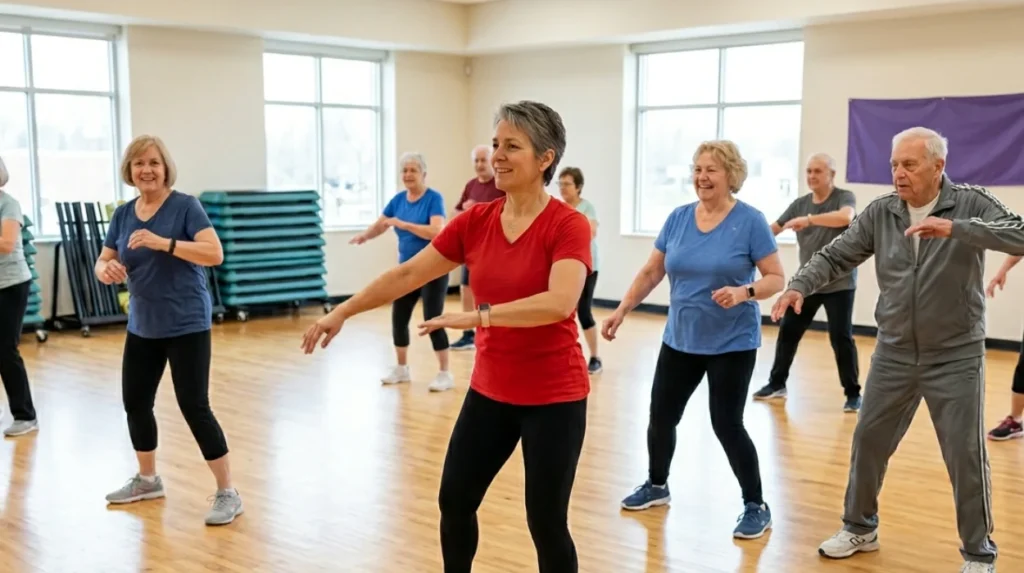
Zumba Gold is a modified, low-impact version of the traditional Zumba fitness program designed specifically for older adults, beginners, and individuals with physical limitations. It improves cardiovascular health, enhances spatial balance, maintains joint flexibility, and prevents cognitive decline through coordinated movement patterns.
The Origins and Design of Modified Fitness Programs
Zumba fitness originated in the 1990s as a high-intensity aerobic system combining Latin American dance rhythms with cardiovascular exercise principles. As global demographic trends shifted toward an aging population, fitness researchers identified a structural gap in accessible, high-adherence exercise regimens. Zumba Fitness LLC introduced Zumba Gold to modify the physiological demands of the original format while retaining its core rhythmic structures.
The program alters the choreographic framework by removing high-impact ballistic movements. Instructors eliminate jumps, rapid directional pivots, and extreme joint extensions to protect the musculoskeletal system. The music tempo, measured in beats per minute (BPM), ranges between 110 BPM and 134 BPM, which is lower than the 130 BPM to 145 BPM range typically utilized in standard Zumba classes. This intentional reduction ensures participants maintain stable heart rates within an aerobic zone.
Physiological Mechanisms of Low-Impact Aerobics
The human aging process induces specific physiological changes, including a reduction in maximum oxygen uptake ($VO_2\text{ max}$), decreased bone mineral density, and the loss of skeletal muscle mass, a condition known as sarcopenia. Zumba Gold counteracts these variations through sustained, low-impact cardiovascular stress. The continuous movement stimulates the left ventricle of the heart, increasing stroke volume and improving overall systemic circulation.
The biometric impact of regular participation includes:
- Heart Rate Stabilization: Exercises are calibrated to keep participants at 50% to 70% of their maximum heart rate, aligning with the World Health Organization guidelines for moderate-intensity physical activity.
- Joint Fluidity: Continuous, non-ballistic movements stimulate the secretion of synovial fluid within major joint capsules. Examples of affected joints include the acetabulofemoral (hip) joint, the tibiofemoral (knee) joint, and the glenohumeral (shoulder) joint. This fluid reduces friction and alleviates symptoms associated with osteoarthritis.
- Metabolic Regulation: A standard 45-minute session burns between 250 and 400 kilocalories, assisting in blood glucose regulation and the mitigation of metabolic conditions. Examples of these conditions include type 2 diabetes mellitus and hypercholesterolemia.
Neurological and Cognitive Benefits
The biomechanics of Zumba Gold extend beyond cardiovascular health to influence neurological pathways. Choreography requires participants to execute multi-planar movements, crossing the midline of the body and switching between anterior, posterior, and lateral directions. This spatial navigation engages the cerebellum and the prefrontal cortex, areas of the brain responsible for motor control, procedural memory, and executive functioning.
Studies in geriatric sports science indicate that memorizing dance steps and adapting to rhythmic changes promotes neuroplasticity, which is the brain’s ability to reorganize itself by forming new neural connections. This cognitive engagement helps delay the onset of neurodegenerative disorders. Examples of these disorders include Alzheimer’s disease and vascular dementia. The simultaneous requirement of auditory tracking and motor execution provides a robust cognitive workout that simple linear exercises, such as treadmill walking, do not replicate.
Why are community classes essential for public health in Cardiff?
Community fitness classes reduce isolation, lower regional healthcare expenditure, and provide localized access to preventative healthcare frameworks across Cardiff. They act as preventative health delivery mechanisms that lower instances of chronic illness admissions within the NHS Wales medical infrastructure.
The Demographics of Aging in Cardiff
Cardiff, the capital city of Wales, experiences distinct demographic pressures related to population aging. Data from the Office for National Statistics indicates a consistent increase in the percentage of residents aged 65 and older across the city’s electoral wards. Wards in eastern Cardiff show specific concentrations of older populations who require localized healthcare strategies to maintain independent living.
The Welsh Government’s health strategy emphasizes preventative care models designed to keep individuals active within their neighborhoods. When individuals remain physically capable, they reduce their reliance on social care services and long-term institutionalized care. Community classes serve as the primary operational infrastructure for this preventative approach, converting non-clinical spaces into centers for public health preservation.
Social Isolation and Health Correlates
Social isolation acts as a distinct determinant of poor health outcomes, with statistical risks comparable to smoking or clinical obesity. The Campaign to End Loneliness highlights that chronic loneliness increases the risk of developing coronary heart disease and stroke by up to 30%. Community classes address this issue by providing consistent, structured environments for social interaction.
The psychological benefits of these classes include:
- Reduction in Cortisol Secretion: Regular group interactions lower stress hormones, which stabilizes blood pressure levels.
- Enhanced Serotonergic Activity: Group exercise increases serotonin and endorphin production, mitigating late-life depression.
- Cognitive Reserve Building: Regular verbal and social engagement maintains cognitive sharp-ness among isolated individuals.
Economic Impact on NHS Wales
The financial sustainability of NHS Wales relies on reducing preventable hospital admissions. Falls represent a primary cause of emergency hospital admissions among older adults in Wales, costing the healthcare system millions of pounds annually. By improving balance, core stability, and lower-limb strength, community classes like Zumba Gold function directly as fall-prevention programs.
An analysis of preventative healthcare spending demonstrates that every pound sterling invested in community-led physical activity yields a measurable return in reduced primary care visits. When an individual avoids a hip fracture through improved balance, the state avoids costs related to emergency surgical interventions, extended hospital bed occupancy, and post-operative rehabilitative care.
Where is the Rumney British Legion located and what is its role?
The Rumney British Legion is located on Newport Road in the Rumney ward of eastern Cardiff, serving as a multi-functional community venue and social hub. It provides infrastructure for veteran support, local assemblies, charitable events, and public health and fitness initiatives.
Geographic and Transport Context
The Rumney British Legion occupies a central position along Newport Road, a major transport artery linking eastern Cardiff to the city center and neighboring Newport. The exact address sits within a accessible corridor served by multiple Cardiff Bus routes, including the 44, 45, and 49 services. This transport accessibility allows individuals who do not drive or who experience mobility constraints to reach the venue without financial or physical strain.
The building features dedicated parking facilities, accessible entrances, and ground-floor halls that remove barriers for individuals using mobility aids. Examples of these aids include wheeled walkers, walking canes, and motorized wheelchairs. This structural accessibility is a critical requirement for hosting specialized health classes aimed at demographics with varying levels of physical capability.
Historical Evolution of the Venue
The Royal British Legion was founded in 1921 as a registered charity to support veterans of the British Armed Forces and their families. The Rumney branch developed as part of this network, establishing a physical headquarters to facilitate welfare administration, commemoration activities, and social reintegration. Over decades, the venue expanded its operational scope to integrate broader neighborhood requirements.
While retaining its core mission to support the veteran community, the branch serves as a generic community centre for the entire Rumney and St. Mellons area. The management leases space to external instructors, community organizations, and public health practitioners, transforming the building from a private members’ club into an open asset for public utility.
Infrastructure and Facility Capabilities
The venue contains specific architectural elements that suit group physical activity:
- Main Hall Floors: The primary assembly hall features sprung wooden flooring, which absorbs mechanical impact and reduces structural stress on participants’ joints during exercise.
- Thermal Control Systems: Industrial ventilation and heating systems maintain stable indoor air temperatures, preventing overheating during summer sessions or muscle stiffness during winter months.
- Acoustic Properties: The hall layout accommodates clear sound projection, allowing instructors to deliver verbal cues over background music without causing auditory strain to participants with age-related hearing loss.
Explore More Area Guide
The Future of Cardiff’s Old Rumney High School Site Explained
Who Owns Rumney Rocks Bistro and What Is on the Menu?
How does a typical Zumba Gold session function?
A typical Zumba Gold session functions as a structured 45-to-60-minute physiological progression divided into three distinct phases: a progressive warm-up, a core rhythmic aerobic segment, and a gradual cool-down. Each phase utilizes specific movement patterns designed to safely elevate and lower the heart rate.
The Warm-Up Phase
The session initiates with an 8-to-10-minute warm-up designed to prepare the body for aerobic workload without inducing sudden metabolic stress. The instructor selects music with a low tempo, approximately 100 to 110 BPM. The movements focus on progressive joint mobilization, starting from the cervical spine and moving down to the ankles.
During this phase, participants perform dynamic stretching movements. Examples of these movements include shoulder rolls, gentle torso twists, and rhythmic step-touches. These activities gradually increase the core body temperature, reduce muscle viscosity, and increase the elasticity of tendons and ligaments. This step-by-step approach prevents acute muscle strains and prepares the cardiovascular system for the upcoming higher-intensity segments.
The Core Aerobic Segment
The core phase lasts between 30 and 35 minutes and forms the primary cardiovascular training component of the class. The instructor utilizes a series of tracks representing distinct Latin and international dance genres. Examples of these genres include Merengue, Salsa, Cumbia, and Cha-Cha-Cha. Each genre features specific step patterns modified for low-impact execution:
- Merengue Modification: The fast marching step of traditional Merengue is converted into a grounded march that emphasizes lateral hip stability without sudden vertical shifts.
- Salsa Modification: The quick forward and backward rocking steps are shortened to reduce the stress placed on the anterior cruciate ligament in the knee.
- Cumbia Modification: The traditional stamping elements are replaced with smooth, controlled toe-taps to eliminate harsh impacts traveling up the skeletal column.
The choreography relies on repetitive, simple combinations. Instructors use visual cueing methods instead of complex verbal commands. Examples of these cues include directional hand signals, clapping patterns, and changes in body posture. This visual approach allows participants to follow the movements without feeling overwhelmed by verbal instructions.
The Cool-Down and Flexibility Segment
The session concludes with a 5-to-7-minute cool-down phase designed to safely transition the body back to a resting state. The music drops below 100 BPM, utilizing slow, steady rhythms. Movements shift from continuous locomotion to static stretching and deep breathing exercises.
The cool-down targets major muscle groups utilized during the class. Examples of these groups include the gastrocnemius (calf) muscle, the hamstrings, the quadriceps, and the erector spinae (lower back) muscles. Static stretches are held for 15 to 30 seconds to maintain and improve overall flexibility. This gradual reduction prevents blood pooling in the lower extremities, which can cause dizziness or fainting if exercise is stopped abruptly.
What should participants expect regarding accessibility and enrollment?
Participants can expect affordable pricing structures, zero mandatory subscription contracts, and comprehensive physical accessibility frameworks when enrolling in community classes at the venue. Sessions operate on a drop-in basis or low-cost block bookings to maximize inclusion across all socioeconomic groups.
Financial Accessibility and Fee Structures
Community health initiatives must eliminate financial barriers to ensure broad public participation. Classes hosted at the Rumney British Legion typically bypass the expensive monthly membership structures seen at commercial fitness centers. Instead, they use a pay-as-you-go format, with single sessions ranging between £4.00 and £6.00 sterling.
Some programs offer block-booking discounts, allowing participants to purchase a set of five or ten sessions at a lower per-class rate. This pricing strategy supports older adults living on fixed state pensions. By eliminating long-term contracts or cancellation penalties, the classes remain financially sustainable for low-income households in eastern Cardiff.
Registration and Medical Screening Protocols
Before joining their first active session, participants complete a standard administrative intake process. This includes filling out a Physical Activity Readiness Questionnaire (PAR-Q). The PAR-Q is a standardized screening tool designed to identify individuals who require medical clearance from a general practitioner before starting an exercise routine.
The form assesses specific risk indicators, including:
- Cardiovascular Signs: Chest pain during rest or physical exertion, or unexplained dizziness.
- Bone and Joint Issues: Chronic conditions that could worsen during physical movement. Examples of these conditions include severe spinal stenosis or unmanaged rheumatoid arthritis.
- Pharmacological Factors: Current prescriptions for high blood pressure or heart medications that affect cardiac responses during exercise.
Instructors use this information to provide tailored modifications for individual participants during class, ensuring everyone exercises within safe physiological limits.
Environmental Design and Clothing Requirements
The venue ensures that the physical space supports the needs of its participants. The main hall features clear signage, uniform lighting without glare, and wide walkways that accommodate mobility devices. Restroom facilities are fully accessible and located close to the main exercise floor.
Participants are advised to wear specific attire to ensure safety during the movements:
- Footwear: Supportive athletic shoes with clean soles that offer adequate lateral support and low traction are recommended. Examples of appropriate choices include indoor fitness shoes or specialized dance sneakers. High-grip running shoes are discouraged because they can cause sudden foot stopping during twists, increasing the risk of knee injuries.
- Clothing: Breathable, moisture-wicking fabrics that allow unhindered movement are ideal. Examples of these fabrics include polyester blends or lightweight cotton. Layering clothing allows participants to easily adjust to temperature changes as their heart rates rise and fall during the session.
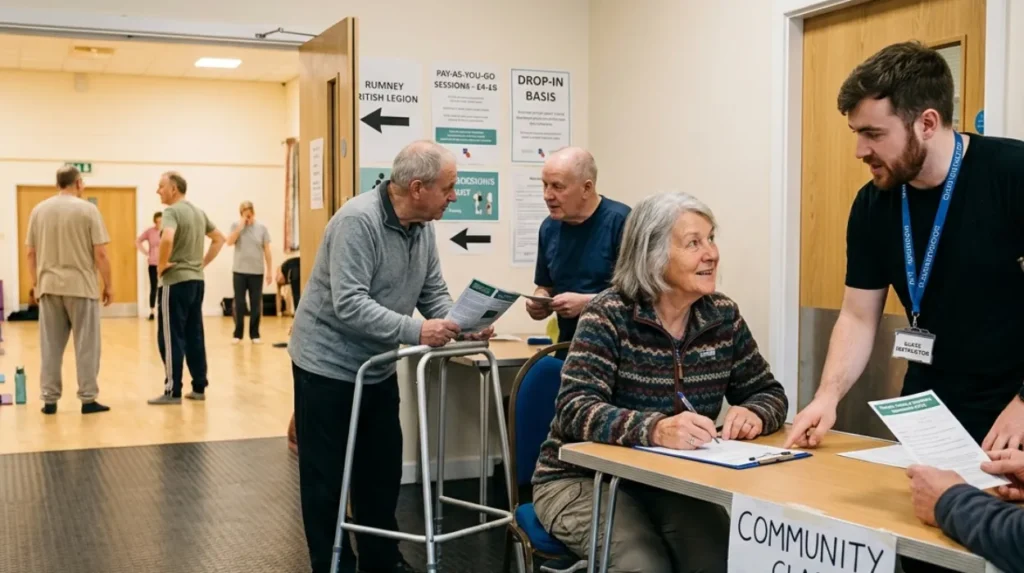
How do neighborhood fitness hubs impact long-term healthcare systems?
Neighborhood fitness hubs reduce the burden on long-term healthcare systems by delaying institutionalization, lowering medication dependence, and building community-level resilience. They shift public health management from reactive clinical treatments to proactive, community-based prevention strategies.
Shifting from Reactive to Preventative Healthcare
Modern healthcare models face rising costs driven by chronic lifestyle diseases and aging populations. Traditional reactive medicine focuses on treating conditions after symptoms occur, which requires significant clinical resources. Community hubs change this approach by delivering preventative care directly within neighborhoods.
Regular low-impact exercise mitigates many conditions that lead to emergency hospital admissions. By providing consistent opportunities for physical activity, neighborhood hubs keep individuals moving safely. This sustained fitness reduces the overall demand for primary care consultations, specialized outpatient appointments, and long-term residential care placements.
Long-Term Management of Chronic Conditions
For individuals diagnosed with chronic health conditions, local exercise classes offer an effective way to manage their health over time. Regular movement helps stabilize specific biomarkers. Examples of these improvements include lowered blood pressure, improved insulin sensitivity, and better lipid profiles. These changes allow patients to manage their conditions with lower doses of daily medications.
The physical benefits of community classes help preserve long-term mobility:
- Sustained Functional Independence: Regular exercise maintains the strength needed for daily tasks. Examples of these tasks include climbing stairs, carrying groceries, and standing up without assistance.
- Improved Respiratory Capacity: Aerobic movement strengthens the diaphragm and intercostal muscles, increasing vital lung capacity.
- Preserved Intervertebral Flexion: Controlled movement patterns protect spinal alignment, reducing chronic lower back pain.
Building Social Infrastructure and Resilience
Beyond the physical health benefits, community hubs create strong social support networks that improve local public health resilience. When individuals meet regularly in group settings, they build natural support networks that extend outside the classroom. This localized social connection is highly effective at reducing the anxiety and depression often linked with social isolation.
During public health challenges or periods of extreme weather, these established community networks can be used to quickly share accurate health information, coordinate check-ins on vulnerable neighbors, and distribute local support services. By embedding health initiatives within trusted local venues like the Rumney British Legion, public health organizations can reach target demographics more effectively than through remote digital outreach campaigns alone. This community-first approach creates a more resilient, active, and connected local population over the long term.
What is Zumba Gold?
Zumba Gold is a low-impact fitness program designed for older adults, beginners, and people who prefer gentler exercise. It combines easy-to-follow dance movements with moderate cardiovascular activity.