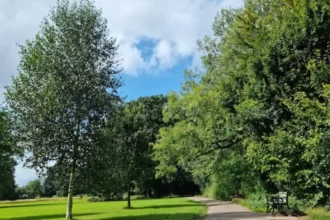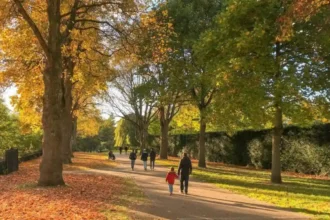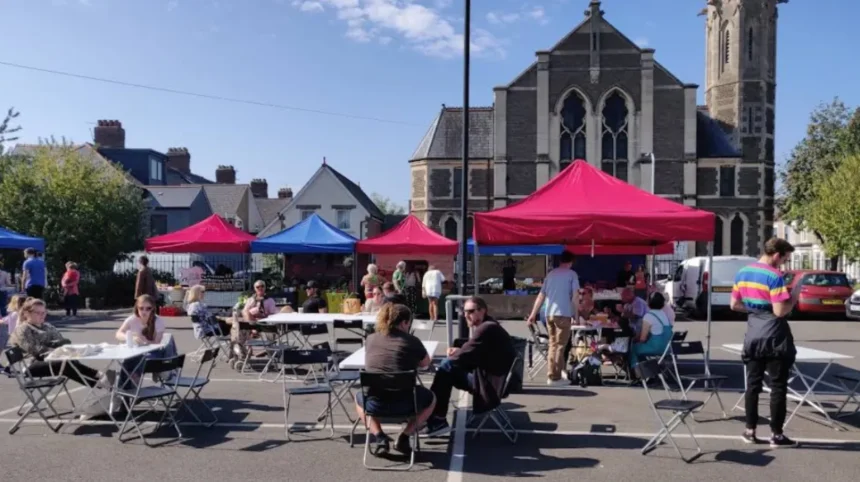
Roath is a prominent, historically significant district located in the northeastern quadrant of Cardiff, Wales. The area serves as a primary hub for independent retail, diverse culinary markets, and community-driven cultural events. Defined by its distinct Victorian architecture and expansive public parks, the district supports an active resident population composed of students, young professionals, and long-term families. Understanding the multi-layered ecosystem of this locality requires an examination of its geographic infrastructure, cultural institutions, commercial centers, and public recreation systems.
- What Is the History and Significance of Roath?
- Medieval Origins and Royal Administration
- The Victorian Industrial Expansion
- Modern Cultural Demographics
- What Are the Best Markets to Visit in Roath?
- Where Are the Top Independent Shopping Streets in Roath?
- Albany Road: The Commercial Spine
- Wellfield Road: Boutique and Specialist Retail
- City Road: Global Commerce and Diverse Enterprise
- What Cultural and Artistic Venues Define Roath?
- The Gate Arts Centre
- Curated Programming and Community Engagement
- Independent Galleries and Public Street Art
- How Does Roath Park Contribute to Local Recreation and Culture?
- Historical Heritage and Victorian Landscape Design
- The Boating Lake and Scott Memorial Lighthouse
- The Conservatory and Horticultural Collections
- What Are the Culinary and Dining Options in Roath?
- Third-Wave Coffee and Brunch Culture
- International and Multi-Ethnic Gastronomy
- Plant-Based and Sustainable Eating Trends
- What Architectural Styles Characterize the Roath District?
- Domestic Terraced Architecture
- Civic and Educational Institutional Structures
- Gothic Revival Ecclesiastical Architecture
- How Does Roath Facilitate Community Events and Festivals?
Historically, the area transformed from a medieval agricultural manor into a densely populated urban suburb during the late 19th and early 210th centuries. This transition coincided with the rapid industrial expansion of Cardiff Port, which established itself as a premier global coal-exporting hub (Toon, 2012). The influx of maritime trade and capital funded the construction of residential terraces, institutional civic buildings, and community parks. Consequently, modern Roath retains a distinct structural identity characterized by linear shopping streets intersected by tree-lined residential avenues.
What Is the History and Significance of Roath?
Roath is a foundational urban district in Cardiff that originated as a medieval agricultural manor before transforming into a dense Victorian suburb during the 19th-century industrial boom. Today, it stands as a primary cultural and commercial repository for the city.
Medieval Origins and Royal Administration
The historical lineage of the district extends back to the post-Norman conquest era of Glamorgan. The territory originally functioned as an administrative manor under the direct control of the Lord of Glamorgan, serving as a primary source of agricultural production, grain milling, and livestock grazing for Cardiff Castle. The local economy relied on the fertile alluvial soils surrounding the Roath Brook watershed to cultivate arable crops. The structural layout during this period remained strictly agrarian, consisting of scattered farmsteads, communal fields, and ecclesiastical land parcels managed by monastic orders.
The Victorian Industrial Expansion
The definitive structural transformation occurred between 1850 and 1910, driven by the explosive growth of the South Wales coal trade. As the Bute West and East Docks expanded to handle millions of tons of cargo annually, housing demands for specialized workers, commercial managers, and retail operators escalated rapidly (Twyford-Jones, 2023). Landowners, notably the Tredegar Estate and the Marquess of Bute, implemented systematic gridiron urban planning initiatives. This layout prioritized the construction of stone-fronted terrace houses, which accommodated the expanding middle-class demographic of the city (Loyn née Thomas, 0).
Modern Cultural Demographics
In the contemporary era, the district has evolved into a multicultural enclave characterized by high intellectual and artistic capital. The proximity of major academic infrastructure, such as Cardiff University and Cardiff Metropolitan University, maintains a consistent influx of seasonal and permanent residents. This shifting demographic has directly influenced the local economy, shifting the commercial focus from traditional retail entities to independent businesses, creative co-working spaces, and multi-ethnic culinary venues. The neighborhood serves as a physical case study in how post-industrial urban centers adapt to modern knowledge-based economies.
What Are the Best Markets to Visit in Roath?
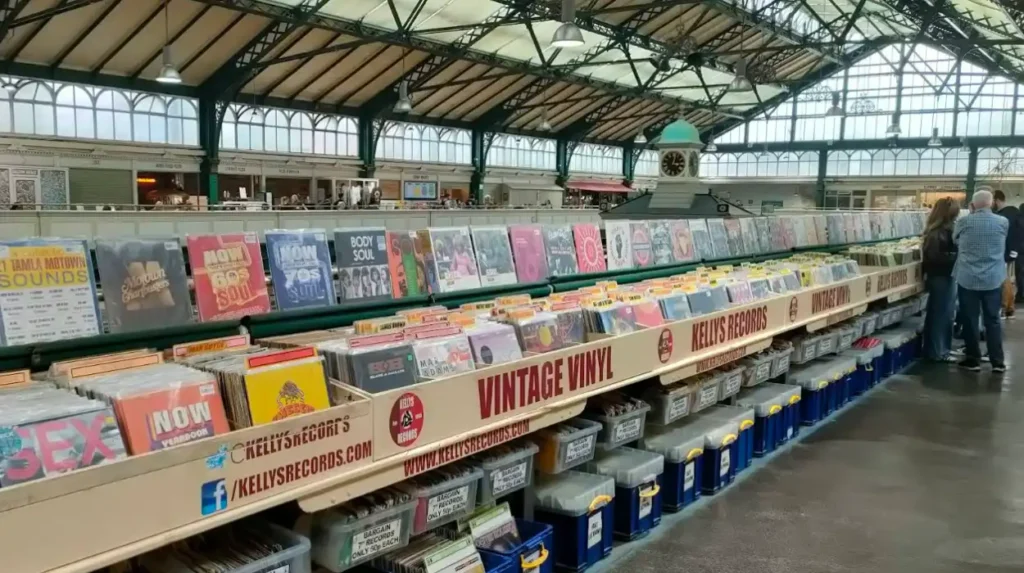
The best markets to visit in Roath are the Roath Farmers Market and the seasonal creative fairs hosted within local community hubs. These markets provide direct consumer access to regional organic agriculture, artisan provisions, and handmade Welsh goods.
The Roath Farmers Market
Operating on a weekly schedule every Saturday morning, the primary open-air farmers market situated on Mackintosh Place functions as a critical nexus for regional food supply chains. The market provides a dedicated commercial platform for independent agricultural producers located within Glamorgan and the Monmouthshire valleys. Consumers interact directly with farmers, bakers, and micro-roasters, eliminating secondary distribution intermediaries. This marketplace directly supports local economic sustainability while offering highly traceable foodstuffs to urban consumers.
Culinary Offerings and Product Diversity
The inventory available at the primary farmers market emphasizes seasonal availability, organic cultivation practices, and artisan processing methodologies. The trade floor features specific product categories:
- Fresh organic vegetables, including heirloom root crops and field greens.
- Sustainably sourced meats, consisting of grass-fed Welsh beef, salt marsh lamb, and rare-breed pork.
- Small-batch dairy derivatives, comprising mature cave-aged cheeses, cultured butter, and raw unpasteurized milk.
- Baked goods, encompassing naturally leavened sourdough bread, traditional Welsh cakes, and vegan pastries.
Seasonal Craft and Cultural Fairs
Beyond agricultural commerce, the district utilizes its public halls, including the Mackintosh Sports Centre and local church grounds, to host intermittent craft assemblies. These gatherings gather regional visual artists, ceramicists, jewelry designers, and textile weavers. The fairs provide a critical economic outlet for micro-enterprises and independent makers, reinforcing the identity of Cardiff as a center for contemporary Welsh craft and design.
Where Are the Top Independent Shopping Streets in Roath?
The top independent shopping streets in Roath are Albany Road, Wellfield Road, and City Road. These linear commercial thoroughfares host a dense concentration of specialized boutiques, independent bookshops, traditional zero-waste dispensaries, and multi-ethnic retail establishments.
Albany Road: The Commercial Spine
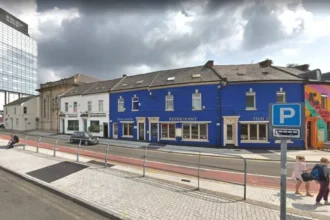
Albany Road functions as the primary high-density commercial artery of the district, accommodating a mix of established national brands and long-standing independent service providers. The architectural framework consists of three-story Victorian shopfronts featuring active retail spaces on the ground floor and residential apartments above. The retail mix along this corridor is diverse, containing independent pharmacies, hardware suppliers, clothing boutiques, and charity shops that process secondary consumer goods to fund regional philanthropic initiatives.
Wellfield Road: Boutique and Specialist Retail
Intersecting Albany Road, Wellfield Road represents a more specialized, affluent retail sub-district. The avenue features a high concentration of curated fashion outlets, independent shoe retailers, contemporary florist shops, and specialized beverage merchants. The pedestrian infrastructure supports a slow-paced consumer environment, encouraging foot traffic to transition easily between retail browsing and the numerous independent cafes interspersed along the street. This sector avoids commercial homogeneity by prioritizing local ownership and unique product differentiation.
City Road: Global Commerce and Diverse Enterprise
Forming the southwestern boundary of the district, City Road presents a distinct commercial profile dominated by multi-ethnic grocery stores, wholesale importers, and specialized technology repair enterprises. The retail offerings reflect global migration patterns, providing the wider Cardiff population with access to specialized international ingredients, Middle Eastern textiles, Halal butchers, and South Asian spices. This high-density trade zone serves as an economic entry point for entrepreneurial immigrant communities, driving continuous commercial activity outside standard business hours.
What Cultural and Artistic Venues Define Roath?
The cultural and artistic venues that define Roath include the Gate Arts Centre, independent commercial galleries, and public street art installations. These spaces facilitate contemporary theatrical performances, community art workshops, musical concerts, and visual art exhibitions.
The Gate Arts Centre
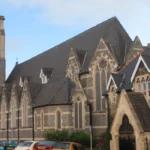
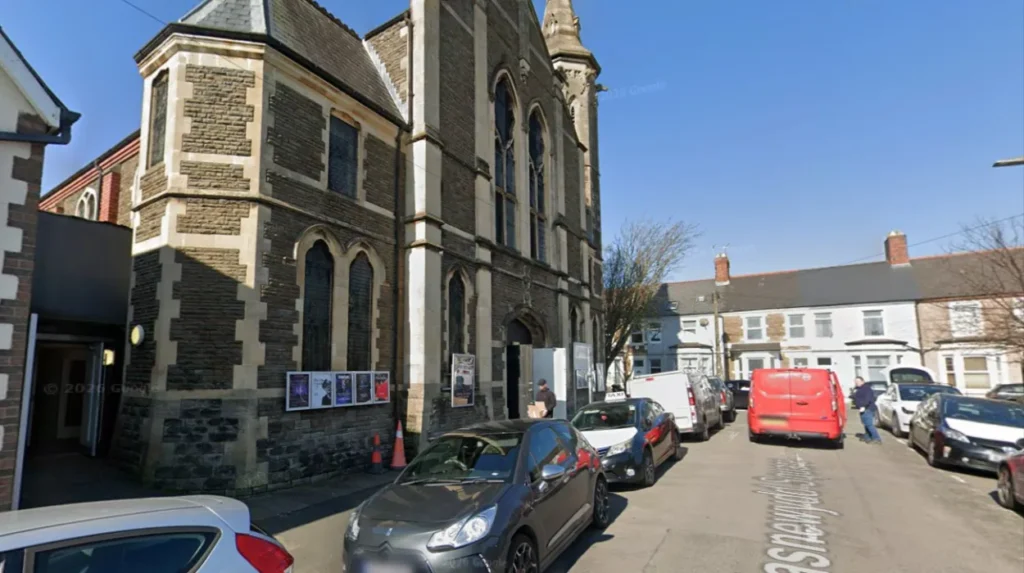
Housed within a meticulously converted Grade II listed Presbyterian church building originally constructed in 1895, The Gate Arts Centre acts as the primary institutional pillar for the local creative arts. The architectural preservation retains original architectural features, including soaring stained-glass windows and timber roof trusses, while integrating modern performance infrastructure. The multi-disciplinary facility contains a 350-capacity main auditorium, specialized dance studios, visual art gallery spaces, and multi-purpose cafe areas designed to host community forums.
Curated Programming and Community Engagement
The performance calendar at the arts center supports both professional touring companies and localized amateur ensembles. The venue provides regular, structured access to diverse performing arts categories:
- Contemporary theatrical productions, including new writing from Welsh playwrights.
- Musical performances, encompassing classical chamber recitals, indie rock showcases, and acoustic roots music.
- Educational community classes, consisting of youth theater academies, adult pottery workshops, and life drawing sessions.
- Multi-media screenings, comprising independent documentary films, foreign language cinema, and local student film exhibitions.
Independent Galleries and Public Street Art
Complementing the institutional footprint of the arts center, smaller commercial art galleries dot the residential intersections of the neighborhood. These spaces display rotating solo exhibitions from emerging artists graduating from the regional art academies. Concurrently, the physical fabric of the built environment features extensive street art murals. Local arts initiatives routinely commission visual artists to utilize blank brick end-terraces as large-scale canvases, transforming public backlanes into open-air visual galleries that document the modern political and cultural history of the city.
Explore More Area Guide
Catholic Churches in Roath Cardiff: St Peter’s Church Only Guide
Is Albany Road in Roath or Cathays? Clear ward boundaries explained
How Does Roath Park Contribute to Local Recreation and Culture?
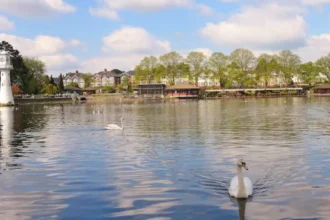
Roath Park contributes to local recreation and culture by providing 130 acres of structured Victorian parkland, featuring a 30-acre artificial boating lake, the Scott Memorial Lighthouse, a specialized botanic glasshouse, and diverse wildlife conservation zones.
Historical Heritage and Victorian Landscape Design
Opened to the public in 1894, Roath Park stands as one of the finest surviving examples of a late-Victorian civic parkland in the United Kingdom. The land was donated to the corporation by the Marquess of Bute, and its subsequent construction was engineered to alleviate urban flooding while establishing a formal recreational retreat for the industrial workforce. The design adheres to classic landscape principles, combining formal ornamental gardens with wild, uncultivated woodland areas to create a diverse spatial experience for visitors.
The Boating Lake and Scott Memorial Lighthouse
The central feature of the park infrastructure is the expansive 30-acre artificial reservoir, which supports a variety of aquatic recreational activities, including rowing and pedal boating. Positioned prominently on the northeastern shoreline is the iconic Scott Memorial Lighthouse, erected in 1915 to commemorate Captain Robert Falcon Scott and his crew who perished during the 1912 British Antarctic Expedition, which departed from Cardiff Port. The structure serves as both a critical historical monument and a primary visual landmark for the region.
The Conservatory and Horticultural Collections
The park houses an extensive, climate-controlled botanic glasshouse that contains a diverse collection of exotic, tropical, and sub-tropical plant species. The conservatory provides an educational environment where students and researchers examine specimens of palms, orchids, carnivorous plants, and aquatic flora. Externally, the formal rose gardens feature precisely mapped beds dedicated to trialing distinct cultivars, attracting horticultural enthusiasts from across the nation during the peak summer blooming periods.
What Are the Culinary and Dining Options in Roath?
The culinary and dining options in Roath encompass independent third-wave coffee roasters, traditional Welsh pubs, multi-ethnic restaurants, and specialized vegan eateries. These establishments form a dense gastronomic landscape that reflects the diverse cultural demography of Cardiff.
Third-Wave Coffee and Brunch Culture
The district is a primary incubator for independent specialty coffee roasters and artisanal breakfast venues. These establishments focus on direct-trade bean sourcing, precision brewing methodologies, and locally provisioned menus. The operators routinely collaborate with regional bakeries and dairies to reduce carbon footprints associated with ingredient transit. This culinary sub-sector functions as an extension of the modern remote-work environment, accommodating remote professionals and academics throughout the day.
International and Multi-Ethnic Gastronomy
The dining options along the main avenues offer an extensive array of international cuisines, establishing the neighborhood as a major food destination. Patrons can access authentic global cooking styles:
- Middle Eastern dining, including Lebanese mezze houses, Syrian bakeries, and Persian grill restaurants.
- South Asian culinary options, consisting of traditional Punjabi tandoori kitchens, Keralan street-food cafes, and classic Anglo-Indian curry houses.
- East Asian establishments, comprising Japanese ramen bars, authentic Cantonese dim sum venues, and Korean barbecue joints.
- Mediterranean eateries, encompassing traditional Italian trattorias, wood-fired pizzerias, and Greek tavernas.
Plant-Based and Sustainable Eating Trends
In response to growing environmental awareness and shifting consumer preferences, the local restaurant sector features a high density of fully plant-based and low-impact dining concepts. These businesses utilize seasonal Welsh produce to formulate innovative vegan interpretations of classic dishes. Many of these venues operate on strict zero-waste mandates, employing compostable packaging, eliminating single-use plastics, and diverting organic food waste into local anaerobic digestion systems to generate renewable energy.
What Architectural Styles Characterize the Roath District?
The architectural styles characterizing the Roath district are predominantly Victorian and Edwardian domestic revivalist. These styles manifest in red-brick and Pennant sandstone terraced housing, ornate civic buildings, and gothic revival ecclesiastical structures.
Domestic Terraced Architecture
The residential streets display a highly cohesive architectural pattern executed during the rapid urban development phases of the late 19th century. Builders relied on locally quarried Pennant sandstone for structural foundations and front elevations, accented with red bath stone or imported pressed brick window surrounds. The houses typically feature bay windows, decorative poly-chromatic brickwork bands, and intricate cast-iron railings bounding small front forecourts. This uniform building style gives the neighborhood its distinctive aesthetic and solid structural integrity.
Civic and Educational Institutional Structures
The public buildings erected during the expansion phase reflect the civic pride of the late-Victorian municipal authorities. Local schools, libraries, and public baths were constructed utilizing neo-classical or Queen Anne revival styles, which projected permanence and authority. These structures feature high ceilings, large sash windows designed to maximize natural light transmission, and ornamental terracotta crests depicting regional heraldry. Most of these historic buildings continue to fulfill civic or commercial functions today, demonstrating the versatility of their original designs.
Gothic Revival Ecclesiastical Architecture
The spiritual needs of the expanding Victorian population led to the construction of several imposing churches, designed primarily in the Gothic Revival style. These landmarks feature tall stone spires, lancet windows with intricate stone tracery, and heavy timber doors fitted with hand-forged ironmongery. The interior layouts often preserve expansive naves, arcade columns carved from natural stone, and historic pipe organs. These structures serve as important visual anchors within the low-rise residential landscape of the district.
How Does Roath Facilitate Community Events and Festivals?
Roath facilitates community events and festivals through grass-roots networks, including the annual Made in Roath arts festival. These initiatives utilize public spaces, private residences, and commercial venues to stage inclusive cultural exhibitions.
The Made in Roath Arts Festival
Established as a community-led arts initiative, the annual Made in Roath festival serves as the premier cultural event in the local calendar. The festival operates on an open-access policy, allowing both professional contemporary artists and local amateurs to exhibit works concurrently. The week-long programming deconstructs traditional gallery barriers by transforming everyday neighborhood spaces into temporary creative hubs, fostering direct public engagement with contemporary art practices.
Spatial Utilization and Novel Venues
The festival uses a decentralized spatial strategy that integrates art directly into the urban fabric. Exhibitions and events take place across varied settings:
- Private domestic spaces, including front gardens, living rooms, and residential windows utilized as mini-galleries.
- Commercial shopfronts, consisting of retail window displays, cafe walls, and local pub function rooms hosting poetry readings.
- Public outdoor areas, encompassing street corners, community allotments, and park clearings utilized for site-specific sculptural installations.
- Industrial backlanes, comprising garage spaces and workshops converted into temporary printmaking or performance studios.
What is Roath in Cardiff?
Roath is a historic district in northeastern Cardiff, Wales, known for its Victorian architecture, diverse population, independent businesses, cultural venues, and extensive green spaces. It developed from a medieval agricultural manor into a thriving urban suburb during Cardiff’s industrial expansion in the 19th century.