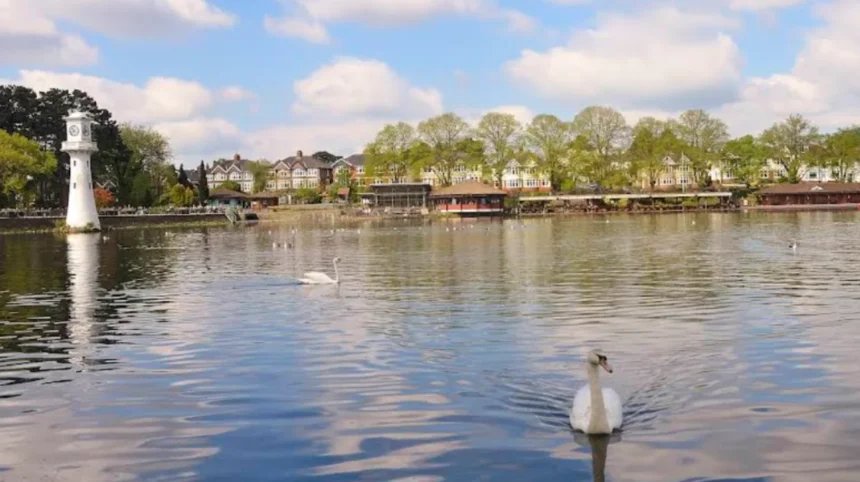
Roath Park is man-made in its park form, even though it contains natural watercourses, former marshland, planted landscapes, and mature trees. It was laid out as a late-Victorian public park between 1887 and 1894 on donated land in Cardiff, and its lake was created by damming the Nant Fawr on an area of marshland.
- What is Roath Park?
- Why is Roath Park considered man-made?
- What natural features are inside Roath Park?
- How was the lake created?
- What parts of the park were planned?
- The lake section
- The Botanic Garden area
- The recreation ground
- What is the historical background?
- Why does the park still matter today?
- Is Roath Park natural or artificial?
- Why that distinction matters
- Why Roath Park is a man-made landmark
What is Roath Park?
Roath Park is a large urban public park in Cardiff, registered for its historic interest as a fine example of a late-Victorian park. It was designed to provide recreation, sport, and education for residents of east Cardiff, and it remains one of the city’s best-known green spaces. The park occupies about 130 acres, or 52.7 hectares, on the flat valley floor of the Roath Brook.
Why is Roath Park considered man-made?
Roath Park is considered man-made because its main features were planned, engineered, planted, and constructed by people rather than formed entirely by nature. The park was laid out from 1887 to 1894 by William Harpur and William Wallace Pettigrew, and the land was donated by the Marquis of Bute and other landowners. The lake, promenade, dam, bridges, formal gardens, recreation ground, and paths are all designed landscape elements.
What natural features are inside Roath Park?
Roath Park contains natural and semi-natural elements, but these sit inside a designed park framework. The Roath Brook and Nant Fawr flow through the site, and the Wild Garden was left more or less untouched apart from paths, bridges, ponds, and planting. The site also includes mature trees, waterfowl islands, and areas that reflect the original marshy valley landscape.
How was the lake created?
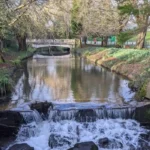
The lake is one of the clearest examples of human modification in Roath Park. It was formed by damming the Nant Fawr and creating a 29-acre lake from former marshland between 1889 and 1893. The dam supports a promenade, and the lake has long been used for boating, bathing, and wildlife habitat.
What parts of the park were planned?
Roath Park was divided into distinct planned sections, each with a specific function. These include the lake, the Wild Garden, the former Botanic Garden, the Pleasure Garden, the Recreation Ground, and the separate Llandennis Oval area. This structure shows deliberate civic planning rather than a naturally occurring landscape.
The lake section
The lake section contains the water body, promenade, islands for waterfowl, and the Scott Memorial lighthouse. It is the park’s most recognisable feature and the most obviously engineered part of the site. The lake also shaped the surrounding villa development that grew up to benefit from the park setting.
The Botanic Garden area
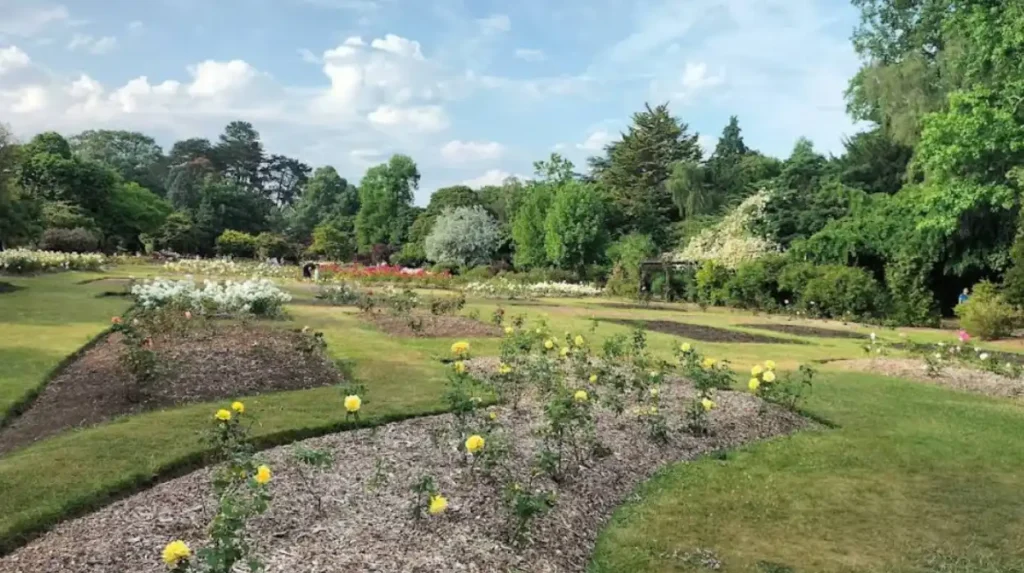
The former Botanic Garden was designed as an educational and horticultural space. It originally included formal planting, glasshouses, a fish hatchery, an aquarium, and garden areas intended for students and plant study. The current rose garden occupies part of this historic layout.
The recreation ground
The Recreation Ground was drained, levelled, and adapted for sports. Roath Brook was diverted along its edge so the land could function as a playing field. This is another clear example of landscape engineering for public use rather than a naturally preserved space.
What is the historical background?
Roath Park has strong Victorian civic history. Cardiff opened it to the public on 20 June 1894 after work began in the late 1880s. Cadw lists the main construction phase as 1887-94 and describes it as Cardiff’s first publicly owned park. The park was created during a period when urban authorities across Britain built public parks for health, leisure, and education.
Why does the park still matter today?
Roath Park still matters because it combines historic design, recreation, ecology, and city identity. It remains a public park with boating, walking routes, sports areas, and landscaped gardens. Its Grade I registration underlines its national importance as a historic designed landscape, not a natural wilderness.
Is Roath Park natural or artificial?
Roath Park is best described as a designed urban landscape with natural components inside it. The river, brook, trees, and former marshland are natural or semi-natural features, but the lake, gardens, dam, promenade, and park layout are artificial additions created by Victorian planners and engineers. In simple terms, the land and water sources are natural, but Roath Park itself is man-made.
Why that distinction matters
The distinction matters because it changes how the site is understood, protected, and used. A natural feature is preserved for its unmodified ecology, while a historic park is maintained as a designed cultural landscape with heritage value. Roath Park is managed as both a green space and a historic asset, which explains its formal gardens, conservation interest, and listed structures.
Why Roath Park is a man-made landmark
Roath Park is not a natural lake or an untouched valley. It is a Victorian public park built on a donated landscape, reshaped through drainage, damming, planting, and civic design, and opened to the public in 1894. That is why it is historically significant as a man-made landmark in Cardiff.
Is Roath Park man-made?
Yes, Roath Park is man-made in its park form. While it contains natural features such as streams, former marshland, and mature trees, the park itself was designed, engineered, and laid out as a Victorian public park between 1887 and 1894.