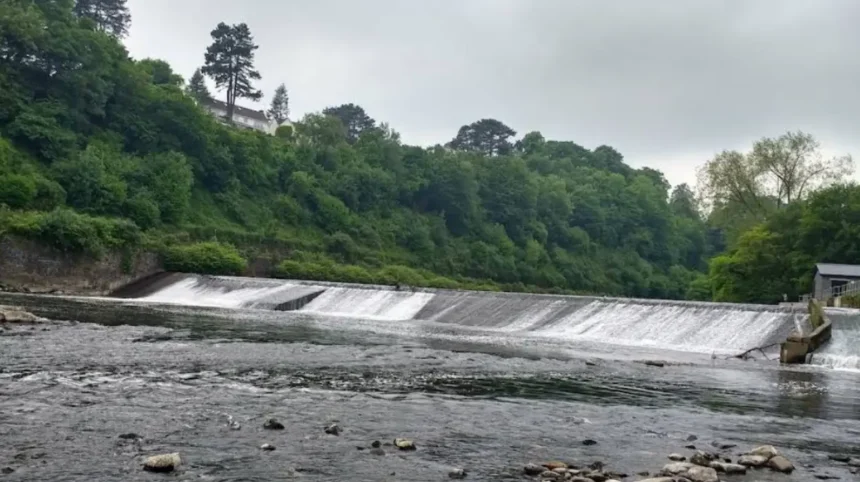
Forest Farm Nature Reserve is a 28.75‑hectare (71.05‑acre) Site of Special Scientific Interest (SSSI) on the north‑western edge of Cardiff, blending ancient woodland, a disused section of the 1790 Glamorganshire Canal, River Taff frontage, wetlands, and a Taff Trail walking route into one accessible urban nature reserve visited for wildlife, walking, cycling, and family activities.
- What is Forest Farm Nature Reserve?
- Where is Forest Farm Nature Reserve and how do you get there?
- What habitats does Forest Farm Nature Reserve contain?
- Which wildlife can you see at Forest Farm Nature Reserve?
- What can you do at Forest Farm Nature Reserve?
- How long does it take to explore Forest Farm Nature Reserve?
- When is the best time to visit Forest Farm Nature Reserve?
- Who manages Forest Farm Nature Reserve and how is it conserved?
- What historical features are at Forest Farm Nature Reserve?
- How does Forest Farm Nature Reserve connect to wider Cardiff green space networks?
- What should visitors know before going to Forest Farm Nature Reserve?
This evergreen guide explains what Forest Farm is, how to get there, what habitats and wildlife you can expect, what you can do on site, and how local volunteers and Cardiff Council manage the reserve for long‑term conservation.
What is Forest Farm Nature Reserve?
Forest Farm Nature Reserve is a 28.75‑hectare country park and SSSI in Whitchurch, Cardiff, managed by Cardiff Council with volunteer support from the Friends of Forest Farm, combining ancient beech and oak woodland, wetland, canal heritage, and River Taff banks into a publicly accessible urban nature reserve.
Forest Farm Country Park sits on the banks of the River Taff just south of the M4 motorway, close to the A470 Northern Avenue. The site includes woodland, scrub, a hay meadow, ponds, marshland, and sections of the former Glamorganshire Canal. It is also a designated “Cardiff Council Wood” under the Woodland Trust network, with a grid reference of ST13878085.
The reserve functions as both a conservation area and a community hub. The Forest Farm Conservation Centre houses Cardiff Council’s Community Park Ranger Service and acts as a base for environmental volunteering across the city’s parks and green spaces. The Friends of Forest Farm run an activity programme, including guided walks and conservation work, and share updates via the “Wild about Cardiff” Facebook page.
Where is Forest Farm Nature Reserve and how do you get there?
Forest Farm Nature Reserve is located at Forest Farm Road, Whitchurch, Cardiff CF14 7JH, with free parking near the end of Forest Farm Road or on Longwood Drive, and access by foot, bike, bus, or train via Radyr and Coryton stations.
The reserve is in north‑western Cardiff, close to the A470 and M4 Junction 32 (Coryton Interchange). On foot or by bike, the site sits directly on the Taff Trail and National Cycle Route 8, making it a natural stop for long‑distance walkers and cyclists heading towards or away from the city centre.
By public transport, two train stations serve the area: Radyr and Coryton. Two convenient bus routes also connect the park: route 24 (to Velindre) and route 63 (to Radyr). If you arrive by car, you can park in the free car park near the end of Forest Farm Road, or park on Longwood Drive and walk across to the reserve. An alternative option is to park in Radyr and walk across the station bridge to reach the Taff Trail and the park.
The official address is: Forest Farm Country Park, Forest Farm Road, Whitchurch, Cardiff CF14 7JH. The What3Words code is ///hidden.short.door, which some navigation apps can use for precise location targeting.
What habitats does Forest Farm Nature Reserve contain?
Forest Farm contains ancient beech and oak woodland, a hay meadow, scrub, ponds, marshland, wetland feeder streams, the River Taff, and a surviving section of the 1790 Glamorganshire Canal, forming a mosaic of habitats that support a diverse range of wildlife.
The Longwood section of the park is a Site of Special Scientific Interest (SSSI) noted as one of the most westerly beechwoods in the UK. This ancient woodland, together with oak trees, provides a structural backbone for the reserve’s ecosystem and supports specialised birds, insects, and fungi.
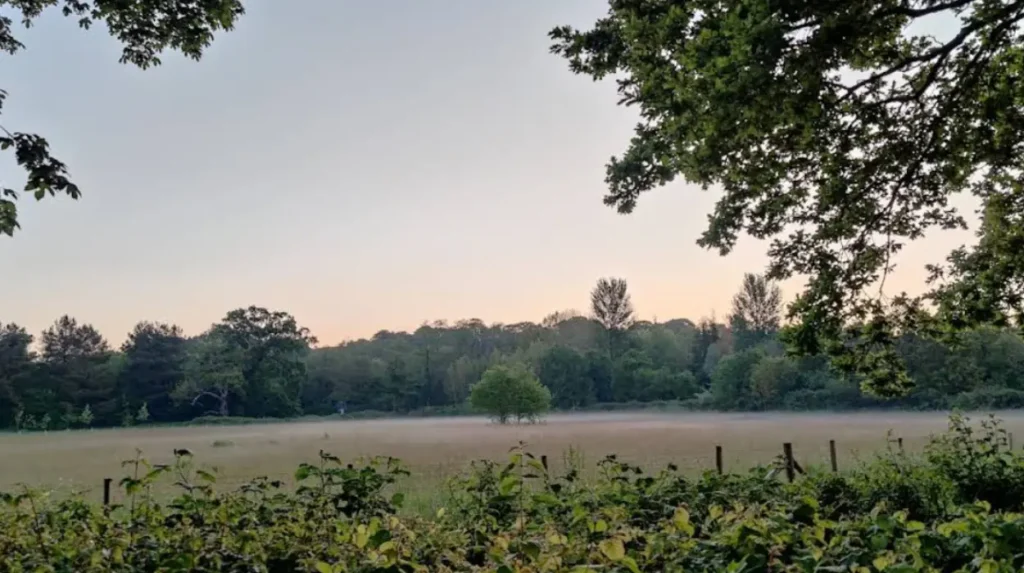
The site also includes a restored hay meadow, which offers seasonal colour and supports pollinators and grassland insects. Scrub areas and wetland habitats around ponds and marshland create breeding and feeding grounds for birds, amphibians, and invertebrates. Streams and feeder waterways link the ponds and marshes to the River Taff, maintaining water quality and connectivity for species such as kingfishers, herons, and otters.
Which wildlife can you see at Forest Farm Nature Reserve?
Forest Farm is noted for its bird life, including kingfishers, herons, sparrowhawks, mallards, moorhens, coots, and sparrowhawks, alongside dragonflies, grass snakes, foxes, otters, and a healthy population of insects and other flora and fauna.
Kingfishers are among the most sought‑after species at Forest Farm, particularly around the bird hides and canal sections where they hunt over clear water. Herons and sparrowhawks also use the wetlands and woodland edges, while otters have been recorded in the River Taff and associated waterways.
Dragonflies are regularly seen in the warmer months, especially around the ponds and marshes. Other typical birds include mallards, moorhens, and coots, which frequent the open water and canal sections. Reptiles such as grass snakes and mammals such as foxes are also present, contributing to the reserve’s varied wildlife profile.
What can you do at Forest Farm Nature Reserve?
Visitors can walk the Taff Trail, cycle National Cycle Route 8, use bird hides, explore the disused canal and orchard, follow the Wildlife Explorer Trail, visit the nature play area, join ranger activities, and take guided walks with the Friends of Forest Farm.
Walking and cycling are the core activities. The Taff Trail runs through the site, offering flat, easy paths suitable for families, while National Cycle Route 8 provides a longer network for experienced cyclists. Several walking routes are mapped in the main car park, so visitors can choose short loops or longer circuits that follow the feeder stream, canal, and river.
Bird hides near the main farm and along the feeder stream are popular with wildlife photographers, especially for kingfishers. The orchard and small wildlife pond near the farm add further interest for casual walkers and nature beginners. For families, the nature play area includes a wooden obstacle course of balance beams and stepping stones, carved wooden insects such as a snail and dragonfly, and a woven wicker tunnel.
The Wildlife Explorer Trail is designed for children, with a downloadable leaflet that encourages exploration and learning about local species and habitats. Community Rangers and the Friends of Forest Farm organise guided walks, conservation volunteering, and activity programmes, with updates posted on the “Wild about Cardiff” Facebook page and the Friends of Forest Farm website.
How long does it take to explore Forest Farm Nature Reserve?
A relaxed family visit with stops at the play area, bird hides, and canal typically takes 1–2 hours, while a full Taff Trail circuit that includes the feeder stream, canal, and river can take 2–3 hours depending on pace and stops.
Short visits focus on the main car park area, farm, orchard, wildlife pond, and nearby bird hides. Families often combine the play area with a brief walk along the feeder stream and a return to the car park.
Longer walks use the full network of paths mapped in the car park. These circuits take you past the farm, over the feeder stream, through the bird hides, along the disused canal, and then across to the River Taff to follow the Taff Trail back to the start. Such routes are flat and suitable for all ages, but require more time and often a drink or snack for a comfortable experience.
When is the best time to visit Forest Farm Nature Reserve?
Forest Farm is open 24 hours a day, 7 days a week, but the best times for wildlife and comfortable walking are spring and summer mornings and late afternoons when birds and insects are most active and light is favourable for photography.
Spring brings new growth in the woodland and meadow, with flowering plants and early insect activity. Summer offers the highest visibility of dragonflies, kingfishers, and other birds, and warm conditions that make the play area and longer walks more enjoyable.
Autumn provides strong colours along the canal and river, with reflections in the clear water that are popular with photographers. Winter visits are quieter and can reveal bare woodland structure and winter bird species, though some bird hides may be subject to vandalism or damage, so availability can vary.
Who manages Forest Farm Nature Reserve and how is it conserved?
Forest Farm is owned and managed by Cardiff Council, with the Forest Farm Conservation Centre housing the Community Park Ranger Service, and the Friends of Forest Farm providing volunteer support for conservation work, guided walks, and activity programmes.
Cardiff Council maintains the paths, signage, and overall infrastructure of the park, while Rangers lead environmental volunteering and community engagement activities across the city’s green spaces. The Friends of Forest Farm are a volunteer group dedicated to looking after the site, organising conservation work, and running an activity programme that includes guided walks and educational events.
The reserve’s status as an SSSI and a designated “Cardiff Council Wood” means it receives formal recognition for its ecological value and is managed with long‑term conservation objectives. This includes protecting the ancient beech and oak woodland, maintaining the hay meadow, and preserving the historical canal sections and Melingriffith Waterpump on the southern edge of the park.
What historical features are at Forest Farm Nature Reserve?
Forest Farm contains remains of the old Melingriffith tin plate works and Cardiff Railway, sections of the 1790 Glamorganshire Canal, and the restored Melingriffith Waterpump, reflecting the area’s industrial past alongside its natural landscape.
The Glamorganshire Canal was built in 1790 to transport iron and coal from the valleys to Cardiff Docks. Only the sections visible at Forest Farm survive today, and they are designated as part of the Glamorganshire Canal Local Nature Reserve. These canal segments are now overgrown and used by wildlife, but their structure and path are still clearly visible.
The Melingriffith Waterpump, located to the south of the reserve, is a restored industrial relic that marks the former presence of the Melingriffith tin plate works and associated railway infrastructure. The site was farmland for more than 1,000 years until 1979, and since 1981 it has been developed as a conservation centre rather than returning to intensive agriculture or redevelopment.
Explore More Area Guide
Comprehensive Caerphilly Road Shopping Guide: Discover Top Independent Retailers In Cardiff
The Complete Cyncoed Road Local Guide: Property, Schools, and Transport
How does Forest Farm Nature Reserve connect to wider Cardiff green space networks?
Forest Farm is a key link in Cardiff’s Taff Trail and National Cycle Route 8 networks, connecting the city to Radyr, Whitchurch, and further valleys routes, while also serving as a hub for city‑wide environmental volunteering through the Community Park Ranger Service.
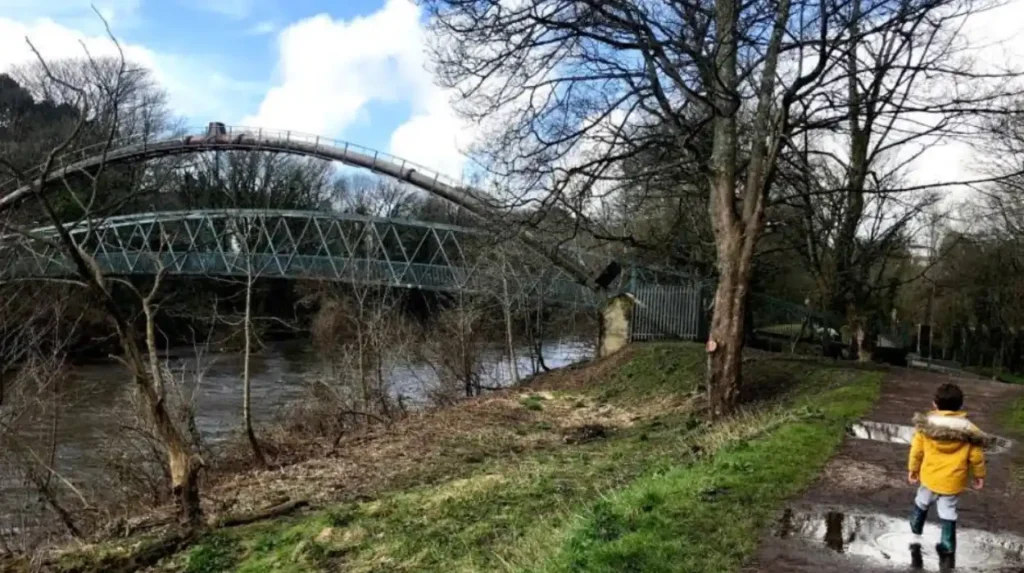
The Taff Trail runs through the reserve, allowing walkers and cyclists to continue north towards Radyr and south towards the city centre and beyond. National Cycle Route 8 provides a longer regional network that uses Forest Farm as a convenient stop for urban and semi‑rural travel.
The Forest Farm Conservation Centre acts as a hub site for environmental volunteering across Cardiff’s parks and green spaces. Rangers and volunteer groups coordinate activities not only at Forest Farm but across the city, helping to build a network of community‑led conservation and education. This makes Forest Farm not just a local nature reserve but also a strategic node in Cardiff’s broader green infrastructure.
What should visitors know before going to Forest Farm Nature Reserve?
Forest Farm is open 24 hours a day, 7 days a week, with free parking, dog‑friendly paths, and multiple entry points, but visitors should check for temporary trail closures or bird‑hide damage and be aware that some areas may be quieter or less maintained after dark.
The park is frequently visited by walkers, birdwatchers, and dog walkers, so paths are generally well used during daylight hours. Bird hides are popular with photographers but can suffer from vandalism and occasional burning, so their condition may vary depending on recent events.
There is no entry fee, and parking is free near the end of Forest Farm Road or on Longwood Drive. Dogs are allowed on the paths, but visitors should keep them under control near wildlife areas and wetlands. For the safest and most enjoyable visit, aim for daylight hours, bring water and snacks for longer walks, and check the “Wild about Cardiff” Facebook page or Friends of Forest Farm website for updates on ranger activities and any site notices.
What is Forest Farm Nature Reserve?
Forest Farm Nature Reserve is a 28.75-hectare (71.05-acre) country park and Site of Special Scientific Interest (SSSI) in Whitchurch, Cardiff. Managed by Cardiff Council with support from the Friends of Forest Farm, it combines ancient woodland, wetlands, the River Taff, the historic Glamorganshire Canal, and family-friendly walking and cycling routes within an accessible urban nature reserve.