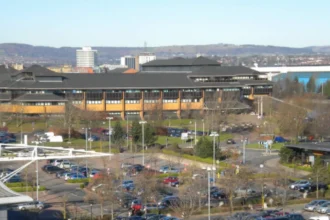
Average income in Cardiff varies significantly between neighbourhoods because earnings are influenced by employment sectors, education levels, housing markets, and local economic conditions. Official statistics measure income through wages, household disposable income, and earnings by residence.
Cardiff is the capital city of Wales and the largest urban economy in the country. The city contains diverse communities ranging from high-income residential areas such as Cyncoed, Lisvane, and Radyr to areas with lower average household incomes, including parts of Ely, Caerau, and Butetown.
Income measurement in Cardiff uses several indicators. The Office for National Statistics (ONS) provides data on gross pay, median weekly earnings, and gross disposable household income. These indicators show the financial position of residents after considering employment patterns, taxes, benefits, and household circumstances.
Average income is not evenly distributed across Cardiff. Areas with higher proportions of professional workers, executives, university graduates, and business owners generally record higher earnings. Neighbourhoods close to employment centres, quality schools, and higher-value housing markets often show stronger income levels.
Cardiff’s economy is supported by government services, finance, technology, education, healthcare, creative industries, and tourism. The presence of institutions such as the Welsh Government, Cardiff University, and major financial companies creates a concentration of skilled employment.
The city’s income profile reflects both its role as a capital city and the wider economic differences found across urban areas in Wales.
How is average income measured in Cardiff?
Average income in Cardiff is measured through earnings data, household disposable income statistics, and local area income estimates. These measurements include wages from employment, income after taxes, and household financial resources.
Income statistics are produced using different methods because individual salaries do not fully describe household financial conditions.
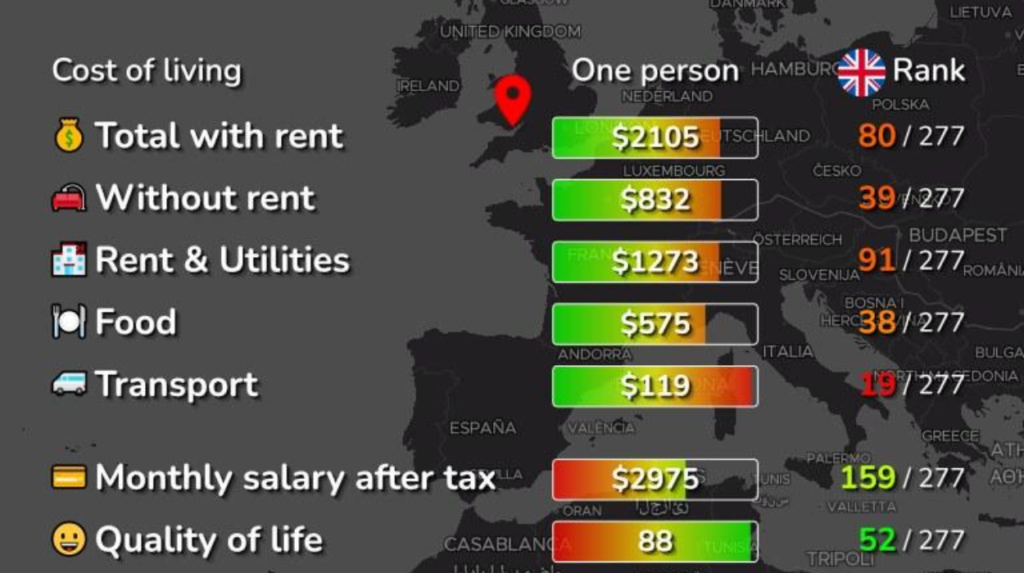
The main income measurements include:
Gross earnings
Gross earnings represent income before deductions such as income tax, National Insurance contributions, and pension payments. The Annual Survey of Hours and Earnings (ASHE), produced by the ONS, measures employee pay across different locations.
For Cardiff residents, earnings data show the typical income level of people living in the area. The 2025 labour market profile recorded median gross weekly pay for full-time workers in Cardiff at approximately £712.
Disposable household income
Disposable household income measures money available after taxes and benefits. It reflects the resources households can use for spending and saving.
The ONS produces small-area income estimates using statistical modelling for neighbourhood-level comparisons. These estimates allow researchers to examine income differences between smaller Cardiff communities.
Workplace earnings
Workplace earnings measure income based on where jobs are located rather than where employees live.
This distinction matters because Cardiff attracts commuters from surrounding areas including the Vale of Glamorgan, Newport, and Caerphilly.
A person working in Cardiff city centre but living outside the city boundary contributes to Cardiff’s workplace economy but not necessarily to resident income statistics.
Which Cardiff areas have the highest average incomes?
Higher-income Cardiff areas include Cyncoed, Lisvane, Radyr, Rhiwbina, and parts of Llandaff because these neighbourhoods have higher property values, professional employment levels, and greater concentrations of skilled workers.
Income differences between Cardiff neighbourhoods are connected to housing markets, occupation patterns, and educational attainment.
Cyncoed
Cyncoed is one of Cardiff’s most affluent residential districts. The area contains large family homes, strong school catchment areas, and a high proportion of professional households.
Residents commonly work in sectors such as finance, healthcare, education, law, management, and public administration.
The area’s property market reflects higher household purchasing power compared with many other Cardiff communities.
Lisvane
Lisvane is located in north Cardiff and is recognised for its suburban environment, green spaces, and high-value housing.
The area attracts professionals and families seeking access to Cardiff while maintaining a lower-density residential setting.
Higher household incomes are linked to employment in skilled occupations and established professional careers.
Radyr
Radyr is a western Cardiff suburb with a strong commuter profile. The area has higher levels of owner-occupied housing and a large number of households with stable employment.
Its connection to Cardiff city centre through rail services supports residents working in central business districts.
Rhiwbina
Rhiwbina combines suburban housing, local amenities, and access to employment areas. The neighbourhood has many households working in professional and managerial roles.
Income levels are supported by educational attainment and employment stability.
Llandaff
Llandaff is a historic Cardiff district with a mixture of traditional housing, independent businesses, and professional residents.
Its proximity to Cardiff University, schools, and city employment areas contributes to its economic profile.
Explore more Area Guide
Local Florists in Penylan Guide – Penylan 2026
Which Cardiff areas have lower average incomes?
Lower average incomes in Cardiff are concentrated in some communities with higher levels of social housing, lower-paid employment, and economic disadvantage. Areas include parts of Ely, Caerau, Splott, Tremorfa, and Butetown.
Income variation between neighbourhoods reflects long-term economic conditions, employment opportunities, and access to education.
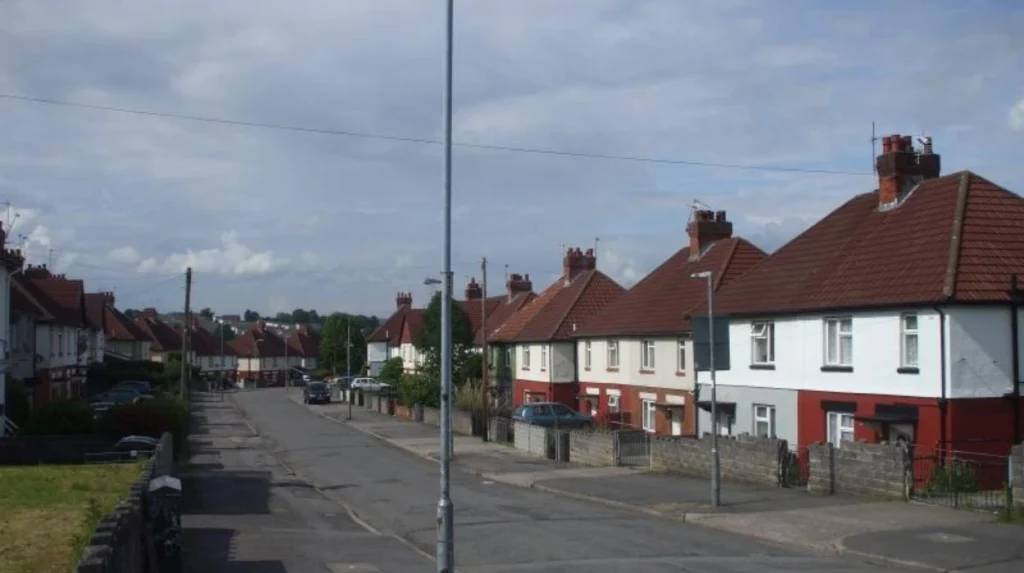
Ely and Caerau
Ely and Caerau are located in western Cardiff and contain communities with historically lower household incomes.
These areas have experienced regeneration programmes focused on improving housing, employment opportunities, skills development, and community facilities.
Butetown
Butetown is a historic docklands district located near Cardiff Bay.
The area has undergone major regeneration since the transformation of former industrial docklands into a modern business, cultural, and residential district.
Despite regeneration investment, income levels vary within the area because of differences between established communities and newer developments.
Splott and Tremorfa
Splott and Tremorfa developed historically around industrial employment connected to Cardiff’s docks and manufacturing industries.
Economic restructuring reduced traditional industrial employment opportunities. Current employment patterns include retail, services, logistics, healthcare, and public sector jobs.
What factors influence income differences across Cardiff?
Income differences across Cardiff are influenced by employment sectors, education levels, housing markets, demographic patterns, and access to economic opportunities. These factors create different income profiles between neighbourhoods.
Employment opportunities
Cardiff has a diverse economy with major employment sectors including:
- Public administration, including Welsh Government services.
- Financial services, including insurance and banking.
- Healthcare, including NHS Wales employment.
- Education, including universities and research institutions.
- Digital industries, including technology companies.
Areas with higher concentrations of professional workers generally record stronger income levels.
Education and skills
Education has a strong relationship with earnings. Cardiff has several major educational institutions, including Cardiff University and Cardiff Metropolitan University.
ONS labour market data shows Cardiff has a high proportion of residents with higher-level qualifications. Around 60.6% of Cardiff residents aged 16–64 held qualifications at RQF Level 4 or above in the latest labour market profile.
Higher qualifications are associated with access to professional occupations and higher salary levels.
Housing markets
Property values influence income patterns because higher-income households often live in areas with more expensive housing.
Neighbourhoods with larger detached homes and higher property prices typically attract households with greater financial resources.
Transport connections
Areas with strong transport links to Cardiff city centre and employment zones often attract working professionals.
Rail connections, bus routes, and road access influence residential choices and commuting patterns.
What is the average income in Cardiff?
The average income in Cardiff depends on the measurement used, including salary earnings, household income, and disposable income. Full-time workers in Cardiff earn around the national average for Wales, with significant differences between neighbourhoods.
Cardiff’s income levels are influenced by employment sectors, education, housing markets, and economic opportunities. Professional areas generally record higher earnings, while communities with greater economic challenges have lower average household incomes.