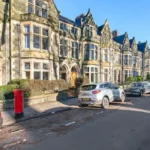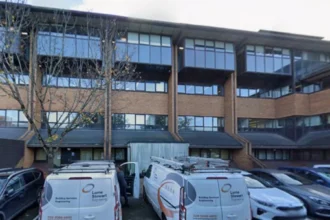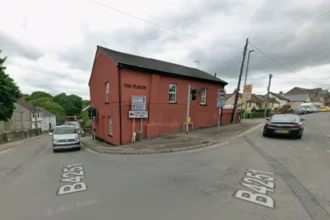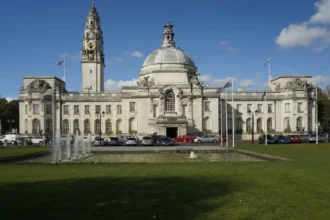
Pontcanna is one of Cardiff’s strongest examples of a neighbourhood where Victorian and Edwardian architecture, historic streets, public parks and later urban development exist within a closely connected landscape. Its architectural character is particularly important around Cathedral Road, Pontcanna Street, Sophia Gardens and the surrounding residential streets.
- What is conservation architecture in Pontcanna?
- How did Pontcanna develop into a historic residential district?
- Why is Victorian architecture important in Pontcanna?
- Which architectural features define Pontcanna’s historic buildings?
- How does the Bute Estate influence Pontcanna architecture?
- What role does Cathedral Road play in Pontcanna’s conservation architecture?
- What makes Pontcanna Street important to conservation architecture?
- How important are Sophia Gardens and Pontcanna Fields to architectural conservation?
- Which historic buildings and structures demonstrate Pontcanna’s architectural heritage?
- What materials are important when conserving Pontcanna buildings?
- What rules apply when altering historic buildings in Pontcanna?
- How should homeowners conserve Victorian and Edwardian properties in Pontcanna?
- How should new development respond to Pontcanna’s historic architecture?
- How does conservation architecture affect planning applications in Pontcanna?
- Why are boundary walls and front gardens important in Pontcanna?
- How does sustainable conservation apply to Pontcanna’s historic buildings?
- What is the future of conservation architecture in Pontcanna?
- Why does conservation architecture matter to Cardiff?
A key distinction is important. Pontcanna is not itself listed by Cardiff Council as a separate conservation area. Much of its heritage character is associated with the Cathedral Road Conservation Area, designated in 1972 and amended in 2007, which includes parts of Pontcanna and the historic open spaces of Sophia Gardens and Pontcanna Fields. Cardiff’s planning framework also identifies other nearby conservation areas, including Conway Road.
The result is a neighbourhood where conservation architecture is understood through buildings, street layouts, boundary walls, landscaping, historic parks and the relationship between private development and public space.
What is conservation architecture in Pontcanna?
Conservation architecture in Pontcanna means protecting and managing buildings, streetscapes, materials, landscapes and architectural details that contribute to the area’s historic and architectural significance while allowing appropriate modern use.
Conservation architecture is not simply the preservation of old buildings. It is a planning and design approach that manages change while retaining the features that give a historic area its identity.
Cardiff Council defines conservation areas as places of special architectural or historic interest. Their character extends beyond individual buildings to include road layouts, street scenes, trees and green spaces. Designation provides additional planning controls over demolition, development and trees.
In Pontcanna, this approach is especially relevant because architectural character is distributed across groups of buildings rather than concentrated in one monument.
The Cathedral Road Conservation Area was designated in 1972. The 2007 appraisal describes it as containing some of the best examples of Victorian and Edwardian architecture in Wales. Its boundary includes most of Cathedral Road, adjoining streets, Sophia Gardens and Pontcanna Fields.
This creates an important distinction between conservation architecture and listed-building protection. A conservation area protects the character and appearance of an area as a whole. Listing protects individual buildings or structures of special architectural or historic interest.
How did Pontcanna develop into a historic residential district?
Pontcanna developed from open farmland into an urban neighbourhood mainly during Cardiff’s nineteenth-century expansion, with major residential growth occurring during the Victorian and Edwardian periods alongside the development of Cathedral Road and surrounding streets.
The historical development of Pontcanna explains the architectural pattern visible today.
The name Pontcanna is connected with Pont Canna Farm and an earlier bridge over the Whitehouse Brook. Cardiff Council records that the brook once ran between Llandaff Fields and Riverside and that the bridge was associated with the area now around Teilo Street and Cathedral Road. The brook was covered and the bridge removed in 1896.
Pontcanna remained largely open farmland until the late nineteenth century. Cathedral Road was previously known as Pontcanna Lane, linking agricultural properties including Plasturton Farm and Pontcanna Farm.
The transformation accelerated as Cardiff expanded during the nineteenth century.
The development of large residential streets reflected increasing demand for housing close to Cardiff’s expanding commercial centre. Cathedral Road became a particularly important route through the developing district.
The architectural result was a mixture of substantial Victorian houses, terraces, villas, professional premises and supporting buildings. These structures were planned within a broader street and landscape framework rather than as isolated architectural objects.
Why is Victorian architecture important in Pontcanna?
Victorian architecture is central to Pontcanna’s heritage because the neighbourhood developed rapidly during Cardiff’s nineteenth-century expansion, producing substantial terraces, villas, Gothic Revival buildings, stone boundary walls, decorative façades and carefully planned streets.
The Victorian period shaped much of Pontcanna’s architectural identity.
The Cathedral Road Conservation Area Appraisal describes the area as an attractive late Victorian and Edwardian district. It identifies Cathedral Road as containing particularly strong examples of Victorian housing and notes the influence of the Bute Estate and its architectural approach.
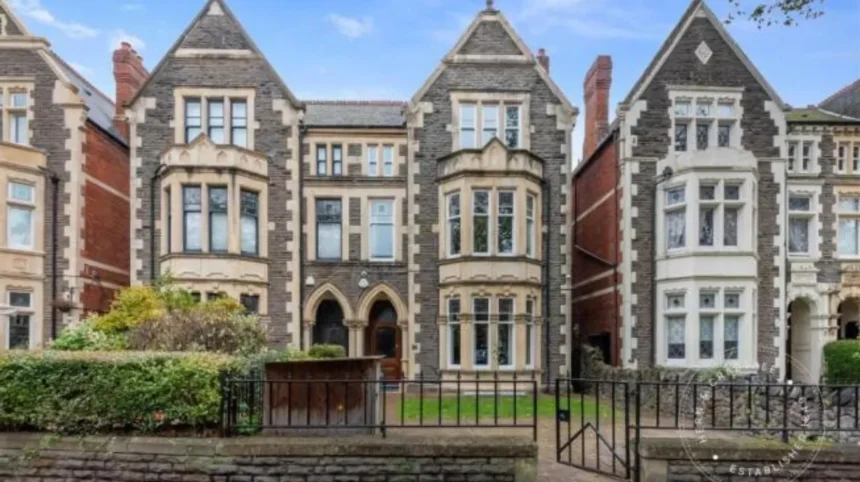
Common architectural characteristics include substantial masonry façades, vertically proportioned windows, projecting bays, decorative gables, pitched roofs and carefully designed entrances.
Materials are also significant.
The appraisal identifies widespread use of Pennant sandstone, including paving, kerbs and low boundary walls. Pennant sandstone contributes texture and continuity to the streetscape.
Many buildings also use contrasting materials and architectural detailing. Bath stone dressings appear around openings and decorative elements, creating visual contrast against darker masonry.
These details form part of the architectural significance of the streets. Removing them from individual properties can affect the collective appearance of the wider neighbourhood.
Which architectural features define Pontcanna’s historic buildings?
Pontcanna’s historic buildings are defined by masonry façades, sash windows, pitched roofs, decorative gables, bay windows, stone boundary walls, traditional doors, chimneys, architectural proportions and established building lines along historic streets.
The architectural value of Pontcanna is strongly connected to detail.
Windows are particularly important. Historic sash windows, glazing patterns, timber frames and traditional proportions contribute to the rhythm of terraces and villas.
Roofs also form an important part of the streetscape. Decorative ridge tiles, finials, bargeboards and gable treatments are identified in Cardiff’s conservation guidance as features that should be retained and repaired where they survive.
Building entrances contribute another layer of character. Traditional doors, fanlights, stone surrounds and entrance steps establish a visual relationship between private houses and public streets.
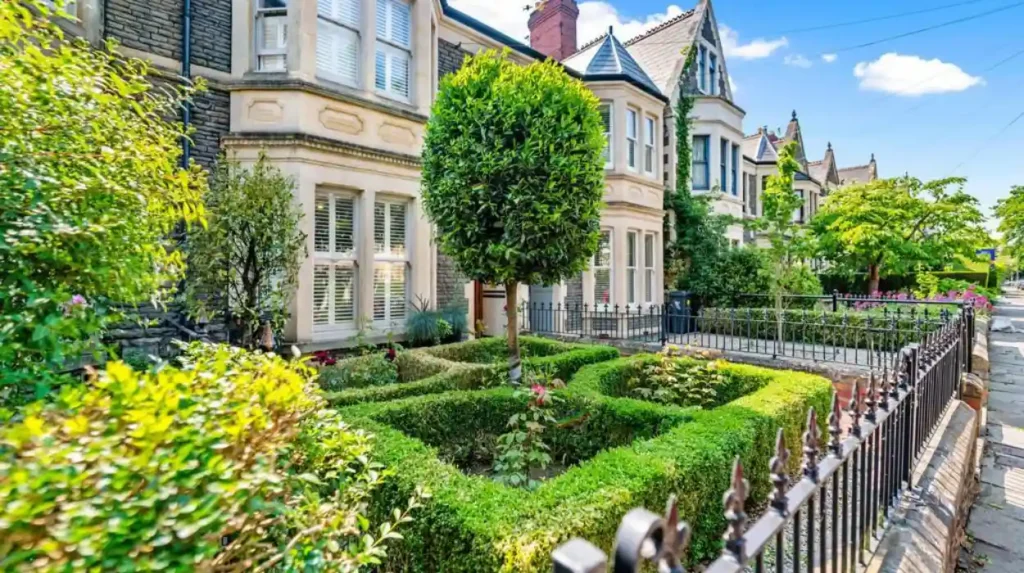
Boundary walls are equally important. They define front gardens, establish plot boundaries and create continuity between neighbouring properties.
The 2007 appraisal specifically identifies plot widths, boundary walls, building lines and the rhythm created by these elements as important characteristics for conservation management.
This means that conservation architecture is concerned with the entire composition of a property rather than only its main façade.
How does the Bute Estate influence Pontcanna architecture?
The Bute Estate influenced Pontcanna through land ownership, urban development and architectural design, helping establish the grand Victorian character of Cathedral Road and the relationship between residential streets, parks, gateways and landscaped spaces.
The Bute Estate was associated with the Marquesses of Bute, whose influence shaped major parts of Cardiff’s nineteenth-century development.
The Cathedral Road Conservation Area Appraisal identifies the significance of the Bute family and estate, including links with architects William Burges and William Corbett, and the wider Cardiff Castle project.
The Bute influence is visible through the scale and architectural ambition of buildings along Cathedral Road.
The appraisal refers to a flamboyant Gothic Revival approach in parts of the street. Gothic Revival architecture is a nineteenth-century architectural movement that drew on medieval forms, including pointed arches, steep roofs, decorative gables, tracery and elaborate masonry.
Not every building in Pontcanna follows a pure Gothic Revival design. The area’s character comes from a broader Victorian and Edwardian architectural mixture.
The estate’s influence also extended beyond buildings. Gateways, boundary walls, park entrances and landscaped spaces helped establish a visual hierarchy between residential development and public landscape.
What role does Cathedral Road play in Pontcanna’s conservation architecture?
Cathedral Road is a principal heritage corridor in Pontcanna, combining late Victorian and Edwardian buildings, mature landscaping, established building lines, historic boundaries and connections with Sophia Gardens and Pontcanna Fields.
Cathedral Road is one of the most important architectural streets in the district.
The conservation appraisal describes the section north-west of Sophia Close as predominantly residential, with professional offices and clinics also present. It identifies this section as containing some of Cardiff’s best Victorian housing examples.
The street’s importance comes from its collective character.
Individual houses contribute to a continuous architectural rhythm. Their heights, setbacks, front gardens, windows, roofs and boundary treatments create a coherent streetscape.
The appraisal also identifies pressure associated with parking, rear garden development, signage, changes of use and servicing. These pressures matter because alterations that appear small on an individual property can cumulatively change the character of the street.
Modern development therefore requires careful attention to scale, massing, plot arrangement, materials and architectural detail.
What makes Pontcanna Street important to conservation architecture?
Pontcanna Street is an important mixed-use historic area because its local centre retains traditional shopfronts, fascias, street trees and a relationship with surrounding residential architecture while continuing to serve modern community and commercial functions.
Pontcanna Street demonstrates that conservation architecture applies to commercial buildings as well as residential properties.
The Cathedral Road appraisal identifies Pontcanna Street as a busy local centre containing cafés, restaurants and shops. It also notes that the terrace retains good shopfronts and fascias, while street trees contribute to the area’s character.
Traditional shopfronts are valuable because they preserve the historic relationship between buildings and the street.
Shopfront proportions, fascia boards, entrances, pilasters and display windows influence the pedestrian environment.
Modern signage needs to respect the scale and architectural detailing of the host building. Oversized signs, excessive illumination and poorly positioned street furniture can obscure historic features.
Conservation therefore does not require Pontcanna Street to function as a museum. It requires new commercial activity to operate within the established architectural framework.
How important are Sophia Gardens and Pontcanna Fields to architectural conservation?
Sophia Gardens and Pontcanna Fields are essential parts of Pontcanna’s heritage setting because historic buildings, mature landscapes, public routes and open spaces form one connected cultural landscape beside the River Taff.
Architecture in Pontcanna cannot be understood separately from its parks.
Sophia Gardens is registered by Cadw as a Grade II historic park and garden. It was designated in 2022 and has major historical associations with the Bute Estate. Its principal development took place between 1858 and 1901.
Sophia Gardens is particularly significant because it was Cardiff’s first public park and is described by Cadw as the earliest public park in Wales.
Pontcanna Fields and Llandaff Fields form another major heritage landscape. Cadw registered the combined landscape as Grade II* in 2022. The principal development phases recorded by Cadw are 1879 and 1899–1901.
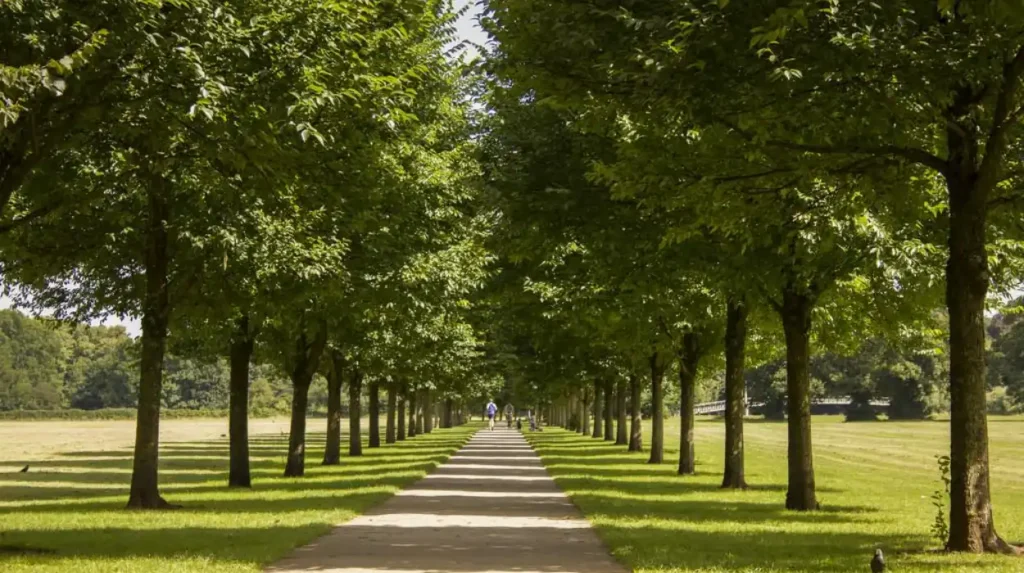
The parkland contains a major axial lime avenue. Cadw describes the landscape as a well-preserved central urban public park and identifies its relationship with Sophia Gardens and Bute Park as an important part of its historic interest.
These landscapes provide the setting for surrounding architecture and preserve historic patterns of movement, views and open space.
Which historic buildings and structures demonstrate Pontcanna’s architectural heritage?
Pontcanna’s heritage includes Victorian houses, historic commercial buildings, former service buildings, boundary structures, park features and listed structures that demonstrate the neighbourhood’s residential, social, economic and landscape history.
A particularly useful example is the K6 telephone kiosk in the central gardens.
Cadw records the structure as a Grade II listed building, designated on 18 December 1989. The kiosk is a standard K6 design associated with architect Giles Gilbert Scott, and Cadw identifies its heritage location as part of the reason for designation.
Another important example is the historic building associated with the former fulling mill near the northern end of Pontcanna Fields.
Cadw records the building as an early-to-mid nineteenth-century structure shown on the 1846 Tithe Map. It originally formed part of a fulling mill complex before later use as a House of Mercy. Its surviving architectural features include random rubble masonry, block quoins, voussoir lintels, stone cills, a pitched slate roof and sash windows.
This building demonstrates that Pontcanna’s heritage extends beyond Victorian suburban housing. Earlier industrial and social history also survives within the district.
What materials are important when conserving Pontcanna buildings?
Important conservation materials in Pontcanna include Pennant sandstone, Bath stone, traditional brick, slate roofing, timber windows, natural stone mortar and historic masonry details that match the original construction and visual character.
Material selection is fundamental to conservation work.
The Cathedral Road appraisal identifies Pennant sandstone paving, kerbs and boundary walls as important streetscape features.
Traditional masonry requires compatible repair materials. Modern cement-rich mortar can perform differently from older lime-based construction and can contribute to moisture and masonry problems when used incorrectly.
The conservation appraisal advises that repointing should use mortar with a colour and texture appropriate to the original and that the profile and finish should match existing work.
Historic stone also requires careful cleaning.
The appraisal warns against inappropriate methods such as excessive water, chemicals and sandblasting because they can cause long-term damage to building fabric.
Conservation architecture therefore prioritises repair over unnecessary replacement.
What rules apply when altering historic buildings in Pontcanna?
Planning controls depend on whether a property is inside a conservation area, individually listed, affected by an Article 4 Direction or subject to other heritage policies; owners should check the exact property before starting external alterations.
The legal position varies from property to property.
Cardiff Council currently identifies 27 conservation areas across the city. Conservation-area designation introduces additional planning controls and protects elements including buildings, streetscapes and trees.
Listed buildings have stronger individual controls.
Cadw explains that listing in Wales recognises buildings and structures of special architectural or historic interest under the Historic Environment (Wales) Act 2023. Listed-building protection can cover more than the principal structure, including attached structures and certain objects or structures within its curtilage.
Cardiff Council states that Listed Building Consent is required for demolition, alteration or extension that affects the character of a listed building. A Heritage Impact Statement is required for Listed Building Consent applications.
This makes preliminary planning advice important for owners of historic properties.
How should homeowners conserve Victorian and Edwardian properties in Pontcanna?
Homeowners should conserve original architectural fabric, repair historic windows and masonry, retain boundary walls and roof details, control extensions, use compatible materials and obtain the correct planning or heritage permissions before undertaking significant alterations.
The first step is understanding the building.
Owners should identify whether the property sits inside the Cathedral Road Conservation Area or another designated area. They should also establish whether the building is individually listed.
Original features should then be recorded before alteration.
These features include windows, doors, stonework, decorative gables, roof details, chimneys, boundary walls and front garden layouts.
Repair is normally more appropriate than wholesale replacement when historic fabric remains structurally sound.
Extensions require particular care. Rear additions can alter garden proportions, views and the rhythm of historic plots. The Cathedral Road appraisal specifically identifies pressure for rear-garden development and recommends controlling the scale of rear extensions.
Sustainability improvements also require sensitive design. Draught reduction, secondary glazing, roof insulation and efficient heating systems can improve performance while retaining significant historic fabric.
How should new development respond to Pontcanna’s historic architecture?
New development in Pontcanna should respond to established scale, building lines, plot widths, materials, architectural rhythms, landscape setting, views and relationships between public and private space rather than simply copying historic architectural styles.
Conservation does not require every new building to look Victorian.
The stronger principle is contextual design.
The Cathedral Road Conservation Area Appraisal identifies several design considerations, including existing vertical and horizontal rhythms, important views, land uses, public and private space, materials, architectural details, plot sizes and garden layouts.
A successful new building therefore starts with analysis of its surroundings.
Height is important. Excessive massing can overwhelm neighbouring terraces and change established street proportions.
Plot width also matters. A large development that removes the historic rhythm of individual plots can weaken the character of the street.
Materials should also relate to the established palette. This does not mean using identical historic materials in every case. It means using materials of suitable quality, colour, texture and scale.
How does conservation architecture affect planning applications in Pontcanna?
Conservation architecture directly influences planning decisions because the character of designated areas, listed buildings and historic landscapes forms part of the planning assessment for demolition, extensions, new buildings, alterations and changes affecting heritage settings.
Planning applications in Pontcanna require careful consideration of heritage context.
Cardiff’s Local Development Plan framework protects distinctive heritage assets, including listed buildings, registered historic parks and gardens, conservation areas and locally important heritage features.
The Cathedral Road Conservation Area Appraisal provides additional context for development decisions.
Planning documents for sites in Pontcanna regularly refer to the appraisal when assessing building scale, design, materials, views and relationship with the surrounding conservation area.
This is particularly important for larger residential developments.
A proposal must demonstrate that its design responds to the surrounding architectural character. Heritage considerations therefore influence both the appearance of a development and its relationship with neighbouring properties.
Why are boundary walls and front gardens important in Pontcanna?
Boundary walls and front gardens preserve the historic relationship between houses and streets, establish plot rhythm, define private space and contribute significantly to the visual continuity of Pontcanna’s Victorian and Edwardian residential environment.
Front gardens are part of the architectural composition.
They create a transition between public pavement and private dwelling. Low stone walls establish consistent boundaries and help define the scale of the street.
The Cathedral Road appraisal identifies low Pennant sandstone boundary walls as widespread features and recommends retaining plot widths, boundary walls and established building lines.
Parking pressure presents a conservation challenge.
When front gardens are converted into open parking areas, walls can be removed and landscaping reduced. This creates larger areas of hard surfacing and weakens the traditional rhythm of the street.
The appraisal specifically recommends resisting further vehicle parking in front gardens and encouraging reinstatement of historic front garden arrangements where opportunities arise.
How does sustainable conservation apply to Pontcanna’s historic buildings?
Sustainable conservation combines long-term building use with responsible repair, energy efficiency, material durability and heritage protection, allowing historic Pontcanna properties to remain functional without unnecessary loss of original architectural fabric.
Sustainability is increasingly important for historic housing.
The most sustainable building is often one that remains in productive use and receives appropriate maintenance.
Regular maintenance prevents water penetration, masonry failure, timber decay and roof deterioration. Early repair also reduces the need for major replacement.
Energy improvements require careful sequencing.
Roof insulation, floor insulation, draught reduction and secondary glazing can address energy performance while preserving important external features.
Cadw describes conservation as the careful management of change and emphasises retaining historic buildings in sustainable use. Its guidance states that conservation decisions should be based on understanding how proposed changes affect the special qualities that create significance.
This principle is particularly relevant to Pontcanna’s large stock of historic residential properties.
Explore More Area Guide
Evolution of Cardiff Housing Styles: History and Architecture
Modern Architecture Transforming Cardiff Bay, Cardiff 2026
What is the future of conservation architecture in Pontcanna?
The future of conservation architecture in Pontcanna depends on balancing heritage protection with housing needs, energy efficiency, appropriate new development, public-space management, maintenance of historic landscapes and continued protection of distinctive architectural details.
Pontcanna faces the same pressures affecting many established urban neighbourhoods.
Demand for housing increases pressure for extensions, conversions, redevelopment and higher-density schemes.
Climate policy increases pressure for energy improvements.
Transport and parking demand affects front gardens, streets and public spaces.
Commercial activity affects historic shopfronts and mixed-use streets.
The conservation challenge is therefore active management rather than simple preservation.
Cardiff Council’s conservation framework already identifies the need to protect special character while managing change. The city’s conservation-area system, planning guidance and heritage policies provide the mechanisms for this work.
The historic parks are equally important. Sophia Gardens is Grade II, while Pontcanna Fields and Llandaff Fields are Grade II*. Their designations ensure that landscape significance remains a material consideration in planning and management.
Future development therefore needs to recognise Pontcanna as an interconnected historic environment.
Why does conservation architecture matter to Cardiff?
Conservation architecture matters to Cardiff because Pontcanna preserves evidence of the city’s nineteenth-century expansion, Victorian housing development, Bute Estate influence, historic public parks, commercial growth and changing relationship between architecture and landscape.
Pontcanna provides a concentrated record of Cardiff’s urban development.
Its Victorian and Edwardian buildings demonstrate the city’s growth during a period of rapid economic and population expansion.
Cathedral Road records the architectural ambition associated with Cardiff’s developing residential districts. Pontcanna Street demonstrates the continuing role of traditional mixed-use local centres. Sophia Gardens records the development of public recreation. Pontcanna Fields and Llandaff Fields preserve an extensive historic urban landscape.
Together, these elements create a heritage environment rather than a collection of unrelated buildings.
Conservation architecture protects this relationship.
The objective is not to freeze Pontcanna in a single historical period. It is to ensure that new interventions respect the architectural, historic and landscape qualities that define the area.
For Cardiff residents, property owners, architects, planners and developers, this means treating original fabric, street patterns, boundaries, public spaces and historic views as important parts of the neighbourhood’s long-term identity.
Pontcanna’s conservation value therefore rests on collective character. Victorian houses, Edwardian additions, historic shopfronts, stone walls, mature trees, public parks and surviving heritage structures work together to explain how this part of Cardiff developed.
What is conservation architecture in Pontcanna?
Conservation architecture in Pontcanna focuses on protecting historic buildings, architectural details, streetscapes, boundary walls, landscapes and public spaces while allowing suitable modern development and continued use.