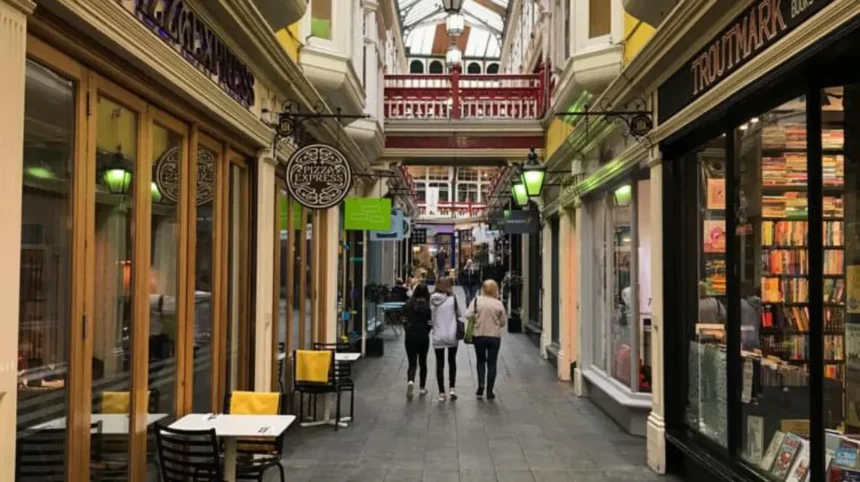
Cardiff’s traditional shopping districts form a connected network of historic streets, Victorian arcades, indoor markets and established retail centres. The best-known areas include St Mary Street, High Street, Queen Street, the Victorian arcades around Castle Quarter, Cardiff Market and nearby local shopping streets.
- What are Cardiff’s traditional shopping districts?
- How did Cardiff’s traditional shopping areas develop?
- Why is St Mary Street important to Cardiff shopping?
- What makes High Street a traditional Cardiff shopping area?
- Why are Cardiff’s Victorian arcades important?
- What can shoppers find in Cardiff’s traditional arcades?
- Why is Cardiff Market different from the traditional shopping streets?
- How does Queen Street fit into Cardiff’s traditional shopping network?
- What role does St David’s play in Cardiff’s traditional retail structure?
- Which traditional shopping areas are outside the central city centre?
- How do Cardiff’s traditional shopping districts support local businesses?
- How does heritage protection affect Cardiff’s shopping districts?
- How are Cardiff’s traditional shopping districts changing?
- Why do Cardiff’s traditional shopping districts remain important?
- What should visitors know before exploring Cardiff’s traditional shopping districts?
- What is the future relevance of Cardiff’s traditional shopping districts?
These districts developed through different stages of Cardiff’s urban growth. The medieval town established the central street pattern. Industrial expansion transformed Cardiff into a major commercial and port city. Victorian prosperity created covered shopping arcades. Twentieth-century redevelopment introduced department stores and modern shopping centres.
Today, traditional shopping areas remain important because they combine retail, food, services, architecture, heritage and pedestrian activity. Cardiff Council continues to monitor retail floorspace, occupancy and development across the city, while conservation policies protect historic buildings and streets.
What are Cardiff’s traditional shopping districts?
Cardiff’s traditional shopping districts are established commercial areas centred on historic streets, arcades, markets and independent businesses. Key examples include St Mary Street, High Street, Queen Street, Cardiff Market, Castle Quarter and the Victorian arcades.
The phrase “traditional shopping district” describes an established commercial area rather than one specific legal designation. Cardiff’s traditional retail environment developed over centuries and contains different types of shopping spaces.
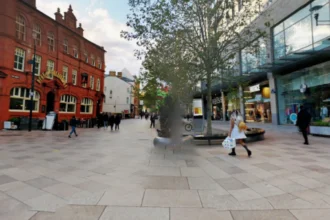
The central shopping area is concentrated around the streets between Cardiff Castle and Cardiff Central railway station. Museum Wales describes St Mary Street and Queen Street as major pedestrianised shopping streets, with historic arcades and St David’s shopping centre located between them.
The city centre therefore operates as a connected retail network. Visitors can move from open streets into covered arcades, from arcades into department-store areas, and from mainstream retail streets into the traditional indoor market.
This structure gives Cardiff a distinctive mixture of historic and modern commerce.
How did Cardiff’s traditional shopping areas develop?
Cardiff’s shopping districts developed from the medieval town around Cardiff Castle and High Street, then expanded during industrialisation and Victorian commercial growth. Railway connections, port activity, population growth and urban redevelopment transformed Cardiff into a major regional shopping centre.
Cardiff’s commercial geography has deep historical roots. Museum Wales records that the medieval town developed around Cardiff Castle and expanded southwards. High Street follows an older alignment connected with the Roman fort, demonstrating the long continuity of Cardiff’s central street pattern.
The expansion of Cardiff accelerated during the nineteenth century. The development of the docks and coal-export economy increased the city’s population, employment base and commercial importance.
Retail businesses benefited from this growth. More residents created demand for food, clothing, household goods and professional services. More visitors and workers increased pedestrian activity in the central streets.
Victorian architecture subsequently became a defining element of Cardiff’s shopping environment. Covered arcades provided sheltered retail spaces while allowing businesses to operate close to the main commercial streets.
This historical development explains why traditional Cardiff shopping districts are not concentrated in one single street. They represent layers of urban development built around the historic core.
Why is St Mary Street important to Cardiff shopping?
St Mary Street is one of Cardiff’s principal historic commercial streets, linking Cardiff Central with the city centre and Cardiff Castle area. Its central location, pedestrian activity, businesses, restaurants and connections to nearby retail streets make it a major part of Cardiff’s shopping network.
St Mary Street forms an important north-south route through central Cardiff. Its position connects Cardiff Central railway station with the historic core around Cardiff Castle.
The street has also developed beyond conventional retail. Food businesses, hospitality venues and services contribute to its commercial activity. This mixed-use character distinguishes it from shopping streets dominated exclusively by shops.
St Mary Street is also part of Cardiff’s protected historic environment. Cardiff Council identifies St Mary Street as a conservation area, recognising its special architectural and historic interest.
Its relationship with nearby streets is equally important. Visitors can move north towards High Street and Castle Quarter or east towards the wider city-centre retail zone.
This connectivity makes St Mary Street an important starting point for understanding Cardiff’s traditional commercial geography.
What makes High Street a traditional Cardiff shopping area?
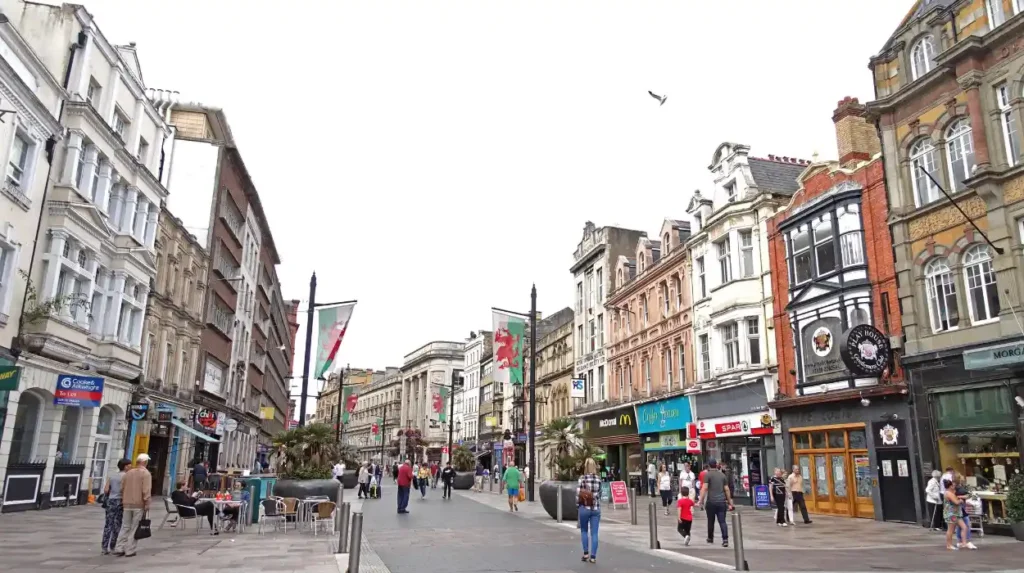
High Street is one of Cardiff’s oldest central commercial routes, positioned beside Cardiff Castle and connected to the medieval city. Its historic alignment, central location, retail premises, hospitality businesses and links to surrounding streets maintain its role within Cardiff’s traditional shopping environment.
High Street has unusually deep historical significance. Museum Wales states that the street aligns with the Roman rather than the medieval south gate of Cardiff Castle, linking the modern commercial landscape with the city’s earlier development.
The street occupies a strategic position beside Cardiff Castle. This creates a direct relationship between heritage tourism and commercial activity.
High Street also provides access to the Castle Quarter, where several historic shopping arcades are located. The surrounding streets contain independent retailers, cafés, restaurants and specialist businesses.
The area’s architecture reflects different periods. Medieval street planning, Victorian commercial buildings and modern retail uses exist within the same central environment.
This combination makes High Street particularly relevant to visitors interested in Cardiff’s historical shopping districts.
Why are Cardiff’s Victorian arcades important?
Cardiff’s Victorian and Edwardian arcades are important because they preserve historic covered shopping spaces containing independent retailers, cafés, specialist businesses and services. Castle Arcade, High Street Arcade, Morgan Arcade and Royal Arcade form a distinctive heritage retail network in the city centre.
Cardiff’s arcades are among the strongest physical expressions of its nineteenth-century commercial expansion. They created enclosed pedestrian routes lined with individual shop units.
The main historic arcades include Royal Arcade, Morgan Arcade, Castle Arcade, High Street Arcade and Wyndham Arcade. Their architectural details vary, but their basic commercial function remains similar: small retail premises arranged along covered pedestrian passages.
Morgan Arcade and Royal Arcade are particularly closely associated with Cardiff’s historic shopping identity. Their narrow passages and ornate shopfronts contrast with the larger retail units found in modern shopping centres.
The arcades also support independent commerce. Smaller premises provide space for specialist retailers that require a different environment from large-format stores.
Cardiff Council has previously undertaken research into the city’s indoor central market and historic shopping arcades, demonstrating their importance within the city’s commercial and urban policy discussions.
What can shoppers find in Cardiff’s traditional arcades?
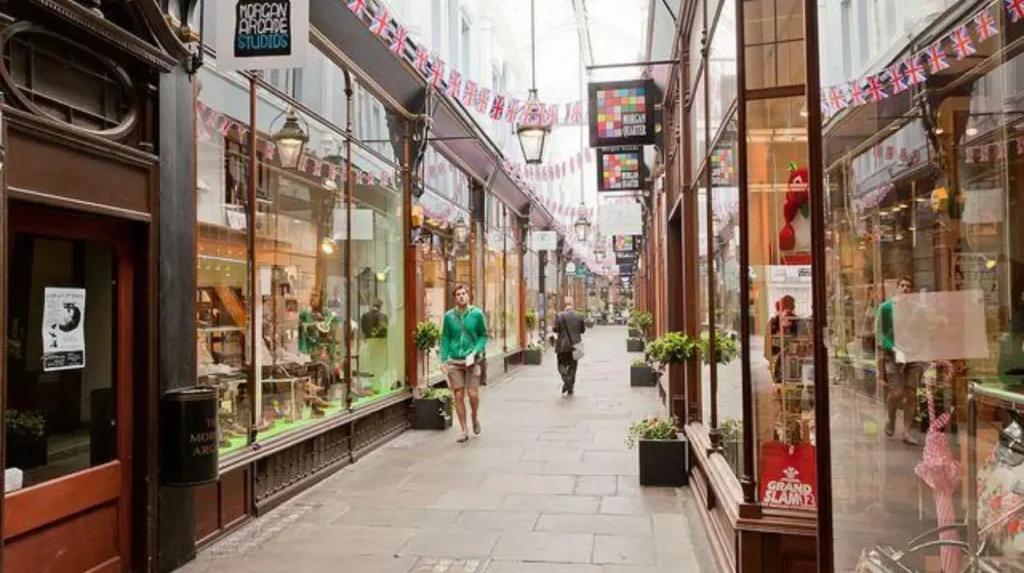
Cardiff’s traditional arcades contain independent retailers, specialist shops, cafés, food businesses, services and distinctive local businesses. Their compact units support specialist commerce and create a retail environment different from large shopping centres and standard high-street chains.
The arcade model is based on small commercial units rather than large retail floorspaces. This layout supports businesses selling specialist products and services.
Visitors can encounter independent fashion businesses, jewellery retailers, vintage products, food outlets, cafés, barbers, creative businesses and specialist services within the central arcade network.
The exact tenant mix changes over time. The enduring feature is the physical structure of small shops connected through pedestrian passages.
The arcades also have architectural value. Their glazed roofs provide natural light, while decorative façades, tiled floors, ironwork and traditional signage contribute to their historic character.
Cardiff Council provides shopfront and signage design guidance covering design, lighting, security and advertising. This demonstrates the importance of maintaining appropriate commercial frontage within Cardiff’s built environment.
Why is Cardiff Market different from the traditional shopping streets?
Cardiff Market is different because it is a Victorian indoor market with individual traders operating from stalls rather than conventional shop units. It provides food, fresh produce, specialist goods and independent retail within a historic market building.
Cardiff Market, officially Cardiff Central Market, occupies a central position between St Mary Street and the historic arcade area. Cardiff Council describes it as an impressive Victorian structure providing a distinctive shopping experience.
The market model differs from conventional high-street retail. Traders operate individual stalls, creating a more concentrated environment for food, produce and specialist products.
The building is also part of Cardiff’s architectural heritage. Its Victorian structure reflects the period when Cardiff experienced rapid population and economic growth.
The market remains important because it combines commerce with heritage. Customers can purchase everyday products while occupying a building associated with Cardiff’s historic trading culture.
Its central position also connects several shopping environments. A visitor can move from the market to St Mary Street, the arcades, High Street and wider city-centre retail areas without making a long journey.
How does Queen Street fit into Cardiff’s traditional shopping network?
Queen Street is one of Cardiff’s principal shopping streets and forms the eastern side of the historic central retail area. Its pedestrianised environment connects major retailers, transport links and surrounding commercial streets with the city centre’s established shopping network.
Queen Street represents a different stage of Cardiff’s retail development from the Victorian arcades. It is a larger-scale commercial street with substantial retail premises and a strong mainstream shopping function.
Museum Wales identifies Queen Street alongside St Mary Street as one of Cardiff’s central pedestrianised shopping streets.
Its location provides an important connection between the central shopping area and districts to the east. The street also links into the wider network around St David’s shopping centre and adjacent commercial streets.
Queen Street’s historic significance is reinforced by its inclusion within Cardiff’s conservation framework. Cardiff Council lists Queen Street among the city’s conservation areas.
The street therefore combines modern retail activity with a historically significant urban setting.
What role does St David’s play in Cardiff’s traditional retail structure?
St David’s provides large-scale modern shopping within the same central area as Cardiff’s historic streets and arcades. Its presence creates a retail hierarchy where major retailers, independent shops, traditional markets and heritage arcades operate within a compact city-centre environment.
St David’s represents the modern shopping-centre component of Cardiff’s retail geography. It sits close to Queen Street, the arcades and Cardiff Market.
This proximity is important because Cardiff’s retail districts are interconnected rather than isolated. Large retail units attract high volumes of shoppers, while traditional streets and arcades provide smaller-scale commercial spaces.
The combination creates different shopping environments within walking distance.
A visitor seeking mainstream fashion can use the modern shopping centre. Someone looking for specialist or independent businesses can explore the arcades. A shopper seeking market goods can visit Cardiff Market.
This diversity strengthens the overall commercial role of central Cardiff.
Which traditional shopping areas are outside the central city centre?
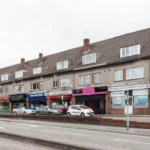
Cardiff’s traditional shopping network extends beyond the central core into established district centres such as Canton, Roath, Whitchurch, Albany Road, Cowbridge Road East and Wellfield Road, where local shops and services serve surrounding residential communities.
Traditional shopping in Cardiff is not limited to the city centre. District centres provide everyday retail and services closer to residential neighbourhoods.
Cardiff Council has a District Centres Strategy designed to raise the profile of district centres, support investment, coordinate services and contribute to sustainable neighbourhoods.
Canton is an important western district centre. Cowbridge Road East provides a substantial commercial corridor serving Canton and surrounding neighbourhoods.
Roath contains established shopping areas around Albany Road and Wellfield Road. These streets support independent retailers, food businesses, professional services and everyday shopping.
Whitchurch provides another established suburban centre with shops and services serving northern Cardiff.
These areas have a different function from the city centre. They focus more strongly on local convenience, community services and neighbourhood commerce.
How do Cardiff’s traditional shopping districts support local businesses?
Traditional shopping districts support local businesses by providing accessible commercial premises, concentrated pedestrian activity, established customer bases and connections between retail, food, hospitality and services. Cardiff’s district-centre strategy also supports investment and coordinated regeneration.
Small businesses form an important part of Cardiff’s traditional commercial environment. Independent retailers occupy many of the smaller premises in historic arcades and district centres.
Their presence creates commercial variety. Specialist retailers can serve customer needs that large chains do not directly address.
Traditional shopping districts also support related businesses. Retailers operate alongside cafés, restaurants, professional services, beauty businesses and hospitality venues.
This produces a mixed commercial ecosystem rather than a single-purpose retail zone.
Cardiff Council’s district-centre policy explicitly recognises the broad role of community shopping centres, including shops, businesses, services and community facilities.
The city centre also has a Business Improvement District. Cardiff Council states that the Cardiff Business Improvement District uses a levy on eligible businesses to fund projects and initiatives benefiting businesses within its defined area.
How does heritage protection affect Cardiff’s shopping districts?
Heritage protection affects Cardiff shopping districts by controlling changes to significant buildings, streets and shopfronts. Conservation areas help preserve architectural character, while design guidance addresses shopfronts, signage, lighting, security and advertising.
Cardiff has 27 conservation areas covering places with special architectural or historic interest. Cardiff Council includes Queen Street and St Mary Street among these protected areas.
Conservation does not prevent commercial activity. It establishes a framework for managing physical changes to buildings and streets.
Shopfronts are particularly important because they form the visual interface between commercial businesses and historic buildings. Cardiff Council’s shopfront and signage guidance addresses replacement shopfronts, new signs, lighting, security and advertising.
This approach allows commercial premises to evolve while protecting important elements of Cardiff’s historic environment.
For traditional shopping districts, this balance is essential. Retail businesses need functional premises, while the city needs to retain architectural character.
How are Cardiff’s traditional shopping districts changing?
Cardiff’s traditional shopping districts are changing through retail redevelopment, public-realm improvements, changing consumer behaviour, business adaptation and investment in district centres. Historic areas remain commercially active while their streets, buildings and services continue to evolve.
Retail districts change continuously. Consumer behaviour influences the types of businesses that occupy commercial premises.
Online shopping has also changed the role of physical retail. Shops increasingly compete through specialist products, services, hospitality and direct customer experiences.
Cardiff Council monitors retail floorspace, occupancy, location and development activity across the city. This monitoring provides information about changes in retail provision and development.
Public-realm investment is another factor. Cardiff Council is progressing improvements around Castle Street, with consultation focused on business access, deliveries, cycling infrastructure, crossings and pedestrian safety.
These changes demonstrate that traditional shopping districts are not static heritage sites. They remain active commercial environments subject to transport, planning and economic policies.
Why do Cardiff’s traditional shopping districts remain important?
Cardiff’s traditional shopping districts remain important because they combine retail, independent businesses, heritage buildings, public spaces, food, services and visitor activity. Their compact geography connects historic commercial areas with modern shopping centres and established neighbourhood districts.
The importance of traditional shopping districts extends beyond retail sales. They contribute to Cardiff’s identity, urban form and visitor economy.
The historic arcades provide architectural heritage. Cardiff Market preserves the Victorian market tradition. St Mary Street and High Street connect commercial activity with the medieval core. Queen Street provides a major pedestrianised retail corridor. District centres support everyday neighbourhood shopping.
The result is a layered commercial structure.
Cardiff’s central retail area also benefits from strong transport connectivity. Cardiff Central railway station sits close to St Mary Street and the central shopping district, while local bus services connect the city centre with surrounding communities.
The city’s economic role reinforces the importance of central commerce. Cardiff Council identifies a 140-acre central Cardiff enterprise zone incorporating Cardiff Central railway station, demonstrating the strategic importance of the central area to employment and investment.
Explore More Area Guide
Small Businesses Driving Rumney’s Economy Cardiff 2026
Historic Shopfronts in Cardiff | Heritage Guide 2026
What should visitors know before exploring Cardiff’s traditional shopping districts?
Visitors should treat Cardiff’s traditional shopping districts as a connected walking area rather than separate destinations. Start around Cardiff Central, continue along St Mary Street, explore Cardiff Market and the arcades, then continue towards High Street, Cardiff Castle and Queen Street.
The compact arrangement makes central Cardiff suitable for a walking-based shopping visit.
Cardiff Central provides a practical starting point. St Mary Street leads towards the historic core and Cardiff Castle. Cardiff Market sits nearby, while the historic arcades provide covered routes through the central commercial area.
High Street and Castle Quarter extend the heritage shopping experience northwards.
Queen Street provides access to another major pedestrianised retail corridor.
Visitors should also explore district centres when the purpose of the trip involves local businesses rather than major city-centre retailers. Canton, Roath and Whitchurch each provide distinct neighbourhood shopping environments.
The central and district shopping areas therefore serve different purposes. The city centre combines tourism, heritage and regional retail. District centres focus more strongly on local communities and everyday services.
What is the future relevance of Cardiff’s traditional shopping districts?
The future relevance of Cardiff’s traditional shopping districts depends on maintaining historic character while adapting commercial spaces, public areas, transport connections and business models. Continued investment in district centres and city-centre public realm will shape their long-term role.
Traditional shopping districts remain relevant because physical retail continues to serve functions that online commerce does not replace completely.
Markets provide direct trading spaces. Arcades provide specialist premises. District centres offer local services. High streets provide public gathering and pedestrian environments. Heritage buildings strengthen Cardiff’s visitor appeal.
Future development therefore requires both conservation and adaptation.
Cardiff Council’s current planning and regeneration activity demonstrates continued attention to city-centre accessibility, public space, retail activity and community shopping centres.
The strongest traditional shopping districts are those that remain useful to businesses and communities while retaining their distinctive built environment.
Cardiff’s historic retail network already contains this combination. Medieval street patterns, Victorian arcades, a nineteenth-century market, pedestrianised shopping streets, modern retail centres and suburban district centres operate within one connected urban economy.
That layered structure explains why Cardiff’s traditional shopping districts remain an important part of the city’s commercial and cultural landscape.
What are Cardiff’s main traditional shopping districts?
Cardiff’s main traditional shopping areas include St Mary Street, High Street, Queen Street, Cardiff Market, the Victorian arcades, Canton, Roath and Whitchurch. These areas combine independent shops, established retailers, markets, cafés, restaurants and local services.