Cardiff’s suburbs support a diverse urban wildlife community shaped by gardens, parks, hedgerows, mature trees, rivers, ponds, railway corridors and undeveloped land. Wildlife in suburban Cardiff includes mammals, birds, bats, amphibians, reptiles, insects and other invertebrates. These habitats form connected ecological spaces inside a growing city.
- What is urban wildlife in Cardiff suburbs?
- Which mammals live in Cardiff’s suburban areas?
- Which birds can residents see in Cardiff suburbs?
- Why are gardens important for Cardiff wildlife?
- Which Cardiff suburban habitats support the most wildlife?
- How do wildlife corridors help animals move through Cardiff?
- How does seasonal change affect Cardiff suburban wildlife?
- What threats affect urban wildlife in Cardiff suburbs?
- How can Cardiff residents support urban wildlife?
- How is Cardiff monitoring suburban biodiversity?
- Why does urban wildlife matter to Cardiff’s future?
- What are the main lessons about urban wildlife in Cardiff suburbs?
Cardiff is the capital of Wales and contains a mixture of dense residential neighbourhoods, suburban streets, public parks, allotments, waterways and semi-natural habitats. This varied landscape creates opportunities for wildlife to feed, shelter, breed and move between green spaces.
Cardiff University’s biodiversity work has documented priority species and habitats associated with urban environments, including hedgehogs, common pipistrelles, house sparrows, swifts, tawny owls, pollinators, ponds, hedgerows, grassland and mixed deciduous woodland.
What is urban wildlife in Cardiff suburbs?
Urban wildlife in Cardiff suburbs refers to wild animals and plants living within residential and developed areas, including gardens, parks, hedgerows, ponds, trees, waterways and other green spaces. These habitats support species adapted to human-dominated landscapes.
Urban wildlife does not only occur in large parks or countryside areas. It also occupies small habitats distributed throughout suburban neighbourhoods.
A typical Cardiff suburban environment contains private gardens, street trees, front gardens, rear gardens, boundary hedges, grass verges, drainage features, allotments and nearby parks. Each feature provides different resources.
Vegetation provides food, nesting material and shelter. Mature trees provide cavities, bark surfaces, seeds and insects. Hedgerows provide cover and movement routes. Ponds support aquatic invertebrates and amphibians. Grassland provides flowers and insects.
Cardiff Council recognises that trees provide important urban wildlife habitat alongside other environmental benefits such as pollution absorption and improved urban wellbeing.
Urban wildlife therefore forms part of Cardiff’s wider biodiversity. Biodiversity means the variety of living organisms, including animals, plants, fungi and microorganisms, together with the habitats and ecological relationships supporting them.
Which mammals live in Cardiff’s suburban areas?
Common suburban mammals in Cardiff include hedgehogs, foxes, grey squirrels, rabbits, bats, mice and rats, while badgers and other mammals use larger connected green spaces. Their presence depends on food, shelter, vegetation, water, buildings and safe movement routes.
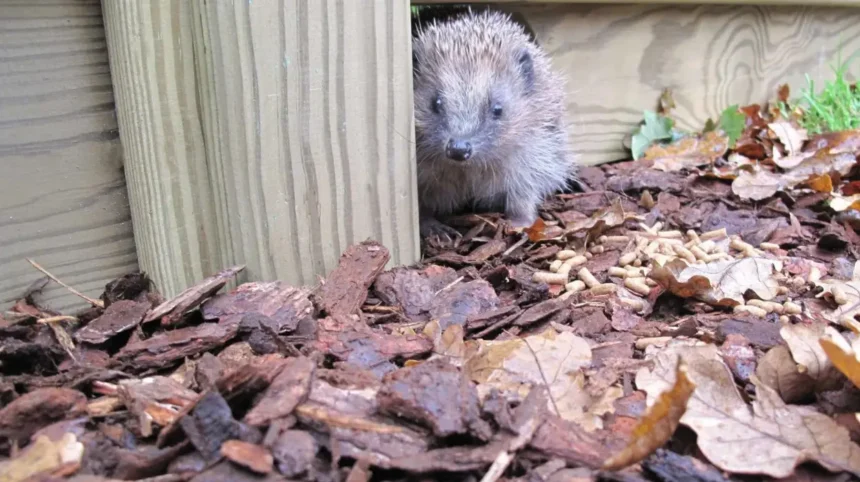
The hedgehog (Erinaceus europaeus) is one of the most recognisable mammals associated with suburban gardens. Cardiff University has conducted dedicated hedgehog surveys using footprint tunnels and trail cameras across university sites. Its 2021 survey recorded hedgehog footprints 110 times, while the 2022 survey recorded footprints 163 times.
Hedgehogs use gardens, rough grassland, hedges and other areas containing insects and shelter. Connected gardens are particularly relevant because hedgehogs move between different properties while searching for food.
The red fox (Vulpes vulpes) is another established urban mammal. Foxes use residential neighbourhoods, parks, railway corridors, gardens and other areas where food and shelter are available.
Grey squirrels (Sciurus carolinensis) are widespread in urban environments. They use trees, gardens and parks and feed on seeds, nuts, buds and other available food.
Rabbits occur where suitable grassland and low vegetation exist. Small rodents, including mice and rats, occupy gardens, buildings, parks and other habitats where food and shelter are available.
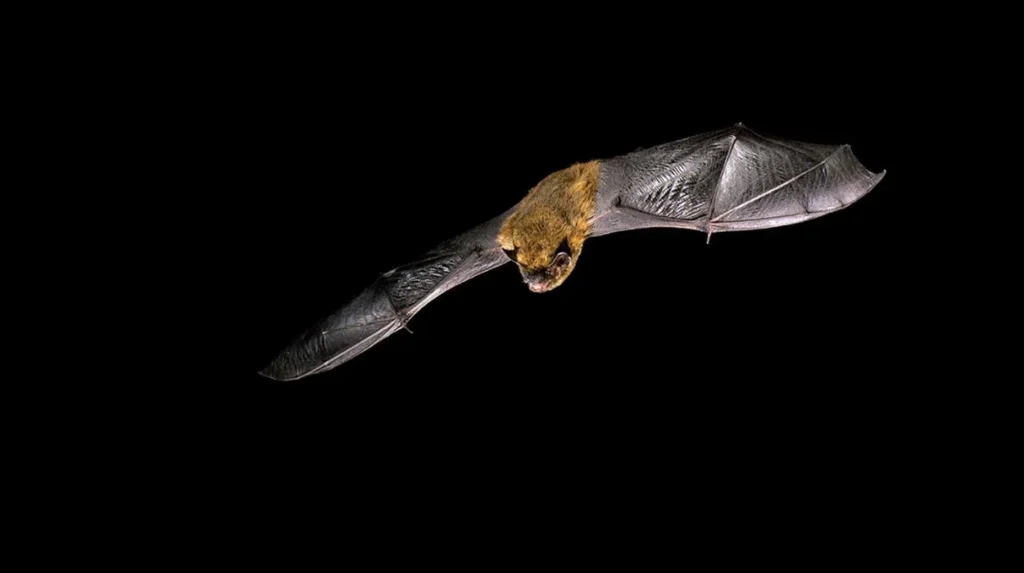
Bats represent another important suburban mammal group. Cardiff University has identified common pipistrelle (Pipistrellus pipistrellus) as a priority species and has used acoustic monitoring to study bat activity.
Badgers use larger connected green areas and can cross suburban landscapes. Road networks present a significant risk to mammals moving through developed areas. Research involving Cardiff University found roadkill risk for hedgehogs, foxes, badgers and rabbits in relation to road density and species distribution.
Which birds can residents see in Cardiff suburbs?
Cardiff’s suburban birds include house sparrows, blackbirds, robins, wrens, starlings, gulls, garden birds, swifts and tawny owls. Gardens, mature trees, hedges, buildings, parks and waterways provide feeding, nesting and roosting opportunities across residential neighbourhoods.
House sparrows (Passer domesticus) remain an important urban bird species and are recorded within Cardiff University’s biodiversity monitoring. Garden bird communities also include species such as dunnocks, song thrushes and starlings.
Swifts (Apus apus) are associated with urban buildings because they traditionally nest in cavities and spaces within structures. Cardiff University has recorded swifts as a priority species and identified breeding activity at one university site.
Tawny owls (Strix aluco) use mature trees and suitable urban green spaces. Cardiff University biodiversity monitoring recorded tawny owls on university grounds.
Gulls are also highly visible in Cardiff because urban areas provide food opportunities. Cardiff Council identifies bird management as an important urban issue and states that wild birds receive legal protection under the Wildlife and Countryside Act 1981.
Residential gardens support birds through natural food sources such as insects, berries, seeds and fruit. Native vegetation increases the range of food resources available throughout the year.
Trees also provide nesting locations. Mature trees contain branches, cavities and bark habitats used by different bird species and invertebrates.
Why are gardens important for Cardiff wildlife?
Suburban gardens create small but valuable wildlife habitats by providing food, shelter, nesting areas, vegetation and movement routes. Connected gardens form a wider network that allows animals and insects to move through residential neighbourhoods between parks and larger green spaces.
A garden functions as an ecological habitat when it contains resources that wildlife can use.
Hedges provide dense cover for small mammals and nesting birds. Flowering plants provide nectar and pollen for bees, hoverflies, butterflies and other insects. Fruit-bearing plants provide food for birds and mammals.
Grass areas provide feeding opportunities for birds and insects. Leaving some vegetation less intensively managed creates additional shelter for invertebrates and small mammals.
Ponds provide aquatic habitat. Even small garden ponds can support aquatic insects and amphibians when they contain suitable water conditions and vegetation.
Compost areas can support decomposers and invertebrates. Fallen leaves also provide shelter and food for organisms living within soil and leaf litter.
Cardiff University identifies hedgerows, ponds, lowland neutral grassland meadow and lowland mixed deciduous woodland as priority habitats within its biodiversity planning.
The ecological value of suburban gardens therefore depends on their structure rather than their size alone. A network of small habitats can collectively provide more resources than isolated areas with limited vegetation.
Which Cardiff suburban habitats support the most wildlife?
The strongest suburban wildlife habitats include mature woodland, hedgerows, ponds, meadows, parks, river corridors, allotments and gardens. These habitats provide different combinations of food, water, shelter, nesting sites and movement routes required by diverse urban species.
Mature woodland provides layered habitat from soil to tree canopy. Deadwood supports fungi and insects, while tree cavities provide shelter for birds and bats.
Hedgerows form linear habitats through residential areas. They provide cover and can connect gardens, parks and larger green spaces.
Meadows contain flowering plants and grasses that support pollinators and other insects. Cardiff University identifies lowland neutral grassland meadow as a priority habitat.
Ponds provide aquatic environments that differ significantly from dry terrestrial habitats. They support aquatic invertebrates and provide breeding habitat for amphibians where appropriate conditions exist.
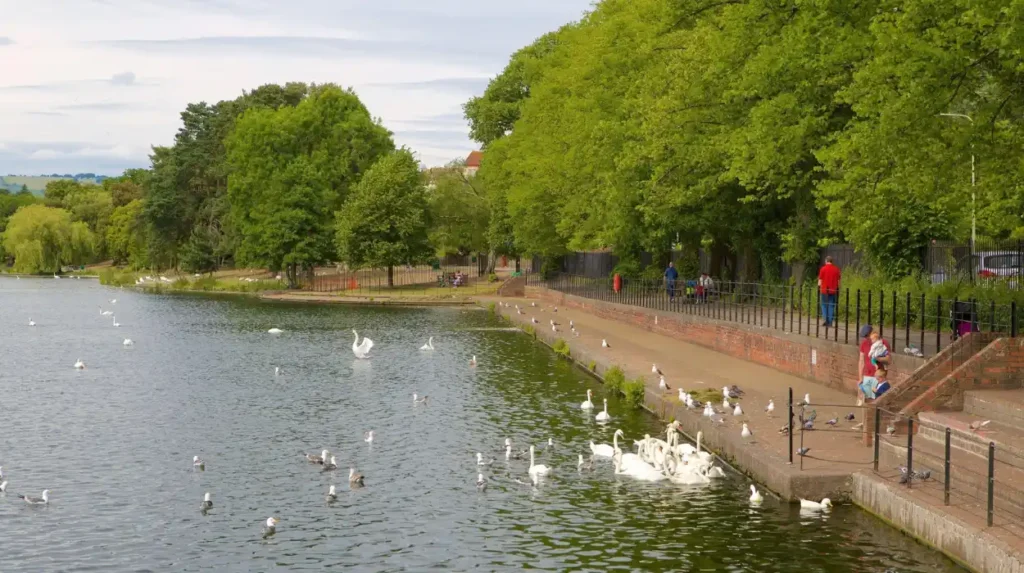
River corridors connect different parts of the urban landscape. The River Taff and associated green spaces form an important ecological corridor through Cardiff.
Parks provide larger areas of continuous vegetation. Cardiff Council maintains a network of parks and green spaces across the city and provides information about individual parks and their management.
Allotments combine cultivated land, vegetation, compost areas and often hedges or small trees. These features create opportunities for insects, birds and small mammals.
Railway margins and other undeveloped strips can also function as wildlife corridors. Their ecological value depends on vegetation, disturbance, connectivity and management.
How do wildlife corridors help animals move through Cardiff?
Wildlife corridors connect separate habitats and allow animals to move between gardens, parks, woodland, waterways and other green spaces. In Cardiff suburbs, hedgerows, rivers, tree lines, railway margins and connected gardens can provide routes through developed landscapes.
Urban development fragments habitat into smaller areas. Roads, buildings and intensively managed land can separate these habitats.
Connectivity reduces the isolation of individual wildlife populations. Animals need movement routes to locate food, breeding sites and shelter.
Hedgehogs are particularly relevant because they move across multiple gardens and residential boundaries. A continuous hedge, small opening or connected garden can therefore influence movement through a neighbourhood.
Bats use landscape features such as tree lines, woodland edges and waterways while travelling and feeding. Their movement patterns depend on species and local habitat conditions.
Birds use trees, gardens and parks differently because flight allows many species to cross built-up areas. However, nesting and feeding resources still determine where birds remain.
Roads create significant risks for animals crossing between habitats. Cardiff University research into roadkill across the UK found that road density influences collision risk and identified hedgehogs, foxes and other urban-associated species among those affected.
Connectivity therefore has two dimensions: habitat availability and safe movement. A city can contain substantial green space while still presenting barriers if those areas are isolated.
How does seasonal change affect Cardiff suburban wildlife?
Seasonal changes alter wildlife behaviour by changing food availability, temperature, breeding conditions, vegetation and daylight. Spring supports nesting and plant growth, summer increases insect activity, autumn provides fruits and seeds, and winter reduces available food and shelter.
Spring marks increased biological activity across suburban habitats. Plants begin growing, insects become more active and many birds establish breeding territories.
Summer provides abundant vegetation and insect activity. Flowering plants support pollinators, while trees and hedges provide cover for birds and mammals.
Autumn changes the food supply. Seeds, berries, nuts and fallen fruit become important resources for birds, squirrels and other animals.
Winter reduces insect availability and changes the behaviour of many mammals. Dense vegetation, leaf litter, compost areas and sheltered spaces become important refuges.
Bats reduce activity during colder periods and enter hibernation or torpor depending on species and local conditions. Their protected status remains important when buildings are renovated.
Bird activity also changes seasonally. Some species remain resident while others migrate through or away from the region.
Seasonal management therefore affects wildlife. Removing all vegetation at the same time reduces the range of shelter and food available during particular periods.
What threats affect urban wildlife in Cardiff suburbs?
Cardiff’s suburban wildlife faces habitat fragmentation, road traffic, building work, pollution, loss of vegetation, poor garden management, disturbance and food waste. These pressures affect different species differently and become more significant when habitats are isolated or heavily managed.
Road traffic is a major direct threat to mobile wildlife. Research from Cardiff University and partner institutions links road density with wildlife-vehicle collision risk.
Building work can affect bats, nesting birds and other species using structures. Natural Resources Wales states that all bat species are legally protected, including their breeding sites and resting places.
Birds are also protected under the Wildlife and Countryside Act 1981. Cardiff Council states that intentional harm to wild birds is prohibited and that control measures are subject to specific legal requirements.
Hedgehogs receive specific protection under Schedule 6 of the Wildlife and Countryside Act 1981. Natural Resources Wales lists hedgehogs among small mammals for which certain methods of killing or taking are prohibited.
Habitat loss reduces available resources. Removing hedges, mature trees, ponds and rough vegetation decreases shelter and feeding opportunities.
Poorly managed food waste can attract species into unsuitable areas. Cardiff Council recommends proper food-waste management as part of reducing problems associated with urban birds.
Light pollution also changes nocturnal environments. Artificial lighting can affect bats and other nocturnal animals by changing movement and feeding conditions.
How can Cardiff residents support urban wildlife?
Residents can support Cardiff wildlife by maintaining native vegetation, retaining hedges and mature trees, providing safe garden habitats, reducing pesticide use, managing food waste, protecting nesting animals and creating connected green spaces across residential neighbourhoods.
Garden management has a direct influence on habitat quality.
Planting flowering species provides nectar and pollen. Berry-producing shrubs provide food for birds. Dense hedges provide nesting and shelter opportunities.
Residents can retain sections of longer grass rather than maintaining every area as closely cut lawn. Leaf litter can remain in appropriate areas as shelter and habitat for invertebrates.
Garden ponds require careful management. Wildlife ponds should avoid harmful pollutants and provide shallow margins where suitable.
Artificial feeding requires responsible management. Excess food can attract rats, gulls and other animals and can increase hygiene problems. Clean feeding areas and appropriate food quantities reduce these risks.
Residents should avoid using pesticides unnecessarily. Cardiff University’s biodiversity programme included measures to reduce pesticide and slug-pellet use as part of its biodiversity management.
Wildlife should not be deliberately disturbed. Protected species require particular care during building, tree and habitat work.
For bats, professional ecological advice is important before works that affect potential roosts. Natural Resources Wales provides licensing guidance for activities involving protected bats.
How is Cardiff monitoring suburban biodiversity?
Cardiff’s biodiversity monitoring combines habitat management, species surveys, ecological records and institutional conservation programmes. Cardiff University has monitored hedgehogs, bats, birds, reptiles, pollinators, trees and other biodiversity indicators across its sites.
Cardiff University established structured biodiversity monitoring through its Ecosystem Resilience and Biodiversity Action Plan.
Hedgehog surveys used footprint tunnels, trail cameras and direct reports. The 2021 and 2022 monitoring periods generated repeated evidence of hedgehog activity.
Bat monitoring uses acoustic detection because bats are difficult to survey through conventional daytime observation. Cardiff University identified common pipistrelle as a priority species and planned acoustic surveys across its sites.
Bird monitoring includes dawn chorus surveys for songbirds and visual surveys for larger birds. Reptile monitoring includes habitat-refuge surveys where suitable conditions exist.
Biodiversity recording platforms also contribute to species records. Cardiff University has reported using systems including iNaturalist, Mammal Mapper and Hedgehog Street for opportunistic biodiversity observations.
Monitoring provides evidence for habitat management. It also identifies locations where development, maintenance or land-use changes require ecological consideration.
Explore More Area Guide
Seasonal Nature Walks Around Cardiff: Best Year-Round Routes
Cardiff’s Ancient Trees: History, Wildlife and Protection
Why does urban wildlife matter to Cardiff’s future?
Urban wildlife supports Cardiff’s biodiversity, ecological resilience and quality of green spaces. Protecting habitats inside suburbs helps maintain species populations, ecological connections and natural processes while Cardiff continues to manage housing, transport, development and climate pressures.
Urban biodiversity has practical ecological functions.
Pollinating insects support plant reproduction. Decomposers recycle organic matter. Birds and mammals participate in food webs. Trees provide habitat while also helping regulate urban environmental conditions.
Cardiff Council identifies biodiversity and accessible green spaces as components of its greener-city objectives. Its Stronger Fairer Greener strategy places emphasis on nurturing biodiversity and maintaining high-quality open spaces.
Future development will increase the importance of ecological planning. Cardiff Council provides ecological and biodiversity technical guidance within its supplementary planning framework.
The most effective approach is not to separate wildlife from urban life. Suburban biodiversity is integrated into gardens, streets, parks, waterways, buildings and public spaces.
Maintaining connected habitats is particularly important. Wildlife populations become more resilient when animals can access multiple feeding, breeding and shelter locations.
Urban wildlife monitoring also provides evidence for future decisions. Repeated surveys reveal changes in species presence, habitat condition and environmental pressures.
Cardiff’s suburbs therefore represent an important part of the city’s biodiversity network. Protecting hedgerows, trees, ponds, grassland, gardens and waterways helps maintain ecological connections across the urban landscape.
What are the main lessons about urban wildlife in Cardiff suburbs?
Cardiff suburbs support substantial wildlife because residential landscapes contain gardens, parks, trees, hedgerows, waterways and other habitats. Protecting these features, improving connectivity and reducing avoidable threats strengthens biodiversity across the wider city.
Urban wildlife is not restricted to rural areas outside Cardiff. Hedgehogs, foxes, bats, birds, insects, amphibians and other species use habitats within developed neighbourhoods.
The strongest suburban environments contain multiple habitat types. Mature trees, hedgerows, gardens, ponds and grassland provide different resources and increase ecological diversity.
Connectivity is equally important. Wildlife needs safe movement between isolated green spaces, while roads and intensive development can create barriers.
Legal protection also forms an important part of wildlife management. Wild birds, bats and hedgehogs are covered by specific protections under UK and Welsh wildlife legislation.
Cardiff’s existing biodiversity research demonstrates that urban sites can support priority species and habitats. Hedgehog monitoring at Cardiff University, for example, produced repeated evidence of activity across multiple sites.
The future of Cardiff’s suburban wildlife depends on maintaining habitat quality while the city continues to develop. Gardens, parks, trees, hedges, ponds and connected green corridors all contribute to that objective.
What wildlife can be found in Cardiff suburbs?
Cardiff suburbs support hedgehogs, foxes, grey squirrels, rabbits, bats, mice, rats, house sparrows, blackbirds, robins, starlings, swifts, tawny owls, butterflies, bees, amphibians and many other species.