Cardiff is an established retirement location because it combines urban services, established residential neighbourhoods, green space, healthcare access, public transport and a growing range of age-friendly housing. The city also has dedicated housing and ageing-well policies that address independence, accessibility and community connection.
- Which areas of Cardiff are popular with retirees?
- Why do retirees choose Llandaff?
- Is Radyr a good retirement location in Cardiff?
- Do retirees choose Whitchurch and Rhiwbina?
- Why do older residents consider Cyncoed and Penylan?
- Is Pontcanna suitable for retirement living?
- What types of retirement housing are available in Cardiff?
- How is Cardiff preparing for more retirees?
- What should retirees check before choosing a Cardiff neighbourhood?
- How can retirees remain independent after moving to Cardiff?
- What is the future of retirement living in Cardiff?
Census 2021 data shows that Cardiff remains younger than many parts of Wales, with a median age of 34. However, its older population is growing. The number of residents aged 65 to 74 increased by 27.2% between 2011 and 2021, while the proportion aged 65 to 74 rose from 6.6% to 8.0%. The population aged 65 and over increased by 15.3% during the decade.
This demographic change is influencing housing requirements across Cardiff. Cardiff Council identifies additional demand for older-person accommodation, housing with care and nursing provision. Its published assessment estimates a further 3,051 units of older-person accommodation will be required by 2035, including 1,787 older-person housing units, 609 housing-with-care units and 655 nursing beds.
The most suitable retirement location depends on housing type, mobility, transport, access to shops and services, proximity to family, healthcare requirements and preference for independent living. Areas such as Llandaff, Radyr, Whitchurch, Rhiwbina, Cyncoed, Penylan, Pontcanna and Cardiff Bay offer different combinations of these characteristics.
Which areas of Cardiff are popular with retirees?
Retirees in Cardiff are drawn to established residential areas with accessible homes, local services, green spaces and reliable transport. Llandaff, Radyr, Whitchurch, Rhiwbina, Cyncoed, Penylan, Pontcanna and selected central districts provide distinct retirement-living options. Housing type, accessibility and community facilities remain key considerations.
Cardiff does not have one officially designated “retirement district”. Instead, older residents live throughout the city in ordinary houses, bungalows, flats, sheltered accommodation, extra-care housing and residential care settings.
Cardiff Council’s ageing-well approach is based on helping older people remain active, connected and independent in their homes and communities. The city’s Age Friendly Cardiff programme covers housing, transport, outdoor spaces, health services, social participation and social inclusion. Cardiff joined the World Health Organization’s Global Network for Age-friendly Cities and Communities in March 2022.
Llandaff is an established residential district in western Cardiff. Its historic village character, local services, green spaces and connection with central Cardiff make it relevant to retirement searches. The district also contains several registered residential care facilities, demonstrating an established older-person housing and care presence.
Radyr provides another western option. It has established residential housing and rail connectivity, while nearby communities provide additional shopping and service facilities. Cardiff Council’s current care-home register also identifies residential and nursing provision in Radyr.
Whitchurch and Rhiwbina are established northern residential districts. Their suburban housing stock and local-centre structure fit the type of neighbourhood Cardiff’s older-person housing policy seeks to strengthen. Cardiff Council states that future older-person housing should be located close to or within new local centres.
Cyncoed and Penylan provide eastern and north-eastern residential alternatives. They include established housing, access to local amenities and connections to the wider Cardiff urban area. Penylan also has registered residential and nursing provision.
Pontcanna offers a more urban retirement setting. It provides established housing, local shops and services, green space and proximity to central Cardiff. Registered residential care provision is also present in the district.
Why do retirees choose Llandaff?
Llandaff attracts retirees because it combines established housing, local amenities, green surroundings and access to Cardiff’s wider services. Its residential character supports independent living, while nearby healthcare, transport and care facilities provide additional practical options as housing needs change.
Llandaff is one of Cardiff’s best-established residential communities. The district developed around Llandaff Cathedral and the historic settlement beside the River Taff, giving it a distinct identity within the modern city.
For retirees, the important factor is not simply the area’s history. Housing accessibility and proximity to everyday services have greater practical significance.
The district contains traditional houses, converted properties, apartments and newer residential developments. This creates different options for people who want to remain in a conventional home or move into a smaller property.
Llandaff also has established care provision. Cardiff Council’s current list of approved residential and nursing homes includes College Fields, Danesbrook House and Rees House in Llandaff.
This does not mean every retiree in Llandaff uses specialist accommodation. Most older residents continue to live in ordinary housing. Cardiff’s Independent Living Services are specifically designed to help adults remain independent at home. Cardiff Council reports that 70% of its Independent Living Service clients were supported to remain at home without Social Services involvement.
Llandaff therefore suits retirees who value an established residential environment while retaining access to the wider facilities of Cardiff.
Is Radyr a good retirement location in Cardiff?
Radyr is an established suburban retirement location with residential housing, rail access and nearby community services. Its western Cardiff position provides a quieter residential environment while maintaining connections to central Cardiff and neighbouring districts through public transport and local road networks.
Radyr is located in north-west Cardiff and forms part of the city’s established suburban housing network.
Its housing stock includes detached and semi-detached properties alongside smaller homes and apartments. This creates opportunities for downsizing without necessarily leaving the neighbourhood.
Rail access is an important characteristic. Radyr railway station provides services on the Cardiff City Line and Coryton Line, connecting the district with Cardiff and other suburban areas.
For retirees who no longer want to drive for every journey, rail access can reduce dependence on private cars. Local bus services provide another transport option.
Radyr also has access to green space and walking routes. These features are relevant to Cardiff’s wider ageing-well policy, which identifies outdoor spaces and public buildings as one of its eight age-friendly priorities.
The district also has established care provision. Cardiff Council’s approved provider list includes Danybryn Cheshire Home in Radyr.
Radyr is therefore particularly relevant to retirees looking for suburban housing with public transport and access to community infrastructure.
Do retirees choose Whitchurch and Rhiwbina?
Whitchurch and Rhiwbina provide established northern Cardiff neighbourhoods with residential housing, local shopping areas, community facilities and public transport. Their suburban layouts support independent living and provide access to Cardiff’s wider healthcare, cultural and recreational services.
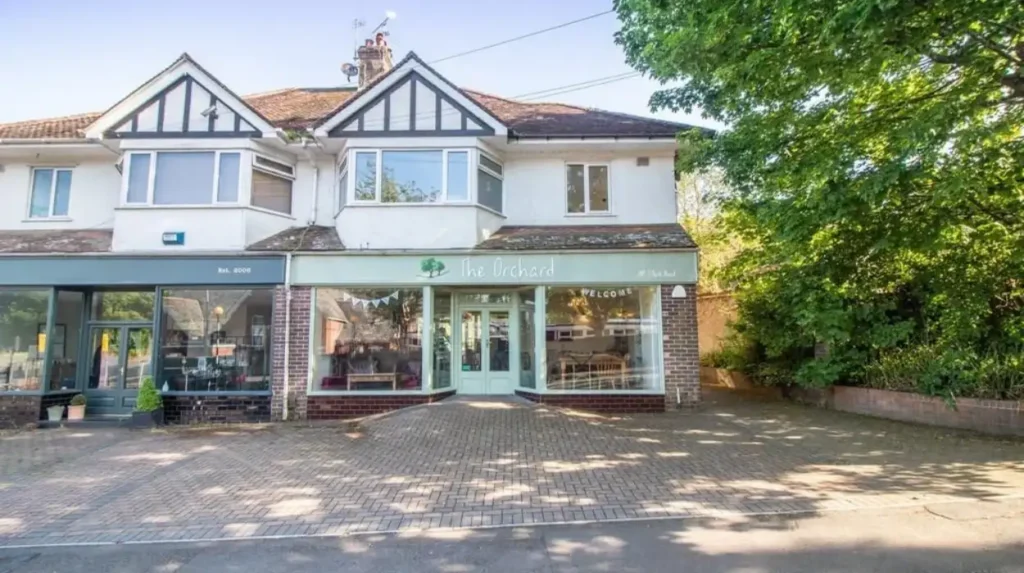
Whitchurch is one of Cardiff’s established northern districts. Its local centre provides everyday services, reducing the need for residents to travel into the city centre for basic shopping.
Rhiwbina is another established suburban community nearby. Its residential streets contain a mixture of housing types, while local facilities serve everyday needs.
The importance of local centres is reflected in Cardiff’s housing policy. Cardiff Council’s plan states that future older-person housing should be located close to or within new local centres. The objective is to improve access to services and support independent living.
Transport is another important consideration. Both districts have bus connections to central Cardiff and surrounding neighbourhoods.
The northern location also provides access to larger green areas outside the immediate city centre. This supports residents who want a suburban environment while remaining within Cardiff.
For retirees, the combination of local services, established housing and transport is more significant than a simple label such as “retirement area”.
Why do older residents consider Cyncoed and Penylan?
Cyncoed and Penylan attract older residents who want established residential housing with convenient access to Cardiff’s eastern districts, local amenities, green spaces and central services. Their housing stock also provides opportunities for downsizing while remaining within familiar neighbourhood networks.
Cyncoed is a predominantly residential district in north-east Cardiff. Its housing includes detached and semi-detached properties, creating options for homeowners seeking conventional suburban accommodation.
Penylan sits closer to the central and eastern parts of Cardiff. It combines residential streets with access to local shops, parks and transport routes.
Penylan also has an established care presence. Cardiff Council’s approved provider list includes Penylan House, which provides nursing and residential care.
The broader appeal of these districts comes from their connection to established communities. Older residents often prioritise existing social networks when considering a move. Cardiff Council’s housing strategy specifically identifies social isolation, support networks and community connections as factors that should be considered within housing allocation and older-person housing planning.
Cyncoed and Penylan therefore provide options for retirees who want to remain within the established Cardiff urban area rather than move to a specialist retirement development outside the city.
Is Pontcanna suitable for retirement living?
Pontcanna suits retirees seeking an urban residential environment with local shops, green spaces, established housing and close proximity to central Cardiff. Its location supports access to city services while retaining a strong neighbourhood structure and established residential character.
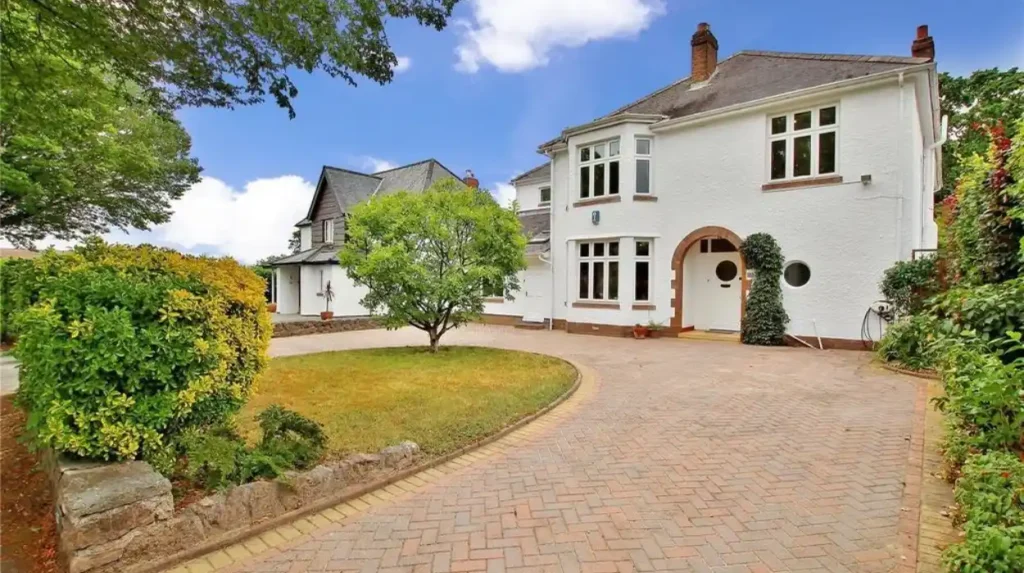
Pontcanna lies immediately west of central Cardiff and is known for its established residential streets and proximity to Bute Park, the River Taff and central services.
Its location is particularly relevant for retirees who prefer walking or short local journeys. Central Cardiff is close enough to provide access to major cultural, retail, healthcare and public-service facilities.
Housing in Pontcanna includes Victorian and Edwardian properties, terraces, conversions and apartments. This creates different possibilities for people moving from a larger family home.
The district also has registered residential care provision. Cardiff Council’s current approved list includes Pontcanna House and Romilly Nursing Home in the wider Pontcanna area.
Pontcanna is not a dedicated retirement community. Its importance for retirement living comes from its established urban infrastructure.
The area therefore works for older residents who prioritise proximity to central Cardiff and neighbourhood amenities over a purpose-built retirement environment.
What types of retirement housing are available in Cardiff?
Cardiff retirement housing includes ordinary homes, smaller flats, bungalows, sheltered housing, extra-care accommodation, care-ready homes and residential care. Cardiff Council’s strategy supports a wider range of housing so older people can remain independent as their needs change.
Retirement living in Cardiff covers several housing models.
Ordinary owner-occupied housing remains the largest category. Many older residents stay in their existing homes and use adaptations, equipment or support services to maintain independence.
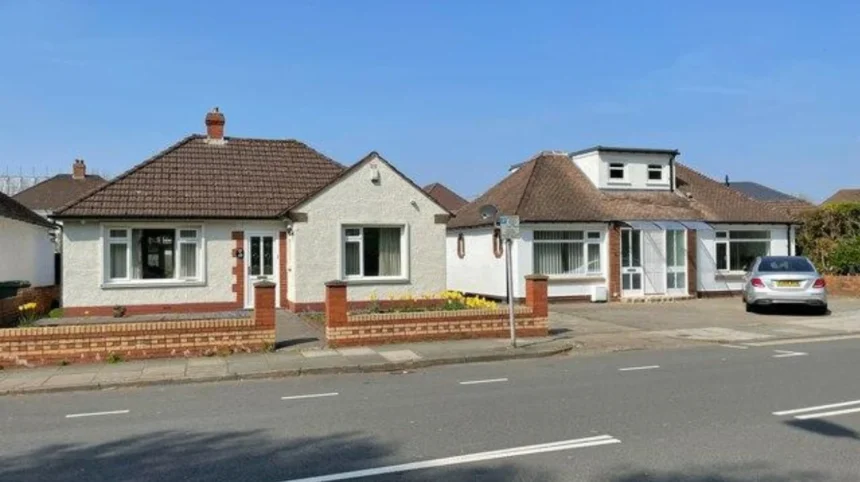
Downsizing is another option. Cardiff Council’s research found that 58% of surveyed older people preferred at least two bedrooms, while 46% preferred a bungalow, 29% a house and 21% a flat.
Sheltered housing is designed for older residents who want independent accommodation with additional support arrangements.
Extra-care housing combines independent accommodation with access to care and support. Cardiff Council promotes extra care as an alternative to residential care and as a transition option after hospital discharge.
Care-ready housing is designed so residents can remain in their home while receiving care as needs increase.
Residential care provides accommodation alongside personal care. Nursing care adds registered nursing support for residents with more complex medical requirements.
Cardiff Council’s housing plans recognise the need for all these models rather than relying on one form of accommodation.
How is Cardiff preparing for more retirees?
Cardiff is expanding older-person housing, care-ready accommodation and age-friendly services because its older population is increasing. Council planning identifies additional housing demand through 2035 and a programme for at least 741 new older-person homes by 2030.
Cardiff’s demographic outlook is central to its retirement housing strategy.
The council estimates that the number of people aged 65 to 84 will increase by 42% by 2037. The population aged over 85 is projected to nearly double.
This creates additional demand for accessible homes, care services and community infrastructure.
Cardiff Council has committed to providing at least 741 new homes for older people by 2030. The published breakdown includes 434 council homes, 207 homes delivered with Registered Social Landlords and 100 homes for older people to buy.
The council also identifies an estimated additional requirement of 1,811 older-person homes for sale by 2035. This demonstrates that the retirement housing market is not limited to social housing.
Planning policy is also changing the location of future provision. Cardiff aims to place older-person housing close to or within local centres, supporting access to services and community facilities.
What should retirees check before choosing a Cardiff neighbourhood?
Retirees should assess housing accessibility, transport, healthcare access, local shops, green space, community connections, care availability and future housing needs before choosing a Cardiff neighbourhood. The best location depends on individual mobility, finances, support networks and preferred housing type.
Location should be assessed beyond the appearance of a neighbourhood.
Housing accessibility is the first consideration. A bungalow, lift-access apartment or level-access home can reduce mobility barriers compared with a multi-storey property.
Transport is important for residents who no longer drive. Bus routes, railway stations and walkable local services reduce dependence on private vehicles.
Healthcare access becomes increasingly relevant as people age. Retirees should consider GP services, pharmacies, hospitals and community health facilities when comparing properties.
Local shopping also matters. A neighbourhood with a supermarket, pharmacy, cafés and other everyday services can reduce the need for longer journeys.
Green space supports walking and outdoor activity. Cardiff’s Age Friendly Cardiff programme specifically includes outdoor spaces and public buildings among its core priorities.
Community connections are equally important. Cardiff Council identifies social isolation and support networks as factors in older-person housing planning.
Finally, retirees should consider how their housing needs could change. A property that works at age 65 needs to remain practical if mobility decreases later.
Explore More Area Guide
Cardiff’s Most Scenic Residential Streets: Historic Areas to Explore
Cardiff Areas Popular with Young Couples
How can retirees remain independent after moving to Cardiff?
Retirees can remain independent through accessible housing, home adaptations, independent living services, community support, transport planning and appropriate care arrangements. Cardiff’s ageing-well strategy prioritises independence at home rather than unnecessary movement into residential care.
Cardiff Council’s approach places significant emphasis on ageing in place.
Ageing in place means remaining in a familiar home or community while receiving the adaptations and support required to maintain independence.
Cardiff provides Independent Living Services and home adaptations for eligible residents. The council also promotes technology, equipment and preventative services to help older people remain at home.
Home improvements can also support long-term independence. Cardiff Council operates a Welsh Government-funded Home Improvement Loan scheme for eligible owner-occupiers. The maximum loan is £25,000, subject to the scheme’s conditions.
The city’s Ageing Well Strategy 2022–2027 focuses on safe homes, active communities, independent living, sustainable care and support for informal carers.
These services mean retirement in Cardiff is not defined only by the choice of property. Housing, transport, community support and care services operate as a wider system.
What is the future of retirement living in Cardiff?
Retirement living in Cardiff is moving towards accessible homes, local-centre development, care-ready accommodation and community-based support. Population ageing is increasing demand for specialist housing while council policy prioritises independence, social connection and services close to established communities.
Cardiff’s future retirement housing market will be shaped by demographic change.
The city recorded a 15.3% increase in its population aged 65 and over between 2011 and 2021. The 65-to-74 age group alone increased by 27.2%.
Cardiff Council’s longer-term projections point to further growth among older residents. The projected 42% increase in people aged 65 to 84 by 2037 creates a substantial requirement for suitable housing.
The council’s current programme of at least 741 new older-person homes by 2030 represents part of this response. It also plans to increase the supply of care-ready homes suitable for ageing in place.
Future retirement living therefore extends beyond traditional sheltered housing. New provision is expected to include accessible mainstream homes, specialist housing, extra care and homes that can accommodate changing care requirements.
For retirees choosing where to live in Cardiff, this means established districts such as Llandaff, Radyr, Whitchurch, Rhiwbina, Cyncoed, Penylan and Pontcanna remain relevant, while new housing opportunities continue to develop across the city.
The central principle is practical: the most suitable retirement location is the Cardiff neighbourhood that combines an appropriate home with accessible services, transport, community connections and the ability to support independent living over time.
What are the best areas for retirees to live in Cardiff?
Popular Cardiff areas for retirees include Llandaff, Radyr, Whitchurch, Rhiwbina, Cyncoed, Penylan and Pontcanna. These neighbourhoods provide established housing, local amenities, green spaces and access to Cardiff’s wider transport and healthcare services.