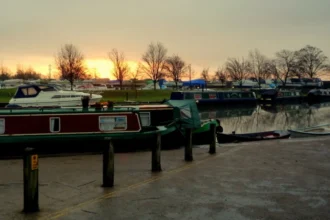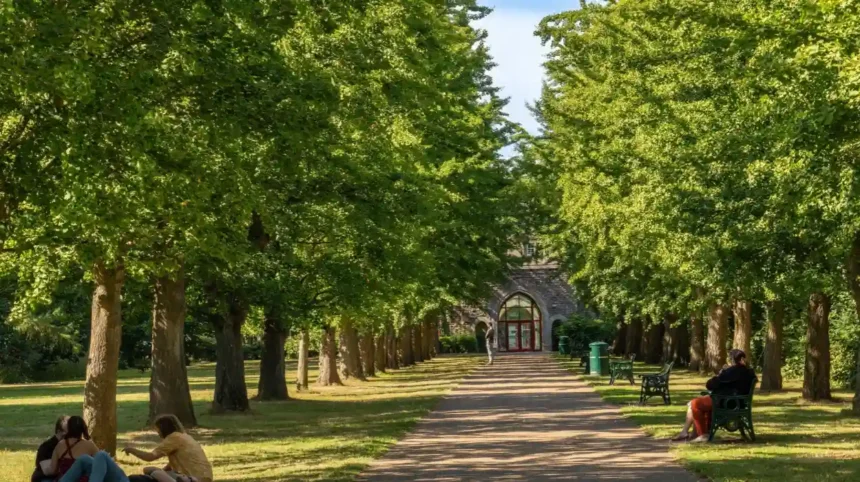
Cardiff has a compact urban structure, strong public transport connections, extensive parks, independent food businesses and neighbourhoods with distinct identities. For young couples, location affects access to restaurants, cafés, green spaces, cultural venues, workplaces, railway stations and the city centre.
- What makes a Cardiff area popular with young couples?
- Why is Pontcanna popular with young couples in Cardiff?
- Why do young couples choose Canton and Victoria Park?
- Why is Roath popular with young couples?
- Why is Penylan attractive to couples looking for a quieter Cardiff neighbourhood?
- Why are Riverside and Grangetown becoming popular with young couples?
- Why do some young couples choose Llandaff?
- Why is Cardiff Bay considered by couples seeking modern urban living?
- Which Cardiff neighbourhoods offer the strongest combination of lifestyle and accessibility?
- How should young couples choose an area of Cardiff?
- What is the future relevance of Cardiff’s popular couple-friendly neighbourhoods?
The most frequently associated Cardiff neighbourhoods for this lifestyle include Pontcanna, Canton, Roath, Penylan, Riverside, Grangetown, Llandaff and parts of Cardiff Bay. Each area has a different combination of housing, amenities, walking access, green space and entertainment.
Cardiff is also relatively easy to explore without a car. Visit Cardiff describes the city centre as compact and flat, with extensive pedestrian areas and local transport connections. This structure makes neighbourhood location particularly important for couples who combine walking, cycling, buses and rail travel.
What makes a Cardiff area popular with young couples?
Young couples generally choose Cardiff neighbourhoods that combine housing, cafés, restaurants, green spaces, culture and convenient access to central Cardiff. Areas such as Pontcanna, Canton, Roath, Penylan and Riverside provide different combinations of these features within established residential communities.
The concept of a couple-friendly neighbourhood is based on practical characteristics rather than one single demographic measure. A useful location combines everyday services with leisure opportunities and transport connections.
Walkability is important because central Cardiff is compact. A neighbourhood within walking or cycling distance of the city centre reduces reliance on private transport. Pontcanna, for example, is described by Visit Cardiff as roughly 10–15 minutes from the centre in its neighbourhood overview.
Food and drink access is another defining characteristic. Independent cafés, restaurants, bakeries, bars and markets create regular social destinations without requiring a journey across the city.
Green space provides another practical benefit. Cardiff has several major urban parks, including Bute Park, Roath Park and Victoria Park. Roath Park contains a 30-acre lake, while Bute Park sits beside Cardiff Castle.
Cultural activity also influences neighbourhood character. Chapter Arts Centre in Canton, the Gate Arts Centre in Roath and live-music venues around Riverside and Grangetown provide cultural destinations outside the central shopping district.
Housing stock is another consideration. Cardiff neighbourhoods contain different combinations of Victorian terraces, converted properties, apartments, larger houses and modern developments. This creates different options for couples at different stages of renting or home ownership.
Why is Pontcanna popular with young couples in Cardiff?
Pontcanna is popular with couples because it combines residential streets, independent businesses, restaurants, cafés, parks and close access to central Cardiff. Pontcanna Fields, Bute Park, the Taff Trail and Cathedral Road create strong links between leisure, food, culture and everyday city access.
Pontcanna sits immediately northwest of central Cardiff and has a well-established residential identity. Visit Cardiff describes it as a leafy neighbourhood with independent shops, restaurants, architecture and open parkland.
Its proximity to central Cardiff is a major practical feature. Visit Cardiff places Pontcanna within a short walk of the city centre and identifies a walking journey of around 20 minutes from Cardiff Central railway station.
What can couples do in Pontcanna?
Pontcanna Fields provides extensive open space close to residential streets. The Taff Trail passes through Pontcanna Fields and follows the River Taff through Cardiff and beyond. The route supports walking and cycling activities.
Sophia Gardens is another important local destination. It hosts Glamorgan Cricket and other events, while Sport Wales National Centre provides sporting facilities and activities.
Food and drink form another major part of Pontcanna’s identity. Cathedral Road and Pontcanna Street contain restaurants, cafés and bars, while Kings Road Yard provides creative workspaces and independent businesses.
Pontcanna also has practical parking facilities at Pontcanna Fields and Llandaff Fields. Cardiff’s official visitor information lists 142 spaces at Pontcanna Fields and 80 at Llandaff Fields.
The area therefore suits couples who want a neighbourhood setting while remaining close to central Cardiff.
Why do young couples choose Canton and Victoria Park?
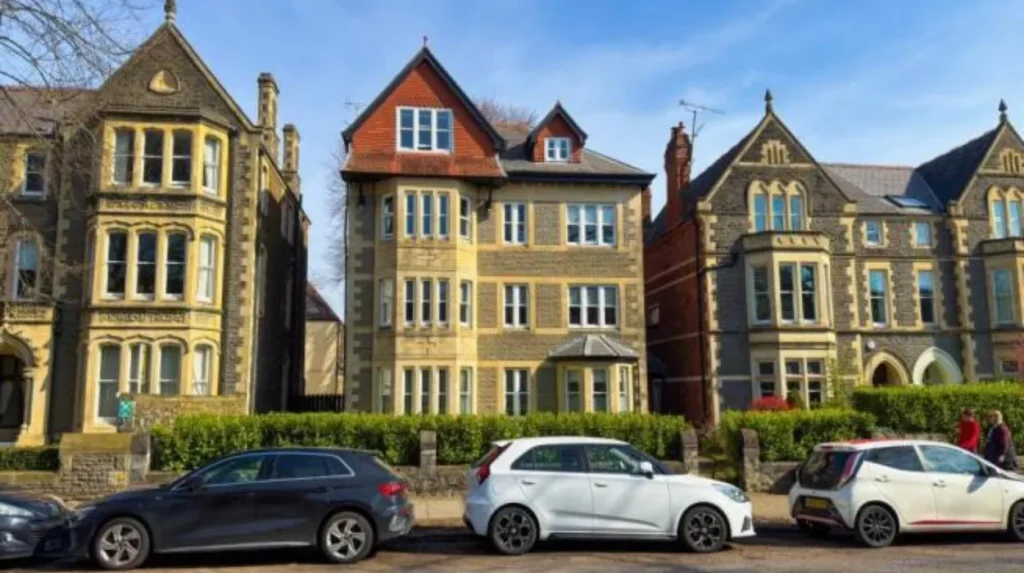
Canton and Victoria Park combine independent cafés, restaurants, cultural venues, green space and convenient access to central Cardiff. Canton is particularly associated with Chapter Arts Centre, Cowbridge Road, Victoria Park and independent businesses, creating a mixed residential and leisure environment.
Canton is west of central Cardiff and has developed a strong independent identity. Visit Cardiff describes the area as creative and independent, with a thriving food scene, Chapter Arts Centre and Victoria Park.
The neighbourhood is approximately a 15–25-minute walk from the city centre depending on the starting point and destination. This places many parts of Canton within practical walking distance of central workplaces, shops and entertainment.
What attracts couples to Victoria Park?
Victoria Park is one of Canton’s major recreational assets. The Grade II-listed park includes landscaped areas, a bandstand and family facilities. Its open space provides a local destination for walking and outdoor recreation.
Chapter Arts Centre is another defining feature. The multi-artform venue presents visual art, film and live performance, giving Canton a cultural destination within the neighbourhood itself.
Canton also benefits from Cowbridge Road East and surrounding streets, where cafés, restaurants and independent businesses provide everyday services.
Ninian Park railway station is around a 10-minute walk from the neighbourhood’s central attractions, while Cardiff Central is approximately 25 minutes away on foot according to Visit Cardiff. Cardiff Bus routes also connect Canton with central Cardiff.
This combination makes Canton relevant to couples seeking a neighbourhood with independent businesses, culture and green space without moving far from the city centre.
Why is Roath popular with young couples?
Roath attracts young couples through its combination of Roath Park, independent cafés, restaurants, cultural venues, local shops and residential streets. Its eastern position provides access to central Cardiff while giving residents a large historic park and active local commercial areas.
Roath is one of Cardiff’s established inner-city neighbourhoods. It is particularly associated with Roath Park, Wellfield Road, Albany Road and independent food businesses.
Visit Cardiff describes Roath as a vibrant neighbourhood with green spaces, food and drink businesses, creative activity and Roath Park. The neighbourhood is approximately 20–30 minutes from the city centre on foot.
What is special about Roath Park?
Roath Park is the area’s major green-space asset. The park opened in the late nineteenth century and contains a 30-acre lake, ornamental gardens, a conservatory and the Scott Memorial Lighthouse. Visit Cardiff identifies the park and lake as central features of the neighbourhood.
The lake provides a distinctive setting for walking and outdoor recreation. The park also creates a large green buffer within an otherwise urban part of Cardiff.
What is available around Wellfield Road?
Wellfield Road is one of Roath’s principal local commercial streets. It connects with Albany Road and contains cafés, restaurants, shops and independent businesses.
The Gate Arts Centre provides dance, music, theatre, singing, visual arts and writing programmes. The Globe is another established cultural venue in the neighbourhood.
Roath also has a strong café and food culture. Visit Cardiff lists businesses around Roath Park, Wellfield Road and Penylan, reflecting the area’s broader independent food scene.
For transport, Heath High Level and Heath Low Level railway stations are the nearest stations identified by Visit Cardiff, while Cardiff Bus routes provide connections from central Cardiff.

Why is Penylan attractive to couples looking for a quieter Cardiff neighbourhood?
Penylan provides a more residential setting while retaining access to cafés, local shops, parks and central Cardiff. Its location beside Roath and near Roath Park gives couples access to green space and independent businesses without living directly in the busiest central areas.
Penylan sits east of central Cardiff and is closely connected with the wider Roath area. It is particularly associated with residential streets, local amenities and access to Roath Park.
The neighbourhood works as an extension of the Roath lifestyle but has a more residential character in many streets. This makes it relevant to couples who want local facilities while prioritising residential surroundings.
What facilities are available in Penylan?
Penylan Pantry is identified by Visit Cardiff as a local food business on Kimberley Road. The business combines food retail with breakfast and brunch options and promotes local producers.
Penylan Library and Community Centre provides a community facility on Doyle Avenue. Cardiff’s accessibility information identifies the library as an accessible local public facility.
The proximity of Roath Park is another major advantage. Roath Park’s lake, gardens and walking routes provide access to outdoor recreation without travelling into the city centre.
Penylan therefore fits a specific type of young-couple lifestyle: residential living combined with access to nearby cafés, food businesses, parks and community facilities.
Its position also provides straightforward access to Roath’s commercial streets and the wider Cardiff transport network.
Why are Riverside and Grangetown becoming popular with young couples?
Riverside and Grangetown combine central access, food markets, live music, community activity, Victorian housing and connections to Cardiff Bay. Their proximity to Cardiff Central and the River Taff makes these neighbourhoods practical for couples seeking urban amenities and transport access.
Riverside and Grangetown sit south and southwest of central Cardiff. Visit Cardiff describes them as diverse inner-city areas with food markets, live music, entertainment and community activity.
Riverside is positioned beside the River Taff and provides access to the river, Bute Park and the Riverside Food Market. Grangetown has Victorian terraced housing, green spaces and strong community activity.
What makes Riverside attractive?
The Riverside Food Market is one of the area’s recognisable destinations. The River Taff also provides direct access to walking and cycling routes.
Riverside’s location is particularly important. The neighbourhood is around 10–20 minutes from central Cardiff on foot depending on the destination. This creates convenient access to central entertainment while retaining a distinct local identity.
What makes Grangetown attractive?
Grangetown combines residential streets with local businesses and transport facilities. Its railway station provides a direct rail connection with central Cardiff. Visit Cardiff states that trains from Grangetown to the city centre take approximately five minutes.
Cardiff Central is also around a 10-minute walk from the neighbourhood according to Visit Cardiff. The area therefore has strong transport accessibility for couples who commute or regularly travel through the city.
Grangetown is also connected with Cardiff Bay. The wider Bay area contains the Wales Millennium Centre, the Senedd, Cardiff Bay Barrage, restaurants, cultural attractions and the Cardiff Bay Trail. The official Cardiff Bay trail covers approximately 10 kilometres.
Why do some young couples choose Llandaff?
Llandaff appeals to couples seeking a historic residential environment with green space, local amenities and access to central Cardiff. Its historic cathedral, village-style centre and proximity to the River Taff create a different residential character from Cardiff’s denser inner-city neighbourhoods.
Llandaff is one of Cardiff’s historic communities. Visit Cardiff describes it as a historic cathedral city within Cardiff and identifies its connection with children’s author Roald Dahl.
The area’s defining landmark is Llandaff Cathedral, a historic religious building associated with the neighbourhood’s long-established identity.
Llandaff also benefits from proximity to green areas and the River Taff. Its location places it close to the Taff Trail and wider walking and cycling network.
What type of couple suits Llandaff?
Llandaff suits couples who prioritise a quieter residential environment while retaining access to Cardiff’s urban infrastructure.
Its character differs from neighbourhoods such as Cathays and the central districts. Visit Cardiff identifies Cathays as particularly popular with students because of its proximity to Cardiff’s university facilities, while Llandaff has a historic village-style identity.
This distinction is important when comparing Cardiff neighbourhoods. Young couples do not all have identical priorities. A couple working in central Cardiff and seeking cafés and evening venues has different requirements from a couple prioritising parks, quieter streets and established residential surroundings.
Why is Cardiff Bay considered by couples seeking modern urban living?
Cardiff Bay provides modern apartments, waterfront attractions, restaurants, cultural venues, walking routes and transport connections. It suits couples who prioritise contemporary urban surroundings, leisure facilities and access to the waterfront rather than traditional residential streets.
Cardiff Bay is the city’s major waterfront district and contains a mixture of residential, commercial, cultural and leisure development.
Important destinations include the Wales Millennium Centre, Senedd, Norwegian Church Arts Centre, Cardiff Bay Barrage and Cardiff International Sports Village. These destinations form part of the wider Bay visitor network.
The Cardiff Bay Trail covers approximately 10 kilometres and connects waterfront attractions, parks, cultural venues and transport facilities.
What makes Cardiff Bay different from Pontcanna or Roath?
Cardiff Bay has a stronger waterfront and modern-development identity. Pontcanna focuses more heavily on traditional residential streets, independent businesses and proximity to Bute Park and the Taff Trail. Roath combines residential streets with a historic park, lake and established commercial areas.
Cardiff Bay also has direct access to water-based recreation and large-scale cultural venues. The area is connected with Cardiff Central and Cardiff Bay railway station, while buses and walking routes provide additional transport options.
For couples who value restaurants, waterfront walks, events and modern apartments, the Bay represents a distinct Cardiff residential environment.
Which Cardiff neighbourhoods offer the strongest combination of lifestyle and accessibility?
Pontcanna, Canton, Roath, Penylan, Riverside, Grangetown, Llandaff and Cardiff Bay each combine residential and lifestyle features differently. The most suitable area depends on priorities such as walking access, green space, food, culture, transport, housing character and proximity to work.
Cardiff’s neighbourhood structure means there is no single urban lifestyle across the city. Different areas provide different combinations of amenities.
Pontcanna connects residential streets with restaurants, independent businesses, Bute Park, Pontcanna Fields and the Taff Trail.
Canton combines Chapter Arts Centre, Victoria Park, independent food businesses and Cowbridge Road access.
Roath combines Roath Park, its 30-acre lake, Wellfield Road, cafés, restaurants and cultural venues.
Penylan provides a residential setting close to Roath Park and local amenities such as Penylan Pantry and Penylan Library.
Riverside provides River Taff access, food markets and close proximity to central Cardiff.
Grangetown combines Victorian housing, community facilities, Cardiff Bay access and its own railway station.
Llandaff provides a historic setting, cathedral architecture, green space and access to the River Taff corridor.
Cardiff Bay provides waterfront living, cultural attractions, modern developments and the 10-kilometre Bay Trail.
The practical comparison is therefore based on lifestyle structure rather than a universal ranking. Couples should examine commuting distance, local transport, housing type, parking arrangements, access to green space and proximity to preferred activities.
Explore More Area Guide
Walkable Cardiff Neighbourhoods Compared: Best Areas to Explore
Best Places to Work Remotely Outside Cardiff City Centre
How should young couples choose an area of Cardiff?
Young couples should compare Cardiff neighbourhoods by daily travel, housing requirements, leisure preferences, green-space access, local amenities and transport. Visiting an area at different times provides practical information about traffic, parking, noise, pedestrian activity and access to everyday services.
The first consideration is daily travel. Couples working in central Cardiff benefit from neighbourhoods with short walking, cycling, bus or rail journeys.
The second consideration is housing type. Traditional terraces dominate parts of Cardiff’s inner neighbourhoods, while apartments are particularly prominent in newer waterfront developments.
The third consideration is green space. Pontcanna has Pontcanna Fields and nearby Bute Park. Roath has Roath Park and its 30-acre lake. Canton has Victoria Park. Cardiff Bay provides waterfront routes and the Bay Trail.
The fourth consideration is local food and social infrastructure. Pontcanna, Canton and Roath have particularly visible independent café and restaurant scenes, while Riverside and Grangetown have strong food-market and entertainment connections.
The fifth consideration is transport. Grangetown has its own railway station, Pontcanna is close to several stations, Canton is served by Ninian Park, and Roath is connected through Heath High Level and Heath Low Level.
Parking also differs between neighbourhoods. Cardiff’s visitor information identifies resident parking and dedicated car parks across Pontcanna, Canton, Roath and other districts.
The final decision therefore depends on the couple’s actual routine. A location that reduces commuting time, provides preferred leisure facilities and fits the required housing type creates a more practical long-term base.
What is the future relevance of Cardiff’s popular couple-friendly neighbourhoods?
Cardiff’s established neighbourhoods remain important because the city continues to combine compact urban access with residential communities, green infrastructure, cultural venues and expanding waterfront districts. Walkability, public transport, local businesses and access to parks remain central factors in neighbourhood appeal.
Cardiff’s urban structure supports neighbourhood-based living. The city centre remains compact and accessible, while districts surrounding it provide distinct local identities. Visit Cardiff continues to promote neighbourhood exploration across areas including Canton, Cathays, Riverside, Grangetown, Llandaff, Pontcanna, Roath and Whitchurch.
Green infrastructure is also a long-term feature of Cardiff’s urban environment. Bute Park, Roath Park, Victoria Park, the Taff Trail and Cardiff Bay routes create recreational networks across different parts of the city.
Transport will remain an important factor because Cardiff’s compact geography makes walking, cycling, buses and rail particularly relevant to neighbourhood accessibility. Official visitor guidance highlights the city’s extensive local transport options and pedestrian-friendly central area.
For young couples, the most relevant Cardiff areas are therefore those where residential life connects efficiently with everyday amenities. Pontcanna, Canton, Roath, Penylan, Riverside, Grangetown, Llandaff and Cardiff Bay each demonstrate a different version of that urban model.
The strongest semantic distinction is not simply between “expensive” and “affordable” neighbourhoods. It is between different combinations of housing, transport, green space, food, culture, waterfront access and distance from central Cardiff.
This makes Cardiff particularly suitable for neighbourhood-based living. Couples can remain close to the city centre while choosing an area that matches their preferred balance of residential character and urban activity.
What are the most popular areas of Cardiff for young couples?
Pontcanna, Roath, Canton, Penylan, Riverside, Grangetown, Llandaff and Cardiff Bay are prominent choices. Each area offers a different combination of housing, cafés, restaurants, green spaces, cultural venues and transport connections.