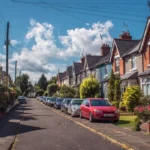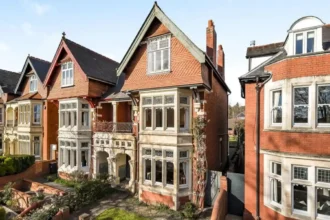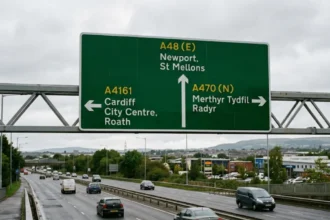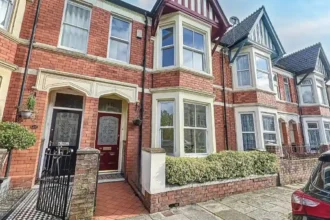
Cardiff is the capital of Wales and one of the largest urban housing markets in the country. Its residential market contains substantial differences between neighbourhoods. Areas such as Lisvane, Cyncoed, Pontcanna, Llandaff, Penylan and Radyr contain some of the city’s highest-value homes.
- What makes an area expensive to live in Cardiff?
- Which Cardiff areas have the highest average house prices?
- Why is Lisvane one of the most expensive areas in Cardiff?
- Why is Cyncoed considered an expensive Cardiff neighbourhood?
- Why does Radyr have relatively high property prices?
- Why is Llandaff one of Cardiff’s higher-value residential areas?
- Why is Penylan an expensive place to live in Cardiff?
- Why is Pontcanna expensive despite having many terraced homes?
- How do Cardiff’s expensive areas compare with the city-wide market?
- Which property types cost the most in Cardiff’s expensive areas?
- Are Cardiff’s most expensive areas also the most expensive places to rent?
- What should buyers consider when choosing an expensive Cardiff area?
- How should Cardiff house-price data be used when comparing neighbourhoods?
- What is the long-term outlook for expensive residential areas in Cardiff?
The definition of an expensive Cardiff area depends on the measure used. Average sold price is one useful measure. Property type is another. Detached homes command substantially higher prices than flats and terraced properties across Cardiff. Location, plot size, architectural character, transport access, schools, green space and proximity to employment centres also influence individual property values.
The latest Office for National Statistics and HM Land Registry figures show that the average Cardiff house price was £272,000 in July 2026, compared with £215,000 across Wales. Cardiff therefore remained one of the higher-priced local authority areas in Wales. The average Cardiff price increased by 2.7% between July 2025 and July 2026.
Neighbourhood-level sold-price data provides a more detailed picture. Rightmove’s latest HM Land Registry-based figures show an overall average of £573,698 in Lisvane, £429,226 in Cyncoed, £412,125 in Radyr, £386,407 in Llandaff, £382,791 in Penylan and £355,295 in Pontcanna over the latest year of recorded transactions.
These figures describe completed transactions rather than asking prices. They also reflect different mixes of flats, terraces, semi-detached houses and detached houses. A neighbourhood with many detached properties records a higher overall average than an area dominated by flats.
What makes an area expensive to live in Cardiff?
Expensive Cardiff neighbourhoods generally combine high property values with desirable housing types, established residential environments, green space, strong transport links and access to schools, amenities or employment. Lisvane, Cyncoed, Radyr, Llandaff, Penylan and Pontcanna illustrate these characteristics.
Housing is the most important measurable component of residential cost. Purchase prices affect deposits, mortgage requirements, transaction costs and long-term housing expenditure. Rental prices also contribute to the cost of living for tenants.
Property type creates a major difference. ONS data for Cardiff records an average July 2026 price of £519,000 for detached properties, compared with £325,000 for semi-detached homes, £262,000 for terraced properties and £161,000 for flats and maisonettes.
This explains why neighbourhood averages need careful interpretation. An area containing large detached houses can appear considerably more expensive than an area containing mostly terraced homes even when individual properties overlap in price.
Location also affects demand. Established neighbourhoods close to parks, schools, local shopping streets, major roads and railway stations often attract buyers seeking convenient residential environments.
Cardiff’s historic built environment is another factor. The city has 27 designated conservation areas, protecting areas with special architectural or historic interest. Conservation status can affect property alterations and planning requirements. Cardiff Council identifies areas including Cathedral Road, Roath Park, Roath Park Lake and Gardens, Llandaff-related areas and several historic central neighbourhoods.
Which Cardiff areas have the highest average house prices?
Current neighbourhood-level sold-price data places Lisvane at the highest overall average among the major expensive Cardiff areas examined, followed by Cyncoed, Radyr, Llandaff, Penylan and Pontcanna. The precise order changes as individual properties are sold.
Lisvane records an overall average sold price of £573,698 over the latest year covered by Rightmove’s HM Land Registry data. Detached properties averaged £676,785, while semi-detached properties averaged £424,541. Flats averaged £238,062.
Cyncoed recorded an overall average of £429,226. Detached properties were particularly expensive, averaging £724,883. Semi-detached properties averaged £391,464, while flats averaged £224,276.
Radyr recorded an overall average of £412,125. Detached properties averaged £518,349, semi-detached properties averaged £376,708 and terraced properties averaged £341,654.
Llandaff recorded an overall average of £386,407. Semi-detached properties averaged £450,999, terraced properties averaged £341,520 and flats averaged £199,142.
Penylan recorded an overall average of £382,791. Terraced properties averaged £449,278, semi-detached properties averaged £420,065 and flats averaged £222,084.
Pontcanna recorded an overall average of £355,295. Terraced properties averaged £442,588, semi-detached properties averaged £473,600 and flats averaged £225,094.
These figures should not be treated as permanent rankings. They represent recent completed sales and the property mix varies considerably between neighbourhoods.
Why is Lisvane one of the most expensive areas in Cardiff?
Lisvane has some of Cardiff’s highest residential values because its housing stock contains many large detached properties, substantial family homes and established residential streets. Recent HM Land Registry-based data records an overall average sold price of £573,698.
Lisvane is situated in north Cardiff. The neighbourhood has a predominantly suburban residential character. Its housing stock includes detached houses, semi-detached properties, flats and larger family homes.
The property’s size is particularly important to the area’s average. Detached homes sold for an average of £676,785 during the latest year recorded by Rightmove. That figure is substantially above Cardiff’s overall average.
Recent transactions demonstrate the range within the area. A flat at Lozelles Gardens sold for £355,000 in July 2026, illustrating that expensive neighbourhoods still contain different property types and price points.
Lisvane’s location also provides access to north Cardiff’s suburban amenities and transport network. Its residential environment attracts households seeking larger properties within the Cardiff administrative area.
The area’s high average therefore reflects both location and housing composition. It is not accurate to assume that every Lisvane property costs more than every property elsewhere in Cardiff.
Why is Cyncoed considered an expensive Cardiff neighbourhood?
Cyncoed is an expensive Cardiff neighbourhood because it contains substantial detached and semi-detached housing, established residential streets and access to parks, schools and wider north-east Cardiff amenities. Its latest overall sold-price average was £429,226.
Cyncoed is located in north-east Cardiff. The area includes established residential streets and larger family properties. It is particularly notable for detached housing.
Detached properties in Cyncoed recorded an average sold price of £724,883 during the latest year covered by Rightmove. Semi-detached homes averaged £391,464, while flats averaged £224,276.
The difference between detached and flat prices demonstrates why the neighbourhood average needs context. Large detached houses can substantially increase the area’s overall average.
Cyncoed also benefits from proximity to Roath Park and Roath Park Lake and Gardens. Cardiff Council identifies the Roath Park Lake and Gardens area as a conservation area extending across Cyncoed and Penylan.
The combination of established housing, green space and access to city services contributes to the area’s residential appeal. Property values nevertheless vary by street, size, condition, tenure and property type.
Why does Radyr have relatively high property prices?
Radyr has relatively high property prices because its housing stock includes substantial detached and semi-detached homes, while its suburban location provides access to Cardiff’s wider transport and employment network. Recent transactions produced an overall average sold price of £412,125.
Radyr is a suburban community in north-west Cardiff. Its housing market contains detached homes, semi-detached houses, terraced properties and flats.
The latest sold-price data records £518,349 as the average for detached properties in Radyr. Semi-detached homes averaged £376,708, while terraced properties averaged £341,654.
Individual transactions demonstrate the upper end of the market. A property on Drysgol Road sold for £770,000 in April 2026, while Hafod Y Ddinas on Heol Isaf sold for £995,000 in March 2026. These individual sales are not representative of the entire neighbourhood but demonstrate the presence of high-value housing.
Radyr also has railway access through Radyr station, connecting the community with Cardiff and surrounding areas. Its combination of suburban housing and transport connectivity supports its role as an established residential location.
Why is Llandaff one of Cardiff’s higher-value residential areas?
Llandaff combines historic character, established housing, green space and access to Cardiff’s western districts. Recent HM Land Registry-based data records an overall average sold price of £386,407, with semi-detached homes averaging £450,999.
Llandaff is a historic community in western Cardiff. It is strongly associated with Llandaff Cathedral, historic streets, established housing and the River Taff.
The neighbourhood’s property market contains different housing types. During the latest year recorded by Rightmove, semi-detached properties averaged £450,999, terraced homes averaged £341,520 and flats averaged £199,142.
The area’s historic character is an important part of its built environment. Cardiff Council’s conservation programme protects buildings, archaeological remains and open spaces that contribute to Cardiff’s historic character. Conservation controls can influence alterations to properties and therefore form part of the practical considerations for owners.
Llandaff’s location also provides access to Cardiff’s western transport corridors, educational institutions, green spaces and city-centre employment areas.
The combination of historic environment and established housing explains why Llandaff frequently appears among Cardiff’s higher-value residential communities.
Why is Penylan an expensive place to live in Cardiff?
Penylan has relatively high property values because it contains substantial period housing, family homes and streets close to Roath Park and eastern Cardiff amenities. Its latest overall sold-price average was £382,791, with terraced properties averaging £449,278.
Penylan is located east of Cardiff city centre. The neighbourhood is known for established residential streets and proximity to Roath Park.
Its property market contains terraced, semi-detached, detached and flat properties. Recent sold-price data records an overall average of £382,791. Terraced properties averaged £449,278, while semi-detached homes averaged £420,065.
Individual sales demonstrate the range. A four-bedroom semi-detached property on Kimberley Road sold for £610,000 in January 2026. A detached property on Colchester Avenue sold for £490,000 in June 2026.
Penylan’s proximity to Roath Park is another defining geographical feature. Cardiff Council identifies Roath Park and Roath Park Lake and Gardens among the city’s conservation areas.
The area’s location provides access to central Cardiff, Roath, Albany Road and surrounding employment and education districts.
Why is Pontcanna expensive despite having many terraced homes?
Pontcanna commands relatively high prices because its established terraced housing is located close to central Cardiff, green spaces, local amenities and major employment districts. Recent sales produced an overall average of £355,295, with terraced homes averaging £442,588.
Pontcanna is an inner-west Cardiff neighbourhood close to the city centre and Canton. It contains Victorian and Edwardian-era terraces, flats and larger houses.
The latest overall sold-price average was £355,295. Terraced homes accounted for most sales and averaged £442,588. Semi-detached properties averaged £473,600, while flats averaged £225,094.
Individual transactions demonstrate the premium attached to larger homes. A property on Fairleigh Road sold for £605,000 in January 2026. Several properties on Pontcanna Street recorded sales above £600,000 in recent years.
Pontcanna’s location is a major component of its housing market. Residents have access to central Cardiff, local retail areas, parks and employment centres without living in the city centre itself.
The neighbourhood therefore demonstrates that expensive housing does not depend exclusively on detached properties. Large period terraces in strategically located urban neighbourhoods can also command high prices.
How do Cardiff’s expensive areas compare with the city-wide market?
Cardiff’s expensive neighbourhoods sit substantially above the city’s official average when recent local sold-price data is compared with the wider market. ONS recorded £272,000 in July 2026, while Rightmove’s broader sold-price dataset recorded £311,672.
Different housing datasets use different methodologies and coverage. The ONS local housing statistics reported a £272,000 provisional average house price for Cardiff in July 2026. The corresponding Wales average was £215,000.
Rightmove’s HM Land Registry-based Cardiff page reported an overall average sold price of £311,672 over its latest year of recorded transactions. Its property-type averages were £282,679 for terraced properties, £360,035 for semi-detached properties and £176,796 for flats.
The difference between the two Cardiff-wide figures does not mean one source is necessarily incorrect. Housing statistics can use different periods, data processing methods and coverage.
The comparison still demonstrates the central point. Cardiff contains substantial internal variation. Neighbourhood averages in Lisvane, Cyncoed, Radyr, Llandaff, Penylan and Pontcanna can sit well above city-wide measures.
Which property types cost the most in Cardiff’s expensive areas?
Detached houses generally command the highest prices in Cardiff because they provide larger internal areas, private gardens, parking and greater land ownership. July 2026 Cardiff averages were £519,000 for detached homes, £325,000 for semi-detached homes and £161,000 for flats.
Property type is one of the strongest measurable influences on Cardiff house prices.
ONS recorded a £519,000 average for detached homes in Cardiff in July 2026. Semi-detached properties averaged £325,000. Terraced properties averaged £262,000. Flats and maisonettes averaged £161,000.
This pattern appears clearly in expensive neighbourhoods.
In Lisvane, detached properties averaged £676,785. In Cyncoed, detached properties averaged £724,883. In Radyr, detached homes averaged £518,349.
Large terraced houses also command high prices in areas such as Pontcanna and Penylan. Pontcanna terraced properties averaged £442,588, while Penylan terraced properties averaged £449,278.
Therefore, buyers should compare properties within the same housing category rather than relying solely on neighbourhood averages.
Are Cardiff’s most expensive areas also the most expensive places to rent?
Cardiff’s expensive purchase areas are not automatically the most expensive rental areas because rents depend on property size, supply, location and rental demand. City-wide ONS data recorded an average private rent of £1,177 per month in August 2026.
The private rental market operates differently from the sales market. Purchase prices reflect ownership values, while rents reflect the cost of occupying a property under a tenancy.
ONS recorded an average Cardiff private rent of £1,177 per month in August 2026, up 3.5% from £1,138 in August 2025.
Rental costs also vary by bedroom count. In August 2026, the Cardiff averages were £908 for one-bedroom properties, £1,085 for two-bedroom properties, £1,211 for three-bedroom properties and £1,703 for properties with four or more bedrooms.
Property type also affects rents. Detached properties averaged £1,516 per month, compared with £1,186 for semi-detached properties, £1,177 for terraced properties and £995 for flats and maisonettes.
This means households renting in an expensive neighbourhood should examine comparable rental properties rather than assuming purchase-price rankings directly determine rental costs.
What should buyers consider when choosing an expensive Cardiff area?
Buyers considering expensive Cardiff neighbourhoods should examine actual sold prices, property type, transport, local amenities, planning restrictions, conservation status, running costs and future resale factors. Recent transactions provide a stronger price reference than asking prices alone.
Sold-price evidence provides the most useful starting point. HM Land Registry records completed transactions, while Cardiff Council provides information on planning constraints and conservation areas.
A buyer should compare recent transactions for properties with similar characteristics. These characteristics include property type, bedroom count, floor area, tenure, parking, garden size, condition and location.
Planning restrictions are another consideration. Cardiff has 27 conservation areas, and properties within these areas can face additional controls over alterations. Article 4 Directions can introduce further restrictions for specific types of development or external changes.
Local land charges also form part of the property-buying process. Cardiff Council states that searches can identify planning permissions, conservation areas, tree preservation orders, listed buildings and environmental health notices.
Transport is also relevant. A higher purchase price can be offset for some households by proximity to railway stations, major roads, employment centres and everyday services.
The correct assessment therefore combines the property itself with its wider location.
Explore More Area Guide
Affordable Areas to Rent in Cardiff | 2026 Guide
Where to Live in Cardiff Without a Car: Best Connected Areas
How should Cardiff house-price data be used when comparing neighbourhoods?
Cardiff house-price data should be used as a comparative guide rather than a permanent neighbourhood ranking. Buyers should compare recent sold transactions, property types, dates and local characteristics because averages change when different numbers and types of homes are sold.
Neighbourhood averages are sensitive to the properties that change hands during a particular period.
For example, a year containing several detached-house sales produces a different average from a year dominated by flats and smaller terraces. This effect is particularly important in smaller neighbourhoods.
HM Land Registry’s Price Paid Data allows users to examine individual completed transactions in England and Wales. The government’s house-price service also provides trends by date, property type, region, county and local authority.
ONS also warns that local housing data is based on fewer properties than national estimates. It recommends examining trends over a year or longer because short-term movements can be more variable.
For Cardiff, this means a useful comparison should include both city-wide statistics and neighbourhood-level transaction data.
The latest figures identify Lisvane, Cyncoed, Radyr, Llandaff, Penylan and Pontcanna as important high-value residential markets, but individual properties within these areas can differ substantially in price.
What is the long-term outlook for expensive residential areas in Cardiff?
Cardiff’s established high-value neighbourhoods remain important residential markets because their housing supply, location, built character and property types create distinct market conditions. Future prices depend on interest rates, household incomes, supply, demand, development and wider economic conditions.
Cardiff’s housing market has experienced long-term price changes alongside wider UK and Welsh housing cycles.
The latest ONS data records a 2.7% annual increase in Cardiff’s average house price between July 2025 and July 2026, taking the provisional average from £265,000 to £272,000.
Rental prices also increased. Cardiff’s average private rent reached £1,177 in August 2026, representing a 3.5% annual increase.
Neighbourhood performance is not uniform. Rightmove’s latest sold-price data recorded a 5% increase in Cardiff’s overall average compared with its 2023 peak, while individual areas showed different movements. Lisvane’s recent average was 5% higher than the previous year, while Cyncoed was 9% lower and Llandaff was 11% higher.
These differences demonstrate why Cardiff’s expensive areas should be understood as individual housing markets rather than a single category.
For future buyers, the most relevant indicators remain recent completed sales, property supply, property type, local planning conditions, transport accessibility and household affordability.
Cardiff’s most expensive residential areas are therefore defined by a combination of measurable housing values and location-specific characteristics. Lisvane currently records the highest overall average among the major neighbourhoods examined, while Cyncoed, Radyr, Llandaff, Penylan and Pontcanna also record high recent sold-price averages. The exact position of each area changes as new transactions enter the market.
What is the most expensive area to live in Cardiff?
Lisvane is among the most expensive areas to live in Cardiff based on recent sold-price data. Its overall average sold price was around £573,698, with detached homes averaging substantially more.