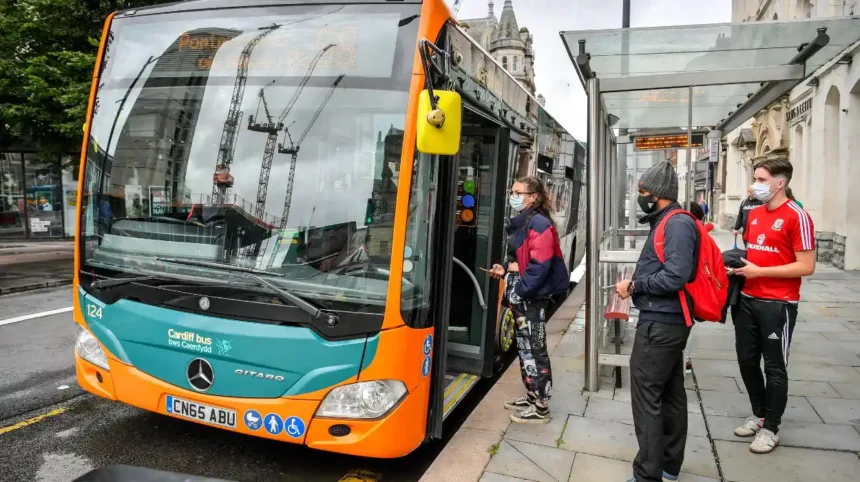
Cardiff is a compact capital city with strong rail, bus, walking and cycling connections between residential neighbourhoods, employment districts and leisure areas. For young professionals, location affects commuting time, access to services, housing choice, nightlife, green space and everyday travel costs.
- What makes an area of Cardiff suitable for young professionals?
- Which Cardiff areas are closest to the city centre?
- Is Cardiff city centre a good location for young professionals?
- Is Canton suitable for young professionals?
- Is Pontcanna suitable for young professionals?
- Is Roath and Plasnewydd suitable for young professionals?
- Is Cathays suitable for young professionals after university?
- Is Cardiff Bay a good area for young professionals?
- Is Grangetown practical for young professionals?
- How important is public transport when choosing a Cardiff area?
- How does cycling and walking affect Cardiff’s young-professional lifestyle?
- What transport options are available for commuting outside Cardiff?
- How do Cardiff’s employment patterns influence where young professionals live?
- What should young professionals check before choosing a Cardiff neighbourhood?
- How is Cardiff’s transport system changing?
- Which Cardiff areas offer different lifestyle and transport combinations?
- What is the long-term relevance of Cardiff’s neighbourhoods for young professionals?
Cardiff Central is the main railway station and a major transport interchange in the city centre. Cardiff Queen Street provides another important rail connection, particularly for routes toward Cathays and the north and east of the city. Cardiff also has an extensive local bus network and an expanding active-travel network.
For a young professional, the most relevant Cardiff areas include the city centre, Canton, Pontcanna, Riverside, Roath, Plasnewydd, Cathays, Grangetown and Cardiff Bay. Each area provides a different combination of transport access, housing character, employment proximity, restaurants, cultural venues, parks and evening activities.
What makes an area of Cardiff suitable for young professionals?
A suitable Cardiff area for young professionals combines reliable transport, access to employment, practical housing, local services, social venues, green space and convenient connections to the city centre. The balance between commute, lifestyle and housing location defines everyday suitability.
Young professionals generally need more than a short journey to work. A practical residential location also needs shops, cafés, restaurants, leisure facilities and reliable evening transport.
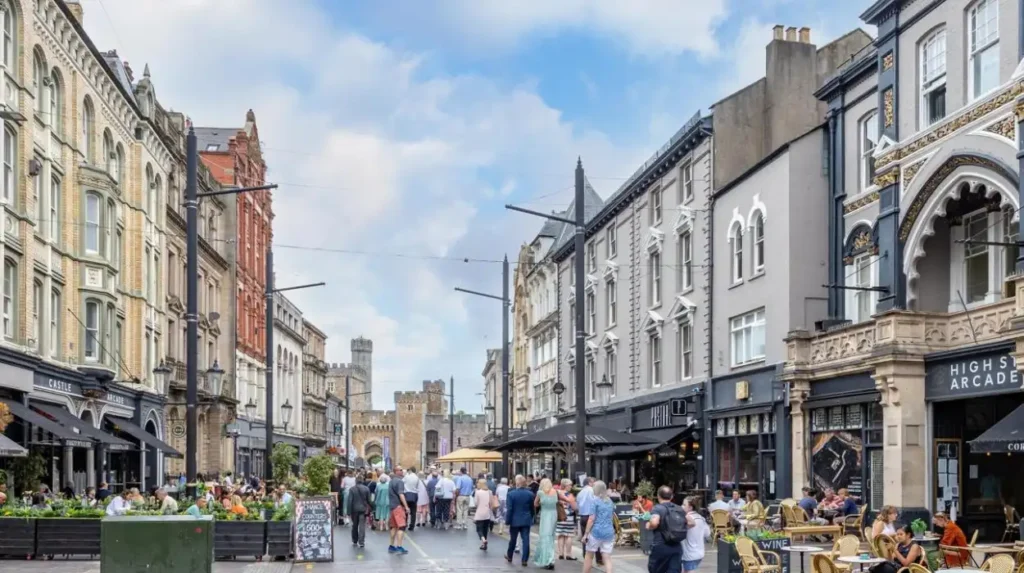
Cardiff has an advantage because its central districts are relatively compact. Visit Cardiff describes the city as compact enough to explore on foot, with many major attractions, restaurants and shops within walking distance of Cardiff Central.
Transport is particularly important because Cardiff’s employment, education, cultural and entertainment functions are distributed across several connected districts.
Cardiff Central sits in the main commercial and transport core. Cardiff Queen Street serves the eastern side of the central area and provides connections toward Cathays, Heath, Caerphilly and the Valleys. Cathays station serves the university district and is around 15 minutes’ walk from central Cardiff.
Lifestyle also varies substantially by neighbourhood. Canton and Pontcanna provide access to Cowbridge Road East, cafés, independent businesses and nearby parks. Roath and Plasnewydd connect residents with City Road, Albany Road and the wider eastern city. Cardiff Bay provides waterfront attractions, cultural venues and restaurants.
Which Cardiff areas are closest to the city centre?
Cardiff city centre, Riverside, Cathays, Plasnewydd, Roath, Grangetown and parts of Canton provide relatively direct access to central Cardiff. Walking, cycling, bus and rail connections make these areas practical for professionals working in central offices.
Cardiff city centre provides the shortest geographic relationship with major central employers, shops, restaurants and transport facilities. Cardiff Central station is located at Central Square, while the central bus interchange is adjacent to the railway station.
Riverside sits immediately west of the city centre. Its location places residents close to central employment areas and the River Taff corridor.
Cathays is north of the city centre and has its own railway station. Transport for Wales identifies Cathays as the closest station to many Cardiff University buildings. The station handles more than one million passengers annually and provides a direct rail connection toward Cardiff Queen Street and destinations further north.
Plasnewydd sits east of Cathays and is closely connected to Roath and the city centre. Its position gives residents access to City Road, Albany Road and central Cardiff.
Grangetown lies south of the central district. Its location provides access to Cardiff Central, Cardiff Bay and the wider southern part of the city.
Canton lies west of the centre. Cowbridge Road East provides a major local commercial corridor, while Riverside and central Cardiff are within relatively short travel distances.
Is Cardiff city centre a good location for young professionals?
Cardiff city centre provides the strongest concentration of employment, public transport, shopping, restaurants, entertainment and cultural facilities. Cardiff Central and the central bus interchange create direct connections for residents who prioritise short commutes and access to urban services.
The city centre is the primary commercial and transport hub. Cardiff Central is the main railway station and a large transport interchange. It connects with the South Wales Main Line and provides onward rail services across Wales and into England.
The central bus interchange provides 14 bus bays and is designed to improve connections between bus, rail and other transport modes. Transport for Wales describes the wider Metro Central programme as an integrated transport hub linking public transport, walking and cycling.
The city centre also places residents close to Cardiff’s major employment, retail and cultural destinations.
Central living reduces the need for long daily journeys. Walking becomes practical for many errands. Rail travel is also convenient for professionals who commute outside Cardiff.
The main consideration is the urban character. City-centre living prioritises proximity and accessibility rather than suburban space.
For professionals who work in central offices, hospitality, retail, finance, government, professional services or cultural industries, the location provides direct access to major employment and leisure destinations.
Is Canton suitable for young professionals?
Canton combines residential streets with independent businesses, restaurants, cafés and strong road and bus connections toward central Cardiff. Its position west of the city centre makes it relevant for professionals who want urban amenities without living directly in the central commercial district.
Canton is located west of Cardiff city centre and forms part of the city’s inner urban area. Cowbridge Road East provides a major connection between Canton, Riverside and central Cardiff.
The neighbourhood has a mixed residential character. Housing includes traditional terraces alongside converted properties and modern residential accommodation.
Canton also connects with Pontcanna and Llandaff through the western side of the central city.
For lifestyle, Cowbridge Road East provides shops, food businesses and everyday services. Chapter Arts Centre is also located in the Canton area and contributes to Cardiff’s cultural activity.
Transport connections focus strongly on buses and road routes. Cycling and walking are also relevant for short journeys into the central area.
Canton is particularly useful for professionals who want access to central Cardiff while remaining close to local cafés, restaurants and community facilities.
Is Pontcanna suitable for young professionals?
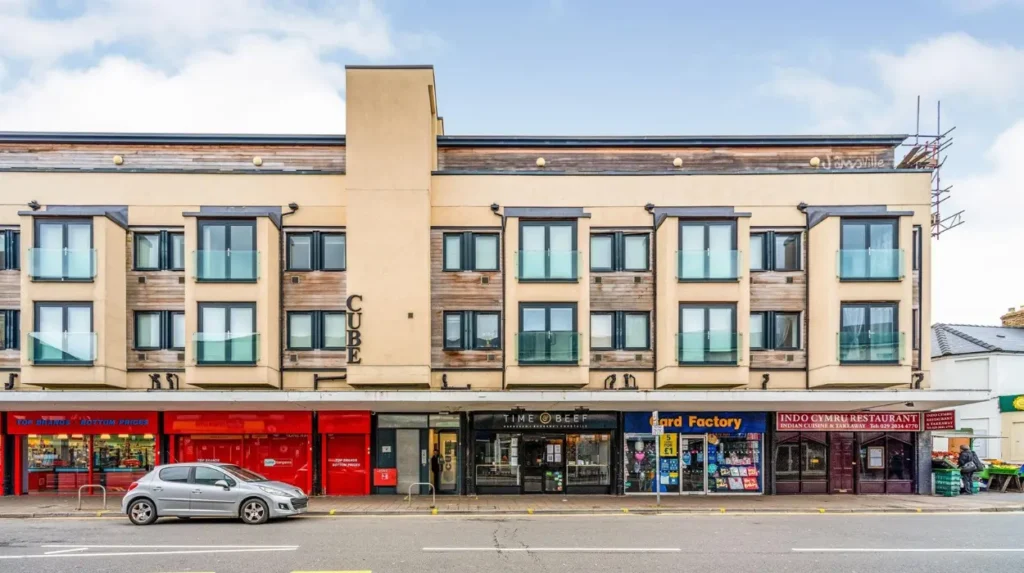
Pontcanna combines residential streets, independent food businesses, green space and proximity to central Cardiff. Its location beside Bute Park, Pontcanna Fields and the River Taff makes it relevant to professionals seeking convenient city access alongside substantial outdoor recreation.
Pontcanna is west of Cardiff city centre and directly connected with Canton, Riverside and the central districts.
Its lifestyle profile is strongly associated with independent cafés, restaurants, local shops and access to green space. Pontcanna Fields provides a large outdoor area, while Bute Park lies immediately east across the River Taff.
The area’s location supports walking and cycling into central Cardiff. The River Taff corridor provides an important active-travel route through the city.
Cardiff Council’s active-travel network includes existing and planned routes for walking and cycling. The network is governed by requirements under the Active Travel (Wales) Act 2013, and Cardiff’s current network map was approved by the Welsh Government in December 2022.
Pontcanna also has road connections through Cathedral Road, Western Avenue and nearby routes.
For young professionals, the area combines proximity to employment districts with access to restaurants, cafés and open space.
Is Roath and Plasnewydd suitable for young professionals?
Roath and Plasnewydd provide strong access to Cardiff city centre, Cardiff University, City Road, Albany Road and eastern neighbourhoods. Their location supports a lifestyle based around restaurants, cafés, independent businesses, education, employment and frequent urban transport connections.
Roath and Plasnewydd form a major inner-city residential area east of the central district.
The neighbourhoods are closely associated with City Road and Albany Road. These commercial corridors contain food businesses, shops and everyday services.
Cardiff University and the Cathays area are nearby, creating strong links with the student and graduate population. The proximity to the university district also supports demand for private rented accommodation and shared housing.
Plasnewydd is one of the areas included in Cardiff Council’s parking-management planning for inner-city districts. The council’s current programme identifies Cathays, Plasnewydd, Riverside, Adamsdown and Grangetown as priority inner-city areas because of limited parking.
This makes transport choice particularly relevant. Bus, walking and cycling can reduce dependence on private parking.
Roath Park lies further north and provides a major green-space destination for residents of Roath and surrounding neighbourhoods.
For professionals who want restaurants and local businesses close to home, Roath and Plasnewydd provide a dense urban environment with direct connections into central Cardiff.
Is Cathays suitable for young professionals after university?
Cathays provides direct access to Cardiff University, Cardiff city centre and Cardiff Queen Street through rail, walking and bus connections. Its central location makes it particularly relevant to graduates transitioning from student accommodation into professional employment.
Cathays has a strong connection with Cardiff’s university population. Cathays railway station is close to many Cardiff University buildings and handles more than one million passengers each year.
The station provides access toward Cardiff Queen Street and destinations including Heath, Caerphilly and the Valleys.
Cathays also connects to the city centre by walking. Transport for Wales states that the walk from Cathays station to central Cardiff takes around 15 minutes.
The neighbourhood contains substantial rented housing and shared accommodation. Cardiff Council has specific letting-board controls in Cathays and Plasnewydd, reflecting the area’s concentration of private rented housing.
For graduates, the key benefit is location. A resident can remain close to university facilities while gaining easy access to central employment.
The lifestyle is more student-oriented than some other professional districts. Residents should therefore consider the type of residential environment they want after graduation.
Is Cardiff Bay a good area for young professionals?
Cardiff Bay combines waterfront housing, cultural venues, restaurants, leisure facilities and access to central Cardiff. It suits professionals working in the Bay, city centre or nearby employment districts who prioritise waterfront amenities and modern urban development.
Cardiff Bay is one of the city’s major regeneration and leisure districts.
The area contains the Wales Millennium Centre, Senedd Cymru, waterfront restaurants and cultural attractions. It also provides access to Mermaid Quay and the wider Bay waterfront.
Cardiff University research has identified Cardiff Bay as an important cluster for film, television, video, radio and photography within the city’s creative economy.
Transport links include Cardiff Bay railway station and bus services. The wider South Wales Metro programme also includes plans to improve rail connections between Cardiff Central and Cardiff Bay. Transport for Wales identifies Cardiff Central to Cardiff Bay as a priority connection within the Cardiff Crossrail programme.
Cardiff Bay also has substantial parking infrastructure. Cardiff Council lists Havannah Street car park with 239 spaces.
For young professionals, the area offers a distinct waterfront lifestyle while remaining connected to central Cardiff.
Is Grangetown practical for young professionals?
Grangetown provides a strategically located residential base between Cardiff city centre and Cardiff Bay. Its transport connections, proximity to central employment, access to regeneration projects and links with the Taff and Bay areas support a practical urban lifestyle.
Grangetown sits immediately south of Cardiff city centre and close to Cardiff Bay.
The location creates short connections between several major destinations. Residents can travel north to central Cardiff, south to Cardiff Bay and west toward Riverside and the River Taff corridor.
Grangetown has experienced regeneration investment. Cardiff Council reports improvements including pedestrian infrastructure, street trees, road surfacing and community gardens in North Grangetown.
The council also identifies Grangetown among the inner-city areas prioritised for parking-management implementation.
The neighbourhood therefore provides an example of how transport policy, public-realm improvements and residential development interact.
For young professionals, Grangetown’s main geographical advantage is its position between central Cardiff and Cardiff Bay.
How important is public transport when choosing a Cardiff area?
Public transport is important because Cardiff’s railway stations, bus corridors and integrated transport projects connect residential neighbourhoods with employment, education, shopping and leisure destinations. Location near a reliable route can reduce daily travel time and private-car dependence.
Cardiff’s transport system combines rail, buses, walking and cycling.
Transport for Wales provides a multimodal journey planner covering buses, trains, walking and cycling. Its travel map also identifies bus stops, railway stations and park-and-ride facilities.
Rail is particularly important for journeys between Cardiff and the surrounding South Wales region. Cardiff Central provides connections across Wales and into England, while the Valley Lines connect the capital with communities north of the city.
Bus services provide broader neighbourhood coverage. They are particularly important in districts without a railway station.
Walking and cycling form the final part of many journeys. Cardiff Council’s active-travel network contains existing and proposed routes designed to improve walking and cycling connections.
Transport should therefore be assessed at the street level. A neighbourhood can have good overall connectivity while individual properties have different walking distances to stations and bus stops.
How does cycling and walking affect Cardiff’s young-professional lifestyle?
Walking and cycling provide practical transport options for short Cardiff journeys, especially between inner-city neighbourhoods and central employment areas. Cardiff’s active-travel network includes existing routes and future proposals designed to improve everyday walking and cycling connections.
Cardiff is relatively compact. Many central destinations can be reached without a car.
The River Taff corridor provides an important north-south route for active travel. Bute Park and surrounding green corridors also create connections between central and western neighbourhoods.
Cardiff Council’s Active Travel Network Map records routes that meet Welsh Government design standards. Future routes are planned over a 15-year period and are prioritised through the council’s transport planning process.
For young professionals, active travel can connect home and work without requiring a separate parking space.
Walking is particularly practical in areas such as the city centre, Riverside, Cathays, Canton, Pontcanna, Grangetown and Plasnewydd.
Cycling becomes more useful when the journey crosses several neighbourhoods or follows the Taff corridor.
What transport options are available for commuting outside Cardiff?
Professionals commuting outside Cardiff can use Cardiff Central, Cardiff Queen Street and the wider South Wales rail network, supported by park-and-ride facilities and integrated ticketing. Rail provides connections toward Swansea, Newport, the Valleys and destinations elsewhere in Britain.
Cardiff Central is the principal rail hub. Transport for Wales lists destinations including Swansea, Manchester, Liverpool, Chester and Bangor from the station network.
The surrounding rail network provides connections to communities throughout South Wales.
Cardiff also has 24 rail stations with park-and-ride facilities within the wider Cardiff system. Transport for Wales states that more than 2,000 parking spaces are available across these facilities and that the stations are within 30 minutes of Cardiff Central by train.
This creates a practical option for commuters living outside the central urban area.
Young professionals who work partly in Cardiff and partly elsewhere should therefore consider proximity to a railway station rather than focusing only on road distance.
Rail connections also support weekend travel. Transport for Wales operates an Explore Cardiff and Valleys ticket covering designated rail services across the Cardiff and Valleys area.
How do Cardiff’s employment patterns influence where young professionals live?
Cardiff’s employment base spans government, professional services, education, healthcare, finance, creative industries, technology and the wider public and private sectors. Young professionals therefore benefit from residential areas with strong connections to several employment districts rather than one specific workplace.
Cardiff is Wales’s capital and contains major public-sector, professional and commercial employment.
Cardiff University also contributes substantially to the city’s graduate economy. Its recent Graduate Outcomes information records employment and further-study outcomes across sectors including business, government, healthcare, finance, technology and professional services.
The city’s creative economy has an established presence, with Cardiff Bay particularly associated with film and television activity.
This employment diversity affects residential choice.
A professional working near Cardiff Bay has different commuting requirements from someone working near Cathays, the city centre or Heath.
For this reason, areas with several transport options provide flexibility when employment changes.
A graduate can also move from a university-related job into a central professional role without necessarily changing neighbourhood.
What should young professionals check before choosing a Cardiff neighbourhood?
Young professionals should compare the exact commute, nearest station or bus stop, walking routes, housing type, parking conditions, local services, green space and evening transport before choosing a Cardiff neighbourhood. Street-level conditions often differ from the reputation of an entire area.
The first factor is the daily commute. Measure the journey from the actual property rather than the neighbourhood centre.
The second factor is transport frequency. A nearby railway station is useful only when its routes and timetable match the working pattern.
The third factor is housing. Cardiff’s inner districts contain terraces, flats, converted properties, purpose-built developments and shared accommodation.
The fourth factor is parking. Cardiff Council is introducing its city parking plan in three phases over 10 years, with inner-city districts prioritised because of parking pressure.
The fifth factor is lifestyle infrastructure. Check supermarkets, cafés, gyms, restaurants, parks and evening venues within walking distance.
The sixth factor is active travel. Cardiff Council’s network map provides a useful way to identify existing and planned walking and cycling routes.
The final factor is future development. Cardiff has eight strategic development sites allocated through its Local Development Plan. These sites are intended to accommodate new homes and employment alongside supporting infrastructure such as sustainable transport, schools, community facilities and green space.
How is Cardiff’s transport system changing?
Cardiff’s transport system is moving toward greater integration between rail, buses, walking and cycling. Metro Central, Cardiff Central improvements, the central bus interchange and active-travel programmes are reshaping connections between neighbourhoods and the wider Cardiff region.
Transport for Wales is developing Metro Central around Cardiff Central as a major transport hub.
The programme includes improvements to Cardiff Central railway station, the central bus interchange and connections between different transport modes.
The Cardiff Central area is therefore becoming increasingly important to the city’s transport structure.
The active-travel network is also expanding. Cardiff Council’s approved network map includes future routes planned over a 15-year period.
These changes matter for young professionals because employment and housing patterns change over time.
A neighbourhood with access to multiple transport modes provides more options when a person’s workplace, working hours or lifestyle changes.
Cardiff’s future transport planning therefore reinforces the importance of connectivity when assessing residential areas.
Explore More Area Guide
Most Expensive Areas to Live in Cardiff: Lisvane & Cyncoed
Affordable Areas to Rent in Cardiff | 2026 Guide
Which Cardiff areas offer different lifestyle and transport combinations?
Cardiff’s main young-professional neighbourhoods differ by their combination of central access, transport, housing and leisure. City centre prioritises proximity; Canton and Pontcanna emphasise local amenities; Roath and Cathays connect with university districts; Cardiff Bay focuses on waterfront living.
The city centre provides the highest concentration of transport and employment facilities.
Canton provides western city access with local commercial activity.
Pontcanna combines central connectivity with parks, cafés and the River Taff corridor.
Cathays connects strongly with Cardiff University and central Cardiff through rail, bus and walking routes.
Roath and Plasnewydd provide dense residential environments close to City Road, Albany Road and central employment.
Grangetown occupies a strategic position between central Cardiff and Cardiff Bay.
Cardiff Bay provides a waterfront setting with cultural, entertainment and creative-industry connections.
The appropriate choice depends on the relationship between workplace, housing, transport and lifestyle requirements. Cardiff’s compact geography means several neighbourhoods can provide practical access to the same central employment areas while offering different residential environments.
What is the long-term relevance of Cardiff’s neighbourhoods for young professionals?
Cardiff’s combination of employment growth, urban regeneration, rail investment, bus infrastructure and active-travel planning makes transport connectivity a long-term factor in residential decisions. Neighbourhoods connected to multiple transport modes provide flexibility as jobs, housing and daily routines change.
Cardiff continues to plan new homes and employment through its Local Development Plan. The council’s strategic-site programme links development with sustainable transport, schools, community facilities and green spaces.
Transport investment is also moving beyond individual bus or rail services toward integrated networks.
This matters because young professionals often experience several changes during their early careers. A first job can be replaced by another employer. Hybrid working can alter commuting frequency. Professional development can require travel across Cardiff or South Wales.
A well-connected neighbourhood accommodates these changes more easily.
For Cardiff residents, transport should therefore be considered as part of the wider lifestyle infrastructure. The best-known neighbourhood is not automatically the most practical location for every professional. The decisive factors are the actual workplace, housing requirements, preferred travel mode, access to services and desired daily environment.
Cardiff’s compact urban structure gives young professionals several options. City centre, Canton, Pontcanna, Cathays, Roath, Plasnewydd, Grangetown and Cardiff Bay each connect residential life with the wider city in different ways. Rail, buses, walking and cycling provide the framework that links these areas together.
What are the best Cardiff areas for young professionals?
Cardiff city centre, Pontcanna, Canton, Roath, Plasnewydd, Cathays, Grangetown and Cardiff Bay are key areas for young professionals. Each offers different combinations of transport access, housing, restaurants, green spaces and employment connections.