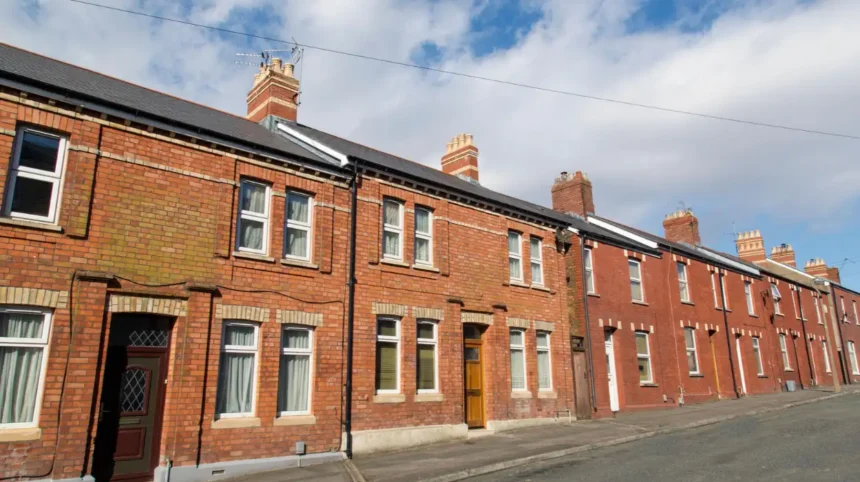
Cardiff Council housing is part of the social housing system that provides affordable rented homes to eligible people who need suitable accommodation. Cardiff Council manages housing applications and allocations, working with housing associations to help residents access homes according to assessed housing need.
- How Does the Cardiff Council Housing System Work?
- Who Is Eligible to Apply for Cardiff Council Housing?
- How Do You Apply for Cardiff Council Housing?
- How Does the Cardiff Council Housing Waiting List Work?
- How Does Cardiff Council Prioritise Housing Applications?
- Which Circumstances Can Increase Housing Priority?
- How Does the Council Match Households With Properties?
- What Should You Do If You Are Homeless or at Risk of Losing Your Home in Cardiff?
- What Should You Do When Eviction Is Approaching?
- Can Cardiff Council Help People Who Are Already Homeless?
- What Types of Homes Are Available Through Cardiff Council Housing?
- What Is the Difference Between a Flat and a Council House?
- What Are Housing Association Properties?
- Are Accessible Homes Available?
- How Much Does Cardiff Council Housing Cost?
- What Rights and Responsibilities Do Cardiff Council Tenants Have?
- How Can You Update or Challenge a Cardiff Housing Decision?
- What Other Housing Options Are Available in Cardiff?
- Is Private Renting an Alternative?
- Can Housing Associations Provide an Alternative?
- What Support Is Available for People at Risk of Homelessness?
- How Is Cardiff Council Housing Likely to Develop?
- Where Can You Find Official Cardiff Council Housing Information?
Social housing is accommodation provided by a local authority or a registered social landlord, such as a housing association. It generally offers more regulated rents and tenancy arrangements than private renting.
In Cardiff, the housing system serves residents who cannot secure suitable accommodation in the private market, people living in overcrowded properties, households facing homelessness and individuals whose medical or welfare needs require a different home.
Cardiff Council is the local authority responsible for housing services across the Welsh capital. Its housing service, presented through the Cardiff Housing website, explains how residents apply for social housing, register their details and access available properties.
The system includes council-owned homes and properties managed by housing associations. Housing associations are independent, not-for-profit or charitable social landlords that provide rented accommodation and other housing services.
Cardiff operates a common housing waiting list, allowing applicants to register for consideration for council and participating housing association properties through one application. This arrangement simplifies access to social housing, although it does not guarantee an offer or establish a fixed moving date.
How Does the Cardiff Council Housing System Work?
Cardiff Council housing operates through an application, assessment, prioritisation and allocation process. Applicants provide details about their circumstances, the council assesses their housing needs, and eligible households are considered for suitable available properties under the applicable allocation policy.
The system aims to match homes with households according to their circumstances and the properties available. An application therefore involves more than registering a name on a waiting list.
The process generally follows these stages:
- Application: The applicant submits a housing application through Cardiff Housing Online or the available alternative application route.
- Assessment: The housing service reviews household details, current accommodation, housing needs and supporting evidence.
- Priority assessment: The council applies its allocation policy to determine the applicant’s eligibility and level of housing need.
- Property matching: The housing service considers suitable homes, household size, location requirements and the applicable allocation rules.
- Offer and verification: When an appropriate property becomes available, the landlord follows its procedures to verify information and make an offer.
The precise route depends on the applicant’s circumstances and the rules in force when the application is assessed.
The Welsh Government establishes the national legislative framework, while Cardiff Council administers its local housing services. Housing associations manage their own properties within the relevant allocation arrangements.
The Welsh Government’s Code of Guidance for Local Authorities on the Allocation of Accommodation and Homelessness provides guidance on how local authorities should fulfil their legal responsibilities.

Who Is Eligible to Apply for Cardiff Council Housing?
Eligibility for Cardiff social housing depends on the applicant’s circumstances and the council’s applicable rules. Applicants generally need to meet age, residence and immigration-related requirements, while housing need and local connection influence how their applications are assessed and prioritised.
Cardiff Housing’s published application guidance states that people aged 16 or over who live permanently in the UK can apply to join its housing waiting list, subject to the applicable eligibility rules.
Meeting the basic application requirements does not automatically mean that someone will receive a home. The council assesses individual circumstances and applies the relevant allocation policy.
Applicants should provide accurate information about their current accommodation, household members, income where requested, medical circumstances and reasons for needing social housing.
How Does Local Connection Affect Eligibility?
A local connection is a relationship between an applicant and a particular area, established through circumstances such as residence or other recognised connections.
Cardiff Housing identifies continuous residence in Cardiff for two years or more as a local connection consideration in its published application guidance. This factor influences the assessment process, but applicants must consult the current policy for the rules applicable to their individual case.
A person who has recently moved to Cardiff should not assume that applying is impossible. They should check the current eligibility criteria and explain any relevant circumstances, such as employment, family responsibilities or a need to escape domestic abuse.
Can People With Medical or Welfare Needs Apply?
People whose health or welfare is affected by their accommodation can apply and provide supporting evidence. Relevant circumstances include a disability that makes a property unsuitable, a medical condition aggravated by damp or cold, or difficulty accessing essential facilities.
The housing assessment considers the relationship between the person’s needs and their current accommodation. Medical evidence, occupational therapy assessments and information from relevant professionals help explain why a different property is required.
How Do You Apply for Cardiff Council Housing?
Residents apply for Cardiff social housing through the official Cardiff Housing application service. They provide personal and household information, describe their housing circumstances and supply requested evidence so the housing service can assess their application against the applicable eligibility and allocation rules.
Applicants should check which service applies to their circumstances before registering. Housing Online supports applications and contact-detail updates, as well as rent-account functions for existing council tenants.
What Information Should an Applicant Prepare?
The application process requires information that allows the council to identify the household and understand its housing needs.
Useful documents and information include:
- Proof of identity and the details of household members.
- Current address and details of previous residence where relevant.
- Information about existing accommodation, including overcrowding or disrepair.
- Medical or disability evidence where housing affects health or mobility.
- Details of children, caring responsibilities and other relevant welfare circumstances.
- Evidence relating to homelessness, domestic abuse or an urgent housing risk, where applicable.
The exact evidence required depends on the application. Applicants should follow the council’s current instructions rather than assume that every document is mandatory in every case.
What Happens After an Application Is Submitted?
The council assesses the application and determines whether the applicant qualifies under its rules. It can request further information where the original submission does not establish the household’s circumstances.
Applicants should respond to requests promptly and keep their contact details current. Changes to an email address, telephone number, household composition or housing circumstances should be reported through the relevant service.
Submitting an application is the beginning of the process. Applicants should retain their reference details and check their application status using the available official channels.
How Does the Cardiff Council Housing Waiting List Work?
The Cardiff Council housing waiting list records applicants seeking social housing and supports the process of matching eligible households with suitable properties. Waiting time depends on housing need, applicable priority rules, property availability, household requirements and the number of other applicants seeking similar accommodation.
A housing waiting list is not a simple queue in which every applicant receives a property in registration order. Allocation policies determine which applicants receive consideration for available homes.
Cardiff’s common waiting list covers council and housing association properties participating in the local arrangements. Applicants therefore do not necessarily need separate applications for each participating landlord, although individual property and allocation requirements still apply.
Why Do Waiting Times Differ?
The time required to receive an offer depends on the relationship between demand and supply.
A household needing a particular property size or accessible layout has to be matched with a suitable home. A shortage of that type of accommodation affects how quickly an appropriate offer becomes available.
For example, a family requiring a three-bedroom property cannot automatically be offered a one-bedroom flat simply because it is available. Likewise, a wheelchair user who needs level access requires a home that meets the relevant accessibility requirements.
Local demand also differs between Cardiff neighbourhoods. Applicants who require accommodation in a particular area face a different supply of suitable homes from those whose circumstances allow a wider choice of locations.
Cardiff’s official housing information should be consulted for current application requirements and status updates. Applicants should not rely on unofficial estimates of waiting times as guaranteed dates.
Does Joining the Waiting List Guarantee a Council House?
No. Joining the housing register establishes an application for consideration, not an entitlement to a particular property or an immediate offer.
An offer depends on the applicable allocation rules, the applicant’s assessed needs and the availability of a suitable home. Applicants should continue to seek housing advice if their circumstances deteriorate while they wait.
Where accommodation is unsafe or homelessness is approaching, the applicant should contact the council’s homelessness service rather than assume the ordinary waiting-list process provides an immediate solution.
How Does Cardiff Council Prioritise Housing Applications?
Cardiff Council assesses housing applications according to the local allocation policy and the legal framework governing social housing. Relevant considerations include homelessness, overcrowding, medical needs, unsuitable accommodation and other recognised circumstances that affect a household’s need for a home.
The purpose of prioritisation is to allocate limited social housing resources according to assessed need and the rules that apply to the local authority.
The Housing Act 1996 establishes the legal framework for social housing allocations in Wales, alongside relevant Welsh legislation and government guidance. Allocation policies must take account of legally recognised categories of housing need.
Which Circumstances Can Increase Housing Priority?
Examples of circumstances relevant to housing assessments include:
- Homelessness: A household without accommodation, or facing the loss of its home, requires assessment under the relevant homelessness rules.
- Overcrowding: A family living in accommodation that does not meet its needs can provide evidence of the space problem.
- Medical needs: A health condition that is worsened by the existing property can support a request for suitable accommodation.
- Disability and accessibility: A person unable to use essential facilities in their current home can explain their need for an accessible property.
- Unsatisfactory conditions: Serious problems such as a lack of heating or hot water can be relevant to the assessment.
- Welfare circumstances: Personal safety, caring responsibilities and other relevant vulnerabilities can affect the housing assessment.
These examples do not establish an automatic priority level. The council must consider the evidence and apply the current policy to the individual application.
The Welsh Government’s allocation guidance explains the legal responsibilities of local authorities and the need to consider recognised housing needs when making allocation decisions.
How Does the Council Match Households With Properties?
Property matching considers the number of people in the household, the number of bedrooms required, accessibility, location and the landlord’s allocation arrangements.
For example, a household with dependent children requires accommodation appropriate to its composition. A resident with significant mobility needs requires a home that meets their functional requirements.
The availability of suitable homes limits the speed of allocation. High assessed need does not create a property where no suitable home is available, which is why housing applicants should maintain contact with the council and report significant changes.
What Should You Do If You Are Homeless or at Risk of Losing Your Home in Cardiff?
Residents who are homeless or threatened with homelessness should contact Cardiff Council’s homelessness service for an assessment and advice. The council must consider the circumstances under the applicable Welsh housing legislation and provide assistance where the relevant legal duties apply.
Homelessness assistance is separate from the ordinary process of waiting for social housing. A household facing eviction, domestic abuse, the breakdown of accommodation or an unsafe living situation should explain the immediate risk to the housing service.
The Housing (Wales) Act 2014 provides the principal statutory framework for homelessness assistance in Wales. It establishes duties relating to the assessment of housing circumstances, prevention of homelessness and assistance for eligible applicants.
The Welsh Government also introduced the Homelessness and Social Housing Allocation (Wales) Act 2026. The Act establishes reforms intended to strengthen homelessness prevention, improve access to suitable accommodation and change aspects of social housing allocation. Some provisions require commencement before they take effect, so the rules applicable to an individual case depend on the provisions in force at the time.
What Should You Do When Eviction Is Approaching?
Contact the council as soon as you receive notice of eviction or learn that your accommodation is at risk. Early contact gives the housing service an opportunity to assess the circumstances and consider prevention options.
Prepare the relevant tenancy agreement, written notice from the landlord, correspondence about arrears and any court documents. Explain the date by which you need to leave and whether children or vulnerable people live in the household.
Do not wait until the day you have to leave before seeking advice. If domestic abuse or an immediate safety threat is involved, tell the housing service and seek appropriate emergency assistance.
Can Cardiff Council Help People Who Are Already Homeless?
The council assesses people who have nowhere suitable to live and determines which legal duties apply. Depending on the circumstances, assistance includes homelessness advice, help to find accommodation, prevention measures or accommodation where a statutory duty requires it.
An applicant should explain where they have been staying, whether they have access to accommodation elsewhere and any circumstances that make their current situation unsafe or unsuitable.

What Types of Homes Are Available Through Cardiff Council Housing?
Social housing in Cardiff includes properties of different sizes and layouts to meet the needs of eligible households. Available accommodation depends on the council’s housing stock, participating housing associations, property suitability, accessibility requirements and the homes becoming available for allocation.
The social housing system serves people with different household sizes and circumstances. A suitable property must meet more than the applicant’s preference for a neighbourhood or building type.
What Is the Difference Between a Flat and a Council House?
A council house is a home owned by the local authority and rented to a tenant. It can be a house, flat, maisonette or another residential property.
A flat is a self-contained home within a larger building. Flats are often suitable for individuals, couples and smaller households, although the appropriate size depends on the household’s assessed requirements.
A house generally provides its own entrance and may include a private garden. The availability of houses depends on the council’s stock and the types of homes becoming available.
What Are Housing Association Properties?
Housing associations are registered social landlords that provide rented homes and housing services. In Cardiff, participating associations form part of the local social housing system.
Cardiff Housing identifies landlords including Cadwyn, Cardiff Community Housing Association, Hafod, Linc Cymru, Newydd, Wales and West Housing, United Welsh and Taff Housing Association. The current participating landlords and allocation arrangements should be confirmed through the official housing service.
For applicants, the common waiting list means one registration can provide access to consideration for relevant council and housing association homes. The landlord responsible for a particular property still manages the applicable tenancy and property-related responsibilities.
Are Accessible Homes Available?
Accessible housing is designed or adapted to accommodate people with disabilities or mobility limitations. Examples include level-access entrances, suitable bathroom facilities, wider doorways and layouts that support wheelchair use.
Applicants should describe their functional needs clearly and provide medical or occupational therapy evidence when requested. The council needs sufficient information to match an applicant with a property that meets those needs.
How Much Does Cardiff Council Housing Cost?
The rent for Cardiff Council housing depends on the property, landlord and applicable rent-setting arrangements. Social housing generally follows regulated rent frameworks rather than unrestricted private-market pricing, while tenants remain responsible for rent and any other charges specified in their tenancy agreement.
Applicants should confirm the current rent for a property before accepting an offer. A general estimate does not establish the amount payable for a specific council home or housing association property.
Rent and service charges can differ according to the accommodation and the services provided. Some properties have additional charges for communal facilities or other eligible services.
Can Tenants Receive Help With Housing Costs?
Eligible residents can seek financial assistance through the benefits system. The appropriate support depends on age, income, household circumstances, the type of accommodation and the benefit rules that apply.
Cardiff Council provides an online route to apply for Housing Benefit and Council Tax Reduction. For many working-age households, Universal Credit is the main route for help with eligible rent costs, although exceptions apply, including certain supported accommodation arrangements and claims by people of pension age.
Tenants should check eligibility and apply promptly. They should also notify the relevant benefit authority of changes to rent, household income or personal circumstances.
What Happens if a Tenant Falls Behind on Rent?
Rent arrears occur when a tenant owes rent that has not been paid by the due date. Tenants who experience financial difficulty should contact their landlord early and explain the circumstances.
The landlord can discuss repayment arrangements and direct the tenant towards relevant support. Ignoring arrears correspondence can make the situation more difficult to resolve.
Council tenants can use Housing Online to check their account balances, review transactions and access rent statements. The service also supports online payments and payment-schedule information.
What Rights and Responsibilities Do Cardiff Council Tenants Have?
Cardiff Council tenants have rights and responsibilities established by their tenancy agreement and the law. These include obligations concerning rent and property use, alongside protections relating to repairs, housing conditions, tenancy procedures and the landlord’s legal duties.
The exact rights depend on the tenancy type and the circumstances. Applicants should read the tenancy documents carefully before signing an agreement.
Who Is Responsible for Repairs?
The landlord is responsible for the repairs and property standards required by the applicable tenancy law. Tenants must report problems promptly and allow the landlord to arrange necessary inspections and repairs.
Examples include problems affecting heating, hot water, structural safety, plumbing and essential installations. The landlord’s responsibility depends on the nature of the defect and the relevant legal obligations.
Welsh housing standards also address whether a home is fit for human habitation. Welsh Government guidance explains the Fitness for Human Habitation requirements and the responsibilities of landlords.
Can a Council Tenant Be Evicted?
A council tenancy does not remove the landlord’s legal obligations when seeking possession of a property. The procedure depends on the tenancy, the reason for possession and the legal requirements that apply.
Rent arrears, serious tenancy breaches and other recognised grounds can lead to formal action. Tenants who receive a notice or court documents should seek advice promptly rather than assume that the notice itself resolves every legal question.
How Can You Update or Challenge a Cardiff Housing Decision?
Applicants should keep their housing application accurate and contact Cardiff Housing when their circumstances change. If they disagree with an assessment or allocation decision, they should request an explanation and check the applicable review or complaints procedure, including any deadline for challenging the decision.
Housing circumstances can change significantly while an application remains active. A new medical condition, the arrival of a child, a relationship breakdown or the loss of accommodation can affect the household’s requirements.
Applicants should report changes promptly and provide evidence where requested. The council can then consider whether the existing assessment needs to be reviewed.
What Should You Do if Your Housing Needs Change?
Contact the housing service if your current property becomes unsuitable or your household composition changes.
For example, a household that becomes overcrowded after the birth of a child should update its application. A tenant whose mobility deteriorates should explain the difficulties caused by the current property’s layout and provide supporting evidence.
Keep copies of submitted documents and correspondence. These records help establish when information was provided and what the council was asked to consider.
How Can You Challenge a Housing Decision?
Start by identifying the decision you disagree with. This could concern eligibility, an assessment of housing need, the priority given to an application or a homelessness decision.
Ask the council to explain the reasons for the decision and identify the relevant policy. Where a statutory review or appeal right applies, follow the specified procedure and deadline.
The Welsh Government’s allocation and homelessness guidance explains the framework local authorities must consider when performing their statutory functions. The Homelessness and Social Housing Allocation (Wales) Act 2026 also introduces review-related reforms, with their application dependent on commencement and the relevant provisions in force.
What Other Housing Options Are Available in Cardiff?
Residents who cannot secure a council property immediately should explore other suitable housing options while maintaining contact with the council. Depending on their circumstances, alternatives include housing association accommodation, private renting, homelessness prevention assistance, supported housing and financial help with eligible housing costs.
A social housing application is not the only route to a suitable home. The most appropriate alternative depends on affordability, household requirements, urgency and the support available.
Is Private Renting an Alternative?
Private renting involves paying rent to a private landlord or letting agent. It can provide a faster route into accommodation when a suitable property is available and the tenant can meet the financial and tenancy requirements.
Applicants should calculate rent, deposits, bills and transport costs before signing an agreement. They should also check the landlord’s responsibilities, the tenancy terms and the property’s condition.
Residents struggling with affordability should seek housing advice before committing to a tenancy that they cannot sustain.
Can Housing Associations Provide an Alternative?
Housing associations provide social rented accommodation and, depending on their schemes, other affordable housing options. Cardiff’s common housing waiting list connects eligible applicants with participating social landlords.
Applicants should check the official Cardiff Housing service for current registration arrangements and information about available accommodation. They should not assume that a separate application is required for every landlord.
What Support Is Available for People at Risk of Homelessness?
The council’s homelessness service can assess the risk of losing accommodation and consider appropriate prevention measures. Depending on eligibility and circumstances, support can include housing advice, help to find accommodation and assistance with accessing relevant services.
Residents who need additional help with maintaining a tenancy, managing housing-related difficulties or accessing support should also ask about the relevant local services.
Explore More Area Guide
Cardiff Benefits and Financial Support: Grants and Eligibility
Cardiff Homelessness Support Guide: Emergency Housing and Advice
How Is Cardiff Council Housing Likely to Develop?
Cardiff’s housing system operates within Welsh housing legislation and local housing policies. Its future direction is shaped by housing demand, the availability of affordable homes, homelessness prevention, property standards and changes to the legal framework governing social housing allocations.
The demand for suitable social housing makes allocation policy, housing supply and homelessness prevention important issues for Cardiff residents.
The Welsh Government’s Homelessness and Social Housing Allocation (Wales) Act 2026 sets out reforms covering homelessness prevention, assessment, accommodation duties and social housing allocation. Its provisions have different commencement arrangements, so the full effects depend on which changes have come into force.
For applicants, these developments reinforce the importance of using current official guidance. Advice published before a legal change does not necessarily reflect the rules that apply to a new application or review.
Housing quality also remains an important part of the system. The Welsh Government’s housing guidance addresses property conditions, landlord responsibilities and the Welsh Housing Quality Standard.
Residents should therefore monitor updates from Cardiff Council and the Welsh Government rather than relying on outdated eligibility rules, waiting-time estimates or descriptions of allocation procedures.
Where Can You Find Official Cardiff Council Housing Information?
The official Cardiff Housing website is the main starting point for information about social housing applications, waiting-list arrang
Cardiff Council housing provides a route to social rented accommodation for eligible residents whose circumstances meet the applicable allocation rules. Understanding eligibility, completing an accurate application, providing supporting evidence and reporting changes helps applicants navigate the process effectively.
The housing system connects Cardiff Council, housing associations and Welsh housing legislation. Each plays a role in assessing housing need, managing applications, allocating suitable homes and assisting people facing homelessness.
Applicants should begin with the official Cardiff Housing service, maintain accurate contact details and seek an updated assessment when their circumstances change. Those facing eviction or unsafe accommodation should contact the council’s homelessness service without waiting for a routine housing application to progress.
A successful application depends on eligibility, assessed need, allocation rules and the availability of a suitable home. Staying informed through official sources gives Cardiff residents the clearest understanding of their options and the steps available to them.ements and housing options. Cardiff Council’s Housing Online service supports applicants and tenants, while Welsh Government guidance explains the wider legal framework.
How do I apply for Cardiff Council housing?
You can apply through the official Cardiff Housing website. Complete the application with accurate household details, current accommodation information and supporting evidence requested by the council.