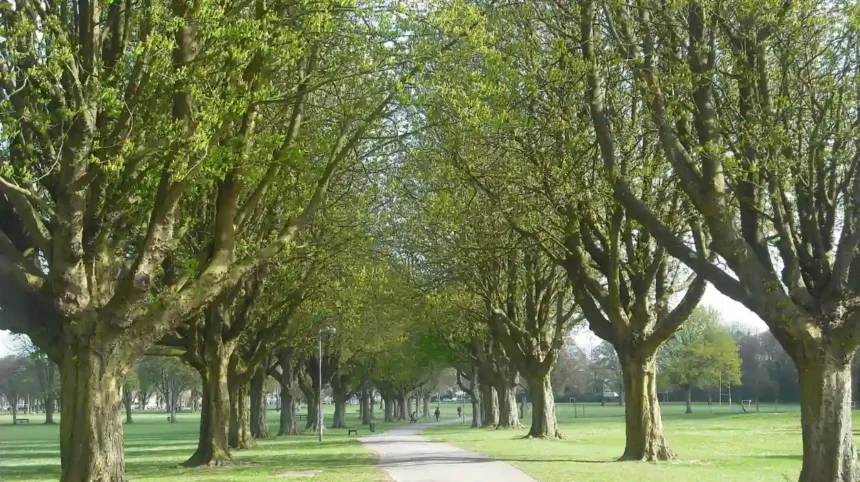
Cardiff, the capital of Wales, offers a wide range of dog-walking environments, from historic urban parks and riverside paths to woodland trails, wetlands and coastal routes. These locations provide opportunities for daily exercise, weekend outings and longer walks with dogs of different ages, sizes and fitness levels.
- Which parks offer the best dog walks in Cardiff?
- Where can you find the best riverside dog walks in Cardiff?
- What makes the Taff Trail suitable for dog walking?
- How can you combine Bute Park and Pontcanna?
- What should dog owners know about riverside safety?
- Which Cardiff Bay walks are suitable for dogs?
- How long is the Cardiff Bay Trail?
- What can you see along Cardiff Bay?
- Is Cardiff Bay suitable for every dog?
- Where can you take dogs for woodland and nature walks in Cardiff?
- What can dog walkers expect at Forest Farm?
- Can you walk dogs along the Glamorganshire Canal?
- Why are woodland walks different from park walks?
- Which coastal and lake walks near Cardiff welcome dogs?
- What makes Cosmeston Lakes a good dog-walking destination?
- Can you combine a dog walk with a trip to Penarth?
- What should you check before visiting a coastal route?
- Which Cardiff dog walks are best for short daily exercise?
- How should you choose a short route?
- Are open fields suitable for daily dog walking?
- How can you make a familiar walk more engaging?
- What dog-control rules should you follow on Cardiff walks?
- When must dogs be kept on leads?
- What are the rules about dog waste?
- Can dogs enter every park facility?
- How should you prepare for a dog walk in Cardiff?
- What should you pack for a dog walk?
- When is the best time to walk a dog in Cardiff?
- How can you protect wildlife while walking your dog?
- How can you choose the right dog walk in Cardiff?
The city’s walking network connects residential neighbourhoods with green spaces, the River Taff, Cardiff Bay and surrounding countryside. Popular destinations include Bute Park, Roath Park, Pontcanna Fields and Forest Farm Nature Reserve. Nearby destinations such as Cosmeston Lakes Country Park provide additional options for owners seeking longer walks beyond the city centre.
Choosing the right route depends on distance, terrain, access rules, available facilities and a dog’s behaviour around people and wildlife. Some routes suit short toilet breaks and gentle exercise, while others involve uneven ground, longer distances or wildlife-sensitive habitats that require dogs to remain under close control.
Responsible dog walking also involves picking up dog waste, respecting signs, keeping dogs away from sensitive wildlife and checking local restrictions before visiting. Understanding these factors helps owners enjoy Cardiff’s outdoor spaces while protecting the environment and other park users.
Which parks offer the best dog walks in Cardiff?
Cardiff’s best park walks for dogs include Bute Park, Roath Park, Pontcanna Fields, Victoria Park and Llandaff Fields. Each location offers green space for daily exercise, with differences in scenery, path surfaces, visitor numbers and proximity to residential neighbourhoods.
1. Bute Park
Bute Park is a central Cardiff green space beside Cardiff Castle and the River Taff. Its tree-lined paths, lawns and riverside scenery suit regular dog walks, with route options for shorter visits and longer outings. Keep dogs under control around other park users.
2. Roath Park
Roath Park is known for its large ornamental lake, landscaped gardens and established trees. The lake provides a recognisable setting for a relaxed walk. Dogs need close supervision around waterfowl, and owners should follow any signs restricting access to particular areas.
3. Pontcanna Fields
Pontcanna Fields provides broad open grassland near the River Taff and Bute Park. The open landscape is useful for longer walks and controlled training. Check sports activity, seasonal ground conditions and posted dog-control rules before allowing a dog off its lead.
4. Victoria Park
Victoria Park in western Cardiff offers landscaped green space and paths suited to neighbourhood walks. It works well for owners who want a park visit without planning a countryside excursion. Check signs around playgrounds and other designated areas.
5. Llandaff Fields
Llandaff Fields offers extensive open space in the west of the city. Its grassland and walking paths suit everyday exercise and longer circuits when combined with nearby streets or riverside paths. Wet grass and active sports areas require additional care.
Cardiff’s official visitor information also identifies these parks and other locations as options for scenic dog walks. Before travelling, check the current park access information and any local restrictions.

Where can you find the best riverside dog walks in Cardiff?
The River Taff provides some of Cardiff’s most accessible riverside walking routes. Bute Park, Pontcanna and the Taff Trail offer opportunities to follow waterside paths, combine green spaces and extend a short walk into a longer outing.
What makes the Taff Trail suitable for dog walking?
The Taff Trail is a long-distance walking and cycling route following the River Taff through Cardiff and beyond. In the city, sections connect green spaces and urban neighbourhoods, making it possible to build walks around the distance a dog can comfortably manage.
The riverside environment offers shade beneath trees, views of flowing water and access to adjoining parks. Owners can choose a short section instead of attempting a much longer route. Because cyclists also use sections of the trail, dogs should remain close to their handlers and on a lead where needed.
How can you combine Bute Park and Pontcanna?
Start in Bute Park and follow suitable paths beside the River Taff towards the Pontcanna area. Continue into Pontcanna Fields where access routes and conditions allow, then return along the same path or form a longer circuit using connected public routes.
This approach creates a flexible outing without requiring a separate drive between parks. The exact distance depends on the entrance, turnaround point and connections chosen. Check route signage and keep dogs away from cyclists, wildlife and river edges.
What should dog owners know about riverside safety?
Riverbanks contain slippery surfaces, uneven ground and steep edges in some locations. Strong currents and sudden changes in water depth make rivers unsafe places for unsupervised dogs. A dog that enjoys swimming still needs close supervision.
Use a lead near roads, bridges, narrow paths and crowded sections. Carry drinking water instead of allowing a dog to drink from potentially contaminated water. After heavy rain, check for flooding and avoid submerged or damaged paths.
Which Cardiff Bay walks are suitable for dogs?
Cardiff Bay offers a waterside walking environment with public paths, harbour landmarks and connections across the barrage. The official Cardiff Bay Trail is approximately 10.2 kilometres long, providing a substantial circular route for owners and dogs accustomed to longer walks.
How long is the Cardiff Bay Trail?
The official Cardiff Bay Trail measures approximately 6.3 miles (10.2 kilometres). Its circular route starts near the Wales Millennium Centre and connects waterfront areas, landmarks and paths across the bay. The route also links with the Wales Coast Path.
The trail suits owners looking for a longer walk with urban and waterside scenery. Allow enough time for stops, rest breaks and the walking pace of the dog. The complete circuit is not necessary for a satisfying outing; a shorter out-and-back walk offers a practical alternative.
What can you see along Cardiff Bay?
The route passes notable places including the Wales Millennium Centre, the Senedd and the Norwegian Church. These landmarks reflect Cardiff’s maritime history and its role as the modern Welsh capital.
The bay’s former docks supported major coal exports before redevelopment transformed the waterfront. Today, the area combines public spaces, visitor attractions and walking connections. Dogs should remain under control near outdoor dining areas, busy promenades, road crossings and other pedestrians.
Is Cardiff Bay suitable for every dog?
The broad public paths suit many dogs that are comfortable around crowds, cyclists and urban activity. Dogs that react strongly to unfamiliar people, other animals or busy environments benefit from quieter times and shorter sections.
Waterfront routes require extra care around open water, steps and crossings. Keep dogs on a lead wherever necessary, and check signs at the barrage, nature reserve and other managed areas. Access rules differ between adjoining locations.

Where can you take dogs for woodland and nature walks in Cardiff?
Forest Farm Nature Reserve, the Glamorganshire Canal area and other green corridors around Cardiff provide quieter alternatives to central parks. These locations combine natural habitats and walking paths, requiring owners to balance exercise with wildlife protection and local conservation rules.
What can dog walkers expect at Forest Farm?
Forest Farm Nature Reserve is a wildlife-rich area in north-west Cardiff associated with the River Taff and the Glamorganshire Canal. Its wetland, woodland and waterside habitats provide a different environment from formal urban parks.
The reserve is best approached as a nature walk rather than an unrestricted dog exercise area. Birds and other wildlife use the habitats for feeding, shelter and breeding. Keep dogs under close control, respect signs and use designated paths to limit disturbance.
Can you walk dogs along the Glamorganshire Canal?
The Glamorganshire Canal Local Nature Reserve offers a historic waterside setting where accessible public paths allow visitors to explore a quieter side of the city. The canal corridor connects natural habitats with Cardiff’s industrial history.
Canal paths often have narrow sections and water immediately beside the route. Keep dogs close, particularly when approaching cyclists, anglers or other walkers. Do not allow dogs to chase waterbirds or enter reed beds.
Why are woodland walks different from park walks?
Woodland paths typically have tree roots, mud, fallen leaves and uneven ground. These conditions provide variety for dogs but require more attention to paw comfort and footing. After wet weather, choose routes with suitable surfaces for the dog’s age and mobility.
Natural areas also contain wildlife that is more vulnerable to disturbance than animals in busy urban parks. Shortening the lead near nesting birds, livestock and sensitive habitats helps protect wildlife while allowing dogs to explore safely.
Which coastal and lake walks near Cardiff welcome dogs?
Cosmeston Lakes Country Park near Penarth offers a longer nature-walking option outside Cardiff, with lakes, woodland and more than 100 hectares of land and water. Dogs are welcome, subject to local restrictions and lead requirements around sensitive areas.
What makes Cosmeston Lakes a good dog-walking destination?
Cosmeston Lakes Country Park opened to the public in 1978 and received Local Nature Reserve status in May 2013. The park contains more than 100 hectares of land and water, including habitats important for wildlife.
Walking options include paths around the lakes and through wooded areas. The scenery differs from Cardiff’s central parks, with open water and wildlife-rich habitats forming much of the experience.
Dogs are welcome, but owners must keep them under control and on leads in the car park and around the east lake. Conservation areas and boardwalks have specific rules, so follow signs rather than assuming every part of the park permits the same access.
Can you combine a dog walk with a trip to Penarth?
Penarth provides access to waterfront walks and coastal scenery south of Cardiff. The Cardiff Bay Trail connects the bay with Penarth via Pont y Werin, a bridge shared by pedestrians and cyclists. This creates an option for owners who want a longer walk that combines urban waterfronts with views across the bay.
Check the route distance before setting out. A full Cardiff Bay circuit is a substantial walk, and extending it into Penarth adds further distance. Choose a shorter section for puppies, older dogs or animals that are not accustomed to extended exercise.
What should you check before visiting a coastal route?
Coastal access rules vary by location and season. Some beaches restrict dogs during particular months, while promenades and open paths have separate conditions. Check the relevant local authority’s current signs and dog-control guidance before visiting a beach.
Wind, heat, exposed paths and saltwater affect walking comfort. Carry fresh water and avoid allowing dogs to drink seawater. After a coastal walk, rinse salt and sand from paws when necessary and check for irritation.
Which Cardiff dog walks are best for short daily exercise?
Bute Park, Victoria Park, neighbourhood green spaces and accessible sections of the Taff Trail are practical choices for shorter dog walks. Their urban locations make it easier to fit regular exercise into daily routines without travelling to the countryside.
Short walks remain important for dogs that need frequent toilet breaks, gradual exercise or a familiar route. The ideal distance depends on age, breed, fitness, health and walking behaviour rather than a universal mileage target.
How should you choose a short route?
Choose a location close to home, with safe access and a suitable walking surface. A 15–30-minute walk provides a practical starting point for many healthy adult dogs, although individual exercise requirements differ.
Puppies need exercise adjusted to their age and development. Older dogs and dogs recovering from illness need routes that match their mobility and veterinary advice. Avoid treating distance as the only measure of exercise: sniffing, exploring and practising calm behaviour also provide useful mental stimulation.
Are open fields suitable for daily dog walking?
Open areas such as Pontcanna Fields and Llandaff Fields provide space to walk at a steady pace. They also allow owners to vary direction and duration without committing to a long trail.
Fields often host organised sport, informal games and other dogs. Keep dogs close when passing groups, and use a lead if recall is unreliable. Follow signs around pitches and designated play areas.
How can you make a familiar walk more engaging?
Vary the direction, walking pace and opportunities for supervised sniffing. Practise simple cues such as recall, waiting at crossings and walking calmly past other dogs. These activities build useful habits without requiring a new destination every day.
Keep training sessions brief and reward calm behaviour. Avoid forcing interactions with unfamiliar dogs. For dogs that become anxious in busy parks, quieter paths and predictable walking times provide a more manageable environment.
What dog-control rules should you follow on Cardiff walks?
Cardiff Council uses Public Spaces Protection Orders and dog-control rules to manage responsible dog walking. Requirements include cleaning up dog waste and following restrictions on leads, access and designated areas. Owners must check signs and obey location-specific rules.
The council’s dog-control guidance explains that restrictions can apply to particular public spaces and activities. Depending on the location, dogs must be kept on leads, placed on leads when directed by an authorised officer, excluded from designated areas or managed according to limits applying to professional dog walkers.
When must dogs be kept on leads?
Lead requirements depend on the location and any applicable order or posted restriction. Keep a lead attached near roads, car parks, crowded paths, wildlife habitats and areas where dogs are required to remain restrained.
A dog that responds reliably to recall still needs to follow local rules. Owners should also use a lead when approaching another dog whose handler is keeping it restrained.
What are the rules about dog waste?
Owners must pick up their dogs’ faeces and dispose of the waste appropriately. Leaving dog waste on paths, grass or woodland creates a hygiene problem and reduces the quality of public spaces.
Carry enough waste bags for the whole walk. If a bin is unavailable, keep the bag with you until you find an appropriate disposal point. Cardiff Council provides a process for reporting dog fouling and other park problems.
Can dogs enter every park facility?
No. Playgrounds, sports facilities, wildlife reserves and other designated spaces have different access conditions. A park’s general dog-friendly status does not automatically allow dogs into every enclosed or managed area.
Read entrance notices and follow signs throughout the visit. If a restriction is unclear, consult the council or the organisation responsible for the site before allowing access.
Explore More Area Guide
Best Walks in Cardiff: Parks, Bay and Riverside Routes
Best Parks in Cardiff: Complete Guide to Green Spaces
How should you prepare for a dog walk in Cardiff?
Preparing for a Cardiff dog walk involves choosing a suitable route, checking weather and access conditions, carrying water and waste bags, and matching the distance to your dog’s fitness. These steps help make everyday walks safer, more comfortable and environmentally responsible.
What should you pack for a dog walk?
A simple walking kit covers most needs for local parks and longer trails. Bring a secure lead, identification, waste bags and drinking water. Longer outings also benefit from a portable water bowl, suitable treats and a towel for muddy conditions.
For countryside walks, carry a charged phone and check the route before leaving. Use appropriate footwear on muddy or uneven paths, and take extra care where routes cross roads, rivers or cycling tracks.
When is the best time to walk a dog in Cardiff?
Early mornings and quieter weekday periods often provide more space on popular routes. Bute Park, Cardiff Bay and Roath Park attract visitors, so choosing a less busy period helps dogs that find crowds stressful.
During hot weather, walk during cooler parts of the day and avoid prolonged exercise on hot surfaces. In winter, check for slippery paths, flooding and reduced daylight. Conditions vary between paved city routes, woodland trails and exposed waterfronts.
How can you protect wildlife while walking your dog?
Keep dogs on designated paths where required and prevent them from chasing birds or other animals. Wetlands, lakes and wooded reserves provide feeding, nesting and shelter areas for wildlife.
At locations such as Forest Farm and Cosmeston Lakes, follow conservation notices and lead restrictions. Do not enter reed beds, disturb nesting sites or allow dogs to approach wildlife at the water’s edge. Responsible behaviour helps maintain access to these natural spaces.
How can you choose the right dog walk in Cardiff?
The right Cardiff dog walk depends on your preferred distance, your dog’s behaviour and the environment you want to explore. Central parks suit convenient daily exercise, riverside trails support longer outings, and nature reserves offer wildlife-rich surroundings with additional responsibilities.
For a short urban walk, consider Victoria Park or a manageable section of Bute Park. For open grassland, Pontcanna Fields and Llandaff Fields provide room to explore. For a longer waterside outing, the Cardiff Bay Trail offers an approximately 10.2-kilometre circular route. Forest Farm and Cosmeston Lakes suit owners seeking nature-focused walks.
Before leaving, check current access restrictions, choose a distance appropriate for your dog and pack the essentials. Keep dogs under control, clean up after them and respect other park users.
Cardiff’s combination of urban parks, river corridors, waterfront paths and nearby countryside makes it possible to vary walking routines throughout the year. Selecting suitable routes and following local rules allows dog owners to enjoy these spaces while helping preserve them for future visitors.
What are the best dog walks in Cardiff?
Bute Park, Roath Park, Pontcanna Fields, Llandaff Fields and Victoria Park are popular options for dog walking in Cardiff. Each offers green space and walking paths, with different scenery and access conditions.