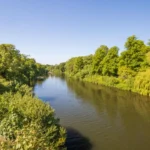
Roath Park is one of Cardiff’s most accessible urban birdwatching locations, combining a 30-acre lake, mature trees, gardens, islands and wetland habitat. Recorded birds include Mute Swan, Mallard, Tufted Duck, Coot, Moorhen, Cormorant, Grey Heron, Kingfisher and Great Crested Grebe.
- Why is Roath Park a good place for birdwatching in Cardiff?
- Which waterbirds can you see at Roath Park Lake?
- Which ducks can visitors spot around Roath Park?
- Can you see swans and geese at Roath Park?
- Which birds of prey or unusual birds can you spot at Roath Park?
- Which grebes, herons and cormorants live around the lake?
- Which gulls can you see at Roath Park Lake?
- Which small garden and woodland birds can you spot in Roath Park?
- When is the best time to see birds at Roath Park?
- Where should you look for birds around Roath Park?
- How can beginners identify birds at Roath Park?
- How should visitors watch birds without disturbing them?
- What makes Roath Park important for Cardiff’s urban wildlife?
- How does bird monitoring help understand Roath Park?
- What should visitors expect when birdwatching at Roath Park?
The park sits in the Roath and Penylan area of Cardiff and extends north towards Cyncoed. Visit Cardiff identifies Roath Park and its lake as a major feature of the neighbourhood, which is around a 20–30-minute walk from Cardiff city centre.
For birdwatchers, the lake is the main attraction. Its open water supports waterbirds, while the surrounding gardens and mature vegetation provide habitat for woodland and garden species. The combination makes Roath Park suitable for casual wildlife observation as well as structured bird surveys.
Why is Roath Park a good place for birdwatching in Cardiff?
Roath Park provides several connected habitats within one urban site, allowing visitors to see waterbirds on the lake and smaller garden and woodland birds around its margins. Historical and recent records demonstrate a substantial range of resident, wintering and occasional species.
Roath Park was developed on approximately 130 acres of former bogland. Its 30-acre lake was created by damming the Nant Fawr stream. The lake has a circumference of about 1.3 miles, providing a substantial continuous waterside route for visitors.
The lake contains four islands that are inaccessible to the public. These islands provide protected locations for nesting and roosting birds. Their presence adds habitat that is separated from regular pedestrian activity around the shoreline.
The wider park contains formal gardens, mature trees, lawns, woodland areas and the Wild Gardens. These habitats support species that do not depend exclusively on open water.
Roath Park therefore functions as an urban ecological mosaic. A visitor walking around the lake encounters different bird habitats within a relatively compact area.
Which waterbirds can you see at Roath Park Lake?
The most characteristic waterbirds at Roath Park Lake include Mute Swans, Mallards, Tufted Ducks, Coots, Moorhens, Greylag Geese, Canada Geese, Black-headed Gulls, Great Crested Grebes and Cormorants, with additional species recorded during surveys.
Mute Swans are among the most visible birds on the lake. Historical and contemporary sources record substantial numbers. A 2016 Wetland Bird Survey count recorded 71 Mute Swans. Other sources describe a typical population of approximately 100 birds.
Mallards are another familiar species. The 2016 survey recorded 229 Mallards, demonstrating the importance of the lake for common dabbling ducks.
Tufted Ducks are distinctive diving ducks. Males have black plumage, white flanks and a noticeable tuft at the back of the head. The same 2016 survey recorded 51 Tufted Ducks.
Coots are particularly prominent. The 2016 count recorded 244 Coots, making them one of the most numerous waterbirds documented during that survey.
Moorhens are smaller than Coots and often stay closer to vegetation. Nineteen Moorhens were recorded during the October 2016 survey.
Greylag and Canada Geese are also established at the lake. The 2016 count recorded 29 Greylag Geese and 29 Canada Geese.
Black-headed Gulls are abundant around the lake. The 2016 survey recorded 220, while a later account from Cardiff University Ornithological Society reported counts frequently exceeding 300.

Which ducks can visitors spot around Roath Park?
Roath Park supports several duck species, including Mallard, Tufted Duck, Teal, Shoveler, Pochard and Wigeon. Mallards and Tufted Ducks are regular prominent species, while other ducks are recorded less frequently during seasonal surveys and individual visits.
Mallard is the easiest duck to identify. Males have green heads, yellow bills and grey bodies, while females have mottled brown plumage.
Tufted Ducks are particularly distinctive because of the male’s white flank and black body. They are diving ducks and frequently disappear beneath the surface while feeding.
Teal is a smaller duck that appears in wetland habitats, particularly outside the main summer period. Ten Teal were recorded at Roath Park Lake during the October 2016 Wetland Bird Survey.
Shovelers have broad, spatula-shaped bills adapted for filtering food from water. Seventeen were recorded during the same 2016 survey.
Pochards are diving ducks with a rounded head and contrasting male plumage. One Pochard was recorded in October 2016, while earlier Cardiff birdwatch records documented larger numbers.
Wigeon has also been recorded. One was present during the October 2016 survey.
A species list compiled by the Cardiff Naturalists’ Society also records additional waterfowl associated with Roath Park, including Pintail, Goldeneye, Red-crested Pochard, Ruddy Duck and Eider. Some entries represent historical or occasional records rather than birds visitors should expect on every visit.
Can you see swans and geese at Roath Park?
Yes. Mute Swans and several goose species are prominent birds at Roath Park Lake. Records include Greylag Goose, Canada Goose and Barnacle Goose, while historical observations also document Black Swans and other ornamental or free-flying waterfowl.
Mute Swans are the most familiar large waterbirds on the lake. Their size makes them easy to identify from the surrounding footpaths.
Greylag Geese and Canada Geese are also regular components of the lake’s bird community. Barnacle Geese have been recorded as free-flying birds.
Historical Cardiff birdwatch records demonstrate that the lake has supported unusual waterfowl alongside its common species. A January 2013 survey recorded two Black Swans, Greylag Geese, Canada Geese and three Barnacle Geese.
A 2006 Cardiff birdwatch also recorded ornamental birds including Black Swan, Red-breasted Goose and Ruddy Shelduck. These records illustrate why unusual birds at the lake should be distinguished from the regular wild population.
Visitors should observe swans and geese without chasing or surrounding them. Cardiff Council advises against feeding wild birds because artificial feeding encourages large gatherings and dependence on urban food sources.
Which birds of prey or unusual birds can you spot at Roath Park?
Roath Park is primarily known for waterbirds and common urban species rather than birds of prey. Kingfisher is one of the notable specialist sightings, while Cardiff Naturalists’ records also include species such as Goldeneye, Eider and several unusual waterfowl.
Kingfisher is one of the most desirable sightings around the lake. A Wetland Bird Survey in October 2016 recorded one Kingfisher, while Glamorgan Bird Club also documented a Kingfisher at the northern end of the lake in 2013.
Kingfishers are small, fast-moving birds associated with water. Their blue-green upperparts and orange underparts make them distinctive when seen clearly.
A Kingfisher sighting requires more patience than watching swans or gulls. The bird often moves rapidly between perches and the water’s edge.
Roath Park’s bird records also contain unusual waterfowl. Goldeneye, Eider, Red-crested Pochard and Ruddy Duck appear in the Cardiff Naturalists’ Society species listing. These records should be treated as evidence of occurrence rather than a guarantee of current presence.
The park is therefore most productive for observers who focus on the full bird community rather than searching only for rare species.
Which grebes, herons and cormorants live around the lake?
Roath Park Lake supports several fish-eating and diving birds, including Great Crested Grebe, Little Grebe, Cormorant and Grey Heron. Historical records also document occasional Little Egret and Red-necked Grebe sightings, expanding the range of wetland species recorded at the park.
Great Crested Grebes are specialist diving birds. They are larger than Little Grebes and have a distinctive crest during the breeding season.
The species is included among the top birds associated with Roath Park Lake and has been recorded during local bird surveys.
Little Grebes are much smaller. Cardiff birdwatch records have documented several together, including at least 25 during a January 2008 count. Four were recorded during the January 2014 birdwatch.
Cormorants are large dark waterbirds that regularly perch in trees around the lake. A 2006 Cardiff birdwatch recorded at least 10 Cormorants using island trees, while the 2016 survey recorded four.
Grey Herons are also associated with the lake. Their tall stature and deliberate movements make them easy to distinguish from smaller waterbirds.
Little Egret has been recorded at Roath Park Lake. A January 2013 Cardiff birdwatch noted a Little Egret catching a small fish before flying away.

Which gulls can you see at Roath Park Lake?
Black-headed Gulls are the dominant gull species recorded at Roath Park Lake, with Lesser Black-backed Gulls and Herring Gulls also present. Common Gulls have historical records, while gull numbers increase around food sources and periods of concentrated feeding activity.
Black-headed Gulls are common around the lake. Despite their name, adults in breeding plumage develop a dark chocolate-brown hood rather than a black head.
The October 2016 survey recorded 220 Black-headed Gulls. Cardiff University Ornithological Society has reported counts regularly exceeding 300.
Lesser Black-backed Gulls are larger and darker-backed. Sixty were recorded during the 2016 survey.
Herring Gulls were also present, with two recorded in that survey.
A 2006 Cardiff birdwatch recorded Common Gull alongside Herring Gull and Lesser Black-backed Gull. Black-headed Gulls remained the most numerous gulls during that observation.
Gull numbers are strongly influenced by food availability. Cardiff Council advises visitors not to feed wild birds because handouts encourage large gatherings and alter natural feeding behaviour.
Which small garden and woodland birds can you spot in Roath Park?
The gardens and mature vegetation around Roath Park support smaller birds including Robin, Blue Tit, Great Tit, Coal Tit, Goldcrest, Long-tailed Tit, Chaffinch, Goldfinch, Wren, Blackbird, Song Thrush, Woodpigeon, Jackdaw, Jay and Great Spotted Woodpecker.
The lake is only part of the birdwatching experience. The Wild Gardens and mature trees provide feeding and nesting habitat for passerines and other land birds.
Robins are widespread in park vegetation and are recognisable by their orange-red breast.
Blue Tits and Great Tits are common woodland and garden birds. Coal Tits and Goldcrests are smaller species associated with mature trees and coniferous vegetation.
Long-tailed Tits travel in small active groups. A January 2014 Cardiff birdwatch recorded a party of Long-tailed Tits moving towards the Wild Gardens.
Great Spotted Woodpecker is another notable park species. A Cardiff birdwatch in 2006 recorded the species in the Wild Gardens.
Goldfinches, Chaffinches, Blackbirds, Wrens and Woodpigeons are also included in the Cardiff Naturalists’ Roath Park species listing.
These birds demonstrate the importance of trees and planted areas alongside the lake. Visitors who concentrate only on open water miss a significant part of the park’s bird diversity.
When is the best time to see birds at Roath Park?
Winter is particularly productive for waterbird watching because Roath Park Lake supports overwintering species, while spring and summer provide breeding activity and young birds. Early morning generally provides quieter conditions for observing birds across the lake, gardens and woodland margins.
Winter brings strong opportunities for identifying ducks and other waterbirds. Teal, Wigeon, Pochard and larger groups of Tufted Ducks can become more noticeable during colder months.
The lake is recognised as an important habitat for overwintering and breeding birds.
Spring and summer provide different opportunities. Breeding birds become more active, and vegetation provides nesting and feeding habitat.
Autumn is useful for observing changing waterbird numbers as seasonal movements begin.
Early morning is particularly suitable for birdwatching because the park is quieter and birds are active around feeding areas.
RSPB guidance also recommends dawn chorus walks as an effective way for beginners to experience birds through both sight and sound.
Where should you look for birds around Roath Park?
The lake shoreline is the primary location for waterbirds, while the islands provide protected nesting and roosting habitat and the Wild Gardens and mature trees support smaller land birds. Different habitats should therefore be checked during a complete circuit of the park.
Start beside the open water and scan for swans, ducks, Coots, Moorhens, gulls and grebes.
Look towards the islands for Cormorants and Grey Herons. Historical Cardiff birdwatch records repeatedly documented these birds using trees on the islands.
The northern end of the lake is worth checking for Kingfisher. A Glamorgan Bird Club observation recorded one there.
Move into the Wild Gardens to search for smaller birds. Great Spotted Woodpecker, Goldcrest, Long-tailed Tit, Robin and other garden species have been recorded in this part of the park.
The park’s long layout means a complete circuit provides more habitat variety than remaining beside one section of the lake.
How can beginners identify birds at Roath Park?
Beginners can identify Roath Park birds by combining size, shape, colour, habitat and behaviour. Starting with obvious species such as Mute Swan, Mallard, Coot, Moorhen and Black-headed Gull provides a practical foundation before moving to smaller or less familiar birds.
Size is an effective first clue. A Mute Swan is much larger than a Mallard, while a Coot is larger and more robust than a Moorhen.
Shape provides another useful feature. Tufted Ducks have a distinctive rear crest, while Cormorants have long necks and heavy bodies.
Habitat narrows identification. Diving ducks such as Tufted Duck behave differently from surface-feeding Mallards. Kingfishers are associated with the water’s edge rather than open lawns.
Movement also helps. Grebes repeatedly dive, Coots swim with a characteristic body posture, and Moorhens often remain close to vegetation.
RSPB recommends learning identification skills before undertaking structured bird counts. Its beginner guidance also emphasises respectful behaviour around other birdwatchers and wildlife.
A notebook or bird identification app can help visitors record species, locations and dates. Repeated visits create a personal record of seasonal changes.
How should visitors watch birds without disturbing them?
Visitors should observe birds from public paths, maintain distance from nests and young birds, avoid chasing wildlife, and avoid feeding birds. Wild birds in the UK receive legal protection, while responsible observation reduces disturbance and supports healthier urban wildlife behaviour.
All wild birds in the UK are protected under the Wildlife and Countryside Act 1981. Cardiff Council states that intentional harm to wild birds is prohibited, subject to specific legal licensing provisions.
Visitors should not approach nesting birds or attempt to make a bird fly for a photograph.
Feeding also requires care. Cardiff Council advises against feeding birds because food handouts encourage large gatherings and increase dependence on human-provided food.
RSPB guidance emphasises responsible interaction with birds and avoiding disturbance during nesting periods. Its current guidance identifies March to September as the main nesting season for many garden birds.
Quiet observation benefits both birds and visitors. Binoculars provide a better view without requiring close approach.
What makes Roath Park important for Cardiff’s urban wildlife?
Roath Park demonstrates how an urban park can provide interconnected habitats for resident, breeding and wintering birds. Its lake, islands, mature trees, gardens and wetland margins support a documented bird community that includes common species and occasional specialist visitors.
Urban green spaces are important because they connect wildlife with heavily developed areas.
Roath Park’s combination of water and vegetation creates different ecological niches. Open water supports ducks, swans and gulls. Islands provide relatively undisturbed sites. Trees support woodland birds. Gardens provide additional feeding and nesting opportunities.
The Cardiff Naturalists’ Society species listing records 52 bird species for Roath Park, including Kingfisher, Grey Heron, Cormorant, Great Spotted Woodpecker, Goldcrest, Nuthatch, Mute Swan, Mallard, Tufted Duck and Coot.
Survey results demonstrate that bird numbers can also be substantial. The October 2016 Wetland Bird Survey recorded 244 Coots, 229 Mallards, 220 Black-headed Gulls and 71 Mute Swans, alongside numerous other waterbirds.
These records make Roath Park relevant for both casual visitors and organised bird monitoring.
Explore More Area Guide
Cardiff Areas with the Most Playgrounds 2026
Quiet Family Areas to Raise Children in Cardiff 2026
How does bird monitoring help understand Roath Park?
Bird monitoring provides measurable information about species presence, abundance and seasonal change. Roath Park has been included in local Wetland Bird Survey activity, with Cardiff University Ornithological Society members contributing counts that document changes in its waterbird population.
The Wetland Bird Survey, commonly abbreviated to WeBS, is a national monitoring programme that collects information on waterbirds at wetlands across Britain.
Roath Park Lake has been monitored through local birdwatching and ornithological activity. In 2016, Cardiff University Ornithological Society members took responsibility for Wetland Bird Survey counts at the lake.
Such counts provide structured information rather than isolated sightings.
A count showing 244 Coots or 229 Mallards records abundance at a particular point in time. Repeated surveys provide a basis for identifying seasonal patterns and longer-term changes.
Local birdwatching organisations also contribute valuable observations. Glamorgan Bird Club has published Roath Park sightings including Kingfisher, Cormorant, Grey Heron and numerous waterfowl.
These records strengthen understanding of Cardiff’s urban biodiversity.
What should visitors expect when birdwatching at Roath Park?
Visitors should expect the easiest sightings to involve common waterbirds such as Mute Swans, Mallards, Coots, Moorhens, Tufted Ducks and Black-headed Gulls. Less frequent sightings include Kingfisher, Little Egret, specialist ducks and other seasonal species documented in local records.
Roath Park is accessible for casual birdwatching because the lake is surrounded by established paths and the terrain is generally easy.
The most visible birds are normally those occupying open water. Swans, geese, Mallards, Coots and gulls are easier to identify from a distance.
More specialised observations require patience. Kingfisher, Little Grebe, Great Crested Grebe and smaller woodland birds can be overlooked when visitors focus exclusively on large birds.
The best approach is to treat the park as several habitats rather than a single lake.
A full visit can combine waterbird observation with a search for woodland and garden birds. Seasonal variation also means that the same route produces different sightings throughout the year.
Roath Park therefore offers Cardiff residents and visitors a practical introduction to urban birdwatching while supporting a documented network of local wildlife records.
What birds can you see at Roath Park?
Roath Park supports many bird species, including Mute Swans, Mallards, Coots, Moorhens, Tufted Ducks, Greylag Geese, Canada Geese, Black-headed Gulls, Great Crested Grebes, Cormorants, Grey Herons and Kingfishers.