Cardiff features numerous secluded horticultural enclaves and hidden historic green spaces, including Bute Park’s walled enclosures, Parc Cefn Onn, and Insole Court, which operate as protected micro-habitats separated from high-density urban development.
- How did historical land use shape Cardiff’s hidden green spaces?
- What botanical and architectural components characterize these secluded environments?
- Where are the primary hidden gardens located across Cardiff?
- What ecological and environmental impact do these green spaces provide?
- How do municipal management and conservation frameworks protect these sites?
Urban green infrastructure relies on designated boundaries, architectural integration, and vegetative buffers to establish spatial separation from surrounding municipal developments. Within Cardiff, municipal boundaries encompass over 330 public parks and green spaces spanning more than 2,500 hectares, creating an extensive matrix of urban biodiversity.
Within this network, hidden or secret gardens function as specialized pockets characterized by restricted visibility from main thoroughfares. These sites integrate historical design frameworks, such as Victorian walled enclosures and Edwardian terraced layouts, with localized microclimates that foster specialized flora.
Vegetative architecture—comprising mature canopy trees, evergreen hedging, and brick perimeter walls—acts as a physical sound barrier and windbreak. This structural design reduces ambient urban noise pollution by up to 10 decibels while increasing local relative humidity, establishing stable growing conditions for shade-tolerant and moisture-loving plant species.
How did historical land use shape Cardiff’s hidden green spaces?
Industrial expansion, private estate development by wealthy industrialists, and post-war municipal reclamation projects directly shaped the creation of Cardiff’s secluded gardens during the 19th and 20th centuries.
The historical evolution of Cardiff’s hidden horticultural sites is closely tied to the city’s transition from a minor port town to the global capital of coal export during the industrial revolution. Wealthy industrialists, including coal owners and railway directors, commissioned private landscape architects to construct secluded leisure retreats within their sprawling suburban estates.
For instance, the development of Parc Cefn Onn in the northern suburb of Lisvane began as a private horticultural sanctuary for Ernest Prosser, Director of the Rhymney Valley Railway, who utilized imported exotic tree species and engineered naturalistic water features. Similarly, Dyffryn Gardens—located on the southwestern outskirts—was commissioned by coal owner Reginald Cory, who transformed 55 acres into an internationally significant Edwardian garden featuring specialized garden rooms, architectural stonework, and rare botanical collections.
Following the post-World War II housing booms and municipal boundary expansions, many of these private landholdings transitioned into public ownership through local authority acquisitions or charitable trusts. This transition preserved the original compartmentalized design layouts, transforming exclusive aristocratic retreats into accessible public sanctuaries while maintaining their historical integrity.
What botanical and architectural components characterize these secluded environments?
Secret gardens in Cardiff utilize architectural partitions such as serpentine brick walls, sunken garden terraces, water lily ponds, and dedicated arboreal collections to establish distinct micro-ecosystems.
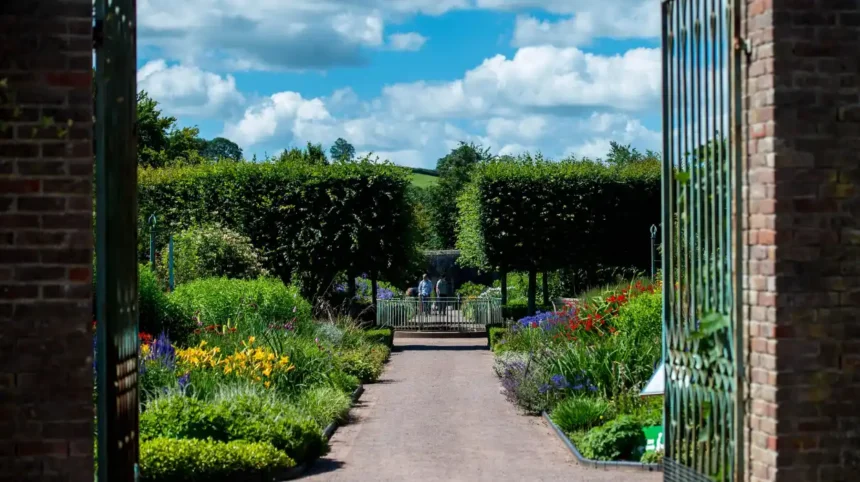
Horticultural design within Cardiff’s concealed green spaces relies on a combination of hard and soft landscaping elements engineered to maximize visual privacy and biological diversity. The physical layout frequently incorporates the “garden room” concept, where high masonry walls or dense evergreen yew hedges divide expansive grounds into intimate, enclosed spaces.
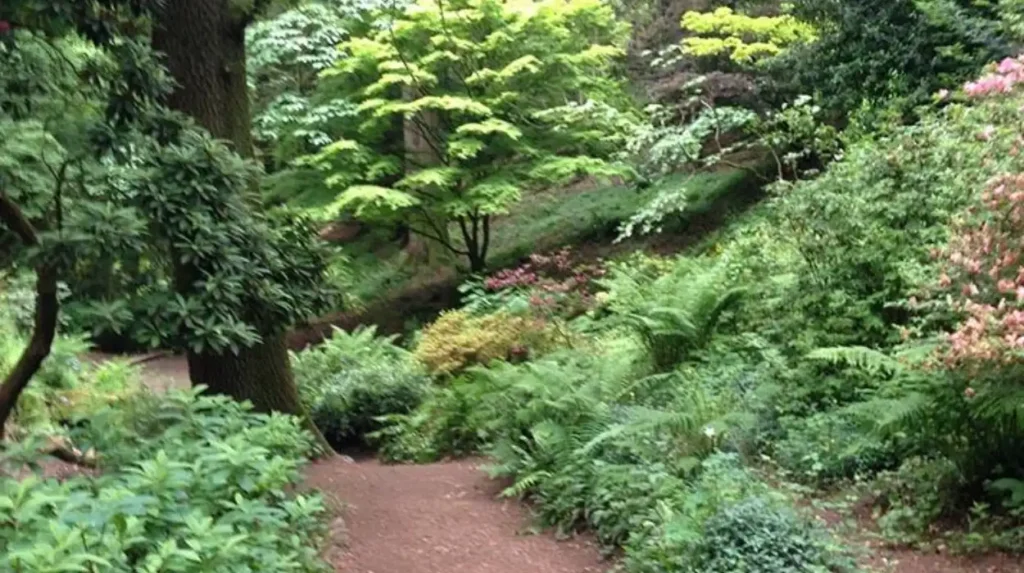
Key architectural components include sunken Italianate terraces, ornamental stone balustrades, and restored glasshouses designed to regulate thermal radiation for tender plant species. Soft landscaping features structured canopy layers, consisting of an upper stratum of native oak and beech trees, a middle understory of rhododendrons and camellias, and a ground layer of shade-tolerant ferns and spring-flowering bulbs.
Water engineering plays a fundamental structural role, utilizing gravity-fed streams, ornamental fountains, and reflection ponds to enhance local air moisture and support aquatic biological communities. These integrated components provide continuous ecological corridors for local fauna, including amphibians, nesting bird species, and native pollinators, within an otherwise urbanized matrix.
Where are the primary hidden gardens located across Cardiff?
Notable secret gardens in Cardiff include the Secret Garden within Bute Park, the historic estate grounds of Insole Court, Parc Cefn Onn in Lisvane, and the secluded woodland glades of Forest Farm.
Geographically distributed across diverse municipal sectors, Cardiff’s hidden gardens occupy distinct topographical zones ranging from inner-city river corridors to northern suburban valley slopes.
- Bute Park Secret Garden: Situated behind ancient stone masonry walls in the heart of the city centre, this enclosed community horticulture site functions as an organic growing space and localized environmental hub adjacent to the River Taff.
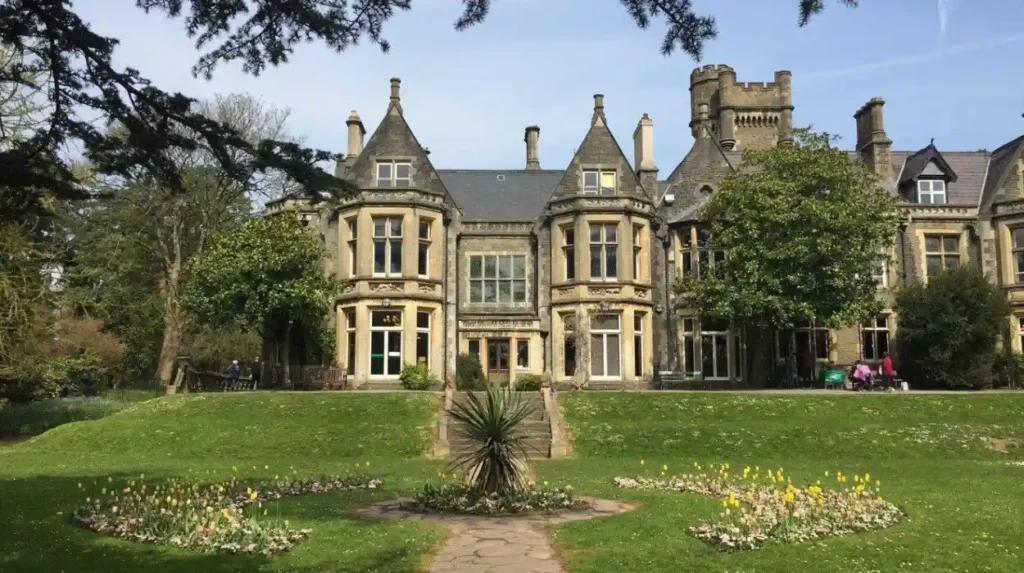
- Insole Court Grounds: Located in Llandaff, these Victorian Gothic revival estate grounds feature restored formal lawns, exotic specimen trees, and hidden pathways maintained continuously since opening to the public in 1946.
- Parc Cefn Onn: Positioned in the northernmost periphery of the city, this protected park contains secluded ravine walks, native woodland, and rare national collection conifers fed by natural hillside streams.
- Forest Farm Nature Reserve: Located alongside the historic Glamorganshire Canal section in Whitchurch, this linear green space provides dense marshland habitats, bird hides, and secluded water channels utilized by native kingfishers and herons.
Explore More Area Guide
Buying a Home in Rumney: Cardiff Property Guide 2026
Best Areas for Retirees in Cardiff 2026
What ecological and environmental impact do these green spaces provide?
Urban secret gardens mitigate the urban heat island effect, reduce surface water runoff through natural soil infiltration, and support urban biodiversity by preserving uninterrupted ecological corridors.
The ecological significance of Cardiff’s secluded green spaces extends far beyond aesthetic and recreational value, functioning as critical environmental assets within the municipal ecosystem. Vegetated ground cover and mature canopy layers reduce ambient urban temperatures through direct solar radiation shading and evapotranspiration, lowering local surface temperatures by up to 3 degrees Celsius during peak summer months compared to surrounding asphalt zones.
Unpaved soil surfaces and permeable garden beds act as natural retention basins during heavy precipitation events, absorbing stormwater runoff and reducing the strain on municipal drainage infrastructure. From a biodiversity perspective, these sites serve as stepping-stone habitats and wildlife corridors, allowing migratory birds, small mammals, and insect populations to traverse the urban landscape safely.
Academic studies on urban ecology indicate that patches of high vegetative diversity within urban areas measurably increase pollinator resilience and soil microbial health, ensuring long-term ecological stability for the wider region.
How do municipal management and conservation frameworks protect these sites?
Cardiff Council, alongside environmental organizations such as the National Trust and local volunteer groups, implements strict conservation zoning, Green Flag management standards, and habitat restoration initiatives.
The preservation of Cardiff’s historical and secret gardens requires active multi-agency governance and standardized environmental management protocols. The local authority, Cardiff Council, manages numerous qualifying parks under the international Green Flag Award scheme, which evaluates sites based on rigorous environmental standards, community involvement, and horticultural maintenance quality.
Conservation frameworks frequently employ heritage listings—such as Grade I and Grade II designations administered by Cadw, the historic environment service of the Welsh Government—to protect historic garden layouts, rare botanical specimens, and original architectural structures from unauthorized commercial development or structural alteration.
Volunteer conservation groups and friends-of-parks organizations contribute thousands of operational hours annually to execute targeted habitat restoration, invasive species removal, and organic propagation programs. These collaborative management practices ensure that fragile micro-ecosystems remain resilient against increased recreational foot traffic and climate-induced weather extremes.
What are the best secret gardens to visit in Cardiff in 2026?
Cardiff’s best hidden gardens include Bute Park Secret Garden, Insole Court Gardens, Parc Cefn Onn, and Forest Farm Nature Reserve, each offering secluded landscapes, historic features, and diverse wildlife habitats.
![Exploring Hidden Streets in Roath, Cardiff [2026]](https://cardiffdaily.co.uk/wp-content/uploads/2026/08/Exploring-Hidden-Streets-in-Roath-Cardiff-2026-150x150.webp)