NHS services in Cardiff provide publicly funded healthcare through general practices, hospitals, pharmacies, dentists, optometrists, urgent care services and specialist clinical teams. Understanding how these services work helps Cardiff residents access the right treatment at the right time.
- What NHS services are available in Cardiff?
- Who runs NHS healthcare services in Cardiff?
- How do you register with a GP in Cardiff?
- What is NHS 111 Wales and when should Cardiff residents use it?
- How do urgent and emergency NHS services work in Cardiff?
- What hospital services are available through the NHS in Cardiff?
- What role do pharmacies play in NHS healthcare in Cardiff?
- How do NHS dental and eye care services work in Cardiff?
- What mental health support is available through the NHS in Cardiff?
- How do children and maternity services fit into Cardiff’s NHS system?
- How can Cardiff residents choose the right NHS service?
- How are NHS services in Cardiff changing?
- What should every Cardiff resident know about using NHS services?
Healthcare in Cardiff forms part of NHS Wales, the publicly funded health service responsible for healthcare across Wales. Most NHS services for Cardiff residents are planned and delivered through Cardiff and Vale University Health Board, the statutory NHS organisation responsible for health services across Cardiff and the Vale of Glamorgan.
The local health system covers routine care, urgent treatment, emergency medicine, hospital services, mental health support, maternity care, children’s healthcare and community-based treatment. Different services have different purposes. Choosing the correct service supports faster access to appropriate clinical care and helps emergency departments focus on life-threatening conditions.
What NHS services are available in Cardiff?
Cardiff residents can access NHS services through primary care, community healthcare, urgent care, emergency services, hospitals and specialist teams. These services include GPs, pharmacies, dentists, optometrists, NHS 111 Wales, mental health support and major hospital facilities across Cardiff.
The NHS healthcare system in Cardiff is organised around several levels of care. Primary care is generally the first point of contact for everyday health needs. Hospital and specialist services provide more complex assessment, treatment and surgery.
Cardiff and Vale University Health Board provides a wide range of services. These include emergency medicine, maternity care, cancer services, mental health support, physiotherapy, community nursing, rehabilitation and specialist treatment.
Primary care services
Primary care provides healthcare in the community. It includes general practitioners, community pharmacies, dentists and optometrists.
A general practitioner, commonly called a GP, assesses general health problems, manages long-term conditions and arranges referrals to specialist services when required.
Community pharmacies provide advice about medicines and treatment for many common illnesses. Pharmacists also support prescription services and provide selected clinical services.
Dentists diagnose and treat problems affecting teeth, gums and oral health. Optometrists provide eye examinations and assess certain eye health concerns.
Hospital and specialist services
Hospital services manage conditions requiring specialist staff, diagnostic equipment, surgery or inpatient care.
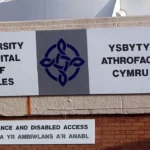
The University Hospital of Wales in Cardiff is a major NHS hospital and a key centre for specialist and emergency care. The wider Cardiff and Vale health system also includes facilities such as the University Hospital Llandough, which provides a range of planned and specialist services.
Specialist services include areas such as cardiology, oncology, neurology, orthopaedics, maternity care and children’s healthcare.
The range of services changes as healthcare needs, clinical pathways and NHS service arrangements develop. Patients should use official NHS information to check current locations and access arrangements.
Who runs NHS healthcare services in Cardiff?
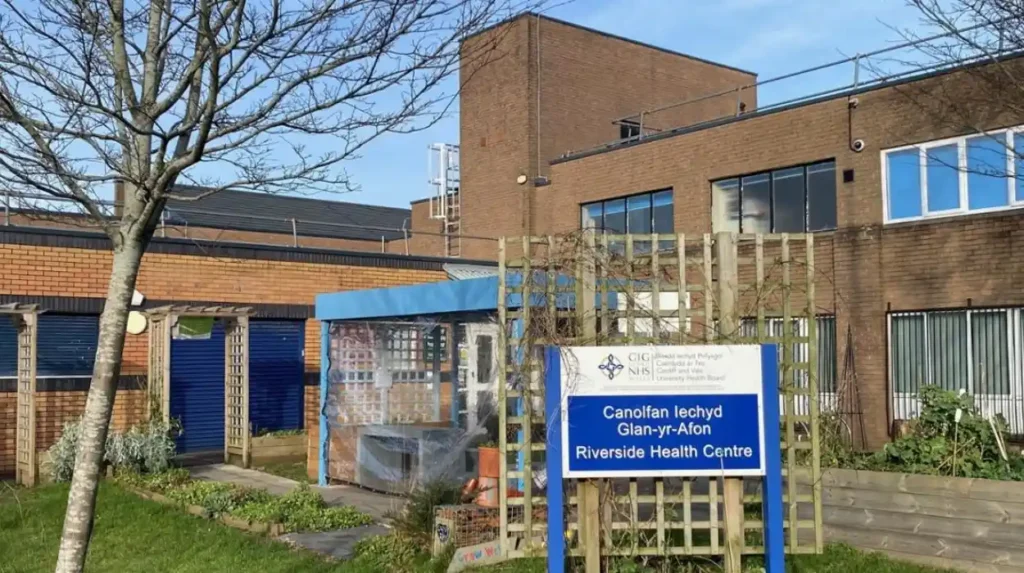
Cardiff and Vale University Health Board is the main NHS organisation responsible for planning and delivering local health services for Cardiff and the Vale of Glamorgan. It works within NHS Wales and coordinates hospitals, community services and local healthcare provision.
NHS Wales is the national health service for Wales. It operates separately from the NHS systems in England, Scotland and Northern Ireland, although the four systems share the broader principles of publicly funded healthcare.
The Welsh Government has responsibility for health policy in Wales. NHS organisations then plan and deliver services within their statutory responsibilities.
What is Cardiff and Vale University Health Board?
Cardiff and Vale University Health Board is one of the NHS health boards in Wales. A health board is a public organisation responsible for planning and providing healthcare for a defined geographical population.
The Health Board’s responsibilities include hospital services, community health services and the organisation of many local healthcare pathways.
It also works with GP practices, pharmacies, dentists, optometrists, local authorities and other organisations involved in health and social care.
The Cardiff and Vale system serves a population of more than 500,000 people across Cardiff and the Vale of Glamorgan for urgent out-of-hours services. Its healthcare infrastructure also supports specialist services used by patients from wider parts of Wales.
How is NHS care organised?
Healthcare is structured to match services with different levels of clinical need.
Primary care deals with many routine and community-based health needs. Urgent care provides assessment for problems requiring prompt attention but not emergency treatment. Emergency services deal with life-threatening or severe conditions.
Specialist and hospital services provide complex diagnosis, procedures and treatment.
This structure is important because not every health problem requires hospital treatment. A pharmacist, dentist, optometrist or GP often provides the most appropriate first service for a specific condition.
How do you register with a GP in Cardiff?
Registering with a GP practice gives Cardiff residents access to routine primary medical care, health advice and referrals. Patients normally choose a practice that accepts registrations within its service area and complete the registration process directly with that practice.
A GP practice is a local medical service providing primary healthcare. GP teams include doctors and other healthcare professionals such as nurses, pharmacists and additional clinical staff.
Registration allows a practice to maintain a patient’s primary care record and provide ongoing healthcare.
What services does a GP provide?
GP practices assess symptoms, diagnose common illnesses and manage long-term health conditions.
Long-term conditions include asthma, diabetes and high blood pressure. GP teams also provide preventive healthcare, vaccinations, health monitoring and medication reviews.
A GP can refer a patient to a hospital specialist when a condition requires specialist assessment or treatment.
GP services also coordinate important parts of continuing care. This role helps connect patients with community services and hospital teams.
When should you contact your GP?
A GP practice is generally appropriate for non-emergency medical problems requiring clinical assessment or ongoing management.
Examples include persistent symptoms, medication concerns and management of established long-term conditions.
Patients with urgent or life-threatening symptoms should use the NHS urgent and emergency care system instead of waiting for a routine appointment.
Cardiff’s primary care system also includes community pharmacies, dentists and optometrists. Using the professional with the relevant expertise can reduce unnecessary delays and direct patients to appropriate treatment.
What is NHS 111 Wales and when should Cardiff residents use it?
NHS 111 Wales is a free 24-hour service that provides health advice and directs people to appropriate care. Cardiff residents should use 111 for urgent health concerns that are not life-threatening, particularly when they need help outside normal service hours.
NHS 111 Wales is an important entry point into urgent healthcare in Cardiff. The service is available by telephone and through online health information and assessment tools.
When someone contacts 111, trained staff collect information about the problem and assess the appropriate next step. Depending on clinical need, the patient can receive advice, further clinical assessment or arrangements for another NHS service.
NHS 111 Wales is run by the Welsh Ambulance Services NHS Trust. The service is free to call from landlines and mobile phones and operates 24 hours a day, seven days a week.
What happens after calling 111?
A call handler asks questions and records relevant information. This process helps identify the urgency of the health concern.
A healthcare professional can become involved when further clinical assessment is needed. The next step can include self-care advice, a community pharmacy, an urgent primary care service, a GP or an emergency service.
Cardiff and Vale uses CAV 24/7, a local urgent and out-of-hours clinical service accessed through the 111 pathway. The service supports people whose conditions require urgent assessment but do not involve an immediate life-threatening emergency.
When should you call 999 instead?
Call 999 for a serious, life-threatening emergency.
Examples include severe difficulty breathing, suspected stroke, loss of consciousness, severe bleeding and other major medical emergencies.
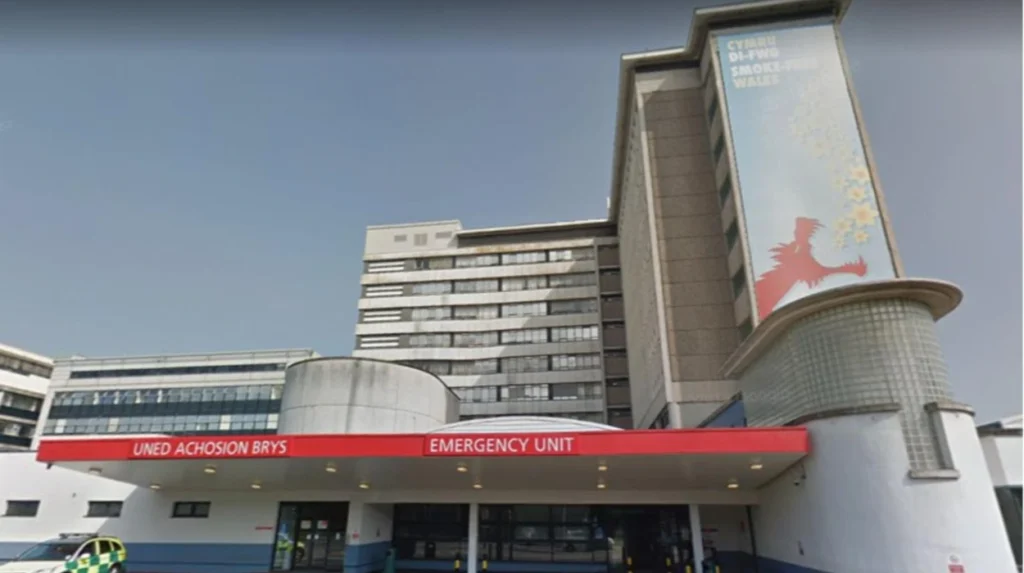
The Emergency Unit at the University Hospital of Wales operates 24 hours a day, seven days a week for emergency and life-threatening conditions. Official Cardiff and Vale guidance directs people to call 999 for life-threatening emergencies.
How do urgent and emergency NHS services work in Cardiff?
Cardiff’s urgent and emergency care system separates non-life-threatening urgent needs from major emergencies. NHS 111 Wales provides assessment and direction for urgent problems, while 999 and the Emergency Unit support serious conditions requiring immediate emergency care.
Urgent care is not the same as emergency care.
An urgent condition requires prompt attention but does not present an immediate threat to life or limb. An emergency requires immediate medical intervention because delay creates a serious risk.
Cardiff and Vale’s service model directs people with urgent, non-life-threatening problems to contact 111 before attending relevant urgent care services.
What is CAV 24/7?
CAV 24/7 provides urgent and out-of-hours clinical assessment for Cardiff and the Vale of Glamorgan.
The service supports patients when they are unwell and need urgent care outside normal arrangements. Clinicians assess symptoms and arrange the appropriate next step.
The local out-of-hours service provides urgent medical care when a condition cannot wait until a GP surgery reopens. Its stated opening arrangements include overnight weekday coverage, weekend coverage and 24-hour cover on bank holidays.
What is the Emergency Unit?
The Emergency Unit is the hospital department for emergency and life-threatening conditions. It is often described as A&E, meaning Accident and Emergency.
Cardiff’s Emergency Unit is located at the University Hospital of Wales.
The department serves almost half a million people across Cardiff and the Vale of Glamorgan and regularly receives more than 450 patients each day, according to Cardiff and Vale University Health Board information.
The service is not designed to replace routine GP appointments or treatment for minor illnesses.
What hospital services are available through the NHS in Cardiff?
NHS hospital services in Cardiff provide emergency care, specialist assessment, surgery, diagnostic testing, maternity services, children’s care and treatment for complex medical conditions. Major facilities work within Cardiff and Vale University Health Board’s wider regional healthcare system.
Hospital care is used when patients need specialist equipment, hospital-based clinical teams or procedures unavailable through primary care.
The University Hospital of Wales is one of Cardiff’s most significant hospital facilities. It provides major acute and specialist services, including emergency care.
The Cardiff and Vale health system also provides planned treatment and specialist services at other hospital locations.
What specialist services are available?
The Health Board lists a broad range of clinical services.
Examples include cardiology, oncology, neurology, orthopaedics, maternity services and paediatrics. Cardiology deals with heart conditions. Oncology focuses on cancer diagnosis and treatment. Neurology addresses conditions affecting the brain and nervous system. Orthopaedics treats conditions involving bones, joints and related structures. Paediatrics provides healthcare for children and young people.
The Health Board also provides specialist services in areas including rehabilitation, mental health, physiotherapy, sexual health and community nursing.
How do hospital referrals work?
A referral is a formal process through which a healthcare professional directs a patient to another service.
A GP commonly makes referrals for specialist assessment. Some services also accept referrals through other clinical pathways.
The referral process includes an assessment of the patient’s condition and the service required. Appointment timing depends on clinical priority and service capacity.
Patients should follow instructions from their referring clinician and check official NHS communications for appointment details.
What role do pharmacies play in NHS healthcare in Cardiff?
Community pharmacies are a major part of Cardiff’s NHS primary care system, providing advice on common illnesses, medicines and selected clinical services. Pharmacists offer accessible healthcare support and help patients receive appropriate treatment without unnecessary hospital attendance.
A pharmacist is a healthcare professional with specialist knowledge of medicines and their safe use.
Community pharmacies provide advice for many minor illnesses. Examples include colds, sore throats, headaches and diarrhoea.
Pharmacists also advise patients about prescription medicines, side effects and interactions between medicines.
When should you visit a pharmacy?
A pharmacy is often an appropriate first point of contact for a minor health concern.
Pharmacists can explain self-care options and identify when a patient needs another healthcare professional.
Some pharmacy services also provide treatment and advice in areas such as emergency contraception and common ailments, subject to the services available locally and NHS eligibility rules.
Cardiff and Vale University Health Board identifies community pharmacy as an important first point of contact for many minor illnesses.
How do NHS dental and eye care services work in Cardiff?
NHS dental and eye care services provide specialist primary healthcare for oral and visual needs. Dentists diagnose dental problems and provide treatment, while optometrists examine vision and identify eye health concerns requiring clinical attention.
Dental and optical care are distinct parts of the wider healthcare system.
A dentist treats conditions affecting teeth and gums. An optometrist, often called an optician in everyday language, examines eyesight and can identify signs of eye disease.
How can you access NHS dental care?
Routine NHS dental treatment requires access through an NHS dental practice or the relevant local access system.
Cardiff and Vale provides information about a Dental Access Portal for people registering interest in routine NHS dental treatment.
Dental pain should generally be assessed by a dentist because dental professionals have the appropriate equipment and clinical expertise for oral health conditions.
Cardiff and Vale also provides an emergency dental pathway for urgent problems, including arrangements outside routine opening hours.
When should you contact an optometrist?
An optometrist provides eye examinations and assesses vision-related concerns.
Eye symptoms requiring urgent attention should be assessed through the appropriate healthcare pathway. The correct service depends on the nature and severity of the symptoms.
Primary care and NHS 111 Wales information can help direct patients who are uncertain about where to seek treatment.
What mental health support is available through the NHS in Cardiff?
NHS mental health support in Cardiff includes urgent crisis pathways, specialist clinical services and community-based care. NHS 111 Wales provides a 24-hour route to urgent mental health support, with callers selecting option 2 for specialist assistance.
Mental health is an essential part of healthcare. NHS mental health services address emotional, psychological and psychiatric health needs.
The appropriate service depends on urgency, symptoms and the type of support required.
How do you get urgent mental health support?
Cardiff residents requiring urgent mental health support can call 111 and select option 2.
This service connects callers with mental health support professionals through the NHS Wales urgent mental health pathway.
The service operates 24 hours a day and supports people of all ages across Wales, according to Cardiff and Vale University Health Board information.
A life-threatening emergency still requires emergency services through 999.
How does longer-term mental healthcare work?
Longer-term support can involve different services depending on clinical need.
Examples include psychological therapies, community mental health services and specialist psychiatric care.
Access often begins through a GP, another healthcare professional or a dedicated NHS service pathway.
The purpose of assessment is to match the patient with the service equipped to provide appropriate treatment and ongoing support.
How do children and maternity services fit into Cardiff’s NHS system?
Cardiff’s NHS provides maternity, neonatal and children’s healthcare through primary care, community services and specialist hospital teams. Services support pregnancy, childbirth, newborn care and the health needs of infants, children and young people.
Maternity services support people during pregnancy, labour and the postnatal period.
Children’s healthcare includes routine primary care, community services and hospital-based specialist treatment.
The Cardiff and Vale Health Board lists dedicated services for children, young people and families, including paediatrics, children’s physiotherapy, neonatal care and specialist paediatric services.
What maternity care is available?
NHS maternity care includes antenatal care, labour care and postnatal support.
Antenatal care monitors health during pregnancy. Labour care supports childbirth. Postnatal care addresses the health of the parent and newborn after birth.
The precise care pathway depends on clinical circumstances and the level of specialist support required.
What children’s services are available?
Paediatric healthcare focuses on the medical needs of children and young people.
Services include general paediatrics and specialist treatment for specific conditions.
The wider Cardiff system includes the Noah’s Ark Children’s Hospital for Wales, which forms part of the specialist children’s healthcare infrastructure in Cardiff and Vale.
How can Cardiff residents choose the right NHS service?
Choosing the right NHS service depends on the severity, urgency and type of health problem. Pharmacies, GPs, dentists and optometrists handle many community needs, while NHS 111 Wales directs urgent cases and 999 supports life-threatening emergencies.
The first step is to assess whether the situation is life-threatening.
A life-threatening emergency requires 999. An urgent but non-life-threatening problem should use NHS 111 Wales for advice and access to the appropriate urgent care pathway.
Routine health concerns generally belong with primary care services.
A practical NHS access pathway
Minor illnesses often start with self-care or a community pharmacy.
Routine medical concerns generally start with a GP practice.
Dental problems generally require a dentist. Eye and vision concerns often require an optometrist.
Urgent conditions that are not life-threatening should use 111. Serious emergencies require 999.
This pathway helps patients reach the professional or service with the relevant clinical skills.
Why does choosing the right service matter?
Emergency departments manage serious and life-threatening cases. Using emergency services for conditions better treated elsewhere increases pressure on acute healthcare facilities.
Cardiff and Vale has reported significant patient volumes across its services and directs residents toward the most appropriate NHS service for their needs.
Appropriate service use also helps patients access care from professionals with relevant expertise.
Explore More Area Guide
Cardiff Coastal Flood Risk: Causes and Defences
Why Does Cardiff Flood? Causes, Risks and Flood Prevention
How are NHS services in Cardiff changing?
NHS services in Cardiff continue to develop through digital access, integrated care and changes to clinical pathways. The long-term focus includes directing patients to appropriate services, strengthening community care and coordinating healthcare across hospitals and local settings.
Healthcare systems change in response to population needs, clinical evidence and new technology.
Digital services are increasingly used for information, appointment management and initial healthcare contact.
Cardiff and Vale has also reported increased use of digital requests to GP practices while monitoring demand across primary and urgent care services. In the 2024–25 reporting period, the Health Board recorded more than 4.5 million calls to GP surgeries and more than 3.1 million appointments offered.
What is integrated healthcare?
Integrated healthcare connects different parts of the health and care system.
This includes cooperation between hospitals, GP practices, community services, local authorities and other organisations.
The aim is to provide coordinated care rather than treating every health need as an isolated event.
For patients with complex or long-term conditions, coordinated care supports communication between relevant services.
What does the future mean for Cardiff residents?
The future of NHS healthcare in Cardiff depends on the continued balance between hospital care and community-based services.
Population growth, ageing and long-term health conditions increase demand for healthcare. Preventive care, early assessment and appropriate use of primary care remain important parts of the system.
Digital access is also becoming more significant. Online information and remote healthcare processes can support patients, although direct clinical care remains essential for many conditions.
What should every Cardiff resident know about using NHS services?
Every Cardiff resident should understand the basic NHS access routes: use primary care for routine needs, contact NHS 111 Wales for urgent non-life-threatening problems, and call 999 for life-threatening emergencies. Official NHS guidance provides current local service information.
The NHS in Cardiff is a connected system rather than a single service.
GP practices, pharmacies, dentists and optometrists provide essential community healthcare. NHS 111 Wales provides a 24-hour route to advice and urgent care assessment. Hospitals provide emergency, specialist and complex treatment.
Understanding these roles helps residents make informed decisions when health concerns arise.
Cardiff’s healthcare system is supported by Cardiff and Vale University Health Board and the wider NHS Wales structure. Service locations, referral processes and access arrangements can change over time, so patients should check official NHS information when they need current details.
The most important distinction remains clear: use the service that matches the seriousness and urgency of the health problem. This approach supports safer access to treatment and helps NHS services focus their resources where they are needed most.
What NHS services are available in Cardiff?
Cardiff residents can access NHS services including GP practices, pharmacies, dentists, optometrists, hospitals, mental health services, maternity care, urgent care and emergency treatment. Cardiff and Vale University Health Board coordinates many local NHS healthcare services.