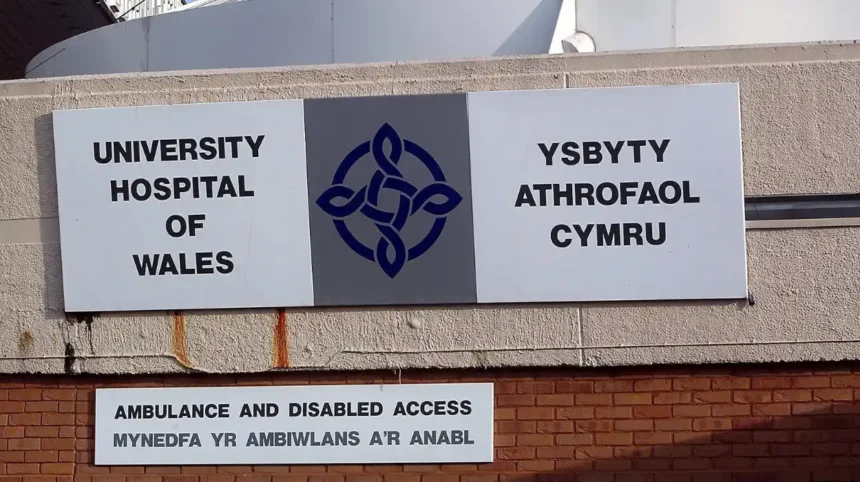
The University Hospital of Wales (UHW) is one of the most important healthcare institutions in Cardiff and the wider Welsh NHS. Located at Heath Park, the hospital provides specialist medical treatment, emergency care, maternity services, children’s healthcare, surgery and advanced clinical services. It also serves as a major teaching and research centre, supporting medical education through its close relationship with Cardiff University.
- What Is the University Hospital of Wales in Cardiff?
- When Was the University Hospital of Wales Established?
- What Medical Services Does the University Hospital of Wales Provide?
- Emergency and Accident and Emergency Services
- Surgical Services
- Intensive Care Services
- Diagnostic and Imaging Services
- Does the University Hospital of Wales Provide Specialist Children’s Healthcare?
- What Maternity Services Are Available at the University Hospital of Wales?
- Antenatal Care
- Delivery and Birth Facilities
- Postnatal and Newborn Care
- Important Maternity Contact Numbers
- Why Is the University Hospital of Wales Important for Medical Education?
- What Is a Teaching Hospital?
- What Role Does Cardiff University Play?
- How Does Medical Research Support Healthcare?
- Is the University Hospital of Wales a Major Trauma Centre?
- What Specialist Treatments Are Available at the University Hospital of Wales?
- Kidney Transplantation
- Cancer-Related Healthcare
- Neurological Healthcare
- Cardiovascular Healthcare
- Other Specialist Clinical Services
- How Can Patients Register for an Appointment at the University Hospital of Wales?
- GP Referrals
- Outpatient Appointments
- What Should Patients Bring?
- How Can Patients Change an Appointment?
- What Facilities Are Available for Patients and Visitors?
- Restaurant and Concourse Facilities
- Macmillan Information and Support Centre
- Accommodation for Relatives
- Accessible Facilities
- Where Is the University Hospital of Wales Located?
- How Can Visitors Travel to the Hospital by Car?
- Is Public Transport Available?
- Is Cycling to the Hospital Possible?
- How Does Parking Work at the University Hospital of Wales?
- How Much Does Hospital Parking Cost?
- Where Are the Blue Badge Parking Spaces?
- What Are the Parking Rules for Emergency Patients?
- Is There Free Park and Ride at UHW?
- What Are the Visiting Hours at the University Hospital of Wales?
- How Do Ward Visiting Times Work?
- Can Visitors See Patients in Intensive Care?
- Should Visitors Contact the Ward Before Arriving?
- How Does the University Hospital of Wales Support Patients With Long-Term Conditions?
- Kidney Disease and Renal Care
- Diabetes and Related Conditions
- Cancer Follow-Up Care
- Rehabilitation and Recovery
- What Should Patients Know Before Visiting the University Hospital of Wales?
- Check Your Appointment Letter
- Bring Relevant Medical Information
- Allow Additional Travel Time
- Ask for Communication Support
- Follow Hospital Infection Prevention Guidance
- How Does the University Hospital of Wales Contribute to Cardiff’s Healthcare System?
- Supporting Cardiff Residents
- Supporting Patients Across South Wales
- Supporting Employment and Medical Training
- What Is the Future of the University Hospital of Wales?
Known locally as the Heath Hospital, the University Hospital of Wales serves patients from Cardiff, the Vale of Glamorgan and other parts of Wales. Its role extends beyond routine hospital treatment because it provides specialist services for complex illnesses, serious injuries and conditions requiring multidisciplinary medical expertise.
For Cardiff residents, visitors and people travelling from other parts of Wales, understanding the hospital’s departments, facilities, transport arrangements and patient procedures helps make accessing healthcare easier.
What Is the University Hospital of Wales in Cardiff?
The University Hospital of Wales is a major NHS teaching hospital situated at Heath Park in Cardiff. Managed by Cardiff and Vale University Health Board, it provides emergency treatment, specialist healthcare, inpatient services, outpatient appointments and medical education. It also supports advanced clinical research and regional healthcare provision.
The University Hospital of Wales is part of the Welsh National Health Service (NHS Wales). It operates under Cardiff and Vale University Health Board, the organisation responsible for delivering NHS healthcare across Cardiff and the Vale of Glamorgan.
The hospital is recognised for its extensive medical services and specialist facilities. Its departments provide treatment for patients with different medical needs, ranging from urgent injuries to complex long-term conditions.
UHW also functions as a teaching hospital. Medical students from Cardiff University receive clinical education and practical training through placements and supervised learning within the hospital environment.
Its main location is:
- Hospital: University Hospital of Wales
- Address: Heath Park, Cardiff, CF14 4XW
- Telephone: 029 2074 7747
- Health authority: Cardiff and Vale University Health Board
- Local name: Heath Hospital
The hospital’s central role in the regional healthcare system makes it an important destination for patients requiring specialist NHS treatment.

When Was the University Hospital of Wales Established?
The University Hospital of Wales officially opened on 19 November 1971. Construction work began during the 1960s, following plans to develop a major integrated hospital and medical education centre in Cardiff. Queen Elizabeth II formally opened the hospital.
The development of UHW represented a significant investment in Welsh healthcare infrastructure. Before its establishment, hospital services in Cardiff operated across different medical institutions and sites.
The new hospital brought major clinical facilities together within one large healthcare campus. Its development also strengthened the relationship between hospital treatment and university-based medical education.
Construction started in 1963, and the hospital opened in 1971. Historical information published by NHS Wales records an approximate development cost of £22 million.
The original design was produced by architect Stanley Wayman Milburn. Its large-scale layout reflected the healthcare requirements and architectural approaches of the period.
How Has the Hospital Developed Over Time?
Since opening, the hospital has undergone changes to accommodate new medical technologies, specialist departments and growing healthcare demands.
Important developments include:
- The expansion of maternity facilities, including a dedicated birthing centre.
- Improvements to internal connections between different hospital buildings.
- The development of specialist emergency and trauma services.
- Continued investment in clinical facilities and patient services.
- Greater integration of specialist healthcare with medical research and university education.
In 2020, the hospital became a major trauma centre for South Wales. This strengthened its role in treating patients with serious injuries requiring coordinated emergency and specialist care.
The hospital also provides Wales’s specialist kidney transplantation service, supporting patients from across the country.
These developments demonstrate how the University Hospital of Wales has evolved from a major hospital project into an important regional centre for complex healthcare.NHS Wales Shared Services Partnership+2
What Medical Services Does the University Hospital of Wales Provide?
The University Hospital of Wales provides a broad range of NHS medical services, including emergency medicine, surgery, maternity care, paediatrics, intensive care, diagnostic investigations and specialist treatment. Its clinical teams coordinate care for patients with routine, urgent and complex medical conditions.
The hospital operates several clinical departments that support different stages of diagnosis, treatment and recovery.
These services include emergency assessment, planned appointments, specialist consultations, inpatient treatment and ongoing clinical monitoring.
Emergency and Accident and Emergency Services
The Emergency Unit provides emergency medical assessment and treatment 24 hours a day, seven days a week.
It treats patients experiencing serious medical conditions, significant injuries and other emergencies requiring immediate clinical attention.
Examples include:
- Chest pain and suspected heart attacks.
- Breathing difficulties.
- Stroke symptoms.
- Serious bleeding.
- Severe allergic reactions.
- Major injuries and trauma.
- Loss of consciousness.
The Emergency Unit serves a population of almost half a million people across Cardiff and the Vale of Glamorgan. Cardiff and Vale University Health Board reports that more than 450 patients regularly attend the department each day.
Patients experiencing life-threatening emergencies should call 999. People requiring urgent medical advice who are unsure where to receive treatment should contact NHS 111 Wales.
Surgical Services
The hospital provides surgical treatment for patients requiring planned procedures and emergency operations.
Surgical care involves specialist consultants, surgeons, anaesthetists, nurses and other healthcare professionals.
Patients generally undergo an assessment before planned surgery. This process establishes their medical history, treatment requirements and suitability for the procedure.
Surgical services also support patients requiring emergency operations following serious injuries or sudden medical complications.
Intensive Care Services
Intensive care provides continuous monitoring and specialist treatment for critically ill patients.
The department supports people who require advanced medical supervision, including patients recovering from major surgery, serious infections, severe injuries and organ complications.
Intensive care teams include specialist doctors, nurses and healthcare professionals trained to manage complex medical conditions.
Diagnostic and Imaging Services
Diagnostic services help clinicians identify medical conditions and determine suitable treatment.
Investigations include medical imaging, laboratory testing and other specialist assessments.
Examples include X-rays, ultrasound examinations, CT scans, MRI scans and blood tests, where clinically indicated.
These investigations support diagnosis, treatment planning and the monitoring of patient recovery.

Does the University Hospital of Wales Provide Specialist Children’s Healthcare?
Yes, the University Hospital of Wales provides dedicated paediatric emergency and specialist children’s healthcare. Its Paediatric Emergency Unit treats children aged 0–15 with illnesses, injuries and serious medical conditions, including major trauma, through specialist teams trained in children’s medicine.
The hospital has an important role in children’s healthcare across South Wales. Its paediatric facilities are designed to address the medical needs of babies, children and young people.
The Paediatric Emergency Unit is the largest emergency unit specifically for children under 16 in Wales. Cardiff and Vale University Health Board reports that the department sees more than 35,000 children and their families each year.
What Treatment Is Available for Children?
The Paediatric Emergency Unit assesses and treats a wide range of childhood health problems.
Examples include:
- Childhood infections and sudden illnesses.
- Breathing difficulties and allergic reactions.
- Minor injuries and fractures.
- Serious accidents and traumatic injuries.
- Mental health emergencies.
- Conditions requiring specialist paediatric assessment.
Children with serious injuries receive care through the hospital’s paediatric major trauma service.
The hospital became the Paediatric Major Trauma Centre for South Wales in 2020. This service provides specialist treatment for severely injured children referred from across the region.
How Does Children’s Emergency Care Work?
Children arriving at the emergency department undergo an initial clinical assessment. Healthcare professionals establish the seriousness of the condition and identify the appropriate treatment pathway.
Patients with immediately life-threatening conditions receive urgent attention. Other children are assessed according to their clinical needs.
The department works closely with the adult Emergency Unit and other specialist hospital services. This arrangement supports coordinated treatment when children require additional medical expertise.
What Maternity Services Are Available at the University Hospital of Wales?
The University Hospital of Wales provides maternity services through specialist obstetric, midwifery, antenatal, delivery and postnatal facilities. These services support pregnant women throughout pregnancy, childbirth and recovery, with additional specialist care available for complex pregnancies and newborn medical needs.
Maternity healthcare is an important part of the hospital’s services. Its facilities support women requiring routine pregnancy care, specialist assessments and hospital-based childbirth.
Cardiff and Vale University Health Board coordinates maternity services across its healthcare facilities and community midwifery teams.
Antenatal Care
Antenatal care refers to medical support provided during pregnancy before childbirth.
Pregnant women receive appointments to monitor their health and the development of their babies.
These appointments include:
- Pregnancy assessments.
- Blood pressure monitoring.
- Blood and urine investigations.
- Ultrasound scans.
- Pregnancy screening information.
- Specialist referrals when required.
The antenatal team helps patients understand pregnancy-related investigations and available care options.
Delivery and Birth Facilities
The hospital provides a Delivery Suite for women requiring hospital-based childbirth.
Midwives and obstetric professionals support labour, delivery and medical care during childbirth.
The hospital also has a Midwife-Led Unit for eligible women whose pregnancies meet the relevant clinical criteria.
The appropriate birth setting depends on individual medical circumstances, pregnancy history and clinical assessment.
Postnatal and Newborn Care
Postnatal services support mothers following childbirth. Healthcare professionals monitor recovery, provide feeding advice and assess the wellbeing of newborn babies.
Babies requiring additional medical attention receive specialist assessment and treatment through neonatal services.
Important Maternity Contact Numbers
Patients should use the latest contact information published by the health board when arranging maternity appointments or seeking advice.Cardiff and Vale University Health Board
Why Is the University Hospital of Wales Important for Medical Education?
The University Hospital of Wales is a major teaching hospital associated with Cardiff University. It provides clinical learning opportunities for medical students and healthcare trainees, combining practical hospital experience with academic teaching, specialist supervision and medical research.
The relationship between UHW and Cardiff University strengthens the connection between healthcare delivery and medical education.
The hospital provides an environment where students develop clinical knowledge and gain experience working with patients and healthcare professionals.
What Is a Teaching Hospital?
A teaching hospital is a healthcare institution that combines patient treatment with professional education and clinical training.
Medical students learn through supervised placements, clinical assessments and observation of healthcare teams.
At the University Hospital of Wales, this relationship supports the development of future doctors and other healthcare professionals.
What Role Does Cardiff University Play?
Cardiff University is one of Wales’s leading higher education institutions. Its School of Medicine provides academic education and clinical training for medical students.
Heath Park is an important university campus, bringing healthcare facilities and medical education together.
Students gain exposure to different clinical environments, including specialist departments, outpatient services and inpatient wards.
How Does Medical Research Support Healthcare?
Medical research helps healthcare professionals understand diseases, evaluate treatments and improve clinical practice.
Research activity within the university and hospital environment supports the development of evidence-based medicine.
Examples of research areas include:
- Cancer diagnosis and treatment.
- Cardiovascular health.
- Neuroscience.
- Infection and immunity.
- Population health.
- Clinical trials and treatment evaluation.
The relationship between medical research and patient care helps maintain the hospital’s role as an important centre for specialist healthcare.
Is the University Hospital of Wales a Major Trauma Centre?
Yes, the University Hospital of Wales is a major trauma centre for South Wales. It provides specialist emergency treatment for patients with serious injuries, supported by multidisciplinary clinical teams and coordinated regional trauma services.
A major trauma centre is a specialist hospital equipped to manage severe injuries requiring advanced medical intervention.
These injuries include serious road traffic collisions, major falls, significant head injuries and multiple traumatic injuries.
The hospital’s major trauma role became particularly important following its designation in 2020.
How Does Major Trauma Treatment Work?
Patients with major injuries require rapid assessment and coordinated medical treatment.
Their care involves several clinical specialties working together to identify injuries and stabilise their condition.
The treatment process typically includes:
- Emergency assessment and stabilisation.
- Diagnostic imaging and specialist investigations.
- Emergency surgery when required.
- Intensive care for critically injured patients.
- Specialist rehabilitation and recovery planning.
The hospital works within the South Wales Trauma Network, which coordinates trauma care across the region.
Why Is the Trauma Centre Important for Cardiff?
The service provides access to specialist treatment for people experiencing severe injuries across South Wales.
It also supports regional ambulance services and other hospitals through established referral and transfer arrangements.
For Cardiff residents, the centre represents an important part of the area’s emergency healthcare infrastructure.NHS Wales Shared Services Partnership+1
What Specialist Treatments Are Available at the University Hospital of Wales?
The University Hospital of Wales provides specialist clinical services for patients with complex medical conditions. These include kidney transplantation, cancer-related care, neurological treatment, specialist surgery and other services delivered through multidisciplinary NHS teams.
Specialist healthcare differs from routine medical treatment because it often involves advanced investigations, consultant-led assessments and coordinated care from several clinical disciplines.
Kidney Transplantation
The University Hospital of Wales is recognised as Wales’s kidney transplant centre.
Kidney transplantation is a medical procedure that places a functioning donor kidney into a patient whose kidneys no longer work adequately.
The service supports eligible patients from different parts of Wales.
Kidney transplant care involves specialist surgeons, renal physicians, nurses and other healthcare professionals.
Patients undergo detailed medical assessments before transplantation. After the procedure, they require regular monitoring and medication to reduce the risk of organ rejection.
Cancer-Related Healthcare
Cancer care involves identifying, diagnosing and treating different forms of cancer.
Patients receive treatment according to the type of cancer, its stage and their individual clinical circumstances.
Hospital-based cancer services work alongside specialist cancer teams and other NHS facilities.
Treatment pathways include diagnostic investigations, surgery, oncology consultations and coordinated follow-up care.
The Macmillan Information and Support Centre at UHW also provides information and support for people affected by cancer.
Neurological Healthcare
Neurology focuses on conditions affecting the brain, spinal cord and nervous system.
Patients requiring specialist neurological assessment receive clinical investigations and treatment planning through relevant hospital teams.
Examples of neurological conditions include epilepsy, Parkinson’s disease, multiple sclerosis and disorders affecting the nervous system.
Cardiovascular Healthcare
Cardiovascular medicine focuses on diseases affecting the heart and blood vessels.
Patients with heart-related symptoms receive appropriate assessments and specialist referrals.
Examples include coronary heart disease, heart rhythm disorders and heart failure.
The hospital’s emergency facilities also provide immediate assessment for suspected heart attacks and other serious cardiovascular emergencies.
Other Specialist Clinical Services
The hospital’s wider clinical environment supports different medical specialties and complex patient needs.
These include areas such as orthopaedics, respiratory medicine, renal medicine, intensive care and diagnostic services.
The availability of a particular treatment depends on clinical referral arrangements, specialist assessment and the health board’s current service organisation.Cardiff and Vale University Health Board+1
How Can Patients Register for an Appointment at the University Hospital of Wales?
Patients generally access planned hospital treatment through an NHS referral, specialist referral or existing hospital appointment. The relevant clinical team reviews the patient’s medical needs, arranges investigations and provides appointment information through Cardiff and Vale University Health Board.
The hospital provides outpatient and specialist appointments for patients requiring assessment or treatment.
Most planned specialist appointments follow an established referral process.
GP Referrals
A general practitioner (GP) is usually the first point of contact for non-emergency medical problems.
When specialist assessment is necessary, the GP can refer the patient to an appropriate hospital department.
The referral contains relevant medical information to help the hospital understand the patient’s condition.
Outpatient Appointments
An outpatient appointment allows patients to receive medical assessment without being admitted to a hospital ward.
These appointments support diagnosis, treatment planning and follow-up care.
Patients generally receive appointment details containing:
- Appointment date and time.
- Hospital location or department.
- Instructions for attending.
- Relevant preparation requirements.
- Contact details for appointment enquiries.
Patients should follow the instructions in their appointment letters and contact the relevant department if they cannot attend.
What Should Patients Bring?
Preparing for an appointment helps make the consultation more efficient.
Patients should bring their appointment letter, relevant medication information and any documents specifically requested by their clinical team.
They should also arrive with sufficient time to locate the correct department and complete any necessary reception procedures.
How Can Patients Change an Appointment?
Patients who cannot attend should contact the department using the details provided in their appointment communication.
Early notification allows the hospital to manage appointment schedules and offer the appointment to another patient when appropriate.
What Facilities Are Available for Patients and Visitors?
The University Hospital of Wales provides facilities for patients, visitors and hospital staff, including reception areas, food outlets, patient support services, accessible parking and accommodation information. Its main concourse connects visitors with important hospital facilities and departmental locations.
A large hospital campus requires facilities that support patients throughout their visits and admissions.
The University Hospital of Wales provides several services designed to make hospital visits more manageable.
Restaurant and Concourse Facilities
The hospital has restaurant and concourse facilities where patients and visitors can access food and refreshments.
These facilities support people attending appointments, visiting relatives or spending extended periods at the hospital.
Opening hours and available food services are subject to change. Visitors should check the health board’s latest hospital information before travelling.
Macmillan Information and Support Centre
The Macmillan Information and Support Centre provides information and assistance for people affected by cancer.
Macmillan Cancer Support is a UK charity that provides information and practical support to people living with cancer and their families.
The centre offers a point of contact for people seeking guidance about cancer-related support and available resources.
Accommodation for Relatives
Hospital stays create practical challenges for relatives, particularly when patients require specialist or prolonged treatment.
The health board publishes information about accommodation for relatives. Families should contact the hospital to establish current availability, eligibility and arrangements.
Accessible Facilities
Accessibility is an important consideration for patients with disabilities, mobility difficulties and additional support requirements.
The hospital provides designated Blue Badge parking spaces and accessible routes around its site.
Visitors requiring specific assistance should contact the relevant department before arriving.
Where Is the University Hospital of Wales Located?
The University Hospital of Wales is located at Heath Park, Cardiff, CF14 4XW. It sits in the northern part of Cardiff, close to the Heath district and the A48, providing road connections with Cardiff city centre and surrounding communities.
The hospital’s location makes it accessible to patients travelling from different parts of Cardiff and South Wales.
Its address is:
University Hospital of Wales, Heath Park, Cardiff, CF14 4XW.
The hospital is also commonly called the Heath Hospital because of its location.
How Can Visitors Travel to the Hospital by Car?
Drivers travelling from Cardiff city centre can use the A48 and follow the signs for University Hospital.
The hospital is accessible through the road network around Heath Park.
Visitors should follow hospital parking signs when entering the site because different parking areas have specific restrictions.
Patients and visitors must use designated parking areas during the applicable weekday restrictions.
Is Public Transport Available?
Cardiff has an established public transport network connecting different residential areas with the hospital.
Patients can use local bus services and plan journeys using Transport for Wales travel information.
Bus routes and timetables change, so visitors should check current services before travelling.
The hospital’s website also provides information about sustainable travel and cycling facilities.
Is Cycling to the Hospital Possible?
Yes. The hospital has cycle storage facilities for people travelling by bicycle.
Visitors should use the designated cycle storage locations and secure their bicycles properly.
Cycling provides an alternative to travelling by car, particularly for people living in nearby Cardiff neighbourhoods.
How Does Parking Work at the University Hospital of Wales?
Patient and visitor parking is available in designated hospital car parks. Cardiff and Vale University Health Board provides up to four hours of free parking for patients and visitors, with an extension to six hours available through designated parking terminals.
Parking arrangements are important for patients attending appointments, relatives visiting inpatients and people accompanying family members.
The hospital operates designated parking areas with clear signage.
How Much Does Hospital Parking Cost?
The health board’s published parking guidance provides free parking for patients and visitors for up to four hours.
Visitors who need additional time can extend their stay to six hours by registering their vehicle at an appropriate parking terminal.
The extension must be completed before the original four-hour period expires. It is available once per day.
People requiring longer parking periods should contact the hospital’s Parking Office for assistance.
Where Are the Blue Badge Parking Spaces?
Blue Badge parking spaces are available across the hospital site.
Most of these spaces are located in Car Park 9A, the multi-storey car park.
Blue Badge holders should follow the relevant signs and parking conditions.
What Are the Parking Rules for Emergency Patients?
Patients attending the Emergency Unit must scan the onsite QR code and confirm their attendance date.
Patients attending the Delivery Suite also need to follow the hospital’s parking registration instructions.
Parking restrictions continue to apply in designated areas, including:
- Blue Badge parking bays.
- Drop-off and collection zones.
- Double red and yellow lines.
- Traffic management areas.
- Restricted and hatched spaces.
Failure to follow parking conditions can result in a Parking Charge Notice.
The hospital’s parking arrangements are managed by ParkingEye.
Is There Free Park and Ride at UHW?
Yes. The hospital provides a free Park and Ride service for patients, visitors and staff.
The service operates between Pentwyn, near the A48(M), and the University Hospital of Wales.
The published service information states that buses operate Monday to Friday at approximately 20-minute intervals. The journey takes around six minutes.
The first bus leaves Pentwyn at 6:30 am, and the last bus leaves the hospital at 9 pm.
Visitors should check the latest timetable before travelling because service arrangements can change.
What Are the Visiting Hours at the University Hospital of Wales?
Visiting hours at the University Hospital of Wales depend on the ward and the patient’s clinical circumstances. The health board publishes department-specific visiting schedules, and visitors should contact the relevant ward before travelling to confirm current arrangements.
Hospital visiting policies help protect patients, support recovery and manage the number of people entering clinical areas.
The hospital has different visiting arrangements across its wards.
How Do Ward Visiting Times Work?
Some wards operate general visiting periods, while specialist departments follow more specific arrangements.
For example, the published visiting information includes:
- Acute Medical Unit: 11 am to 9 pm.
- Acute Short Stay Medicine: 11 am to 9 pm.
- Adult Intensive Care: 12:30 pm to 6:30 pm and 7:30 pm to 9 pm.
- A4 South: 2 pm to 4:30 pm and 7:45 pm to 8:45 pm.
These are examples of published ward schedules rather than universal hospital visiting hours.
Can Visitors See Patients in Intensive Care?
Yes, subject to the intensive care department’s visiting arrangements.
Intensive care patients require specialist monitoring and treatment. Visiting arrangements therefore take account of individual medical needs and clinical circumstances.
The nurse in charge can provide guidance about visiting outside the usual periods.
Should Visitors Contact the Ward Before Arriving?
Yes. The health board specifically advises visitors to confirm visiting times with the relevant ward.
Schedules change according to clinical requirements and hospital policies.
Visitors should also follow instructions about the number of people permitted to visit and any infection prevention measures.Cardiff and Vale University Health Board
How Does the University Hospital of Wales Support Patients With Long-Term Conditions?
The University Hospital of Wales supports patients with long-term conditions through specialist assessment, treatment planning, monitoring and coordinated healthcare. Its clinical teams work with patients and other NHS services to manage ongoing medical needs and reduce complications.
Long-term conditions require healthcare beyond a single hospital appointment.
Patients often need regular assessments, medication reviews, diagnostic investigations and specialist advice.
The hospital contributes to this process through its specialist departments and outpatient services.
Kidney Disease and Renal Care
Renal medicine focuses on conditions affecting the kidneys.
Patients with chronic kidney disease require monitoring to assess kidney function and manage complications.
Specialist renal teams support patients requiring advanced treatment, including those being assessed for kidney transplantation.
The hospital’s national kidney transplantation role makes its renal services particularly important for patients across Wales.
Diabetes and Related Conditions
Diabetes is a long-term condition affecting how the body regulates blood glucose.
People with diabetes require appropriate monitoring and treatment to reduce the risk of complications.
Specialist hospital care supports patients whose condition requires additional assessment or management.
Cancer Follow-Up Care
Patients receiving cancer treatment often require continuing medical support.
Follow-up appointments help clinicians monitor recovery, assess treatment outcomes and identify potential complications.
The hospital’s specialist clinical teams and cancer support facilities contribute to this ongoing care.
Rehabilitation and Recovery
Rehabilitation supports patients recovering from injuries, operations and serious illnesses.
Depending on their needs, patients receive support from relevant healthcare professionals, including physiotherapists and occupational therapists.
The objective is to improve mobility, independence and daily functioning.
What Should Patients Know Before Visiting the University Hospital of Wales?
Patients should check their appointment details, confirm the correct department, plan their journey and review parking or visiting arrangements before arriving. Preparing relevant medical information and allowing time to find the correct location helps make hospital visits more straightforward.
The size of the University Hospital of Wales means that visitors should prepare before travelling.
The following practical considerations help patients manage their appointments.
Check Your Appointment Letter
Appointment letters contain essential information about the hospital department, date and arrival time.
Patients should check whether they need to complete any preparation before attending.
Some investigations require specific instructions about food, medication or other arrangements.
Bring Relevant Medical Information
Patients should bring any requested documents and details about their current medication.
Information about allergies, previous investigations and existing medical conditions also helps healthcare professionals assess their needs.
Allow Additional Travel Time
Traffic congestion and parking availability affect journey times around large hospital sites.
Patients should allow extra time to find parking and locate the appropriate department.
Ask for Communication Support
Cardiff and Vale University Health Board welcomes telephone calls in Welsh and English.
Its Emergency Unit also provides access to British Sign Language through SignVideo.
Patients who need additional communication assistance should contact the relevant service before their appointment.
Follow Hospital Infection Prevention Guidance
Hospitals maintain infection prevention procedures to protect patients, visitors and staff.
Visitors should follow current guidance from the health board and avoid visiting patients when experiencing contagious illness symptoms.
People with concerns about infection risks should seek advice from the relevant ward.
Explore More Area Guide
NHS Services in Cardiff: Complete Guide to Local Healthcare
Cardiff Coastal Flood Risk: Causes and Defences
How Does the University Hospital of Wales Contribute to Cardiff’s Healthcare System?
The University Hospital of Wales is a central part of Cardiff’s healthcare infrastructure. It provides emergency treatment, specialist services, medical education and regional trauma care, supporting the wider NHS system and patients from communities throughout South Wales.
Cardiff’s healthcare system includes hospitals, GP practices, community health services, pharmacies and specialist medical facilities.
The University Hospital of Wales connects these services through its hospital-based treatment and referral pathways.
Supporting Cardiff Residents
The hospital provides local residents with access to emergency and specialist NHS treatment.
Its location at Heath Park makes it an important healthcare destination for people living in different parts of Cardiff.
Patients receive treatment for conditions that require hospital-based medical expertise.
Supporting Patients Across South Wales
The hospital’s specialist services extend beyond Cardiff.
Its major trauma centre receives patients requiring advanced injury treatment, while its kidney transplantation service supports eligible patients from across Wales.
These responsibilities make the hospital important to the wider regional healthcare network.
Supporting Employment and Medical Training
Large NHS hospitals employ healthcare professionals and support staff across clinical and operational departments.
The University Hospital of Wales also contributes to professional development through its relationship with Cardiff University.
Its teaching environment supports the training of future medical professionals and strengthens the connection between academic research and clinical healthcare.
What Is the Future of the University Hospital of Wales?
The future of the University Hospital of Wales involves adapting healthcare facilities, improving patient services and responding to increasing demand for specialist treatment. Continued NHS investment, medical research and healthcare infrastructure planning remain important to its long-term role.
Healthcare requirements continue to change as Cardiff’s population and regional medical needs develop.
Hospitals must respond to growing demand for emergency treatment, specialist consultations, diagnostic investigations and long-term healthcare.
The University Hospital of Wales remains an important part of these developments.
Modernising Hospital Facilities
Hospital modernisation involves maintaining buildings, updating medical equipment and improving clinical environments.
These improvements support patient safety, healthcare efficiency and the delivery of specialist treatment.
The hospital’s existing facilities require ongoing maintenance and investment to meet changing NHS requirements.
Developing Specialist Healthcare
Medical technology and clinical research continue to influence how hospitals diagnose and treat illnesses.
Advanced imaging, improved surgical techniques and developments in transplantation support more specialised healthcare.
The hospital’s teaching relationship with Cardiff University also contributes to medical education and research.
Responding to Regional Healthcare Demand
The hospital’s regional responsibilities require coordination with other NHS organisations.
Emergency departments, specialist services and community healthcare providers play complementary roles in managing patient needs.
Future healthcare planning must consider accessibility, workforce requirements, hospital capacity and the quality of patient care.
The University Hospital of Wales is a major healthcare, teaching and research institution in Cardiff. Established in 1971, it has developed into an important centre for emergency medicine, specialist treatment, maternity care, children’s healthcare and major trauma services.
Its location at Heath Park makes it an important healthcare destination for Cardiff residents and patients travelling from across South Wales. Its specialist kidney transplantation service, paediatric emergency facilities and relationship with Cardiff University strengthen its wider regional importance.
Patients and visitors can use the Cardiff and Vale University Health Board website to check appointment information, ward visiting times, parking arrangements, hospital facilities and department contact details.
The University Hospital of Wales continues to play an essential role in delivering NHS healthcare and supporting medical education throughout Wales.
Where is the University Hospital of Wales located?
The University Hospital of Wales is located at Heath Park, Cardiff, CF14 4XW. It is commonly known as Heath Hospital and is managed by Cardiff and Vale University Health Board.