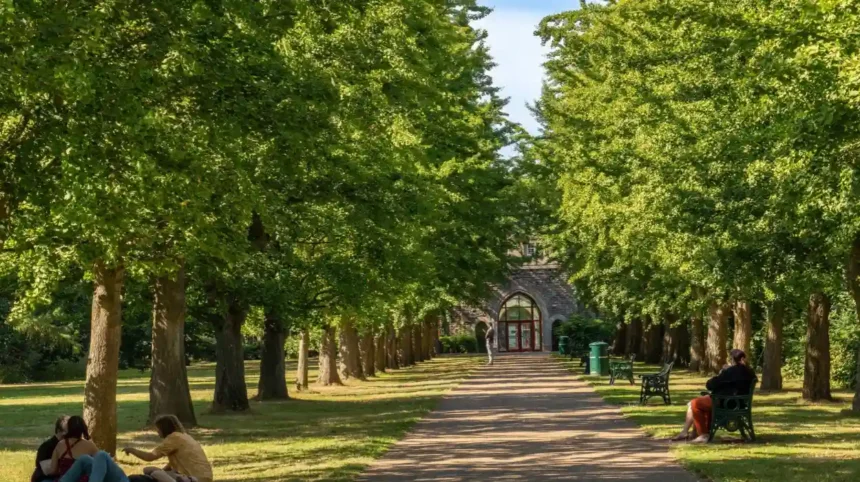
Bute Park is one of Cardiff’s principal green spaces, located beside Cardiff Castle and the River Taff in the heart of the Welsh capital. The park provides walking routes, riverside scenery, historic features, mature trees and access to other central Cardiff attractions. This guide explains how to explore Bute Park on foot, plan a walking route, understand its history and make the most of a visit.
- What is Bute Park in Cardiff?
- What is the history of Bute Park?
- How long does it take to walk around Bute Park?
- Which walking routes can you follow in Bute Park?
- Where should you start a short walk?
- How can you follow a riverside walking route?
- Where can you extend the walk towards Blackweir?
- What are the main landmarks to see during a Bute Park walk?
- Why is the Animal Wall worth including?
- What can you discover at Blackfriars Friary?
- What makes the arboretum important?
- What is the Mill Leat?
- What wildlife can you see while walking in Bute Park?
- Where should you look for birds?
- When is the best time to observe insects?
- How should visitors behave around wildlife?
- Is Bute Park suitable for families and children?
- Is Bute Park accessible for wheelchair users and people with limited mobility?
- What are Bute Park’s opening hours and facilities?
- How do you get to Bute Park from Cardiff city centre?
- What should you know before walking in Bute Park?
- Why should Bute Park be part of a Cardiff walking itinerary?
What is Bute Park in Cardiff?
Bute Park is a large public park in central Cardiff, Wales, extending alongside the River Taff and behind Cardiff Castle. It combines historic parkland, woodland, landscaped gardens and riverside paths, providing walking opportunities close to the city centre, Cardiff attractions and public transport.
Bute Park forms part of Cardiff’s historic landscape and provides a green corridor through the city. Its location makes it accessible to residents, commuters, tourists, families and people looking for a quiet outdoor break.
The park sits immediately north of Cardiff Castle, with entrances connecting it to the city centre, North Road and nearby neighbourhoods. The River Taff runs along the park’s western side, creating a natural boundary and providing a distinctive feature along several walking sections.
Bute Park is suitable for different types of walks. Visitors can take a short stroll near the castle, follow longer paths through the park, explore tree-lined avenues or combine a walk with Cardiff’s riverside and cultural attractions.
The park also serves as an urban green space. Its trees, grassland, waterway and planted areas provide habitats for wildlife while giving visitors access to nature within a built-up city.
What is the history of Bute Park?
Bute Park developed from the historic grounds associated with Cardiff Castle and the Bute family. The park’s landscape reflects centuries of land use, including the castle estate, designed gardens and later public access, connecting Cardiff’s urban development with its historic green spaces.
The park’s history is closely connected to Cardiff Castle, a landmark whose origins include Roman occupation and a Norman fortification. The surrounding estate developed over many centuries, with successive owners shaping the grounds and their relationship with the city.
The Bute family played a major role in Cardiff’s development during the nineteenth century. The family’s influence extended to the castle estate and the growth of Cardiff as an industrial and commercial centre.
Bute Park became a public amenity in the twentieth century. The transfer of the castle and park to Cardiff Corporation in 1947 was a significant point in their public history. Today, Cardiff Council manages the park as a public space.
The historic landscape remains visible in its mature trees, paths, open lawns and garden features. Walking through the park therefore provides access to both recreational green space and a landscape shaped by Cardiff’s social and architectural history.
The park’s setting also demonstrates the relationship between heritage conservation and public recreation. Its historic character is maintained alongside everyday uses such as walking, exercise, nature observation and organised outdoor activities.
How long does it take to walk around Bute Park?
A short walk around the southern section of Bute Park takes approximately 20–30 minutes, while a longer exploration of its riverside paths, historic features and northern parkland takes one to two hours. The total walking time depends on the chosen route, stops and pace.
Bute Park covers approximately 56 hectares, equivalent to around 138 acres, according to Visit Cardiff. The wider park landscape includes woodland, open grassland, an arboretum, ornamental planting and riverside areas. These features allow visitors to choose a route that matches their available time.
A short walk works well for visitors entering from Cardiff Castle or Castle Street. A longer walk allows time to explore the park’s northern sections, observe trees and wildlife, and visit the River Taff.
The following estimates provide a practical starting point rather than official timings.
Short park walk
Enter near Cardiff Castle, follow the southern paths and explore the nearby landscaped areas.
Medium park walk
Combine the central paths with a section of the riverside and the mature tree collections.
Extended park exploration
Explore several sections of the park, pause at historic features and walk further north towards Blackweir.
These estimates exclude lengthy café stops and detours. Visitors following a marked trail should check its published distance before setting off.
Which walking routes can you follow in Bute Park?
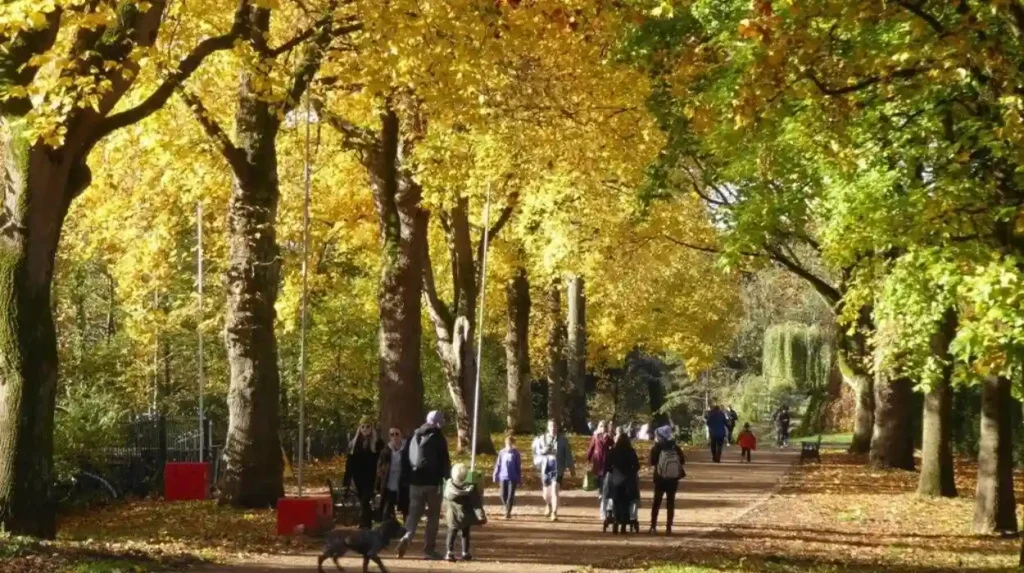
Bute Park contains a network of paths rather than one compulsory circular walking route. Visitors can choose a short castle-side stroll, a riverside walk, a tree-focused route or an extended exploration towards Blackweir, using the official park map to plan connections.
The park’s official walking trails include the Champion Tree Trail, woodland activities, sculpture discovery and historical exploration. These trails provide different ways to experience the landscape without requiring visitors to follow the same route.
Where should you start a short walk?
Start near the West Gate or the entrance beside Cardiff Castle. Follow the main paths into the southern parkland, where historic structures, mature trees and landscaped areas provide points of interest.
This section suits visitors with limited time or those combining a park visit with Cardiff Castle, the city centre or nearby shopping streets.
How can you follow a riverside walking route?
Follow the accessible connections towards the River Taff and choose paths that run parallel to the water. The river forms the western edge of much of the park, creating opportunities to observe flowing water, riverside vegetation and wildlife.
Check the park map at junctions because paths branch through the landscape. River levels and surface conditions also affect the suitability of individual sections after wet weather.
Where can you extend the walk towards Blackweir?
Walk north through the park to explore its more extensive green areas and the vicinity of Blackweir. This section provides an option for visitors who want to spend longer outdoors rather than remain close to the castle.
The park connects with a wider network of public green spaces, including Pontcanna Fields and Sophia Gardens. A route that combines these areas requires more time and should be planned using a current map.
What are the main landmarks to see during a Bute Park walk?
Bute Park contains historic landmarks, ornamental features and natural attractions, including the Animal Wall, Blackfriars Friary, the arboretum, the Mill Leat and the River Taff. These features provide clear points of interest for visitors exploring Cardiff’s central parkland on foot.
The park’s attractions reflect its development as a private castle estate and later a public park. Visitors can combine several features during one walk instead of treating the park solely as a route between destinations.
Why is the Animal Wall worth including?
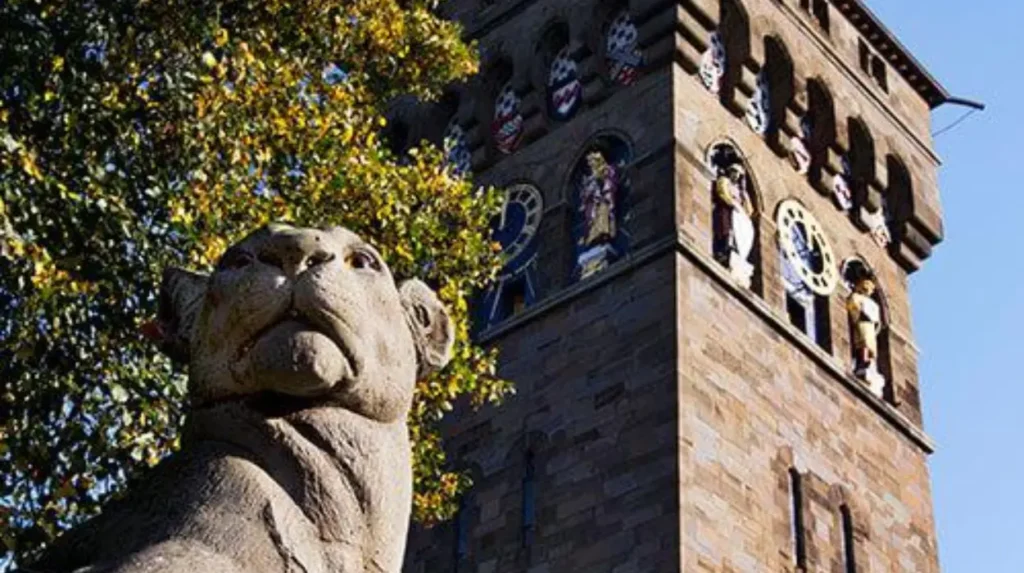
The Animal Wall is a line of sculpted animals along the exterior of Cardiff Castle near Castle Street. Designed by architect William Burges, the wall provides a recognisable starting point for a walking visit.
Its position beside the park makes it convenient for visitors entering from the city centre. Look at the sculpted figures before following the paths into the green space.
What can you discover at Blackfriars Friary?
Blackfriars Friary is a medieval religious site within the park. Its surviving remains connect the landscape with Cardiff’s medieval history and demonstrate that the area served purposes beyond recreation and gardening.
The park’s official website identifies Blackfriars Friary as an ancient scheduled monument and a Grade II listed building dating to the thirteenth century. Visitors should respect the historic remains and follow any access restrictions displayed on site.
What makes the arboretum important?
An arboretum is a managed collection of trees grown for conservation, education, research or public enjoyment. Bute Park contains a nationally significant collection of mature and ornamental trees, including specimens recognised for their exceptional size.
The Champion Tree Trail helps visitors discover notable examples. It also provides an educational reason to slow down, read identification signs and compare tree species during a walk.
What is the Mill Leat?
The Mill Leat is a water channel associated with the historic management of water around Cardiff Castle. The wider landscape preserves evidence of former mills, watercourses and connections with Cardiff’s industrial development.
The channel also reflects the relationship between the castle grounds and the water infrastructure that helped shape the city. Visitors can include this feature when exploring the southern parkland.
What wildlife can you see while walking in Bute Park?
Bute Park supports urban wildlife through its mature trees, grassland, planted areas and river corridor. Walkers can look for birds, insects and other animals while exploring the park, although sightings depend on season, weather, habitat conditions and the amount of disturbance.
The park’s wildlife value comes from the variety of habitats within a central urban location. Trees provide nesting and feeding opportunities for birds, while flowering plants support insects and the river corridor offers habitat for aquatic and riverside species.
Visit Cardiff identifies woodpeckers, jays, treecreepers, herons, damselflies and otters among the wildlife associated with the park. These are possible sightings, not a guarantee that every visitor will encounter each species.
Where should you look for birds?
Observe mature trees, woodland edges and quieter paths. Different bird species use different parts of the park, so moving between tree cover and open areas provides a broader opportunity to spot them.
Listen for calls as well as looking through the branches. Binoculars help visitors observe birds without approaching nests or disturbing wildlife.
When is the best time to observe insects?
Spring and summer generally provide more opportunities to observe active insects around flowering plants and vegetation. Damselflies are associated with suitable water habitats, while other insects use the park’s gardens and grassland.
Walk slowly near planted areas and avoid trampling vegetation. Seasonal changes influence which insects are active and which plants provide flowers or shelter.
How should visitors behave around wildlife?
Keep dogs under control, avoid feeding wild animals and leave nests, burrows and other habitat features undisturbed. Stay on designated paths where practical, particularly near sensitive vegetation and riverbanks.
Do not enter the river to approach wildlife. River conditions change, and slippery banks or fast-flowing water create avoidable risks.
Is Bute Park suitable for families and children?
Bute Park provides family-friendly walking opportunities through open lawns, woodland paths, nature trails and outdoor play features. Families can plan shorter walks around the southern parkland or extend their visit to include wildlife observation, historic landmarks and designated play areas.
The park combines open spaces with features designed to encourage outdoor exploration. Its official website identifies a Woodland Play Trail with 11 outdoor play items, along with sculpture trails and seasonal discovery activities.
Children can explore the park by looking for animal sculptures, identifying leaves, counting different tree species or observing birds from the paths. These activities create a clear purpose for a walk without requiring specialist equipment.
Families should choose a route based on children’s ages, walking ability and the time available. Shorter loops with regular breaks work well for younger children, while older children can follow a longer trail.
Check the official park website before travelling to confirm current facilities, opening times and any temporary closures. Bring suitable footwear, water and weather-appropriate clothing, especially when exploring woodland or riverside paths.
Is Bute Park accessible for wheelchair users and people with limited mobility?
Bute Park has established paths and several city-centre entrances, but accessibility varies by route, surface and weather. Visitors with limited mobility should check the official park map, select suitable paths and confirm current access information before planning a longer walk.
The park’s official directions explain that access is available from several points around the site. Vehicle access is restricted to operational vehicles, and nearby public car parks serve visitors arriving by car.
Some paths have hard surfaces, while others use stone dust or more informal ground. These differences affect how easy it is to travel through the park with a wheelchair, mobility scooter or pushchair.
For a more manageable visit, start from an entrance close to the intended destination and avoid committing to an unfamiliar long route. Check for surface changes, slopes, temporary barriers and wet conditions.
Cardiff’s Mobility Buggy is listed by the park’s official directions as a free service providing pick-up and drop-off between two locations in the city centre. Check current operating arrangements and eligibility before relying on it for a visit.
Visitors who require step-free access, accessible toilets or a specific path width should contact the park team in advance. A general description of a path does not establish that every section is suitable for every mobility requirement.
What are Bute Park’s opening hours and facilities?
Bute Park generally opens daily at 7:30 am and closes 30 minutes before sunset. The site includes visitor facilities, cafés, toilets and walking trails, but closing times, service availability and access arrangements vary, so visitors should check official information before departure.
The official Bute Park website lists the park’s opening arrangements, attractions and visitor information. The visitor centre is a useful starting point for learning about the park’s heritage, finding maps and exploring its educational resources.
Facilities and practical details include:
- Visitor Centre: Information about the park’s history, landscape and wildlife.
- Cafés: Refreshment options within the park, including Pettigrew Tea Rooms and other park cafés, subject to current opening arrangements.
- Toilets: Visitor toilets are available at designated facilities, including the visitor centre area.
- Walking trails: Self-guided routes cover trees, history, sculptures and woodland activities.
- Cycling facilities: Cycle racks are provided at designated locations, including near the education centre and cafés.
Opening hours change with sunset, so a winter visit finishes earlier than a summer visit. Check the notices at entrances for the relevant daily closing time.
The park also hosts public events throughout the year. Large events affect footfall, noise levels and access to certain areas, making it sensible to check the event calendar when planning a quiet walk.
How do you get to Bute Park from Cardiff city centre?
Bute Park is within walking distance of Cardiff city centre, Cardiff Castle and several railway stations. Visitors can enter near West Gate, Castle Street or North Road, while bus services and nearby public car parks provide additional transport options.
The West Gate entrance is approximately a 10-minute walk from Cardiff Central railway station and around a 15-minute walk from Cardiff Queen Street station, according to the park’s official directions. Actual journey times depend on the route and walking pace.
Can you reach Bute Park by train or bus?
Cardiff Central and Cardiff Queen Street are useful railway stations for visitors approaching from other parts of Wales or the wider rail network. Cathays station is another option for accessing the eastern side of the park.
Several bus stops serve the city centre near Castle Street and North Road. Check current routes and timetables with Cardiff Bus before travelling because services and schedules change.
Where can you park near Bute Park?
Bute Park does not have general on-site visitor parking. Nearby options listed by the park include Castle Mews, North Road and Sophia Gardens car parks. Check parking charges, restrictions, availability and walking distances before choosing a location.
For visitors already exploring central Cardiff, walking to the park is often the simplest option. It also allows the visit to be combined with Cardiff Castle, the city centre or nearby cultural attractions.
Explore More Area Guide
Cardiff Bay Walking Route Guide: Landmarks, Distance and Barrage
Taff Trail Cardiff Guide: Routes, Distance and Attractions
What should you know before walking in Bute Park?
A successful Bute Park walk starts with choosing a route, checking opening times and preparing for changing Welsh weather. Visitors should use marked paths, respect wildlife and heritage features, check event notices and allow enough time to return before the park’s usual closing time.
A little preparation makes the park easier to explore, particularly for first-time visitors or anyone planning a longer walk towards Blackweir.
Wear comfortable footwear suited to paved paths and potentially muddy sections. Rain can make grass, soil and riverside surfaces slippery, so check the forecast and adjust the route when conditions are poor.
Keep valuables secure and use well-trafficked paths when walking alone. The park’s 24-hour commuter route between the Royal Welsh College of Music & Drama entrance at Fisher’s Bridge and Millennium Bridge is not lit at night, according to the official directions. Other entrances generally close 30 minutes before sunset. Follow posted signs and avoid assuming the entire park remains accessible after dark.
Visitors should also check for temporary closures associated with maintenance, flooding or public events. The park’s location beside the River Taff makes river conditions particularly relevant after heavy rainfall.
Why should Bute Park be part of a Cardiff walking itinerary?
Bute Park offers a practical way to combine outdoor recreation, local history and wildlife observation in central Cardiff. Its riverside setting, historic landmarks, tree collections and connections to neighbouring green spaces make it suitable for short visits and longer walking itineraries.
The park provides access to a significant historic landscape without requiring a journey outside the city. Visitors can spend a short time near Cardiff Castle or explore a broader network of paths and green spaces.
Its historical features explain how the castle estate evolved, while its trees and river corridor demonstrate the environmental value of urban green space. Walking also offers a convenient way to experience these features at a comfortable pace.
Whether you are a Cardiff resident looking for a regular walking route or a visitor exploring the Welsh capital, Bute Park provides a central starting point for discovering the city’s historic landscape and riverside environment.
Where is Bute Park in Cardiff?
Bute Park is located in central Cardiff, Wales, beside Cardiff Castle and the River Taff. It is within walking distance of Cardiff city centre and several railway stations.