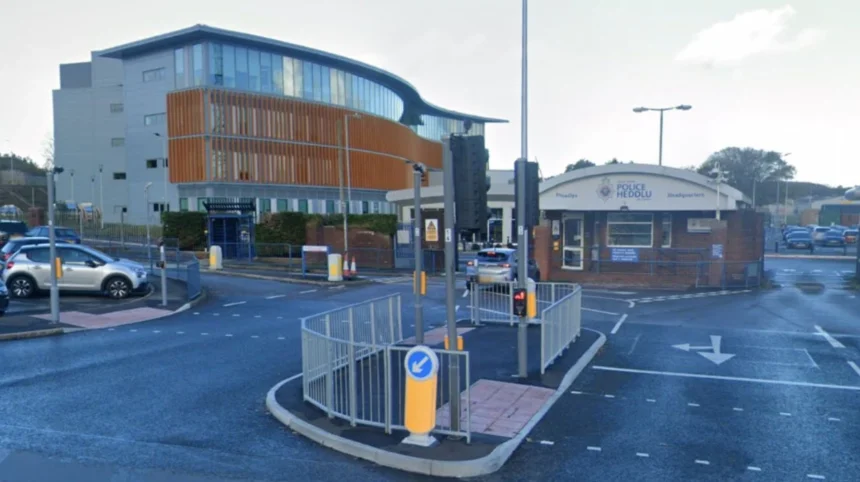
In March 2026, several Cardiff secondary schools suspended in‑person classes for two days after South Wales Police received anonymous online threats indicating that someone intended to bring weapons onto school grounds. The decision to close Llanishen High School and Eastern High School was made jointly by South Wales Police and Cardiff Council as a precaution to protect pupils, staff, and the wider community while the threats were assessed and investigated. No physical weapons or explosives were later found, and the closures were treated as a preventative safety measure.
- What happened to Cardiff schools today?
- Why did South Wales Police intervene?
- Which Cardiff schools were closed?
- How did South Wales Police receive the threat?
- What is the legal basis for closing schools for safety?
- How common are school threat incidents in Cardiff?
- What happened after the schools closed?
- Who has been arrested in connection with the threats?
- What is a “malicious communication” in this context?
- What is a bomb hoax under UK law?
- How do threats like this affect pupils and families?
- What safeguards are in place for Cardiff schools?
- How do online threat‑reporting systems work?
- What can parents do when schools close suddenly?
- What are the long‑term implications for Cardiff education?
What happened to Cardiff schools today?
Cardiff schools closed as a precaution because South Wales Police received online threats describing an individual planning to attend two secondary schools with weapons, including firearms and knives. The threats were communicated via the force’s live‑chat or online‑reporting platform on the evening of Sunday, 15 March 2026, naming Llanishen High School and Eastern High School and later referencing St Illtyd’s High School as well. South Wales Police classified the information as possible malicious communication and potential bomb‑hoax‑style threat, triggering an immediate safeguarding response.
The police consulted with Cardiff Council’s education department and agreed that the safest course was to suspend in‑person teaching at the affected schools on Monday 16 March 2026 and most of the following day. No explosive devices or weapons were subsequently found at the schools, and the closures were treated as a preventative measure rather than a confirmed attack. The disruption affected tens of thousands of pupils, teachers, and support staff across Cardiff, with lessons moved online and extracurricular activities cancelled over the two‑day period.
Why did South Wales Police intervene?
South Wales Police intervened because they received a live‑chat report alleging that someone planned to attend Llanishen High School and Eastern High School armed with weapons, creating a credible enough risk to justify precautionary closures. Under the UK’s public safety framework, police forces must treat any credible threat to children or schools extremely seriously, even when the information arrives through anonymous online channels. The force activated its Critical Incident or Public Protection protocols, deploying officers to the schools to conduct security sweeps, review CCTV, and coordinate with school leadership and local authorities.
The police also informed Cardiff Council, which has statutory responsibility for education services, and the two bodies jointly decided that the marginal risk to pupils justified temporarily closing the schools. This kind of joint decision‑making is standard in UK school‑emergency procedures, where police assess the threat level and local authorities implement practical measures such as closures or remote‑learning arrangements. The intervention followed national guidance on managing threats to educational premises, ensuring that any potential risk to children was minimised despite the lack of immediate physical evidence.
Which Cardiff schools were closed?
Llanishen High School and Eastern High School were the two main Cardiff secondary schools closed on 16–17 March 2026; St Illtyd’s High School was also drawn into the incident later. These are all state‑funded secondary schools serving communities in north and east Cardiff, with combined pupil populations in the low thousands. The initial threat targeted Llanishen High School and Eastern High School after an online message suggested an armed individual might attend both sites around school hours.
Later that week, police received additional information involving St Illtyd’s High School, prompting further security checks and communications with parents, though the primary closures and disruption centred on Llanishen and Eastern. The closures affected not only students and teaching staff but also school‑based services such as breakfast clubs, exam‑support programmes, and extracurricular activities, amplifying the impact on Cardiff families. The incident highlighted how a single alleged threat can cascade across multiple schools within a single local authority area.
How did South Wales Police receive the threat?
South Wales Police received the threat via its online live‑chat or digital‑reporting platform, which allows anonymous submissions about crime or safety concerns. On Sunday 15 March 2026, at approximately 20:30, the force logged a chat message alleging that an individual intended to attend Llanishen High School and Eastern High School with weapons, including firearms and knives. The format of the communication—coming through an official police‑managed channel—meant it had to be treated as more serious than a random social‑media post, even if the sender was anonymous.
Police digital‑investigation teams and Cyber Crime units began tracing the origin of the message, examining IP addresses, device identifiers, and metadata where available, while frontline officers prepared for on‑the‑ground response. This digital pathway later led to the identification of suspects located in Birmingham, illustrating how modern policing combines online‑forensics tools with traditional investigative methods when dealing with threats to schools. The use of an official reporting channel also ensured that the information was logged in the police case‑management system and escalated quickly to senior decision‑makers.
What is the legal basis for closing schools for safety?
Schools in Wales can be closed or placed on lockdown when police determine that a threat to life or serious injury is credible, under a combination of criminal‑law powers and local‑authority emergency protocols. The main legal framework includes the Criminal Law Act 1977 (for “bomb‑hoax”‑type threats), the Malicious Communications Act 1988, and broader public‑safety and child‑protection duties placed on the police and local authorities. Threatening to cause explosions, harm, or death at a school is a criminal offence, even if the threat is not carried out.
Police can therefore act on intelligence that suggests a risk, not just on confirmed physical evidence. Separately, Cardiff Council and school governors have a duty under the Education and Inspections Act 2006 and Welsh Government guidance to ensure a safe environment for pupils, which justifies temporary closures when external agencies like the police advise that risk reduction is necessary. The March 2026 closures were therefore grounded in both criminal‑law powers and statutory education‑safety obligations, creating a dual justification for suspending in‑person attendance.

How common are school threat incidents in Cardiff?
Serious school‑targeted threat incidents in Cardiff are relatively rare but not unprecedented; this March 2026 case is one of the most high‑profile in recent years. National and regional figures show that “bomb hoax” or weapons‑threat‑type reports to UK schools occur in the low hundreds annually, with many resolved quickly and without physical harm. Within South Wales Police’s area, which includes Cardiff, security‑related incidents at schools have increased slightly over the past decade, partly due to the rise of online‑based threats and hoax calls.
Cardiff schools have experienced previous incidents such as evacuations, lockdowns, and short‑term closures in response to bomb threats, suspicious objects, or concerning behaviour, but few have led to multi‑school disruption on the scale seen in March 2026. This pattern reflects broader UK trends where most school‑threat episodes are deemed non‑credible after investigation but still justify precautionary closures because of the high priority placed on child safety. The Cardiff case sits at the higher‑end of this spectrum, involving multiple schools and a prolonged media profile.
What happened after the schools closed?
After the schools closed, South Wales Police conducted multi‑agency security operations, including patrols, sweeps, and digital‑evidence analysis, while Cardiff Council organised remote‑learning and parental‑communication plans. Officers were stationed at and around Llanishen High School and Eastern High School to monitor for any suspicious activity, and specialist teams checked perimeter fencing, entrances, and surrounding areas for hidden items. These operations aligned with national counter‑terrorism and bomb‑response protocols, ensuring that potential risks were methodically ruled out.
School leaders and local‑authority staff activated business‑continuity plans, which included sending guidance to parents about remote work, mental‑health support, and rescheduling of exams or assessments. Parents were repeatedly informed that no weapons or explosives had been found and that the closures were purely precautionary, though some expressed frustration over the timing and clarity of information. By Wednesday, 18 March 2026, the police concluded that the threat level had reduced enough to allow the schools to reopen, with security measures temporarily reinforced and additional safeguarding checks introduced.
Who has been arrested in connection with the threats?
Three people have been arrested in connection with the Cardiff school threats: a 44‑year‑old woman, a 47‑year‑old man, and a 12‑year‑old boy, all from Birmingham. They were detained on suspicion of committing a bomb hoax contrary to section 2 of the Criminal Law Act 1977, which criminalises making threats to cause explosions or serious harm with intent to alarm or intimidate. The arrests were made after digital‑investigation teams traced the online messages and associated communications back to devices and accounts linked to the Birmingham trio.
The inclusion of a child suspect highlights the complex legal and safeguarding issues in cases where minors are involved in online threats; UK law treats such offences seriously but also requires consideration of child‑protection and welfare frameworks. The three individuals remained in police custody as of late March 2026, with potential charges to be determined by the Crown Prosecution Service (CPS) after full evidence review. The case has also prompted discussion about how to balance robust criminal enforcement with interventions aimed at preventing younger offenders from repeating such behaviour.
What is a “malicious communication” in this context?
A malicious communication is any sent message that is indecent, offensive, threatening, or intended to cause distress, and it becomes a criminal offence under the Malicious Communications Act 1988 when sent with that intent. In the Cardiff school case, the anonymous online messages describing planned violence at Llanishen High School, Eastern High School, and St Illtyd’s High School were treated as potential malicious communications because they threatened serious harm and had the likely effect of causing alarm or distress. Wales and England recognise several forms of malicious communication, including threatening emails, social‑media messages, fake bomb‑hoax calls, and anonymous threats through official‑reporting channels such as police live‑chat.
Each form can attract criminal penalties if proven, and in school‑related cases such offences are viewed especially seriously because they involve children, educational institutions, and public‑safety infrastructure. Prosecutors may also consider additional charges, such as bomb hoax under the Criminal Law Act 1977, if the message specifically references explosives or weapons. The legal definition ensures that even messages that do not escalate to physical violence can still be prosecuted when they are sent with the clear intent to frighten or disturb others.
What is a bomb hoax under UK law?
A bomb hoax under UK law is any false warning or threat about an explosive device made with the intention of causing fear, panic, or disruption, and it is punishable under the Criminal Law Act 1977. Section 2 of that Act makes it a criminal offence to threaten to cause explosions or serious injury, even if no actual device exists. In the Cardiff school incident, the threats described someone arriving at Llanishen High School and Eastern High School with weapons and potentially explosives, which fits the legal definition of a bomb hoax.
Police and prosecutors can charge individuals with this offence if evidence shows they made the threat, knew it was false, and intended to alarm or frighten others. Penalties for a bomb hoax conviction can include imprisonment, fines, and in some cases, placement on a violent‑offender register, reflecting the serious impact such threats have on public‑safety resources and community trust. The law also allows authorities to treat bomb‑hoax threats as high‑prior‑risk incidents, justifying school closures and emergency deployments even when the evidence is not yet conclusive.
How do threats like this affect pupils and families?
Threats to schools trigger immediate stress for pupils, parents, and staff, disrupting routines, learning, and emotional wellbeing, even when the threat is later found to be a hoax. The March 2026 closure of Llanishen High School and Eastern High School forced thousands of students to switch unexpectedly to remote‑learning, cancelled sports fixtures, clubs, and social events, and created anxiety about personal safety. Parents reported feeling anxious, confused, and frustrated, particularly when they received limited or delayed information about the nature of the threat or the reopening timeline.
Schools and local authorities therefore work closely with mental‑health practitioners and Welsh Government education‑wellbeing guidelines to provide counselling, reassurance, and clear communication as part of their incident‑recovery plan. Over time, repeated threats or hoaxes can erode trust in school safety systems, which is why authorities emphasise both robust security measures and transparent communication after each incident. The psychological impact is often most pronounced among younger pupils and those with existing anxiety, requiring targeted support from school‑based counsellors and external services.
What safeguards are in place for Cardiff schools?
Cardiff schools operate under multi‑layered safeguarding frameworks, including risk‑assessment policies, police liaison agreements, and emergency‑planning protocols coordinated by Cardiff Council and the Welsh Government. Each school in Cardiff maintains a Safeguarding and Child‑Protection Policy aligned with national guidance, which includes procedures for responding to threats, suspicious items, and lockdowns. Security‑camera systems and monitored entrances are standard at most secondary schools, and designated safeguarding leads liaise regularly with police and social‑services teams.
Regular emergency drills for lockdowns, evacuations, and bomb‑threat scenarios are embedded into the school calendar, ensuring that staff and pupils know how to respond calmly and efficiently. South Wales Police has a School Liaison Officer scheme, where officers build relationships with headteachers and governors to share threat‑awareness training and coordinate responses to incidents. These measures are designed to reduce the impact of future threats, not only by preventing harm but also by ensuring that any closures or disruptions are as short and clearly justified as possible. Cardiff Council also reviews safeguarding arrangements after major incidents, updating protocols in light of new evidence or changing threat patterns.
How do online threat‑reporting systems work?
Online threat‑reporting systems such as police live‑chat platforms allow the public to send anonymous messages about crime or safety concerns, which are then triaged and investigated by digital‑crime and operations teams. In South Wales, the live‑chat function is hosted on the South Wales Police website and is used for a range of reports, from minor anti‑social behaviour to serious threats like those received in the Cardiff school case. When a message is submitted, it is logged into a case‑management system and assessed by analysts who consider factors such as credibility, specificity, and potential risk.
High‑risk reports, such as threats to schools or public venues, are escalated immediately to local‑response units, public‑protection teams, and sometimes counter‑terrorism units, depending on the content. Digital‑investigation specialists then use technical tools to trace the origin of the message, which in the Cardiff case helped link the threats to suspects in Birmingham. These systems are designed to catch genuine threats early while also filtering out hoaxes and malicious reports, though they can sometimes create operational challenges when the volume of online messages increases.
What can parents do when schools close suddenly?
Parents can respond to sudden school closures by checking official communications, following school and council guidance, and supporting children’s emotional wellbeing while minimising misinformation. During the March 2026 closure, Llanishen High School, Eastern High School, and St Illtyd’s High School issued updates via school websites, letters, and social‑media channels, explaining that teaching was remote and that pupils should not attend sites. Parents are advised to verify information through school email, official websites, or local‑authority alerts rather than relying on social‑media rumours.
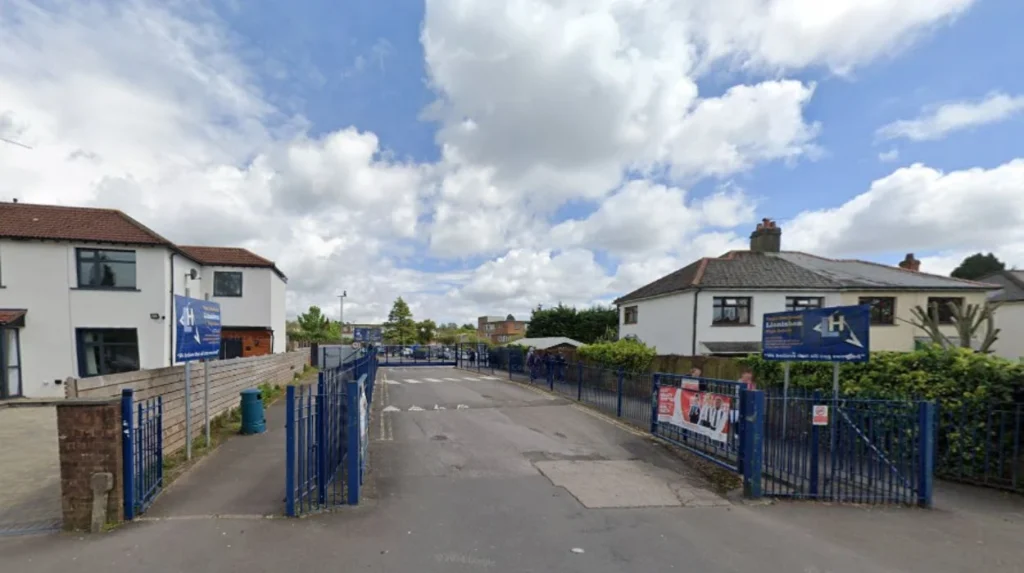
Maintaining regular routines at home, including set times for learning, breaks, and communication with teachers, helps reduce disruption to children’s education. Parents can also use support from school counsellors or Welsh Government mental‑health resources if children show anxiety or distress. Staying informed but calm helps reduce the psychological impact of unexpected closures and reinforces the school’s message that the priority is pupil safety and wellbeing. Engaging with school‑provided materials and following any guidance from Cardiff Council ensures that families respond in line with the official emergency plan.
What are the long‑term implications for Cardiff education?
The incident reinforces the need for tighter collaboration between police, schools, and families on digital‑safety and threat‑response, while also prompting reviews of how quickly parents are informed during emergencies. Cardiff Council and South Wales Police have indicated that they will review the handling of the March 2026 closures, particularly around communication speed, clarity, and parental involvement. The goal is to balance the necessity of rapid action with the need for timely, accurate information that minimises confusion and anxiety.
Long‑term implications include strengthened digital‑safety education in Cardiff schools, teaching pupils about the legal and social consequences of online threats. There is also a push for refined emergency‑response protocols for rapid information sharing between schools, councils, and police, including the use of automated alert systems and multilingual messaging. Enhanced parental‑engagement strategies are expected to reduce the emotional and logistical impact of future closures, ensuring that Cardiff’s education system remains resilient in the face of evolving security challenges.