Rumney and Llanedeyrn rank as eastern suburbs of Cardiff in Wales. Both areas attract new residents seeking affordable housing and community access. This article compares demographics, amenities, housing, education, transport, safety, and lifestyle factors.
- What Are Rumney and Llanedeyrn in Cardiff?
- Where Are Rumney and Llanedeyrn Located in Cardiff?
- What Is the History of Rumney and Llanedeyrn?
- What Are the Demographics of Rumney and Llanedeyrn?
- What Are Average House Prices in Rumney vs Llanedeyrn?
- What Schools Serve Rumney and Llanedeyrn?
- How Is Public Transport in Rumney and Llanedeyrn?
- What Amenities Exist in Rumney vs Llanedeyrn?
- What Are Crime Rates in Rumney and Llanedeyrn?
- What Are Pros and Cons of Living in Rumney vs Llanedeyrn?
- Which Suburb Is Better for Families in Cardiff?
- Which Is Better for Commuters: Rumney or Llanedeyrn?
- What Lifestyle Differences Exist Between Rumney and Llanedeyrn?
What Are Rumney and Llanedeyrn in Cardiff?
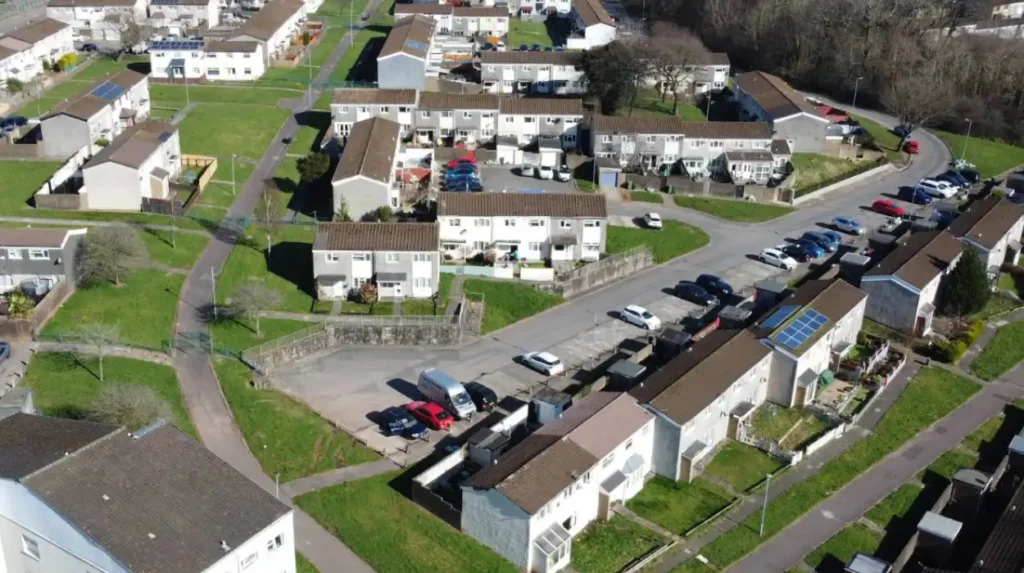
Rumney and Llanedeyrn are residential suburbs east of Cardiff city center, separated by the River Rhymney. Rumney features a mix of social and private housing with local shops and industrial estates. Llanedeyrn consists of 1960s council-built estates including prefabricated houses and multi-storey flats for low-income families. Both provide suburban living 3-4 miles from central Cardiff.
Rumney lies east of the Rhymney River in Cardiff, Wales. The area joined Cardiff under the Cardiff Extension Act 1937, effective 1 April 1938. It previously belonged to Monmouthshire. Predominantly residential, Rumney includes social and private housing. Local shops, beauty salons, cafes, and places of worship operate along Newport Road and Rumney Hill. Industrial estates on Lamby Way offer employment. The Rumney Forum charity at Brachdy House supports community initiatives like school uniform donations.
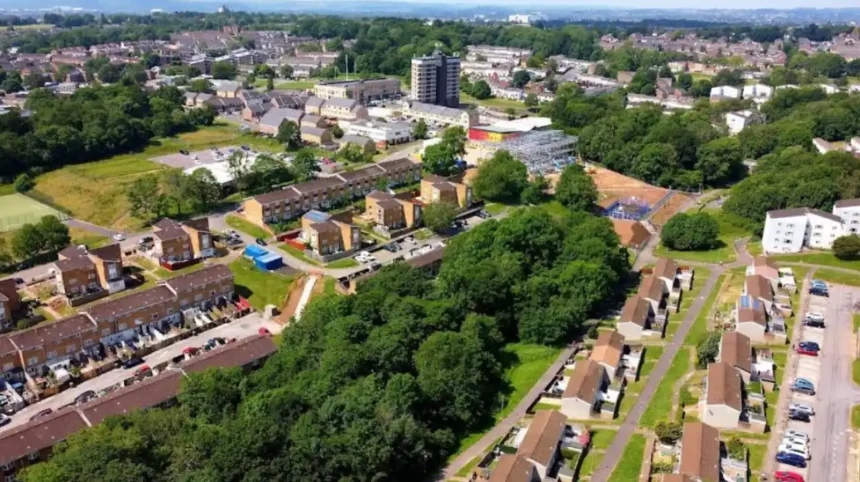
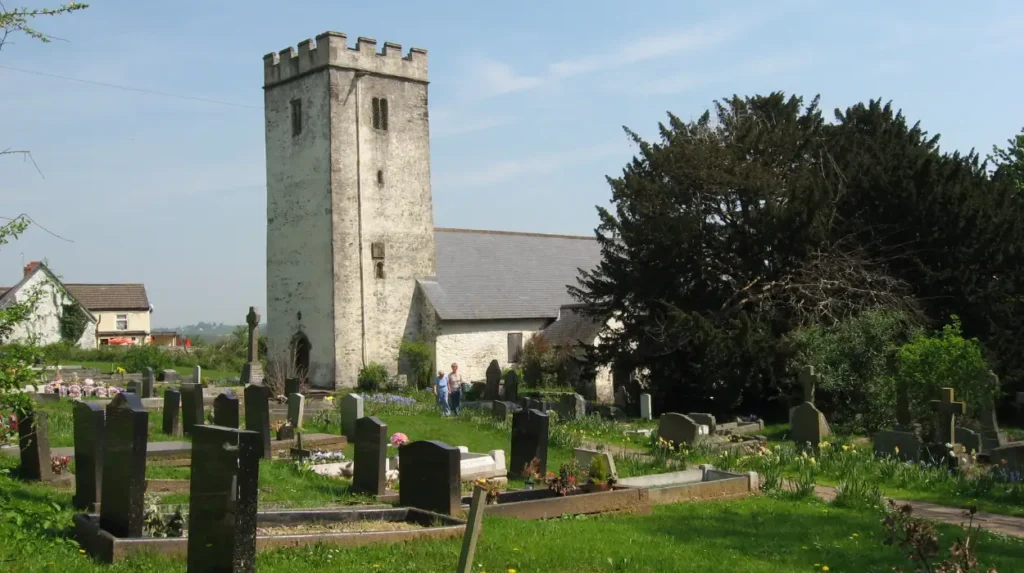
Llanedeyrn developed from a historical site linked to St. Edeyrn, who established a community of 300 around the 6th century. The current St. Edeyrn Church stands on ancient foundations with Norman-era walls and windows. In the late 1960s, Cardiff Council built 3,500 low-cost homes for 12,000 residents, including 2,000 council-owned properties and 1,500 private ones. Construction began in 1968 with prefabricated houses, terraced units, and blocks of 2-, 3-, and multi-storey flats. The Unicorn pub, dating to the 15th century, serves as a local landmark.
These suburbs form part of Cardiff’s eastern expansion. New residents choose them for proximity to the city while maintaining quieter environments. Population in Rumney reached 9,108 in mid-2020, with 4,401 males and 4,707 females. Implications include stable communities with ongoing housing developments.
Where Are Rumney and Llanedeyrn Located in Cardiff?
Rumney sits east of the River Rhymney, 3 miles from Cardiff city center via Newport Road. Llanedeyrn lies north of Rumney, adjacent to Pentwyn Lakes, 4 miles from the center. Both connect to the A48 and M4 motorway, providing access to eastern Cardiff neighborhoods like St Mellons and Llanrumney.
Cardiff spans as the capital of Wales with a population of 369,202 in mid-2020. Rumney borders the River Rhymney to the west, separating it from Llanrumney. Key roads include Rumney Hill, Uplands Crescent, and Lamby Way for industrial access. The area extends to Parc Tredelerch, a recreational space.
Llanedeyrn positions north across the river from Rumney. Boundaries touch Llanrumney Avenue and Pentwyn Road. Nearby landmarks include Pentwyn Lakes Country Park and St. Teilo’s Church in Wales High School. The suburb integrates with eastern Cardiff via Llanedeyrn Road.
Location impacts daily commutes. Travel to Cardiff Central Station takes 27 minutes by bus from both areas. Taxi journeys cover 4.2 miles in 8 minutes. The M4 motorway links to Swansea and Newport, enhancing regional connectivity.
What Is the History of Rumney and Llanedeyrn?
Rumney transitioned from Monmouthshire to Cardiff in 1938 under the Cardiff Extension Act. Llanedeyrn evolved from a 6th-century monastic site of St. Edeyrn to 1960s council housing estates built for 12,000 residents starting 1968. Both suburbs expanded post-World War II to accommodate Cardiff’s growing population.
Rumney’s historical roots trace to Welsh Tredelerch. The 1937 Act incorporated it into Cardiff’s county borough on 1 April 1938. Development focused on residential and industrial growth. By mid-20th century, estates along Lamby Way supported employment.
Llanedeyrn centers on St. Edeyrn’s community from the 6th century. The church retains Norman features. The Unicorn pub originated in the 15th century under the Davies family until 1966. Cardiff Council initiated housing in the late 1960s: first estates opened in 1968 with prefabricated and terraced homes plus flats.
Post-war expansion addressed housing shortages. Rumney developed private and social housing. Llanedeyrn targeted low-income families. These changes shaped current demographics and infrastructure.
What Are the Demographics of Rumney and Llanedeyrn?
Rumney has 9,108 residents as of mid-2020, balanced with 48% male and 52% female. Llanedeyrn forms part of larger eastern Cardiff wards with similar working-class profiles from 1960s housing. Both suburbs feature diverse ages, high homeownership in private sectors, and employment in local industries and services.
Rumney’s mid-2020 population totals 9,108 within Cardiff’s 369,202. Males number 4,401 (48%); females 4,707 (52%). Households reach 3,489. The area attracts families and workers due to affordable housing.
Llanedeyrn’s demographics stem from 1960s planning for 12,000 people. It integrates with Llanrumney and St Mellons, known for council tenants and private owners. Age structures mirror Cardiff averages, with emphasis on families.
Diversity includes Welsh and English speakers. Employment draws from Lamby Way businesses in Rumney. Implications involve community stability and access to Cardiff jobs.
What Are Average House Prices in Rumney vs Llanedeyrn?
In Rumney, average house prices stand at £243,000 over the last year, with semi-detached at £276,000, terraced at £219,000, and flats at £129,000. Llanedeyrn properties average £230,000-£250,000 based on similar eastern suburbs. Both offer affordability below Cardiff’s £300,000 city average.
Rumney records £242,672 average last year from 359 transactions. Semi-detached homes sold for £276,325. Terraced averaged £219,320; flats £129,381. Three-bedroom houses reach £290,000; four-bedroom £456,000.
Llanedeyrn aligns with nearby areas like Llanrumney. Recent sales show terraced homes at £220,000-£240,000, semi-detached £250,000-£280,000. Council flats start lower at £100,000-£150,000.
Prices rose 5-7% annually due to demand. New residents benefit from first-time buyer schemes. Future trends predict steady growth with infrastructure improvements.
What Schools Serve Rumney and Llanedeyrn?
Rumney Primary School on Barmouth Road educates local children; former Rumney High School merged into broader options. Llanedeyrn hosts St Teilo’s Church in Wales High School and nearby Llanedeyrn Primary. Both suburbs access rated schools within walking distance or short bus rides.
Rumney Primary School, led by Mrs Eleri Williams, operates at Barmouth Road, CF3 3HD. Contact: 029 2079 1345. Rumney High School closed; students attend nearby secondaries like Cardiff High or Llanishen High.
St Teilo’s Church in Wales High School in Llanedeyrn serves co-educational secondary education. Llanedeyrn Primary provides primary level. Proximity to Greenway Primary in adjacent areas expands choices.
Schools emphasize English-medium and Welsh options. Performance aligns with Cardiff averages. Families select based on faith or location; implications include strong community ties.
How Is Public Transport in Rumney and Llanedeyrn?
Bus lines 101, 44, 54, 102, and 45 connect Rumney to Cardiff Central in 27 minutes for £2. Llanedeyrn uses Llanedeyrn Road stops for similar routes. Both link to A48 and M4; no rail stations, but taxis cover 8 minutes to center.
Rumney bus stops serve lines to city center and St Mellons. Travel to Customhouse Street takes 27 minutes. Frequencies run every 10-15 minutes peak hours.
Llanedeyrn Road provides access to buses via Llanrumney. Routes mirror Rumney’s, reaching Cardiff Queen Street. Cyclists use Rhymney Trail.
Transport supports commuters. Cards like Hwb cards offer discounts. Developments improve links to jobs.
What Amenities Exist in Rumney vs Llanedeyrn?
Rumney offers shops on Newport Road, Rumney Hill cafes, Rumney Hill Gardens park, and Lamby Way businesses. Llanedeyrn provides local convenience stores, Unicorn pub, and Pentwyn Lakes access. Both have pharmacies, takeaways, and community centers within 1 mile.
Rumney’s Newport Road hosts supermarkets, salons, and cafes. Rumney Hill Gardens, a 1950s Green Flag park, features trails along River Rhymney. Brachdy House supports charities.
Llanedeyrn focuses on residential amenities: Unicorn pub (15th century), small shops, and parks. Pentwyn Lakes Country Park offers walking 1 mile north.
Amenities suit daily needs. Examples: Tesco Express in Rumney, local GP surgeries. Growth adds dining options.
What Are Crime Rates in Rumney and Llanedeyrn?
Rumney ward records 84.5 crimes per 1,000 residents annually, rated low (4/10), with violence at 31.4 and anti-social at 10.8. Llanedeyrn areas show 40-50 per 1,000 (2-3/10), violence 22.6. Both below Cardiff’s 122 average.
Rumney’s rate: 84.5/1,000. Violence/sexual offences: 31.4 (4/10); anti-social: 10.8 (3/10); criminal damage: 9.36 (5/10). Lower than city medium.
Llanedeyrn Road: violence 22.6 (3/10); anti-social 5.11 (2/10); burglary 5.11 (5/10). Overall low.
Safety attracts families. Community policing reduces incidents. Future monitoring via council reports.
What Are Pros and Cons of Living in Rumney vs Llanedeyrn?
Rumney pros: affordable £243k homes, local shops, low crime 84.5/1k, parks. Cons: no rail, some rough pockets near Ball Road. Llanedeyrn pros: family estates, St Teilo’s school, quiet. Cons: 1960s flats aging, limited dining. Rumney suits workers; Llanedeyrn families.
Rumney advantages: community feel, employment at Lamby Way, Rumney Hill Gardens. Drawbacks: bus-dependent, variable quality near bottom ends.
Llanedeyrn strengths: historical church, lakes access, housing for budgets. Weaknesses: older infrastructure, fewer shops.
Choices depend on needs: Rumney for convenience, Llanedeyrn for space. Both offer value in Cardiff.
Which Suburb Is Better for Families in Cardiff?
Rumney fits families with Rumney Primary, parks like Hill Gardens, and £276k semis. Llanedeyrn excels with St Teilo’s High, Pentwyn Lakes, and estates for larger homes. Select Rumney for shops; Llanedeyrn for green space and schools.
Families in Rumney access primary education and trails. Housing supports 3-4 bedrooms.
Llanedeyrn provides secondary options and outdoor recreation. Estates accommodate children.
Implications: both rate well below city crime, with strong schools.
Which Is Better for Commuters: Rumney or Llanedeyrn?
Both offer 27-minute bus to center; Rumney edges with Newport Road shops and M4 access. Llanedeyrn suits via Llanedeyrn Road buses. Rumney better for daily amenities en route.
Commuters use lines 44, 54. Rumney’s industrial jobs add local work.
Llanedeyrn connects similarly, quieter for remote workers.
What Lifestyle Differences Exist Between Rumney and Llanedeyrn?
Rumney delivers active lifestyle with shops, cafes, Rhymney trails. Llanedeyrn emphasizes relaxed family life near lakes, church history. Rumney busier; Llanedeyrn greener.
Rumney supports walking, cycling on trails. Community events at Brachdy House.
Llanedeyrn focuses on parks, pub heritage. Fewer urban distractions.
Differences shape choices: urban-suburban balance.
Which is better to live in: Rumney or Llanedeyrn?
It depends on your priorities—Rumney is better for amenities and commuting, while Llanedeyrn is quieter and more suited to families seeking green space.