Cardiff, the capital of Wales, offers numerous free and low-cost attractions. These include parks, museums, markets, and waterfront walks that attract over 21 million visitors annually.
- What are the best free parks in Cardiff?
- Why visit Bute Park first?
- Which Cardiff museums offer free entry?
- What exhibits stand out at National Museum Cardiff?
- What cheap waterfront activities exist in Cardiff Bay?
- How long does the Bay Trail take?
- What markets and arcades are budget-friendly in Cardiff?
- Which arcade has the best history?
- Are there free views of Cardiff Castle?
- What other low-cost attractions suit families?
- How does Techniquest engage kids?
- What nature walks are free near Cardiff city centre?
- Which events provide free or cheap entry?
What are the best free parks in Cardiff?
Bute Park, Pontcanna Fields, and Roath Park provide free access to green spaces with gardens, riverside paths, and wildlife viewing. Bute Park spans 130 acres next to Cardiff Castle. Roath Park features a lake and conservatory for 2 GBP entry. Pontcanna Fields offer open meadows along the River Taff.
Bute Park serves as one of Cardiff’s largest urban parks at 130 acres. The park dates to 1873 when the third Marquess of Bute gifted the land for public use. Visitors access tree-lined avenues, flower gardens, and the River Taff walkway. The park hosts the annual Royal Horticultural Society Flower Show in September, drawing 50,000 attendees. Wildlife includes herons, otters, and woodpeckers across 2,000 tree species.
Pontcanna Fields connect to Bute Park and cover additional meadows. These fields support picnics, kite flying, and casual sports. The area borders Sophia Gardens, home to Glamorgan County Cricket Club matches viewable from public paths. Access remains open daily from dawn to dusk.
Roath Park, established in 1894, centers on a 30-acre lake stocked with fish. The park includes a rose garden, palm house conservatory (2 GBP entry), and Scott Memorial obelisk commemorating the 1912 Antarctic explorer. Boating lake activities cost under 5 GBP per hour. The park receives 1 million visitors yearly for its Victorian layout.
These parks lower urban stress levels by 20% according to Welsh government studies on green space access. They support biodiversity with native plantings and host community events like yoga sessions.
Why visit Bute Park first?
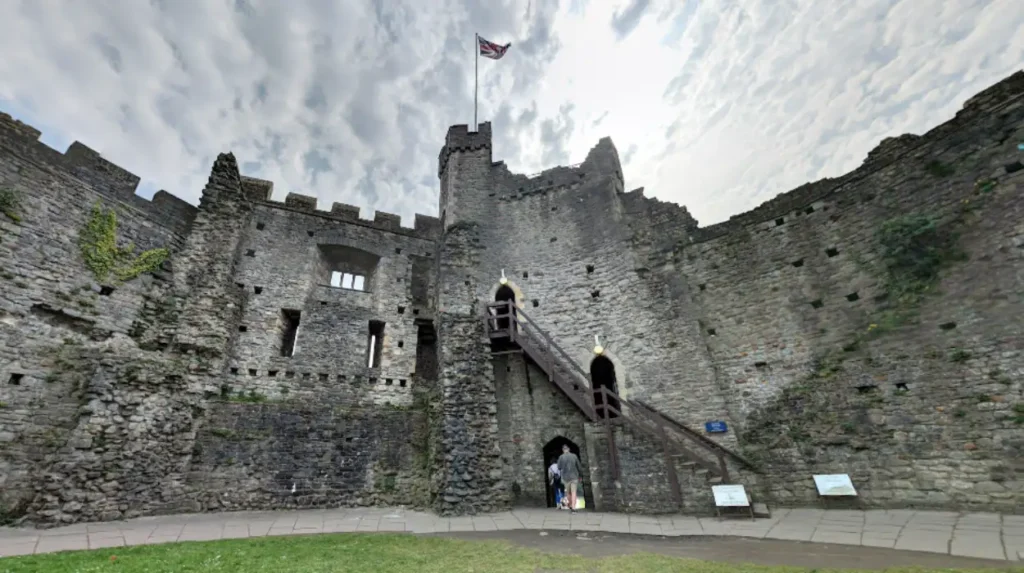
Bute Park links directly to Cardiff Castle grounds, entered freely via Castle Street. The Animal Wall features stone carvings of lions and other beasts from 1890 restorations. A sculpture trail displays 20 modern works along the paths.
Which Cardiff museums offer free entry?
National Museum Cardiff, St Fagans National Museum of History, and Museum of Cardiff provide free permanent exhibitions. National Museum covers art and natural history. St Fagans displays 40 historic buildings. Museum of Cardiff explores city history in the old library building.
National Museum Cardiff, opened in 1927, houses free galleries on Welsh art, Impressionist paintings, and natural sciences. Exhibits include a humpback whale skeleton and woolly mammoth fossils. The museum attracts 500,000 visitors annually with rotating displays.
St Fagans National Museum of History, relocated to 100 acres in 1948, recreates Welsh rural life with 40 relocated buildings like cottages and chapels from 1500-1900. Free entry covers grounds and buildings; events add minimal fees. The site preserves Celtic and industrial heritage across acres of parkland.
Museum of Cardiff occupies the Grade II-listed library on The Hayes since 2014. Free exhibits detail Cardiff’s industrial past, maritime trade, and street art. A hidden Victorian corridor reveals original market tunnels. The museum integrates with Cardiff Central Market nearby.
Free museum policy stems from Wales’ 2001 government initiative making 10 national sites accessible without charge. This boosts cultural participation by 15% per Arts Council Wales data. Museums offer audio guides for 3 GBP.
What exhibits stand out at National Museum Cardiff?
Evolution gallery displays dinosaur skeletons and tectonic plates from Welsh geology. Art section features 200 works by Welsh painters like Richard Wilson (1713-1782).
What cheap waterfront activities exist in Cardiff Bay?
Cardiff Bay Trail, Wetland Reserve, and Barrage walk cost nothing and span 7 miles around the waterfront. Trail views include Pierhead Building and Millennium Centre. Wetland Reserve hosts 300 bird species. Barrage offers sea panoramas from the 1.1 km embankment built in 2001.
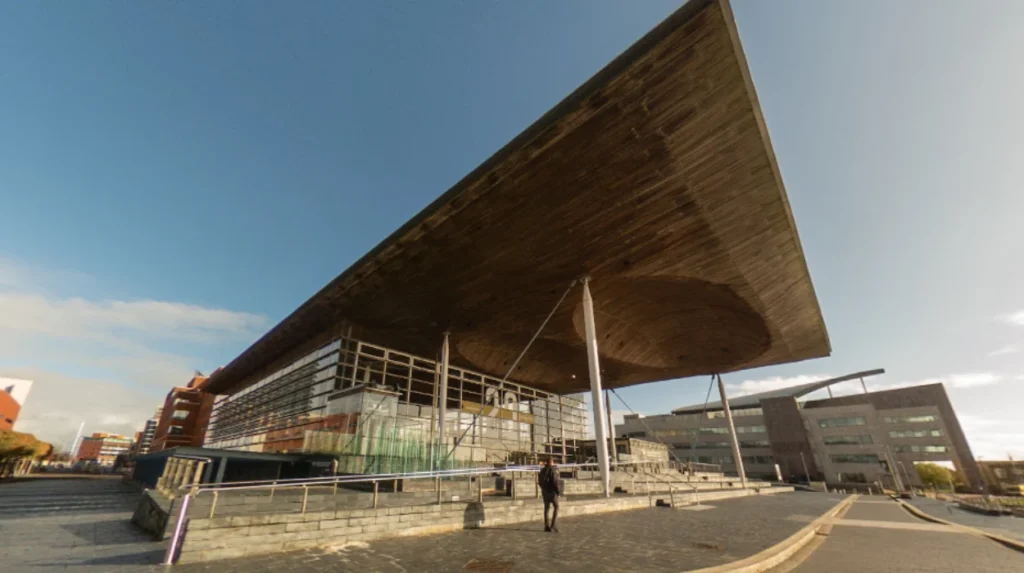
Cardiff Bay transformed from docks in 1987 through a 1.1 billion GBP regeneration project. The Bay Trail forms a flat loop for walking or cycling past landmarks. The Senedd, Welsh Parliament building opened in 2006, permits free public tours on weekdays.
Cardiff Bay Wetland Reserve covers 25 hectares with hides for birdwatching. Species include kingfishers and avocets; 30,000 migrants visit yearly per RSPB records. Access occurs via free trails from the barrage.
The Cardiff Bay Barrage, completed in 2001, raised water levels for recreation. The 1.1 km walkway provides Bristol Channel views and occasional seal sightings. Footpaths connect to Mermaid Quay for free harbor watching.
These sites generate 1.5 billion GBP in tourism revenue annually for South Wales. They support eco-tourism with clean-up events involving 5,000 volunteers yearly.
How long does the Bay Trail take?
The full 7-mile loop requires 2-3 hours walking at 3 mph pace. Cyclists complete it in 45 minutes; bike rentals cost 10 GBP per day nearby.
What markets and arcades are budget-friendly in Cardiff?
Cardiff Central Market and seven Victorian arcades offer free browsing with cheap Welsh cakes at 0.50 GBP. Market stalls sell produce since 1891. Arcades house independent shops in covered lanes from 1885.
Cardiff Central Market, established 1891, spans 800 stalls in a domed hall off St Mary Street. Vendors sell fresh seafood, cheeses, and baked goods under 5 GBP. Daily footfall reaches 20,000 shoppers.
The seven arcades—Royal, Morgan, High Street, Castle, Wyndham, Royal Arcade, and Morgan Arcade—date to 1850s-1900s. These covered passages feature stained-glass roofs and 200+ independent stores. Free street art murals adorn entrances.
Welsh cakes, griddled scones with currants, sell for 0.50 GBP each in markets. The arcades preserve Edwardian architecture amid modern retail.
Markets sustain 500 local traders per Cardiff Council data. They reduce food waste through daily sales of surplus produce.
Which arcade has the best history?
Royal Arcade, built 1852, links Queen Street to The Hayes. It housed Wales’ first purpose-built cinema in 1900.
Are there free views of Cardiff Castle?
Public green at Cardiff Castle provides free access to grounds and Animal Wall. The square hosts events; interiors require 15 GBP tickets. Grounds open daily dawn to dusk.
Cardiff Castle dates to Roman times on a Norman motte. The third Marquess of Bute (1847-1900) rebuilt Gothic interiors. Public access to the green space and walls remains free since 1947 council ownership.
The Animal Wall, sculpted 1890-1899, lines the southern boundary with 11 stone beasts including a bear and elephant. The Firing Steps offer bay views. Summer concerts fill the square with 10,000 attendees.
Free access draws 1.2 million visitors yearly per council reports. Paid tours cover towers and tunnels for depth.
What other low-cost attractions suit families?
Techniquest charges 9 GBP per ticket for 100+ science exhibits. Red Dragon Centre offers bowling from 5 GBP per game. Castell Coch entry costs 7 GBP for fairy-tale castle tours. Upside Down House tickets run 6 GBP.
Techniquest, opened 1995 in Cardiff Bay, features hands-on experiments like rocket launches and earthquake simulators. Designed for ages 4+, it hosts 150,000 visitors annually.
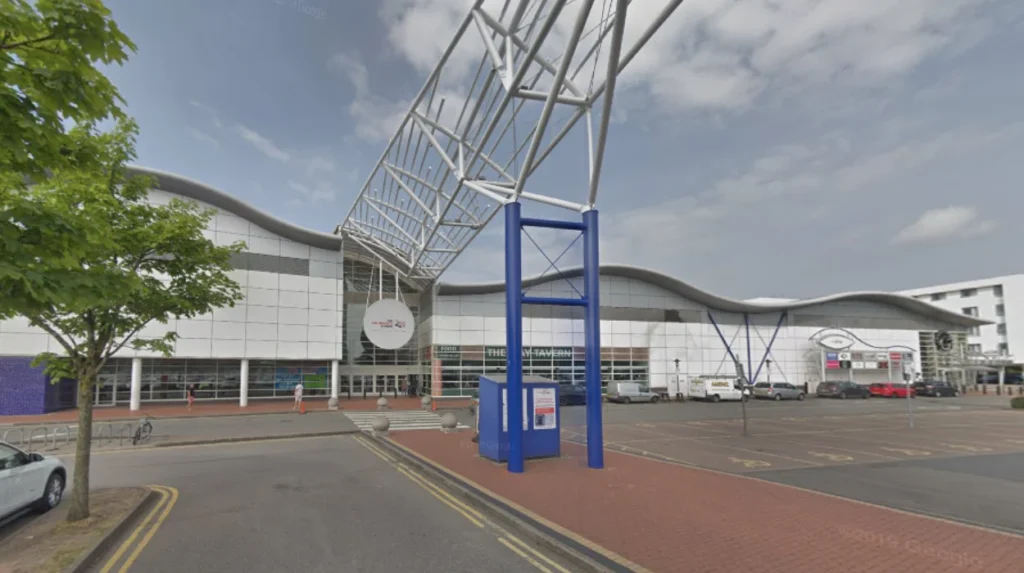
Red Dragon Centre provides bowling, cinema, and arcade games. IMAX screenings start at 8 GBP; bowling lanes charge 5 GBP per game including shoes.
Castell Coch, rebuilt 1870s by William Burges for Lord Bute, perches on hills 6 miles north. The red-brick “red castle” displays Victorian opulence with drawbridge and towers.
Upside Down House on Queen Street inverts eight rooms for photo ops, opened 2018 targeting families.
These attractions boost family spending by 25% on weekdays per tourism board stats. They fill rainy days common 150 days yearly.
How does Techniquest engage kids?
Interactive zones teach physics via pendulums and water flumes; live shows run hourly.
What nature walks are free near Cardiff city centre?
Blackweir to Bute Park trail and Llandaff Cathedral fields offer free riverside and woodland paths. Roath Pleasure Gardens add millpond views. Total lengths reach 5 miles combined.
Blackweir connects Bute Park via River Taff paths used since medieval times. The walk passes willow trees and rugby fields at Cardiff Arms Park.
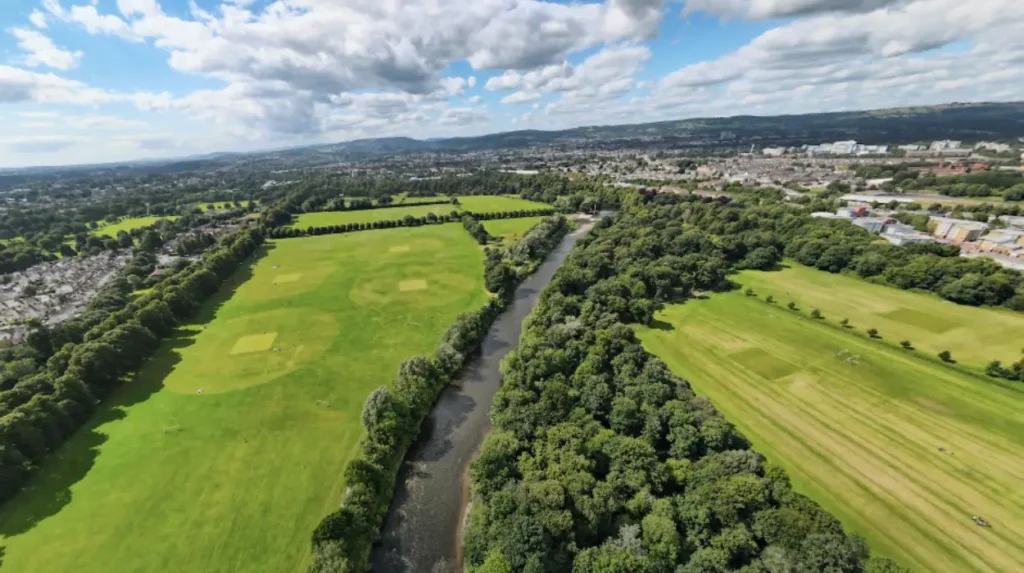
Llandaff Cathedral, founded 1120, surrounds free fields with picnic spots. Cold water swimming clubs access the River Ely nearby for free sessions.
Roath Pleasure Gardens feature a 3-acre millpond and herbaceous borders from 1890s design.
Walks reduce visitor costs to under 2 GBP for transport. They link to 50 miles of Taff Trail for extensions.
Which events provide free or cheap entry?
Cardiff Half Marathon spectator areas and street festivals cost nothing. Candlelight concerts at Llandaff start at 15 GBP. Comedy Club nights run 5 GBP entry.
Cardiff Half Marathon in October draws 15,000 runners with free roadside viewing along city streets. Festival weekends add food stalls under 5 GBP.
Llandaff Cathedral hosts orchestral events; economy seats cost 15 GBP. Ifor Bach venue offers gigs from 10 GBP.
Pool halls and pitch-and-putt golf charge 2-5 GBP per session.
Events generate 100 million GBP yearly for local economy per Visit Wales.