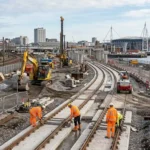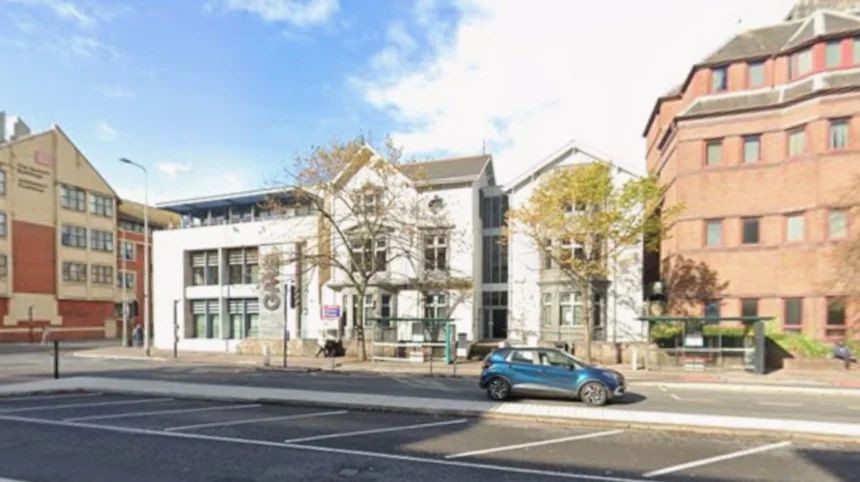
Cardiff Crossrail is no longer just a vision on paper—it is edging closer to steel‑on‑rail reality. The first phase of the project, linking Cardiff Central station to Cardiff Bay via Callaghan Square, has secured funding and a main contractor, with construction expected to begin in summer 2026 and finish by summer 2028.
- What Cardiff Crossrail Actually Is
- Current Progress and Timeline
- What Passengers Will See On the Ground
- How Services Will Work for Everyday Travel
- Benefits for Commuters and Visitors
- Long‑Term Vision: Beyond Phase 1
- Impact on Traffic and City Life
- What Passengers Should Plan For During Construction
- How Crossrail Fits Into Cardiff’s Future
- Practical Tips for Cardiff Residents and Visitors
- Looking Ahead: What Success Would Look Like
For residents, commuters, and visitors, that timeline means they will soon see visible changes to the city’s streets, stations, and transport networks. This article explains where Cardiff Crossrail stands today, how the new tram‑train link will reshape journeys across the capital, and what passengers can realistically expect once services start running.
What Cardiff Crossrail Actually Is
Cardiff Crossrail is a planned tram‑train system that repurposes existing rail corridors and adds new urban tram sections to create a fast, frequent east‑west link through the city. Phase 1 focuses on a 3–4 km tram‑train route between Cardiff Central and Cardiff Bay, using a converted heavy‑rail spur and new tram‑way through Callaghan Square.
Unlike a traditional underground metro, it blends light‑rail‑style stops in the city core with tightened‑up heavy‑rail sections, allowing for higher frequencies and smoother integration with longer‑distance rail services. The idea is to get more people off the roads and onto a more reliable, visible transport spine that can carry thousands of passengers per hour across key commercial, residential, and leisure zones.
Current Progress and Timeline
As of early 2026, the Cardiff Crossrail Phase 1 package has moved beyond feasibility and design into the construction‑readiness stage. Cardiff Council has selected GRAHAM as the preferred principal contractor for the first phase, with a contract value around £100 million, jointly funded by the Welsh Government and the UK Government’s Levelling Up Fund.

Councillors are expected to formally approve the contract in spring 2026, after which site works should begin in summer 2026 and run through to summer 2028. This first stretch will create a new tram‑train corridor between Cardiff Central and Cardiff Bay, with segregated trams, modified platforms, updated overhead lines, and remodelling of junctions at Cardiff Central to accommodate more frequent services.
What Passengers Will See On the Ground
From a passenger’s point of view, the most immediate changes will be at Cardiff Central and Cardiff Bay stations and in the city‑centre streets around Callaghan Square. New tram‑oriented platforms will be built at both ends of the route, with clearer wayfinding, level‑board access, and more space for waiting and moving between services.
Along the route through Callaghan Square, the tram‑train will run in a dedicated, largely segregated lane, with redesigned road layouts, improved pedestrian crossings, and segregated cycle routes. Landscaping, sustainable drainage, and better lighting will accompany the trackwork, aiming to reduce the “construction scar” and make the corridor feel more like a public‑space upgrade than just a transport project.
How Services Will Work for Everyday Travel
When Phase 1 opens, Cardiff Crossrail is expected to run at around 4 trains per hour (tph) in each direction, with the infrastructure designed so that this can be increased to 6 tph as demand grows. In practice, that means a service every 10–15 minutes on the core Central–Bay corridor, giving passengers a practical alternative to buses or short car trips.
Because the system uses tram‑trains, the vehicles will be lighter and more frequent than conventional heavy‑rail units, with doors opening on both sides to match urban‑style platforms. Integration with the wider South Wales Metro network will allow for smoother connections from suburban and regional lines into the city centre, so that travellers from places such as Radyr, Pontypridd, or Barry can change onto Crossrail without doubling back out of Cardiff.

Benefits for Commuters and Visitors
For daily commuters, the main benefit is reliability and speed. A direct tram‑train link from Cardiff Bay to Cardiff Central cuts out several bus changes and potential delays, while giving a predictable journey time that workers can plan around. During peak hours, the higher frequency and dedicated right‑of‑way should make it easier to avoid congestion on Merthyr Road and the city centre roundabouts.
Visitors and leisure travellers also stand to gain, especially as Crossrail will connect with the new 16,500‑seat indoor arena at Atlantic Wharf and the wider Cardiff Bay regeneration area. Instead of wrestling with unfamiliar bus routes or expensive taxi drops, concert‑goers and tourists can step off at Cardiff Central and reach Bay‑side venues and attractions in a matter of minutes. For those coming from Cardiff Airport via the usual rail hubs, the Crossrail link offers a straightforward way to move from the mainline network into the city core without needing a separate bus leg.
Long‑Term Vision: Beyond Phase 1
The Crossrail Phase 1 line is only the first piece of a much larger ambition. Longer‑term plans envision a 20 km rapid‑transit‑style network stretching from Plasdwr in the north‑west of the city to a proposed Parkway Station in the east, eventually linking several underserved suburbs directly to Cardiff’s rail backbone.
Because the project reuses existing rail infrastructure where possible, proponents argue it can deliver effects similar to a £2–3 billion new‑build metro for a fraction of the cost. Later phases would add more tram‑train corridors, new interchanges, and better integration with buses, so that a single “ticket family” can cover most journeys across the capital region.
Impact on Traffic and City Life
Any major transport project means disruption, and Cardiff Crossrail will be no exception. Construction through Callaghan Square and around the station approaches will require phased road closures, temporary traffic signals, and adjusted bus routes. Local businesses and residents may face noise, dust, and reduced car‑parking capacity for several years, which will test both council communication and construction‑management discipline.
However, the long‑term aim is to reduce the number of short car trips within the city. Transport for Wales has argued that better rail‑ and tram‑based links could help shift some of the 80 per cent of people who rely on cars for most journeys onto more sustainable modes. If Crossrail is combined with clearer bus‑rail integration, better cycle routes, and more attractive fares, the city could see narrower streets, fewer parking‑chaos episodes, and a calmer city‑centre environment once the initial works are finished.
What Passengers Should Plan For During Construction
For the next few years, anyone travelling through Cardiff Central or the city‑centre core will need to allow extra time and expect temporary changes. TfW, Cardiff Council, and the contractor are likely to publish phased information on road diversions, bus‑stop relocations, and temporary access routes, including digital maps and disruption alerts.
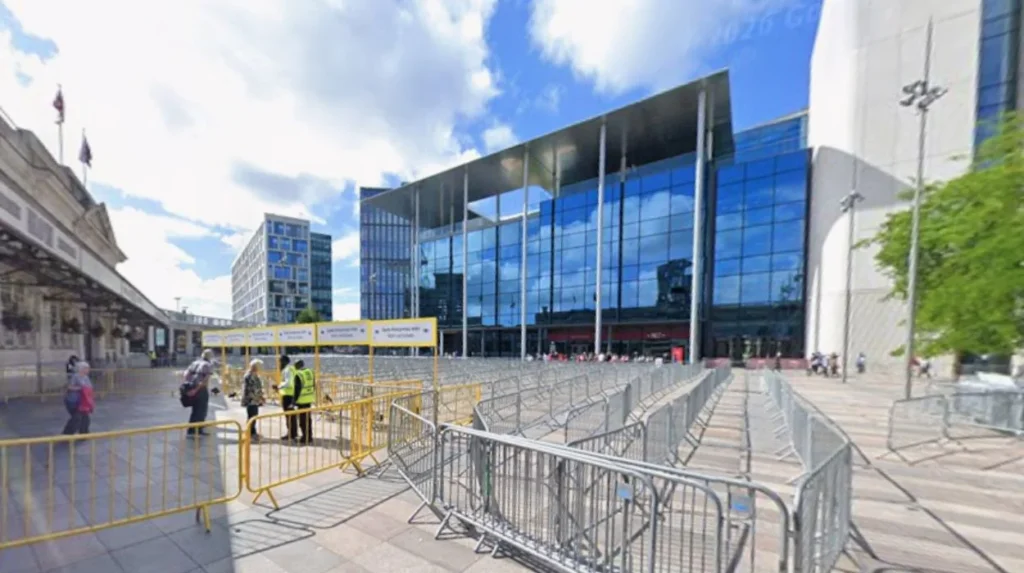
Passengers are well advised to check multi‑modal journey planners before heading out, especially during weekday peaks or major events. Using real‑time apps to track buses and trains, and keeping an eye on local signage around the station, can help avoid missed connections or unexpected detours. For those who walk or cycle, the new segregated cycle routes and improved crossings may eventually make certain routes safer and more pleasant, even if the works themselves feel intrusive day‑to‑day.
How Crossrail Fits Into Cardiff’s Future
Cardiff Crossrail is designed to sit at the heart of a wider “City Region Metro” strategy for South Wales. By upgrading platform capacity at Cardiff Central for South Wales Mainline services, and by freeing up track space with more frequent tram‑train movements, the project aims to make the entire regional network more resilient.
In parallel, the city expects housing and commercial growth around Crossrail corridors, following the “transit‑oriented development” model seen in other European cities. If executed well, Crossrail could influence where people choose to live and work, encouraging more balanced development rather than sprawling suburban‑car‑dependency.
Practical Tips for Cardiff Residents and Visitors
For Cardiff residents, Crossrail Phase 1 is worth watching because it could reshape daily journeys. If your route involves a bus–train or bus–bus combination across the Bay–Central axis, it pays to track how the new tram‑train timetable and fares are set up once the service launches. Travel‑card operators such as TfW may offer bundled options that make it cheaper to combine Crossrail with existing rail or bus journeys, so keeping an eye on fare announcements can save money over the long term.
For visitors, Crossrail promises a simpler way to move from the rail network into the city centre and Bay area, cutting down on confusion and last‑mile hassle. If you are planning a future trip around major events at the new arena or the Senedd‑adjacent districts, checking whether Crossrail services are running and how they integrate with your origin station will help smooth the experience.
Looking Ahead: What Success Would Look Like
By 2028 and beyond, success for Cardiff Crossrail would mean more than just tracks and platforms. It would mean measurable increases in passenger numbers on the Central–Bay corridor, visible reductions in car‑reliance on key routes, and positive feedback from residents and businesses about the long‑term benefits. Success would also involve the project staying on time and within its current budget, so that the case for later phases of the wider Crossrail network remains credible.
For passengers, the real test will be whether the new tram‑train link feels like a genuinely useful, reliable, and comfortable part of everyday life rather than a shiny‑but‑underused novelty. If that happens, Cardiff Crossrail could become the backbone of a more connected, less congested capital—one where people can cross the city without needing to cross three lanes of traffic just to get from the station to the Bay.