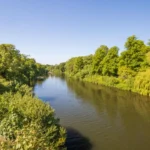
Cardiff is known for Bute Park, Roath Park, Cardiff Bay and its major urban attractions, but the city also contains a network of protected and semi-natural landscapes. Local nature reserves, woodland corridors, wetlands, meadows and river habitats provide important wildlife sites within and around the Welsh capital.
- What makes Cardiff’s nature reserves important?
- Which hidden nature reserves are closest to central Cardiff?
- Where can visitors explore woodland nature reserves around Cardiff?
- Why is Forest Farm important for Cardiff wildlife?
- What can visitors find at Nant Fawr Corridor Local Nature Reserve?
- Which Cardiff nature reserves have the most unusual histories?
- What wildlife can you see in Cardiff’s hidden reserves?
- How do Cardiff’s nature reserves support biodiversity?
- How should visitors explore Cardiff’s nature reserves responsibly?
- When is the best time to visit Cardiff’s hidden nature reserves?
- How are Cardiff’s nature reserves protected for the future?
- Where can visitors find the best starting points for exploring Cardiff’s nature reserves?
Cardiff Council’s environmental records identify several Local Nature Reserves (LNRs), including Howardian, Nant Fawr Corridor, Glamorganshire Canal, Cardiff Bay Wetlands and Hamadryad Park, Hermit Wood, and Cwm Nofydd and Fforest Ganol. These sites cover very different habitats, from wetland and reedbeds to ancient woodland and former industrial land.
For visitors, these places provide quieter alternatives to Cardiff’s busiest parks. For residents, they form ecological corridors that connect neighbourhoods with the countryside. They also demonstrate how conservation has transformed former industrial, agricultural and urban land into functioning wildlife habitats.
What makes Cardiff’s nature reserves important?
Cardiff’s nature reserves protect woodland, wetlands, meadows, ponds, riverside habitats and wildlife within an urban landscape. They conserve locally important ecosystems while providing opportunities for walking, environmental education, wildlife observation, volunteering and community conservation across the city.
A Local Nature Reserve is a protected site designated for its special natural features and local value. In Wales, LNRs are established and managed by local authorities, following consultation with Natural Resources Wales (NRW). They are particularly valuable because many are close to residential communities.
Cardiff’s LNR network illustrates this urban conservation model. The city’s identified LNRs include Cardiff Bay Wetlands and Hamadryad Park, Cwm Nofydd and Fforest Ganol, Glamorganshire Canal, Hermit Wood, Howardian and Nant Fawr Corridor. Together, these sites represent more than 130 hectares in the Cardiff Council listing, although individual boundaries and management arrangements differ.
The importance of these reserves extends beyond individual species. Connected green spaces support movement between habitats, provide vegetation along waterways, retain mature trees and create feeding and breeding areas for birds, insects, amphibians and mammals.
They also contribute to Cardiff’s wider green infrastructure. Cardiff Council describes its parks and green spaces as a citywide network, with numerous parks, gardens, country parks and nature-focused sites.
Which hidden nature reserves are closest to central Cardiff?
Howardian Local Nature Reserve, Hermit Wood, Cardiff Bay Wetlands and Hamadryad Park provide some of the closest nature-focused escapes to central Cardiff. Their habitats include woodland, meadows, ponds, wetlands, reedbeds and estuarine features within the urban boundary.
Howardian Local Nature Reserve sits in the lower Rhymney Valley, around 1.5 miles from Cardiff city centre according to the Woodland Trust. Cardiff Council describes the reserve as a 13-hectare wildlife site containing woodland, meadow, wetland and ponds. More than 500 wildlife species have been recorded there.
Howardian has an unusual history. The site originated as a former refuse tip. Local conservation activity began during the 1970s, when pupils from the nearby Howardian High School became involved in transforming the degraded land. The reserve was formally designated as a Local Nature Reserve in 1991.
The transformation demonstrates the ecological potential of restored urban land. Today, the reserve contains ponds, wetland areas, grassland and woodland. Cardiff Council identifies birds such as herons, kingfishers, sedge warblers and snipe among the wildlife associated with the site.
Cardiff Bay Wetlands and Hamadryad Park occupy another important urban ecological area. The Cardiff Council LNR inventory records the combined site at approximately 15.15 hectares.
These wetland habitats are particularly important in an urban environment because shallow water, reedbeds, muddy margins and vegetation provide feeding and shelter opportunities for birds, insects and amphibians.
Hermit Wood is considerably smaller, at approximately 1.47 hectares in the Cardiff LNR inventory. Its significance comes from its woodland character and its contribution to the network of smaller natural habitats within the city.
Where can visitors explore woodland nature reserves around Cardiff?
Fforest Ganol and Cwm Nofydd form one of Cardiff’s most significant woodland nature areas, connecting with Fforest Fawr, Coed-y-Wenallt and Cardiff Beech Woods. The landscape contains mature broadleaved woodland, ancient woodland features, footpaths and nationally important ecological habitats.
The northern and north-western edge of Cardiff contains an extensive woodland landscape. Cwm Nofydd and Fforest Ganol form a Local Nature Reserve of approximately 52.93 hectares in Cardiff Council’s environmental records.
Fforest Ganol itself is a Cardiff Council woodland of approximately 26.3 hectares. The Woodland Trust identifies it as a Local Nature Reserve adjacent to Fforest Fawr, with a dense network of paths through beech woodland.
The surrounding landscape increases its ecological importance. Nearby sites include Cwm Nofydd, Fforest Fawr and Coed-y-Wenallt. The Woodland Trust records Cwm Nofydd at approximately 26.99 hectares and Coed-y-Wenallt at approximately 60.63 hectares.
Coed-y-Wenallt is designated as a Site of Special Scientific Interest (SSSI). An SSSI is a statutory designation used to protect land with special scientific interest because of its wildlife, geology or landform.
The Wenallt contains semi-natural ancient woodland. Cardiff Council identifies badgers, buzzards, great spotted woodpeckers and wood warblers among the wildlife associated with the woodland. Its network of paths connects with neighbouring Cwm Nofydd, Fforest Ganol and Fforest Fawr.
The wider Cardiff Beech Woods Special Area of Conservation (SAC) is particularly significant. The protected area covers approximately 115.62 hectares and includes Garth Wood, Fforestganol a Chwm Nofydd and Castell Coch Woodlands and Road Section.
The woodland contains internationally recognised beech forest habitat. It also includes Tilio-Acerion woodland, a habitat associated with slopes, screes and ravines. Characteristic ground flora includes ramsons, sanicle, bird’s-nest orchid and yellow bird’s-nest orchid.
This network gives Cardiff an unusually strong woodland conservation landscape close to an urban area.
Why is Forest Farm important for Cardiff wildlife?
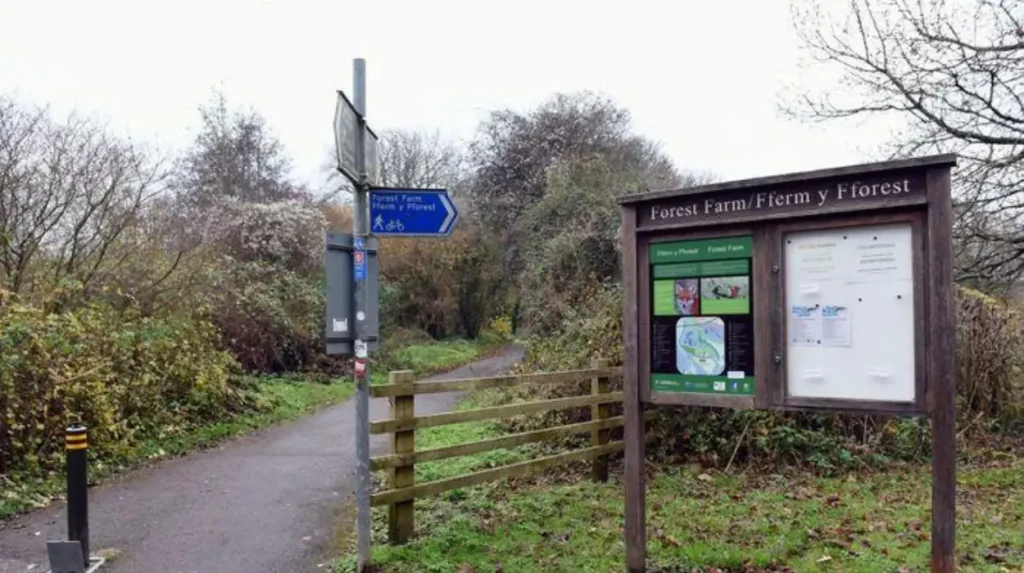
Forest Farm protects a diverse riverside landscape containing woodland, scrub, hay meadow, ponds, marshland and remnants of the historic Glamorganshire Canal. Its location beside the River Taff creates valuable wetland and woodland habitat within northern Cardiff.
Forest Farm and Melingriffith form an important green space beside the River Taff. Cardiff Council describes the site as containing woodland, scrub, hay meadow, ponds and marshland. The Taff Trail passes through the area.
The surviving sections of the Glamorganshire Canal add historic and ecological value. The canal was an important industrial transport route, and its surviving watercourse now functions as part of a naturalised landscape.
The Glamorganshire Canal is itself listed as a Cardiff Local Nature Reserve. Cardiff Council’s environmental records give the LNR approximately 34.9 hectares.
Forest Farm also supports important bird habitat. Cardiff Council identifies the site as one of the best places in the United Kingdom to observe kingfishers in their natural habitat. Bird hides provide dedicated wildlife-viewing opportunities.
The site illustrates how historic infrastructure and biodiversity can coexist. The former canal system, river corridor, ponds, marshland and woodland create several habitat types in a relatively compact area.
The Forest Farm Conservation Centre also operates as a base for Cardiff Council’s Community Park Ranger Service and environmental volunteering. This connects nature conservation with community participation.
What can visitors find at Nant Fawr Corridor Local Nature Reserve?
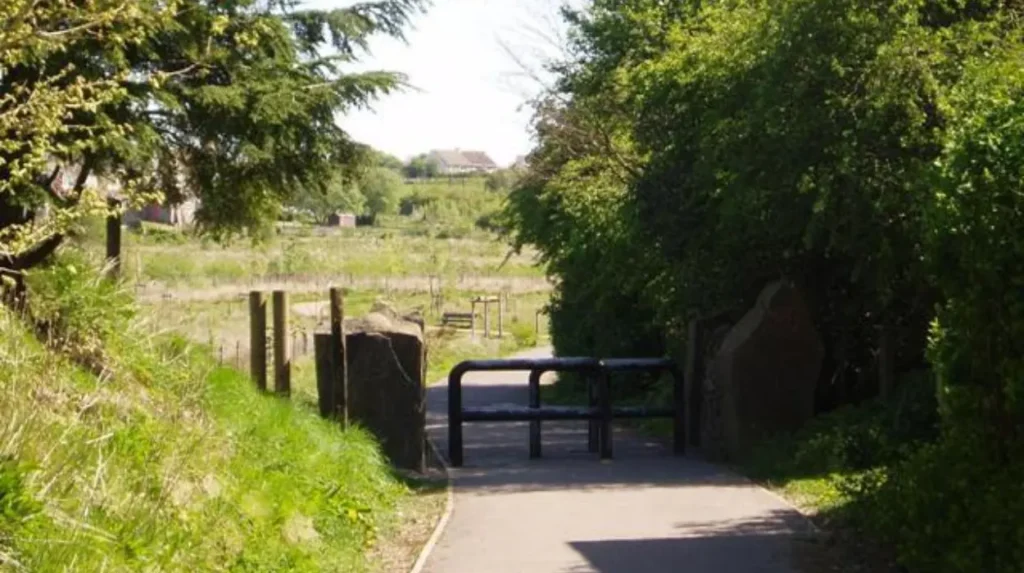
Nant Fawr Corridor Local Nature Reserve protects a green corridor through north Cardiff, linking urban communities with countryside. Its habitats include ancient meadows, community woodland, streams and wildflower areas that support diverse plant and wildlife communities.
Nant Fawr Corridor is particularly important because it functions as a linear ecological connection. Environmental assessments describe the reserve as part of a green corridor connecting central Cardiff with northern countryside. The site includes three ancient meadows and a north-eastern section of community woodland.
Cardiff Council records the Nant Fawr Corridor LNR at approximately 19.79 hectares.
The corridor follows the Nant Fawr watercourse and includes different habitat conditions. Meadows support flowering plants and insects, while woodland provides nesting and shelter opportunities for birds and mammals.
The site also demonstrates why ecological corridors are important in cities. A large isolated reserve provides valuable habitat, but connected habitats allow wildlife to move between feeding, breeding and shelter areas.
Nant Fawr also has a strong community dimension. Natural Resources Wales highlighted community wildlife activities at Nant Fawr Community Woodlands, including moth identification, pond dipping and nature trails.
For visitors, the reserve is therefore more than a walking route. It is an example of community-based nature conservation integrated into an urban neighbourhood.
Which Cardiff nature reserves have the most unusual histories?
Several Cardiff nature reserves developed from former industrial or disturbed land. Howardian transformed a former refuse site, Forest Farm incorporates an abandoned canal landscape, and Cardiff Bay wetlands developed as part of wider ecological changes associated with the regeneration of Cardiff Bay.
Cardiff’s nature reserves are not all untouched remnants of ancient countryside. Some developed through deliberate restoration.
Howardian provides the clearest example. The reserve began on land affected by former refuse disposal. Local schoolchildren became involved in transforming the site during the 1970s, creating vegetation and woodland that later developed into a much larger wildlife area.
Forest Farm has a different industrial history. The surviving sections of the Glamorganshire Canal form part of a landscape once shaped by coal transportation and industrial development. Today, water, vegetation and woodland dominate the visitor experience.
Cardiff Bay represents another major environmental transformation. The Cardiff Bay Barrage changed the tidal environment of the former bay. Wetland habitats subsequently became important components of the regenerated waterfront landscape.
Newport Wetlands, outside Cardiff in the neighbouring Newport area, provides a wider regional example of habitat creation following the Cardiff Bay Barrage. The reserve opened in 2000 to help compensate for wildlife habitat losses associated with the barrage.
These examples demonstrate a central feature of modern conservation: biodiversity protection involves both safeguarding existing habitats and restoring damaged landscapes.
What wildlife can you see in Cardiff’s hidden reserves?
Cardiff’s nature reserves support birds, mammals, amphibians, insects, wildflowers and woodland plants. Typical observations include kingfishers, herons, snipe, warblers, woodpeckers, buzzards, badgers, dormice, frogs, toads, butterflies and orchid species.
Wildlife varies according to habitat.
Wetland reserves provide conditions for waterbirds and aquatic species. Howardian contains ponds, wetlands and reedbeds, with herons, kingfishers, sedge warblers and snipe among the birds identified by Cardiff Council.
Woodland reserves support species associated with mature trees and complex ground vegetation. The Wenallt supports badgers, buzzards, great spotted woodpeckers and wood warblers.
Cardiff Beech Woods support specialised woodland plants. The management plan identifies ramsons, sanicle, bird’s-nest orchid and yellow bird’s-nest orchid among notable ground flora.
Howardian also contains habitat suitable for dormice, while its meadows support orchid species including common spotted, southern marsh and bee orchids.
Forest Farm is particularly associated with kingfisher observation. Its combination of watercourses, ponds, vegetation and the River Taff provides suitable feeding habitat for riverside birds.
Wildlife observation works best when visitors minimise disturbance. Quiet walking, keeping to established paths and avoiding nesting areas help protect the habitats that make these reserves valuable.
How do Cardiff’s nature reserves support biodiversity?
Cardiff’s reserves support biodiversity by protecting different habitats, connecting fragmented green spaces and maintaining breeding, feeding and shelter areas. Woodland, wetland, meadow and river environments operate together as an ecological network that strengthens habitat connectivity across the urban landscape.
Biodiversity refers to the variety of living organisms, habitats and ecological relationships within an area. In Cardiff, biodiversity conservation depends on maintaining different habitat types rather than focusing on one species.
Woodland provides tree canopy, dead wood, leaf litter and shaded ground conditions. Wetlands provide shallow water, reedbeds and damp vegetation. Meadows provide flowering plants and nectar resources. Rivers and streams create movement corridors for aquatic and terrestrial species.
The Cardiff Beech Woods SAC demonstrates the importance of habitat quality at a larger scale. Its protected woodland includes beech forest and other broadleaved woodland communities.
Habitat connectivity is also important. Nant Fawr Corridor demonstrates this principle by linking urban Cardiff with northern countryside. Cwm Nofydd, Fforest Ganol, Fforest Fawr and Coed-y-Wenallt create another connected woodland landscape.
Natural Resources Wales manages protected landscapes through conservation measures that address habitat condition, recreation, invasive species and other pressures. Its national performance reporting shows the agency supports nature networks projects focused on habitat and species recovery across Wales.
The value of Cardiff’s reserves therefore extends beyond their individual boundaries. Their ecological function increases when they form connected networks.
How should visitors explore Cardiff’s nature reserves responsibly?
Visitors should remain on established paths, avoid disturbing wildlife, keep dogs under control where required, protect plants, take litter home and follow site-specific access guidance. Responsible recreation reduces pressure on habitats while allowing people to enjoy Cardiff’s protected natural spaces.
Nature reserves are living ecosystems rather than conventional recreation grounds. Activities that seem minor can affect wildlife, vegetation and soil.
Established paths concentrate foot traffic and reduce trampling across sensitive habitats. This is particularly important in woodland ground flora and wet meadows.
Dogs require particular care around wildlife. Cardiff’s woodland management documentation recognises the need to manage recreational use so that footpaths and access routes do not expand into adjacent habitats.
Cycling and other activities also require attention to designated routes. Natural Resources Wales has highlighted recreational pressures in parts of Cardiff Beech Woods, including concerns about mountain biking and the creation of additional tracks.
Visitors should also avoid removing flowers, fungi, branches, rocks or other natural materials. Wildlife observation should use distance rather than physical interaction.
Seasonal conditions matter. Wet ground becomes more vulnerable to trampling, while spring and early summer are important periods for nesting birds and flowering woodland plants.
Following local signage is the simplest way to protect these sites while enjoying them.
When is the best time to visit Cardiff’s hidden nature reserves?
Spring provides strong opportunities for woodland flowers and nesting birds, summer offers active meadows and wetlands, autumn highlights fungi and changing woodland colour, while winter provides clearer views through deciduous woodland and good conditions for observing some waterbirds.
Spring is especially valuable in Cardiff’s broadleaved woodlands. Fforest Fawr contains displays of bluebells, wood anemones and wild garlic during spring.
Woodland flowers benefit from the seasonal light available before the tree canopy becomes dense. This makes spring an important period for observing woodland ground flora.
Summer brings flowering meadows, active insects and longer daylight hours. Wetland vegetation also becomes more developed, creating dense cover for birds and other wildlife.
Autumn changes the character of Cardiff’s woodland reserves. Fallen leaves, fungi and changing canopy colour create different ecological conditions. Woodland Trust information identifies Howardian as a habitat with woodland, wildflower meadow and ponds, supporting seasonal wildlife interest.
Winter provides a different experience. Deciduous woodland has fewer leaves, improving visibility through trees. Wetland birds can also remain active around ponds and watercourses.
Wildlife observation is never identical from one visit to another. The habitats themselves remain important throughout the year.
Explore More Area Guide
River Taff Wildlife: Animals and Birds in Cardiff
Birds You Can Spot Around Roath Park, Cardiff
How are Cardiff’s nature reserves protected for the future?
Cardiff’s nature reserves are protected through statutory designations, habitat management, environmental planning, community involvement and conservation partnerships. Future protection depends on maintaining habitat condition, controlling invasive species, managing recreation and preserving ecological connections between urban and rural landscapes.
Local Nature Reserve designation provides formal recognition of sites with special local natural interest. Natural Resources Wales explains that LNRs are established and managed by local authorities and can protect habitats while providing opportunities for people to learn about nature.
Other Cardiff sites have stronger national or international designations. Sites within Cardiff Beech Woods are protected through SSSI and SAC designations because of their ecological importance.
Management also requires active intervention. Cardiff’s woodland plans identify invasive plants, recreation pressure and habitat management as issues requiring monitoring and action.
Community participation forms another part of the conservation system. Howardian has a Friends group working alongside Cardiff Council, while Forest Farm has Friends of Forest Farm and volunteer activities connected with the council’s Community Ranger Service.
The wider policy environment is also changing. Wales has placed increasing emphasis on biodiversity recovery, habitat connectivity and nature networks. Protected sites around Cardiff therefore contribute to a wider national approach to nature recovery.
For Cardiff residents and visitors, the practical implication is clear: these small and large green spaces form part of essential environmental infrastructure. Their value includes wildlife protection, ecological connectivity, outdoor learning and access to nature close to urban communities.
Where can visitors find the best starting points for exploring Cardiff’s nature reserves?
Howardian, Forest Farm, Nant Fawr Corridor, Cwm Nofydd and Fforest Ganol provide strong starting points for exploring Cardiff’s lesser-known natural landscapes. Each represents a different habitat, history and conservation function within the city’s wider ecological network.
Howardian is the strongest choice for a compact urban nature reserve with ponds, woodland, meadows and wetland habitat. Cardiff Council provides pedestrian access from Hammond Way and Ipswich Road, with surrounding street parking.
Forest Farm is suitable for visitors interested in combining wildlife, river landscapes, historic industrial features and walking routes. The Taff Trail crosses the site, and the area contains surviving sections of the Glamorganshire Canal.
Nant Fawr Corridor provides an example of a linear ecological corridor through the city. Its meadows and community woodland demonstrate how biodiversity can be integrated into urban neighbourhoods.
Cwm Nofydd and Fforest Ganol provide a more extensive woodland experience. Their connection with Fforest Fawr and Coed-y-Wenallt creates a substantial northern woodland landscape.
These reserves reveal a side of Cardiff that is often overlooked. The city’s natural environment is not limited to its famous parks. Local nature reserves protect wetlands, woodlands, meadows, waterways and restored landscapes across the urban area.
Exploring these sites also gives visitors a clearer understanding of Cardiff’s environmental history. Former industrial land, refuse sites, canal infrastructure and ancient woodland now form parts of a living ecological network.
What are the best hidden nature reserves around Cardiff?
Some of the best lesser-known nature reserves around Cardiff include Howardian Local Nature Reserve, Forest Farm, Nant Fawr Corridor, Cwm Nofydd and Fforest Ganol. These sites feature woodland, wetlands, meadows, ponds, riverside habitats and diverse wildlife.