Pontcanna, a vibrant suburb in Cardiff, sits at the heart of ongoing discussions about balancing urban growth with community character. This area, nestled along the River Taff near Sophia Gardens, has long been prized for its Victorian architecture and leafy appeal. As Cardiff evolves, Pontcanna’s development debates highlight tensions between progress and preservation that resonate with residents across the city.
- Pontcanna’s Historical Roots
- Key Development Proposals Spark Controversy
- Street Improvements and Parking Pressures
- Housing Boom and Density Dilemmas
- Commercial Shifts and Local Economy
- Heritage Versus Modernization
- Environmental and Sustainability Concerns
- Community Engagement in Planning
- Future Prospects for Pontcanna
- Policy Framework Shaping Debates
Pontcanna’s Historical Roots
Pontcanna’s story begins in the 19th century, when it emerged as a desirable residential enclave for Cardiff’s emerging middle class. Victorian terraces and grand villas defined its landscape, drawing professionals from the city’s booming docks. The suburb’s name derives from Welsh roots, “pont” meaning bridge and “canna” linked to a local farm, reflecting its rural origins before urbanization swept in.
By the early 20th century, Pontcanna solidified its status as a haven of elegance, with wide streets like Cathedral Road lined by ornate homes. This heritage now underpins many development disputes, as locals argue that new projects risk eroding the area’s unique charm. Preservation efforts often cite these historical elements, emphasizing how they contribute to Cardiff’s cultural tapestry.
The suburb’s proximity to the city center and green spaces like Llandaff Fields has always fueled its desirability. However, this same allure invites proposals for intensification, sparking debates that echo broader Welsh planning challenges.
Key Development Proposals Spark Controversy
One prominent flashpoint involved plans to demolish a former vicarage on Cathedral Road, a striking Victorian building, and replace it with 33 modern flats. Campaigners decried the scheme as an “eyesore,” rallying to save the structure they saw as integral to Pontcanna’s identity. Protests highlighted fears of overdevelopment in a densely packed neighborhood.
The proposal ignited public consultations, with residents voicing concerns over height, density, and loss of green space. Supporters countered that new housing addresses Cardiff’s acute shortage, aligning with national targets for affordable homes. Ultimately, the debate underscored a core tension: how to house a growing population without sacrificing neighborhood cohesion.
Similar issues arose at 15 Pontcanna Street, where a shift from retail and office space to a food and drink venue (A3 use) drew scrutiny. Planners approved the change, noting the site’s underuse and potential to boost local vitality. Yet, neighbors worried about increased traffic and noise, illustrating everyday frictions in mixed-use evolution.
Street Improvements and Parking Pressures
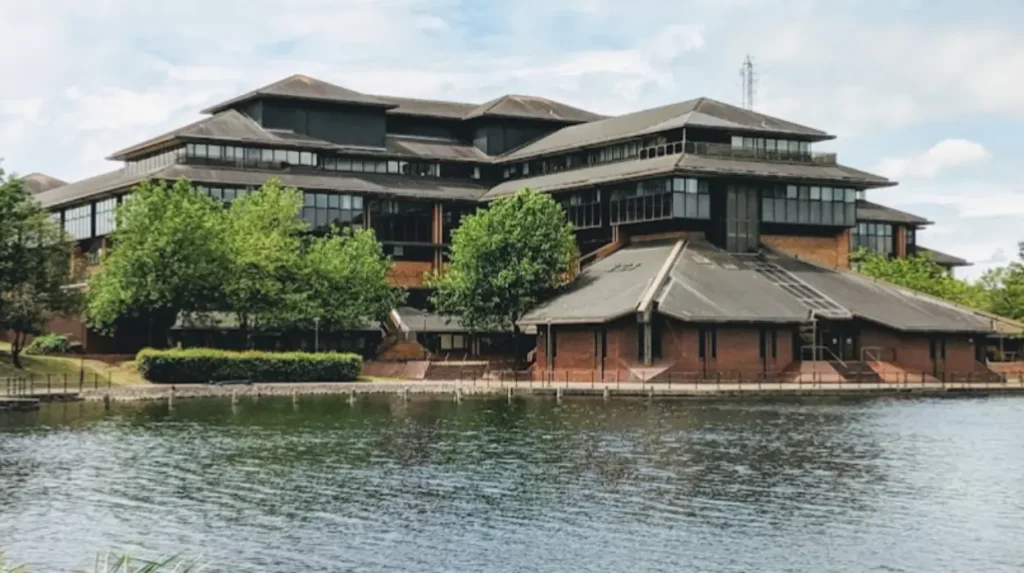
Cardiff Council’s Pontcanna Street enhancements represent another battleground. These proposals aimed to revamp public spaces while tackling chronic parking shortages, featuring concept designs for better pedestrian flow and greenery. The initiative sought to make the area more family-friendly and cyclist-accessible, responding to complaints about congested roads.
Residents welcomed safer crossings but pushed back on reduced parking bays, arguing it disadvantages car-dependent households. The debate evolved into a wider conversation on sustainable transport, with council officials promoting modal shifts amid Cardiff’s net-zero ambitions. Such projects reveal how infrastructure upgrades can polarize opinions in walkable suburbs.
Implementation phases included traffic calming measures and widened pavements, yet delays fueled frustration. Critics pointed to inadequate consultation, while proponents highlighted long-term benefits like reduced accidents and enhanced street life. These efforts mirror national trends in UK urban renewal, prioritizing people over vehicles.
Housing Boom and Density Dilemmas
Pontcanna’s appeal has spurred a wave of housing applications, from infill developments to larger schemes. Entities like Pontcanna Development Ltd have been active, filing plans that test local capacity. Debates often center on density: should terraced streets accommodate basement flats or rear extensions that alter skylines?
A common grievance is the erosion of on-street parking and garden space, as families grapple with larger households in static footprints. Planning documents stress economic benefits, like job creation from construction, but community groups advocate for height restrictions to maintain the low-rise aesthetic. These clashes reflect Cardiff’s 2020s housing crisis, where demand outstrips supply.
Academic perspectives frame this as “gentrification by stealth,” where incremental changes price out long-term residents. Research from Welsh universities notes similar patterns in Cardiff’s inner suburbs, urging policies that blend growth with equity. Pontcanna’s case exemplifies how local plans must navigate regional pressures.
Commercial Shifts and Local Economy
Shifts in commercial use, like the Pontcanna Street cafe conversion, spotlight economic debates. Proponents argue such venues invigorate high streets, drawing footfall to independent shops and fostering a cafe culture akin to Cardiff’s Chapter Arts Centre. Planning statements emphasize sustainability tests, weighing social benefits against residential impacts.
Opposition focuses on late-night operations potentially disrupting quiet evenings, with calls for stricter hours. This mirrors UK-wide trends post-pandemic, where empty units prompt diversification. Pontcanna’s mix of boutiques and eateries thrives, but saturation fears loom as chains eye prime spots.
Government policy, via Planning Policy Wales, prioritizes vibrant centers, yet localism allows communities to shape outcomes. Residents’ associations have influenced refusals, proving civic voice in steering commercial evolution. These dynamics sustain Pontcanna’s economy while guarding its residential core.
Heritage Versus Modernization
At Pontcanna House, a cluster of Victorian homes converted into a care facility, modernization debates blend care needs with architectural fidelity. Updates ensure compliance with contemporary standards, but expansions prompt questions on scale. The site’s evolution shows how adaptive reuse preserves history amid functional demands.
Campaigns against demolitions invoke Cadw guidelines, Wales’ heritage body, stressing irreplaceable assets. Developments must demonstrate public benefits outweighing losses, a high bar in conservation areas. Pontcanna’s debates thus advance principled planning, influencing council precedents.
Scholars note that such tensions drive better design, compelling architects to integrate period features. This balance elevates Cardiff’s suburbs, positioning Pontcanna as a model for thoughtful change.
Environmental and Sustainability Concerns
Green space protection features prominently, with Llandaff Fields’ edges vulnerable to encroachment. Proposals for riverside paths spark flood risk discussions, given the Taff’s history. Council assessments mandate SUDS (Sustainable Drainage Systems), but locals demand more.
Debates extend to energy efficiency: new builds tout eco-credentials, yet retrofitting older stock lags. Community pushback on tree felling during street works highlights biodiversity priorities. These issues align with Wales’ Well-being of Future Generations Act, embedding long-term thinking.
Research papers from Cardiff University underscore urban heat mitigation via green infrastructure, urging retention of Pontcanna’s canopy. Developments increasingly incorporate solar and insulation, but verification remains contentious.
Community Engagement in Planning
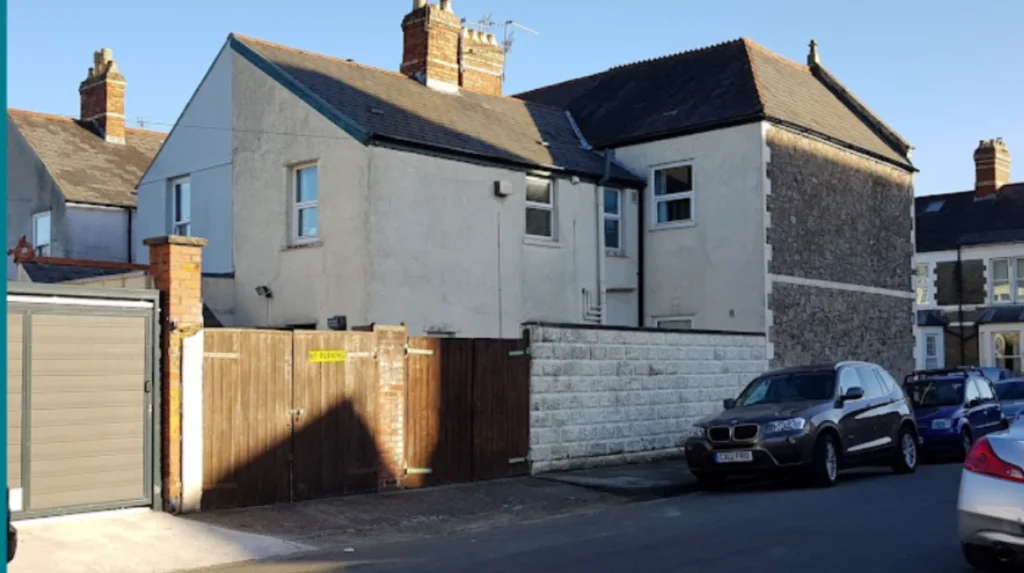
Pontcanna’s residents excel at mobilization, via groups like Pontcanna Community Council. Petitions and public meetings shape outcomes, as seen in vicarage protests. Digital tools amplify voices, with social media tracking applications.
Council consultations, though criticized as box-ticking, yield amendments like scaled-back heights. This grassroots model empowers, fostering trust in a devolved Wales. Academic studies praise such participation for democratic planning.
Yet challenges persist: transient populations dilute cohesion, and developer funding sways perceptions. Strengthening engagement ensures debates yield equitable results.
Future Prospects for Pontcanna
Looking ahead, Cardiff’s Local Development Plan refresh will guide Pontcanna, targeting brownfield priority. Debates may intensify with metro expansions boosting accessibility. Balancing 5,000+ new homes citywide demands nuanced zoning.
Optimism lies in hybrid models: low-rise apartments echoing Victorian terraces. Innovation, like modular housing, could resolve density woes sustainably. Pontcanna’s trajectory offers lessons for Cardiff’s suburbs.
Stakeholders urge masterplans integrating resident input early. Success hinges on compromise, preserving allure while embracing evolution. As debates continue, Pontcanna embodies Cardiff’s adaptive spirit.
Policy Framework Shaping Debates
Planning Policy Wales (PPW) Edition 11 sets the stage, promoting sustainable growth in urban areas. Cardiff’s Local Development Plan (LDP) designates Pontcanna for limited infill, protecting open character.
Supplementary Planning Documents detail design codes, mandating materials harmony. Appeals to the Welsh Government test local decisions, as in Cathedral Road cases. National trends favor brownfield over greenfield, aligning with Pontcanna’s context.
These frameworks evolve with climate imperatives, embedding net-zero by 2050. Debates thus refine policy application locally.
Is Pontcanna a town?
No, Pontcanna is not a separate town. It is a district and residential area located in the city of Cardiff. Pontcanna is known for its Victorian houses, parks, and vibrant local community.
Which city in Wales is the most densely populated?
The most densely populated city in Wales is Cardiff. As the capital city, it has a large urban population and many residential and commercial developments.
What is the 70% rule in house flipping in the UK?
The 70% rule suggests that a property investor should pay no more than 70% of a property’s after-repair value (ARV) minus renovation costs. This helps investors ensure profit after refurbishment and resale.
How many Jews are in Wales?
Wales has a relatively small Jewish population, estimated at around 2,000 people. Most members of the community live in larger cities such as Cardiff and Swansea.
What jobs are in demand in Wales?
Jobs currently in demand in Wales include roles in healthcare, construction, engineering, teaching, and digital technology. Cities like Cardiff and Newport offer many opportunities in these sectors.