Tiger Bay, now part of Cardiff’s Butetown ward south of Cardiff city centre, is one of Wales’ oldest multicultural waterfront districts. Over the past 180 years its streets have shifted from a working‑dock “sailortown” to a regenerated quayside neighbourhood, yet many core thoroughfares such as Bute Street, Mount Stuart Square and James Street retain their original layout and some historic buildings.
- What is Tiger Bay Butetown and why does it matter in Cardiff?
- How did Tiger Bay Butetown develop historically in Cardiff?
- What is the meaning and origin of the name “Tiger Bay” in Cardiff?
- What were the key streets and layout of Tiger Bay Butetown?
- How did the docks and coal trade shape Tiger Bay Butetown?
- What was the social and cultural role of Tiger Bay Butetown?
- How did Tiger Bay Butetown change from the mid‑20th century?
- What happened during the Cardiff Bay regeneration of Tiger Bay Butetown?
- How have the streets of Tiger Bay Butetown changed today?
- What heritage and listed buildings remain in Tiger Bay Butetown?
- What is the role of Tiger Bay Butetown in Cardiff’s cultural life?
- How has in‑migration and gentrification affected Tiger Bay Butetown?
- What are the current challenges facing Tiger Bay Butetown streets?
- How does Tiger Bay Butetown contribute to Cardiff’s economy today?
- What is the future outlook for Tiger Bay Butetown in Cardiff?
What is Tiger Bay Butetown and why does it matter in Cardiff?
Tiger Bay refers to the dockside area of Butetown, immediately south of Cardiff city centre, bounded by the River Ely, the Cardiff Bay barrage and the old West Bute Dock. The name was used informally by sailors, dockworkers and residents from the mid‑1800s until the late 20th century, after which “Cardiff Bay” became the official branding for the wider waterfront redevelopment.
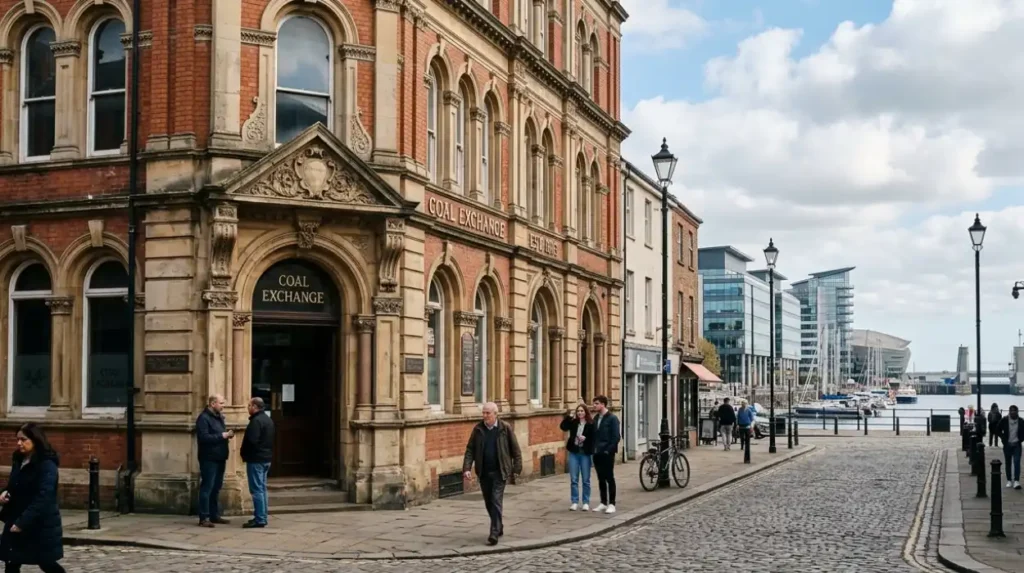
This area matters because it combined three key functions: coal export hub, global port community, and later, post‑industrial regeneration laboratory. Its streets contained the world’s leading coal‑exporting port, the Coal Exchange in Mount Stuart Square, and one of Britain’s earliest multiracial neighbourhoods, which shaped Cardiff’s wider social and cultural geography.
How did Tiger Bay Butetown develop historically in Cardiff?
Butetown began as reclaimed moorland when the second Marquess of Bute authorised the construction of the first Cardiff dock in the 1830s. The West Bute Dock opened in 1839, followed by expansions into East Bute Dock, creating the dockyard that would make Cardiff the world’s largest coal‑exporting port by the early 1900s.
As the docks grew, so did the need for housing and infrastructure for dockworkers, sailors and port‑related businesses. The Bute family and later the Cardiff Corporation laid out regular street grids, including major arteries such as Bute Street and secondary blocks like Mount Stuart Square, James Street and Thompson Street, within which tenement housing and chapels, mosques, and churches were built.
What is the meaning and origin of the name “Tiger Bay” in Cardiff?
“Tiger Bay” was a local and nautical nickname for the dockside part of Butetown rather than a formal administrative term. The origin is not fixed to one event, but it likely arose in the 19th century from sailors’ descriptions of the area’s rough reputation, mixed crews, and round‑the‑clock port activity.
Historians and oral‑history projects in Cardiff note that the term crystallised as a self‑identifying label for a compact, multiracial waterfront community between the 1840s and the 1960s. This community included residents from South Wales valleys, West Africa, the Caribbean, Yemen, Somalia and other port regions, whose shared identity helped sustain the “Tiger Bay” label even after official maps used “Butetown” or “Cardiff Bay.”
What were the key streets and layout of Tiger Bay Butetown?
The core street pattern of Tiger Bay Butetown emerged between the 1840s and 1890s as the docks expanded. Principal arteries include Bute Street, running parallel to the original docks, and Mount Stuart Square, a quadrangle that housed the Coal Exchange and related offices.
Other important streets are James Street, which linked the dockside with hinterland routes, and quieter residential blocks such as Thompson Street, Loudoun Square and Southwell Street, which held multi‑occupation housing for dockworkers and sailors. The layout is largely a grid of short blocks, with some diagonal links from the pre‑dock rural field boundaries, a pattern still visible when overlaying 19th‑century maps on modern Ordnance Survey plans.
How did the docks and coal trade shape Tiger Bay Butetown?
The West Bute Dock’s opening in 1839 turned Butetown into a dedicated port district for exporting coal from the South Wales valleys. By the early 20th century, Cardiff exported over 10 million tonnes of coal per year, and the docks at Bute, East, and later Roath generated thousands of local jobs in unloading, stowing, repair, and clerical work.
The coal trade directly determined land use along Tiger Bay’s streets: warehouses, coal‑yard offices, and transport‑linked businesses clustered near Bute Street and Mount Stuart Square. The Coal Exchange, opened in 1886, acted as a central node for buyers, brokers and ship agents, reinforcing the area’s economic centrality and helping attract a mobile international workforce.
What was the social and cultural role of Tiger Bay Butetown?
Tiger Bay functioned as a distinct “sailortown” community within Cardiff, with its own multiracial and multilingual character. A 19th‑century port‑centred population included Welsh‑speaking miners’ families, English clerks, African and Caribbean seafarers, Yemeni and Somali dockworkers, and later Maltese and East European migrants tied to shipping.
This mix produced a dense network of religious buildings, boarding houses, cafes, and small shops along the key streets. Studies of Butetown’s “town of many” landscape show multiple chapels, three mosques, several churches and at least one synagogue serving the district by the mid‑20th century, reflecting its role as a crossroads of maritime labour and migration.
How did Tiger Bay Butetown change from the mid‑20th century?
From the 1950s through the 1980s, Tiger Bay Butetown declined as coal exports collapsed and shipping moved to deep‑water ports. Many dockside buildings fell into disrepair, unemployment rose above Cardiff averages, and the area was often described as socially excluded and physically neglected.
By the 1980s, clearance and redevelopment discussions began in earnest. The Cardiff Bay Development Corporation, established in 1987, was tasked with transforming the docklands into a modern waterfront with offices, leisure, and housing, which shifted the focus from local working‑class community to international‑style regeneration.
What happened during the Cardiff Bay regeneration of Tiger Bay Butetown?
The Cardiff Bay redevelopment programme, launched in the late 1980s and continuing into the 2010s, replaced decaying dock infrastructure with a fresh‑water bay, promenades, and mixed‑use buildings. The Cardiff Bay barrage, completed in 2001, sealed the tidal estuary and created stable water levels, enabling new residential and commercial waterfront schemes.
Along Tiger Bay’s former waterfront streets, old warehouses and offices were converted into apartments, restaurants, and offices, while new towers such as the Atlantic Wharf and Tramshed buildings added residential density. The authority claimed that the wider Cardiff Bay project created or secured around 20,000 jobs and attracted significant private‑sector investment, fundamentally altering the economic profile of Butetown.
How have the streets of Tiger Bay Butetown changed today?
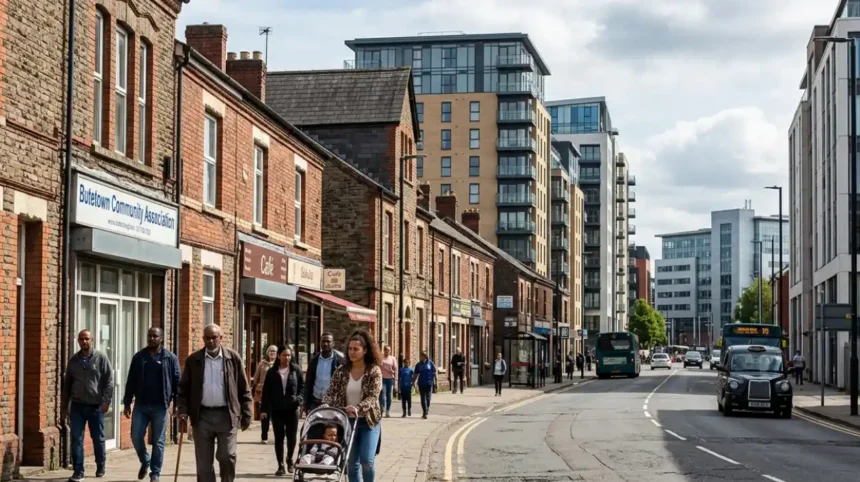
Modern Tiger Bay Butetown streets retain the original grid but host a mix of repurposed and new buildings. Bute Street now includes converted offices, hotels, restaurants and bars, while Mount Stuart Square’s former Coal Exchange has been redeveloped into a heritage and retail space with adaptive‑reuse planning permissions.
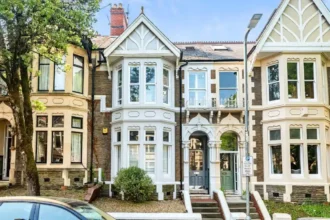
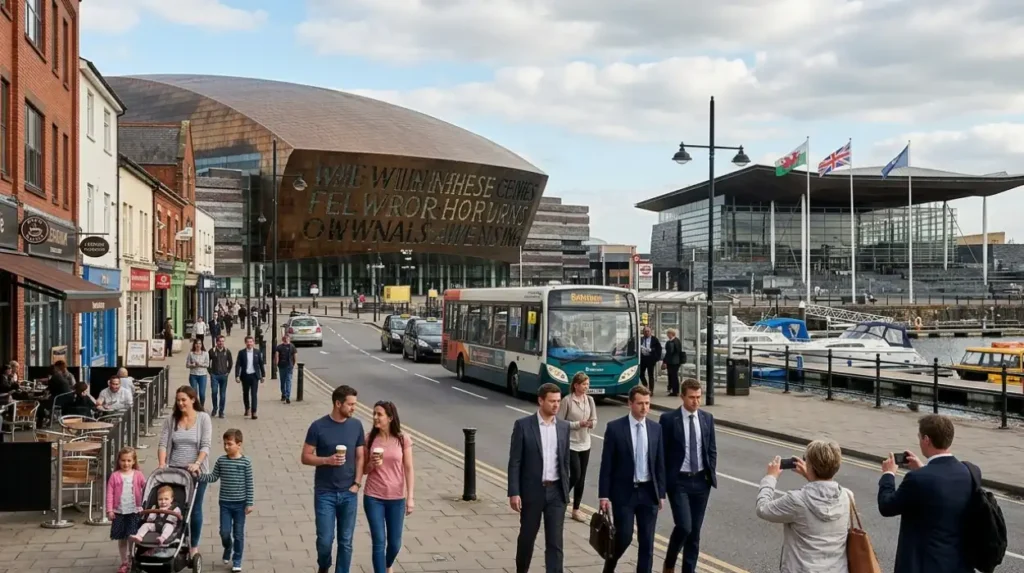
Residential change is evident along James Street and Thompson Street, where some Victorian tenements have been refurbished as flats while others have been replaced by low‑rise apartment blocks. The southern waterfront edge, where the old quays once stood, now holds the Mermaid Quay complex, with modern retail units and restaurants facing the Barrage and Bay, giving Tiger Bay’s streets a distinctly post‑industrial leisure‑oriented character.
What heritage and listed buildings remain in Tiger Bay Butetown?
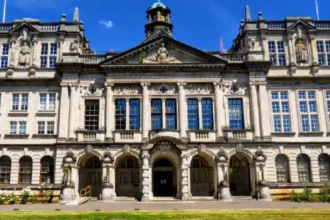
Several historic buildings survive within Tiger Bay Butetown despite regeneration. These include the Grade‑II listed former Coal Exchange building in Mount Stuart Square, St Mary of the Angels Roman Catholic Church, and a number of chapels and former warehouses that have been included in Cardiff’s local listing and conservation‑area policies.
Churches and chapels such as the former Tabernacle Welsh chapel and the Butetown Historical Society’s base in the former Baptist church reflect the area’s religious‑ architectural legacy. Conservation‑area appraisals note that many surviving brick‑and‑stone structures along Bute Street and the side streets contribute to a “historic townscape” worth preserving for future generations.
What is the role of Tiger Bay Butetown in Cardiff’s cultural life?
Butetown remains a cultural hub via institutions rooted in the Tiger Bay tradition. The Butetown History and Arts Centre, founded in the 1980s, preserves oral histories, photographs, and archives of the multiracial dockside community, supporting exhibitions, education projects, and community‑engagement events.
Festivals and public‑art projects in Butetown often reference Tiger Bay’s maritime and multicultural past. The district’s location next to the Wales Millennium Centre, the Norwegian Church Arts Centre and the Senedd (Welsh Parliament) links its local identity with broader national and international cultural programming, reinforcing its status as a symbolic gateway to Cardiff.
How has in‑migration and gentrification affected Tiger Bay Butetown?
From the 1990s onward, Cardiff’s wider expansion and the Bay regeneration attracted new residents, investors, and businesses into Tiger Bay Butetown. Market‑sector flats and higher‑priced apartments have increased property values along the waterfront, altering the socio‑economic profile of streets that were once working‑class tenement areas.
Simultaneously, longstanding communities have experienced displacement pressures and changes in local amenities. While some studies note that regeneration brought new jobs and services, they also highlight tensions between “heritage” narratives and market‑led development, with concern that later‑stage schemes risk diluting the area’s distinctive social history.
What are the current challenges facing Tiger Bay Butetown streets?
Contemporary Tiger Bay Butetown faces several interlinked challenges. These include balancing housing affordability with waterfront‑premium property prices, maintaining the integrity of historic buildings while adapting them for modern uses, and ensuring that community organisations retain access to space in increasingly commercialised streets.
Another challenge is environmental management of the Barrage and Bay waters and the surrounding quayside. The local authority and developers must address issues such as flood‑risk, water quality, and maintenance of the waterfront infrastructure, which are critical for the long‑term viability of Tiger Bay’s streets and public spaces.
How does Tiger Bay Butetown contribute to Cardiff’s economy today?
Tiger Bay Butetown anchors a major part of Cardiff’s visitor and tourism economy. The Cardiff Bay area, including the Butetown waterfront, attracts millions of visitors annually to attractions such as the Wales Millennium Centre, the Senedd, and the Cardiff Bay Barrage, which directly benefit nearby restaurants, hotels, and retail units along Bute Street and Mermaid Quay.
In addition, the area hosts knowledge‑based businesses, public‑sector offices, and creative‑sector premises. The presence of the Senedd and several government and media‑related offices in the Bay means that the Tiger Bay‑Butetown streets function as a political and administrative corridor as well as a leisure and cultural one, reinforcing Cardiff’s status as a capital‑city waterfront district.
What is the future outlook for Tiger Bay Butetown in Cardiff?
Looking ahead, Tiger Bay Butetown is expected to remain a focal point of Cardiff’s urban strategy. Future plans often emphasise sustainable housing, low‑emission transport links, and enhanced public‑realm quality along the waterfront, while also seeking to document and protect the area’s maritime and multicultural heritage.
Opportunities include integrating Tiger Bay’s history into the capital’s wider “placemaking” brand, such as using storytelling, heritage‑trail signage, and digital‑archive projects in Butetown‑based institutions. If managed inclusively, the evolution of Tiger Bay Butetown can combine regeneration‑driven economic growth with recognition of the people and communities whose lives shaped its streets over nearly two centuries in Cardiff.
What is Tiger Bay in Cardiff?
Tiger Bay is the historic dockside area of Butetown, located south of Cardiff city centre and now part of modern Cardiff Bay.