Penylan is one of Cardiff’s established residential districts. It sits east of Cardiff city centre and forms part of the city’s wider eastern neighbourhoods. The area is recognised for its Victorian and Edwardian housing, mature streets, access to green space, schools, local facilities and connections with neighbouring Roath, Cyncoed and Plasnewydd.
- Why is Penylan considered a desirable place to live in Cardiff?
- How did Penylan develop from farmland into a residential Cardiff district?
- What types of homes can people find in Penylan?
- How important are Roath Park and green spaces to Penylan residents?
- Is Penylan a good area for families and school-age children?
- How well connected is Penylan to Cardiff city centre and surrounding areas?
- What local facilities make everyday life easier in Penylan?
- Why does Penylan retain a strong sense of community and identity?
- What makes Penylan different from other Cardiff neighbourhoods?
- What should people consider before moving to Penylan?
- How is Penylan likely to remain relevant as Cardiff grows?
- Why do people continue choosing Penylan as a Cardiff home?
The appeal of Penylan comes from its combination of residential character and urban accessibility. Residents have access to parks, community facilities, schools, shops, public transport routes and major roads without living directly in the city centre. Its built environment also reflects Cardiff’s rapid expansion during the nineteenth and early twentieth centuries.
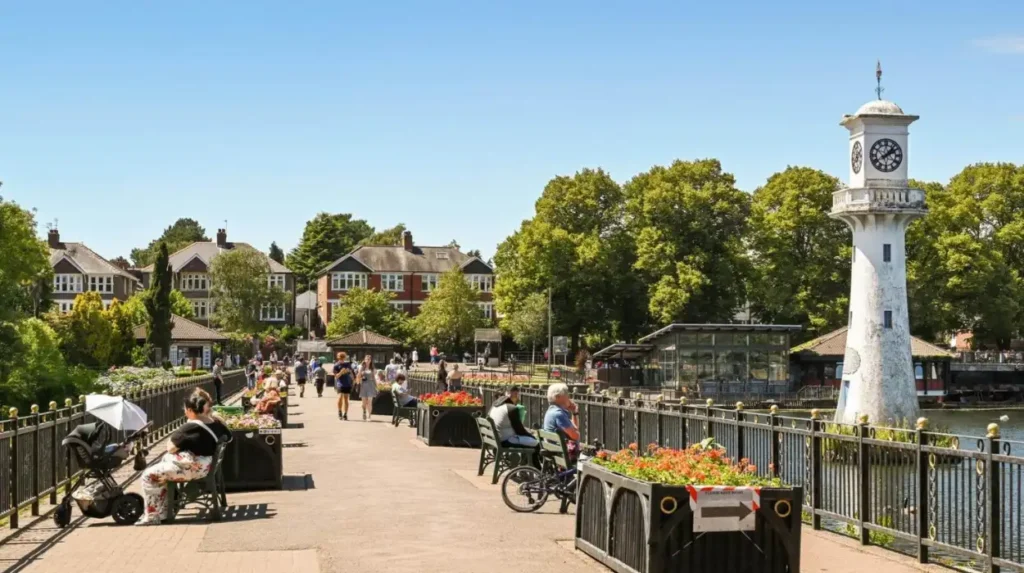
Penylan has a particularly strong connection with Roath Park. The southern part of Roath Park extends into the Penylan area, providing residents with access to one of Cardiff’s best-known public parks. Roath Park opened officially on 20 June 1894 after work began on land that included former bogland donated to Cardiff by the Marquess of Bute.
Why is Penylan considered a desirable place to live in Cardiff?
Penylan is desirable because it combines established housing, green space, schools, community facilities and access to central Cardiff. Its location provides residential surroundings while keeping major employment, education, shopping, cultural and transport destinations within practical reach for residents.
The district has developed around a residential model rather than a city-centre commercial model. Streets contain substantial numbers of period properties alongside later housing. Mature trees, gardens and established road layouts contribute to the area’s physical character.
Penylan also benefits from its position between several important Cardiff neighbourhoods. Roath lies to the south and west, Cyncoed lies further north, and the eastern side connects towards Llanrumney and other eastern Cardiff districts. This position gives residents access to a broad range of services beyond the immediate neighbourhood.
The area is also served by Penylan Library and Community Centre. Cardiff Council identifies parks and green spaces as part of the city’s public amenity network, while local community facilities provide opportunities for residents to access services and activities close to home.
Penylan’s attraction is therefore based on several practical factors operating together. Housing provides the residential foundation. Parks provide outdoor space. Schools support families. Local facilities support everyday needs. Roads and public transport provide connections with the wider Cardiff urban area.
How did Penylan develop from farmland into a residential Cardiff district?
Penylan developed from rural farmland within the historic parish and manor of Roath into a residential district as Cardiff expanded during the nineteenth century. Farming estates, large villas, transport improvements and suburban housebuilding gradually transformed the landscape into today’s established neighbourhood.
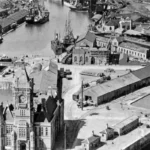
The history of Penylan is considerably older than its modern residential appearance. The name Pen-y-lan is associated with the high ground north of the old village of Roath. Historical research by the Roath Local History Society records Pen-y-lan Farm, also known as Ty Gwyn, as a major historic landholding.
The area remained predominantly agricultural for centuries. Historical records identify farms including Penylan Farm, Ty Gwyn and other agricultural holdings across the wider Roath landscape. A nineteenth-century historical account describes the Penylan estate as covering approximately 115 acres.
Ownership changed during the eighteenth century. The land became associated with the Bute Estate, which played a major role in Cardiff’s urban development. A 1824 Bute survey recorded the Pen-y-lan estate and its agricultural boundaries, demonstrating that the area remained largely rural at that stage.
The transformation accelerated during the Victorian period. Cardiff experienced rapid economic growth because of its coal-exporting economy, docks, commerce and expanding population. Residential development spread beyond the historic centre.
Penylan became attractive to wealthier Cardiff residents. Large houses and villas appeared on the elevated land. Local historical research records Penylan as a preferred residential location for professional people and Cardiff businessmen around the turn of the twentieth century.
The incorporation of Penylan into Cardiff also forms an important part of its modern identity. Historical research records that Penylan and Roath were incorporated into Cardiff in 1875. The same period brought substantial housing construction across several expanding Cardiff districts.
This history explains why Penylan contains a mixture of older properties, later suburban houses and modern residential adaptations. Its present-day character is directly connected to Cardiff’s nineteenth-century expansion.
What types of homes can people find in Penylan?
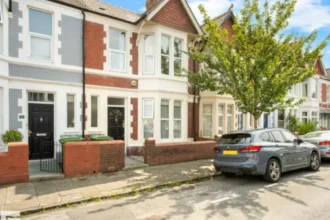
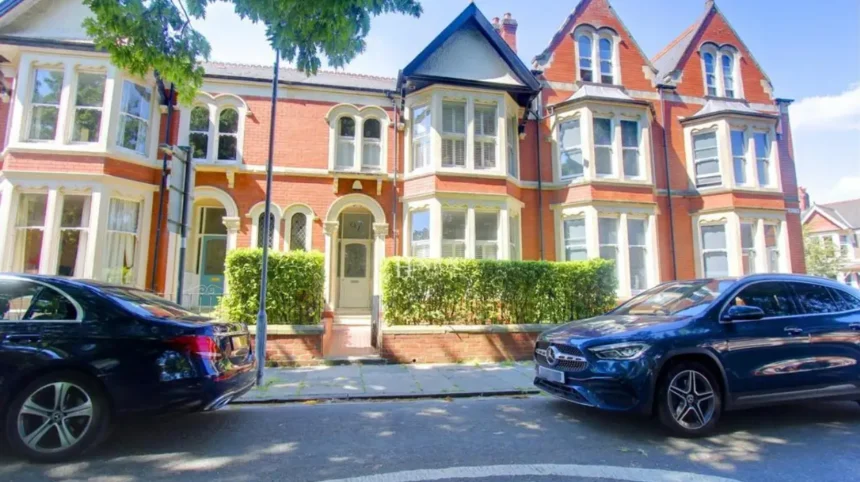
Penylan contains a varied residential stock that includes Victorian and Edwardian houses, substantial period villas, terraced properties, semi-detached homes, flats and converted buildings. This mixture provides different housing formats while retaining a strong connection with the district’s historic suburban architecture.
Housing is one of Penylan’s defining characteristics. The district developed during periods when Cardiff’s expanding professional and commercial population created demand for suburban housing.
Large Victorian and Edwardian properties remain an important part of the architectural landscape. Local historical records document substantial villas associated with prominent Cardiff residents, including merchants, industrialists and professionals. Some historic properties have disappeared, while others remain or have been adapted for modern use.
Period properties often feature larger floor areas than compact central-city housing. Typical architectural characteristics include bay windows, pitched roofs, brick or rendered façades, front gardens, rear gardens and traditional internal layouts. Individual properties differ according to their construction date and later alterations.
The area also contains more conventional suburban housing. Later development introduced semi-detached and other family-oriented homes. Flats and subdivided period properties provide additional forms of accommodation.
This variety supports different household requirements. Families can seek larger houses with gardens. Couples can choose smaller properties. Individuals can find flats or converted homes. Property availability and prices change over time, so buyers and renters need current market evidence rather than historic assumptions.
The housing environment also contributes to Penylan’s streetscape. Mature trees and established gardens are common features in many parts of the district. These characteristics distinguish Penylan from denser sections of central Cardiff.
Penylan’s residential appeal therefore depends not only on individual buildings but also on the relationship between houses, streets, gardens and public spaces.
How important are Roath Park and green spaces to Penylan residents?
Green space is central to Penylan’s residential appeal because the district has direct access to Roath Park and other public recreational areas. These spaces provide walking routes, gardens, sports facilities, play areas and opportunities for outdoor recreation within the urban neighbourhood.
Roath Park is the most important green-space asset associated with Penylan. The park was officially opened on 20 June 1894 and has more than 130 years of public history. Its development followed the donation of land by the Marquess of Bute and other landowners.
The park includes a large lake, landscaped areas, recreational facilities and the well-known Rose Garden. Its long history has made it an important part of Cardiff’s public landscape.
In 2026, Visit Cardiff reported the introduction of a ten-step heritage trail at Roath Park. The trail highlights elements of the park’s history, including its development, gardening heritage, wartime use of the Rose Garden and historic public events.
Roath Recreation Ground adds another important recreational dimension. Historical research records formal games at the recreation ground from the 1890s and documents the area’s connection with Welsh baseball. By 1921, the Welsh Baseball Union had 60 clubs and 1,400 registered players across Cardiff and Newport, demonstrating the scale of the sport’s local community.
The recreational value of these spaces extends beyond sport. Parks support walking, informal exercise, children’s play and everyday outdoor activity. Cardiff Council maintains a citywide network of parks and play areas and provides information for residents about their management and facilities.
For Penylan households, this creates a significant practical advantage. Outdoor space is available without requiring residents to leave the urban area.
Is Penylan a good area for families and school-age children?
Penylan has strong family appeal because it provides residential streets, public parks, community facilities and access to schools across Cardiff. Howardian Primary School was established in Penylan in September 2015, adding a dedicated local primary education option to the neighbourhood.
Education is an important consideration for families choosing a Cardiff neighbourhood. Penylan has local access to schools and sits within a wider network of educational establishments serving eastern and central Cardiff.
Howardian Primary School was established in Penylan in September 2015. Cardiff Council provides an online school and catchment system that allows families to check schools, locations and relevant catchment information using their postcode.
School catchment arrangements require careful attention. Living within a catchment area does not guarantee a school place. Cardiff Council states that admission depends on available places and recommends that parents research their preferred schools before applying.
Cardiff has 125 schools covering nursery, primary, secondary and special education according to Cardiff Council’s current school information. These schools form part of the broader education network available to Penylan households.
Transport also affects school planning. Cardiff Council provides free school transport for eligible pupils who live beyond specified walking distances from their appropriate catchment school. The published thresholds are more than 2 miles for primary pupils and more than 3 miles for secondary pupils, subject to the council’s eligibility conditions.
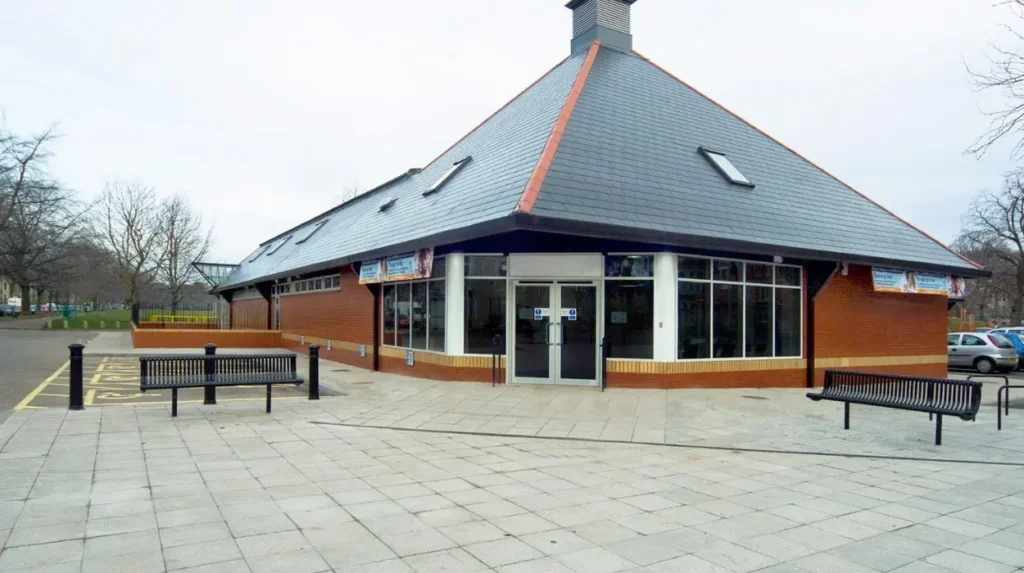
Penylan also has community facilities that support family life. Penylan Library and Community Centre developed from earlier public facilities associated with Roath Recreation Ground. The site has a long history of providing community and recreational services.
The combination of education, recreation and housing explains why the district remains relevant to households with children.
How well connected is Penylan to Cardiff city centre and surrounding areas?
Penylan benefits from its position within Cardiff’s eastern urban area, with road connections and public transport links serving surrounding districts. Its location provides access to central Cardiff, Roath, Cyncoed, Newport Road and wider eastern neighbourhoods without requiring residents to live in the city centre.
Connectivity is a major factor in residential decision-making. Penylan sits close to important Cardiff routes, including the A48 corridor and roads connecting the district with Roath, Cyncoed and the city centre.
Pen-y-lan Road provides an important local route through the neighbourhood. Historical research documents the road from its junction with Albany Road towards Cyncoed Road and records its changing relationship with surrounding streets.
Newport Road is also significant to the wider eastern Cardiff transport network. It provides connections towards the city centre and eastern parts of the capital. The surrounding road network supports access to employment areas, shops, schools and other urban services.
Public transport is also part of everyday connectivity. Cardiff Council publishes transport information and maintains services related to public and school transport. School bus information specifically identifies routes serving Roath and Penylan, demonstrating the area’s integration with Cardiff’s wider education transport network.
Car users also have access to nearby parking facilities. Cardiff Council lists Penylan Library car park at CF23 5EE, with 50 spaces, including four Blue Badge spaces and two electric vehicle charging bays.
Connectivity is therefore not based on one transport method. Residents can combine walking, cycling, buses, private cars and other forms of travel according to destination and circumstances.
The district’s location also reduces the separation between residential and urban amenities. Residents can reach neighbouring districts for additional services while retaining a quieter residential base.
What local facilities make everyday life easier in Penylan?
Penylan supports everyday living through local education, library services, community facilities, parks, recreational spaces, nearby shops and connections to larger commercial areas. These facilities reduce the need for every routine activity to involve travel into Cardiff city centre.
A neighbourhood becomes practical when essential services are available within or near the residential area. Penylan benefits from a combination of local and nearby facilities.
Penylan Library and Community Centre is an important community asset. Its history connects with the former Roath Park Library, which opened as a permanent library in 1970 before later becoming part of the Penylan community facility network.
The local park network provides additional everyday infrastructure. Parks are not only leisure destinations. They also provide routes for walking, areas for informal recreation and spaces for community activity.
Shopping is another practical component. Penylan sits close to established commercial streets and centres in neighbouring Roath and along routes such as Albany Road and Newport Road. This gives residents access to food shops, independent businesses, services and hospitality without relying exclusively on Cardiff city centre.
The area also benefits from its proximity to major urban institutions. Cardiff’s central districts contain employment, higher education, cultural venues, healthcare services and major retail destinations.
The result is a layered service structure. Local facilities cover routine needs. Nearby districts provide additional shopping and services. Central Cardiff supplies major employment, cultural and institutional destinations.
This structure is particularly important for households that value residential surroundings but require regular access to urban services.
Why does Penylan retain a strong sense of community and identity?
Penylan retains a distinct identity because its historic farms, period houses, parks, community facilities and long-established clubs connect present-day residents with earlier generations. Local organisations and heritage groups continue documenting the district’s buildings, streets, people, recreation and social development.
Community identity in Penylan has developed over many generations. Historical records show that the district changed from agricultural land into a suburban residential area while retaining traces of its earlier landscape.
Local organisations play an important role in documenting this transition. The Roath Local History Society has published research on Penylan’s farms, streets, houses, residents, clubs and historical landmarks.
The Penylan Club provides a specific example of long-term community activity. Its history begins in 1907, when an invitation was circulated proposing a new bowling green for Roath. The organisation later became associated with the Penylan Bowling and Cardiff Bridge Club.
Sport has therefore formed part of the area’s social history. Roath Recreation Ground became associated with Welsh baseball, while local clubs created additional opportunities for organised recreation.
The district also retains historical references through street names and surviving buildings. Penylan Road, Birchwood Road and other local streets preserve connections with earlier properties and landholdings. Historical research records the former Birchwood Grange and other large houses that once occupied substantial plots.
Penylan’s identity is therefore not based only on its present housing market. It is supported by physical heritage, public spaces, community institutions and historical memory.
What makes Penylan different from other Cardiff neighbourhoods?
Penylan combines suburban housing, historic architecture, major green spaces and proximity to central Cardiff in a particularly concentrated urban setting. Its relationship with Roath Park, Roath, Cyncoed and eastern Cardiff gives it a distinct position within the city’s residential geography.
Cardiff contains many residential neighbourhoods, but each has a different relationship between housing, transport, green space and the city centre.
Penylan stands out through its combination of established residential streets and substantial public green space. Roath Park is a major differentiating feature because the park directly contributes to the area’s recreational environment.
The district also has a strong architectural legacy. Its development during Cardiff’s Victorian and Edwardian expansion produced substantial period housing and landscaped residential streets.
Its geographical position creates another distinction. Penylan is close enough to central Cardiff for residents to access major urban destinations while remaining separated from the most intensely developed central areas.
The relationship with Roath is particularly important. Historically, Penylan formed part of the wider Roath parish and estate. Modern administrative boundaries distinguish the neighbourhoods, but their history, roads, parks and services remain interconnected.
The relationship with Cyncoed also matters because northern Penylan areas connect with another established residential district. This creates access to additional schools, facilities and local services.
Penylan therefore occupies an intermediate position within Cardiff. It is urban rather than rural. It is residential rather than primarily commercial. It is close to major city destinations while retaining extensive green and suburban characteristics.
What should people consider before moving to Penylan?
People considering Penylan should assess the exact property, street, school catchment, transport requirements, parking arrangements, local services and current housing costs. Neighbourhood reputation alone does not determine whether an individual home meets a household’s practical needs.
Choosing Penylan requires property-level research. Housing varies substantially by street, building type, condition, size and tenure.
School catchment information requires particular attention for families. Cardiff Council provides postcode-based catchment information, but being within a catchment does not guarantee admission. Families should check current admission policies and available places before making housing decisions.
Transport requirements also differ between households. Someone working centrally in Cardiff has different needs from someone commuting towards Newport, the Vale of Glamorgan or another part of Wales.
Parking should also be assessed at individual-property level. Some homes have driveways or private parking, while others depend on on-street arrangements or nearby public facilities.
Period housing requires additional inspection. Older properties can contain different construction standards, layouts and maintenance requirements compared with newer homes. Buyers should arrange appropriate surveys and assess insulation, roofing, damp, windows, heating and electrical systems.
Rental properties require similar attention to location and condition. Prospective tenants should compare current rents, energy costs, transport expenses and property size.
Green-space access is another practical consideration. Residents who value walking or outdoor recreation should identify the nearest park entrances and routes rather than relying only on a general description of the neighbourhood.
Penylan provides strong infrastructure, but the best choice depends on the precise combination of property, budget, transport, education and lifestyle requirements.
Explore More Area Guide
How Cardiff Expanded Eastwards: Docks, Industry and Suburbs
History of Grangetown: Cardiff’s Victorian Past and Heritage
How is Penylan likely to remain relevant as Cardiff grows?
Penylan’s long-term relevance comes from its established housing stock, mature infrastructure, green spaces, community facilities and strategic location within Cardiff. These assets support continued residential demand while preserving the neighbourhood’s role as an established eastern part of the capital.
Cardiff continues to function as Wales’s principal urban and administrative centre. Its population was 362,308 at the 2021 Census, according to the Office for National Statistics.
As the wider city evolves, established neighbourhoods remain important because they already contain housing, roads, schools, parks and community facilities. Penylan has these components in place.
The district also benefits from its historic relationship with Roath Park. The park has operated as a public recreational asset since 1894 and continues to receive investment in interpretation and visitor engagement. The 2026 heritage trail demonstrates how historic public spaces remain relevant to contemporary Cardiff.
Housing adaptability is another long-term factor. Large historic properties can be maintained, renovated or divided into different accommodation formats, although planning and building regulations apply to relevant works.
Transport will remain important as Cardiff develops. Cardiff Council continues to consult residents about transport and manages services covering roads, parking, public transport and sustainable travel.
Penylan’s established infrastructure creates continuity. New development elsewhere in Cardiff does not remove the value of mature neighbourhoods with existing amenities.
The area’s future relevance therefore rests on its location and accumulated infrastructure. Its green spaces, housing, schools, community facilities and connections form a long-established residential system within Cardiff.
Why do people continue choosing Penylan as a Cardiff home?
People choose Penylan because it offers a balanced residential environment with period housing, green space, schools, community facilities and access to central Cardiff. Its historic character and established infrastructure create practical advantages for households seeking an urban location with suburban qualities.
Penylan’s appeal is rooted in its physical and geographical structure. It is an established Cardiff district with a long transition from farmland to residential suburb.
Its housing stock reflects the city’s Victorian and Edwardian expansion. Its streets retain mature trees and established residential layouts. Its parks provide accessible outdoor space. Its schools and community facilities support everyday life.
Roath Park is particularly significant. Opened in 1894, it provides a long-standing recreational asset directly associated with the area’s identity. Its continued public use and heritage programme demonstrate its lasting importance.
Penylan also benefits from proximity to Roath and central Cardiff. This gives residents access to a wider commercial, cultural, educational and employment network.
The area’s history provides another layer of value. Penylan Farm, historic villas, Pen-y-lan Road, local clubs and community facilities all form part of a documented development from rural land to urban neighbourhood.
For families, schools and parks are important. For commuters, connectivity matters. For residents interested in heritage, the historic streetscape provides a strong local context. For people seeking community facilities, Penylan Library and Community Centre provides a local focal point.
These factors explain why Penylan remains one of Cardiff’s established residential areas. Its appeal does not depend on one attraction. It comes from the interaction between housing, location, green infrastructure, education, community services and historical character.
As Cardiff continues to evolve, Penylan remains relevant because these foundations are already embedded in the neighbourhood. Its combination of residential stability and urban accessibility makes it a significant part of Cardiff’s eastern residential landscape.
Is Penylan a good place to live in Cardiff?
Yes. Penylan is an established residential area with period homes, green spaces, schools, community facilities and convenient connections to central Cardiff. Its location provides a balance between suburban surroundings and access to urban amenities.