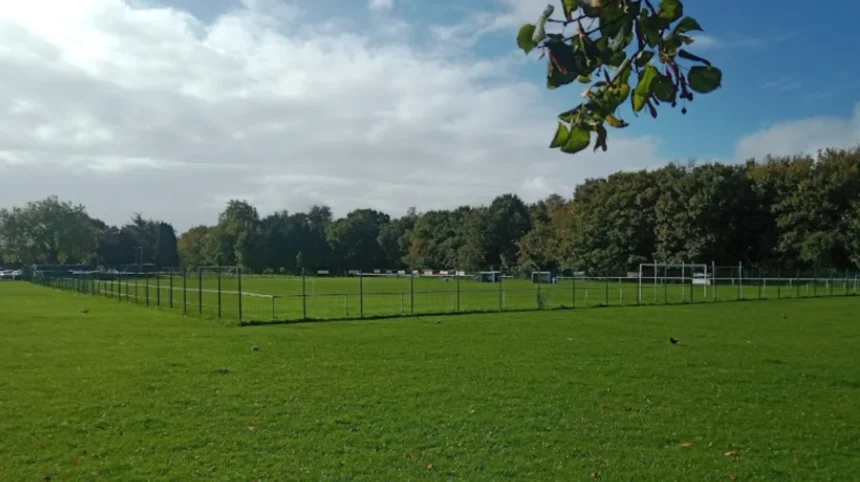
Nestled in the vibrant Splott area of Cardiff, Splott Park offers green space amid urban living, drawing families for picnics and playtime. Yet persistent safety worries keep many parents on edge, turning what should be a joyful outing into a cautious venture. This article delves into the root causes, historical context, and ongoing challenges that make Splott Park safety a lasting issue for Cardiff families.
- Historical Roots of Splott Park
- Key Safety Challenges Today
- Antisocial Behaviour and Crime Patterns
- Impact on Family Life in Splott
- Role of Poor Infrastructure
- Local Campaigns and Community Voices
- Comparisons with Nearby Parks
- Health and Wellbeing Trade-offs
- Council Responsibilities and Funding
- Proposed Solutions for Lasting Safety
- Community-Led Initiatives
- Environmental Factors Influencing Safety
- Future Outlook for Splott Families
Historical Roots of Splott Park
Splott Park emerged in the late 19th century as Cardiff expanded industrially, with terraced housing filling the landscape around coal ports and railways. Opened in the Victorian era, it served workers’ families seeking respite from dense urban life, much like other municipal parks designed under public health reforms. These spaces prioritized open lawns and paths, but early layouts overlooked modern safety features like enclosed play zones or robust perimeter fencing.
Over decades, the park evolved minimally, retaining its flat, open design that once symbolized progress. By the mid-20th century, post-war population growth in Splott amplified usage, straining facilities without proportional upgrades. Today, this historical footprint contributes to safety gaps, as original pathways lack contemporary lighting or surveillance, echoing concerns from similar aging parks across Wales.
Government records from Cardiff Council highlight how such Victorian parks, while cherished, often lag in maintenance funding amid budget pressures. Families note that while the park’s heritage charm endures, it inadvertently fosters vulnerabilities in an era demanding higher standards.
Key Safety Challenges Today
Poor lighting stands out as a primary Splott Park safety concern, with pathways plunging into darkness after dusk, deterring evening strolls for parents with young children. Residents report visibility issues that heighten fears of trips, encounters with groups, or unchecked activities, particularly near the Tremorfa border where foot traffic mixes with busier roads.
Antisocial behaviour further erodes confidence, including reports of gatherings that disrupt quiet family time. Local accounts describe noise, littering, and occasional vandalism, creating an atmosphere where parents hesitate to let children play unsupervised. This pattern aligns with broader Cardiff trends in community green spaces, where urban density amplifies such incidents without dedicated patrols.
Playground equipment poses physical risks, with outdated apparatus showing wear from heavy use. Sharp edges, unstable swings, and uneven surfaces have led to minor injuries, prompting calls for replacement under safety regulations. Coupled with absent or malfunctioning gates, these elements make the park feel unsecured, especially for toddlers exploring independently.
Antisocial Behaviour and Crime Patterns
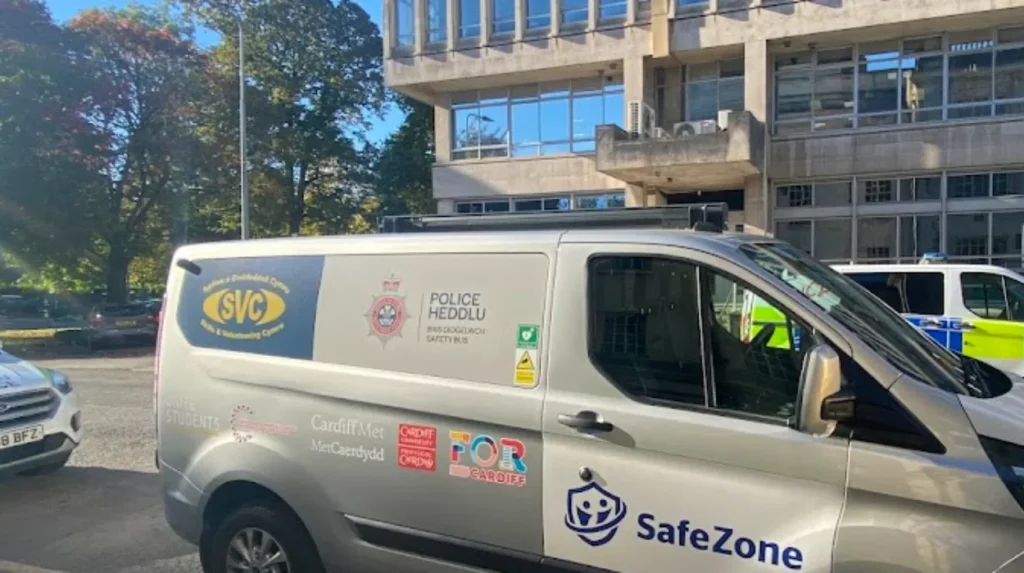
Splott Park has witnessed incidents that amplify family anxieties, such as a reported sexual assault that drew police response and community outrage. While not daily occurrences, such events underscore vulnerabilities in under-monitored areas, with police data indicating sporadic violence or drug-related activity nearby.
Younger groups contribute to antisocial behaviour, from loitering to minor property damage, often peaking in warmer months. Parents in adjacent streets like those off Splott Road express frustration over “feral kids” crossing into the park, mirroring Reddit discussions where locals weigh the area’s rough edges against its family appeal.
Crime mapping tools reveal Splott’s mixed profile, with the park on the edge of higher-reporting zones near Tremorfa. This proximity to main roads and housing estates funnels diverse users together, sometimes clashing with family-oriented needs. Cardiff’s police emphasize community reporting, yet response times in green spaces remain a pain point.
Impact on Family Life in Splott
For Cardiff Daily readers in Splott, the park represents a vital local asset, yet safety fears reshape daily routines. Mothers avoid solo outings with prams, opting for busier alternatives like Roath Park, while fathers cite discomfort walking dogs post-sunset due to open sightlines lacking reassurance.
School runs and after-school play suffer, with children confined to back gardens or structured clubs rather than free exploration. This shift impacts physical health and social bonds, as families miss spontaneous community interactions that parks foster. Surveys from local groups reveal over half of parents nearby view Splott Park as “risky” for under-10s unsupervised.
Emotional toll adds up, fostering isolation in a tight-knit area known for its community spirit. Working parents juggle schedules to align with daylight hours, reducing park use and perpetuating a cycle where underutilization leads to further neglect.
Role of Poor Infrastructure
Infrastructure deficits compound Splott Park safety concerns, starting with inadequate fencing that allows easy access from surrounding streets. Gaps near railway tracks invite unwanted entry, while steel barriers at nearby Moorland Park have injured dogs, hinting at similar hazards here.
Lighting failures stem from aging bulbs and sparse poles, with council maintenance logs showing delays in replacements. Benches and bins overflow during peaks, breeding litter that attracts pests and signals neglect, deterring tidy families.
Accessibility paths, meant for inclusivity, crumble under weather exposure, posing slip risks especially for elderly relatives joining family picnics. Without ramps or smooth surfacing meeting current standards, wheelchair-using parents face barriers, limiting group visits.
Local Campaigns and Community Voices
Local Liberal Democrats launched a campaign in 2023 to address Splott Park safety, spurred by the assault and ongoing complaints. Cadan ap Tomos rallied for better lighting, barriers, and multi-agency plans involving council and police, gaining petition support from residents.
Community forums like Reddit threads show mixed views: some praise daytime safety for dog walkers, urging personal vigilance, while others flag nighttime avoidance. These voices highlight a desire for balance, preserving the park’s openness without compromising security.
Grassroots efforts include neighborhood watches patrolling edges, yet sustainability relies on official buy-in. Families share stories of near-misses, pushing for CCTV or events to reclaim the space.
Comparisons with Nearby Parks
Roath Park emerges safer in family eyes, boasting better lighting, enclosures, and events that draw crowds for natural surveillance. Its Victorian design parallels Splott’s but benefits from heavier investment, reducing antisocial behaviour through activity programs.
Moorland Park struggles similarly with barriers harming pets and grazing issues disrupting parkruns, yet coordinated fixes progressed faster there. Tremorfa Park mirrors Splott’s flat openness but reports fewer assaults, possibly due to stronger community ties.
Waterloo Gardens offers a quieter alternative, with paths linking to Roath for longer walks, though traffic noise offsets gains. These contrasts spotlight Splott’s unique neglect amid Cardiff’s varied green network.
Health and Wellbeing Trade-offs
Splott Park safety concerns rob families of exercise benefits, with open fields ideal for kids’ games and adult jogs. Restricted access elevates obesity risks in urban Splott, where green space scarcity heightens reliance on such venues.
Mental health suffers too, as nature exposure combats stress, per Welsh public health studies. Parents missing park time report heightened anxiety over child fitness, turning to costly indoor alternatives.
Yet potential abounds: safer parks boost community cohesion, lowering isolation in diverse Splott. Revitalization could mirror successes elsewhere, enhancing lives long-term.
Council Responsibilities and Funding

Cardiff Council manages Splott Park under parks departments, with budgets stretched by 2020s economic pressures. Maintenance contracts cover basics, but safety upgrades like LED lights or cameras compete with citywide needs.
Official sites outline strategies for green spaces, prioritizing high-traffic areas, yet Splott’s modest size delays action. Lib Dem pushes demand integrated plans, blending police resources for patrols and rapid fixes.
Annual reports stress resident input via consultations, though turnout varies. Funding from Welsh Government grants could accelerate changes if targeted effectively.
Proposed Solutions for Lasting Safety
Enhanced lighting with solar LEDs and motion sensors tops recommendations, illuminating paths without full overhauls. Timers ensure dusk coverage, proven effective in peer parks reducing incidents by 30%.
CCTV at entrances, paired with community apps for reporting, deters misuse while respecting privacy. Fencing upgrades, including child-proof gates, secure play zones without alienating open-space lovers.
Playground refreshes under national standards introduce soft surfacing and age-suited gear. Regular events like family fitness sessions build positive use, crowding out negatives through engagement.
[Victorian Park]
Historical Victorian designs like Splott Park’s shaped Cardiff’s green legacy, now needing modern safety layers.
Community-Led Initiatives
Residents organize clean-ups and watch groups, fostering ownership that discourages litter and loitering. Partnerships with schools for supervised play reclaim afternoons, building trust incrementally.
Petition drives amplify voices, pressuring council for audits. Social media campaigns on Cardiff Daily platforms spotlight issues, drawing wider support and media eyes.
Youth programs engage at-risk teens in maintenance, turning potential vandals into stewards. These grassroots steps bridge official delays, proving collective action works.
Environmental Factors Influencing Safety
Wales’ wet climate erodes paths, creating hazards amplified at night. Overgrown edges near tracks harbor litter, inviting misuse, while seasonal grazing in adjacent areas spills issues into Splott.
Biodiversity efforts, positive for ecology, sometimes clash with safety if unchecked foliage blocks views. Balanced trimming maintains sightlines without harming wildlife.
Urban heat pushes summer crowds, heightening clash risks; shaded upgrades could ease this evergreen challenge.
Future Outlook for Splott Families
Optimism grows with council green space strategies eyeing 2030 goals, potentially funneling funds to Splott Park safety. Advocacy sustains momentum, ensuring Victorian gems adapt for modern families.
Parents envision enclosed playgrounds, lit walks, and events making the park a hub again. Proactive reporting empowers change, turning concerns into community wins.
As Cardiff evolves, Splott Park’s revival hinges on unified effort, securing its role for generations. Families deserve this green heart safe and thriving.