Cardiff Bay stands as a vibrant heart of the Welsh capital, a once-industrial dockland reborn into a bustling hub of offices, homes, and leisure spots. Yet beneath its modern allure lies a persistent challenge: water quality that plummets after heavy rain, turning this prized waterway into a health and environmental concern.
- Historical Roots of Cardiff Bay’s Water Woes
- How Heavy Rain Triggers Water Quality Failure
- Key Pollutants Plaguing the Bay Post-Rain
- Environmental and Health Impacts
- Why Solutions Have Fallen Short So Far
- Urban Runoff: Cardiff’s Hidden Contributor
- Role of the Cardiff Bay Barrage
- Community and Business Toll
- Government and Regulatory Efforts
- Long-Term Solutions for Cleaner Waters
- Real-Time Monitoring and Public Tools
- Path Forward for Cardiff Bay
Historical Roots of Cardiff Bay’s Water Woes
The transformation of Cardiff Bay began in the late 1980s with the Cardiff Bay Development Corporation, tasked with regenerating derelict docks into a thriving waterfront. Engineers constructed the Cardiff Bay Barrage in 1999, impounding the rivers Taff and Ely to create a 200-hectare freshwater lake from former tidal mudflats. This ambitious project aimed to boost economic growth, attracting over £1 billion in investments and creating a skyline dotted with landmarks like the Wales Millennium Centre.
However, the barrage altered natural tidal flushing, trapping pollutants rather than sweeping them out to sea. Early on, water quality emerged as a core focus, with monitoring systems installed to track parameters like dissolved oxygen and bacteria levels. Despite initial successes in beautifying the area, the enclosed system amplified vulnerabilities to upstream pollution, setting the stage for recurring issues during wet weather.
Heavy rain exacerbates these historical flaws by overwhelming the bay’s static water body. Unlike open estuaries, the lake lacks the sea’s diluting tides, allowing contaminants to concentrate rapidly. This legacy of engineering triumph now underscores a need for adaptive management in an era of climate-driven downpours.
How Heavy Rain Triggers Water Quality Failure
When storms hit Cardiff, rainwater surges through the city’s urban landscape, picking up pollutants along the way. The rivers Taff and Ely, which feed the bay, swell with combined sewer overflows—raw sewage mixed with stormwater that treatment plants cannot handle. During prolonged or intense rainfall, these overflows discharge billions of litres untreated into the waterways, spiking E. coli and enterococci bacteria levels.
Urban runoff compounds the problem. Cardiff’s streets, laden with oil, litter, heavy metals from tires, and fertilizers from gardens, funnel straight into storm drains linked to the rivers. Studies show that first-flush rains— the initial downpours after dry spells—carry the highest pollutant loads, overwhelming the bay’s dilution capacity. In the enclosed lake, these inputs stagnate, fostering algal blooms and oxygen depletion that harm aquatic life.
Monitoring data from the Cardiff Harbour Authority reveals a pattern: wet summers correlate with higher failed tests. For instance, routine checks grade water as pass or fail based on EU Bathing Water Directive standards, and post-rain events often tip the scales toward failure, rendering the bay unsafe for immersion activities.
Key Pollutants Plaguing the Bay Post-Rain
Sewage stands as the primary culprit, with overflows from aging Victorian-era infrastructure unable to cope with modern rainfall intensities. Cardiff’s combined sewer system, shared by over 400,000 residents, routinely spills during peaks, introducing pathogens that persist in the bay’s warmer, calmer waters.
Nutrients like nitrates and phosphates from agricultural runoff upstream and urban sources fuel eutrophication. Heavy rain washes these from farms in the Vale of Glamorgan and city lawns, triggering algal overgrowth that blocks sunlight and creates dead zones. Ammonium levels rise too, stressing fish and invertebrates.
Microplastics and heavy metals add insidious threats. Tires shed zinc and other toxins during rain, while plastics fragment and accumulate. These non-biodegradable pollutants bioaccumulate in the food chain, posing risks to birds, fish, and humans who might consume bay-caught seafood.
Environmental and Health Impacts
The bay’s ecosystem suffers profoundly after rain-induced failures. Fish kills occur when oxygen drops below viable levels, and biodiversity plummets as sensitive species like salmon avoid polluted inflows. Algal blooms not only suffocate habitats but release toxins harmful to marine mammals and waterfowl that frequent the area.
For humans, the risks are direct. Elevated bacteria counts lead to gastrointestinal illnesses, skin rashes, ear infections, and rarer severe conditions like hepatitis A if ingested during swimming or boating. The Cardiff Harbour Authority advises against immersion post-rain, a caution heeded by locals who notice discolored, foamy waters.
Tourism and recreation bear economic scars. The bay draws 4 million visitors yearly for events, dining, and watersports, but poor quality deters participation. Businesses report dips in custom, amplifying the ripple effects on Cardiff’s £100 million waterfront economy.
Why Solutions Have Fallen Short So Far
Despite decades of investment, water quality lags due to fragmented responsibility. Welsh Water manages sewers, the Harbour Authority monitors the bay, and Natural Resources Wales oversees rivers—yet coordination falters during crises. The barrage’s design, while preventing floods, hinders natural purification, and upgrades like real-time overflow sensors remain underutilized.
Climate change intensifies the issue, with wetter winters and intense summer storms becoming the norm. Projections indicate a 20-30% rainfall increase in South Wales by 2050, straining infrastructure further. Past initiatives, like phosphate reduction programs, show promise but fail to address sewage volume spikes.
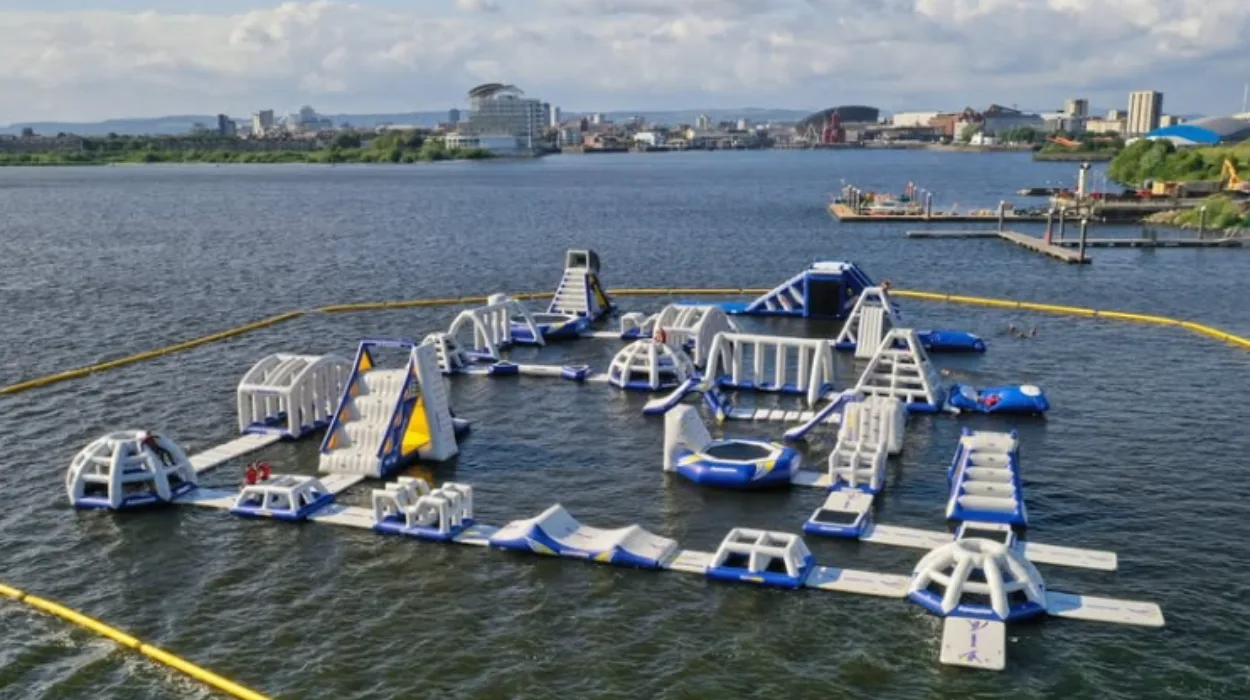
Public awareness campaigns and voluntary cleanups help marginally, but without binding overflow limits or bay-flushing mechanisms, failures persist. The relocation of attractions like the Aqua Park to cleaner Cosmon Lake in Penarth underscores operational frustrations, as operators cite financial unviability from rain-related closures.
Urban Runoff: Cardiff’s Hidden Contributor
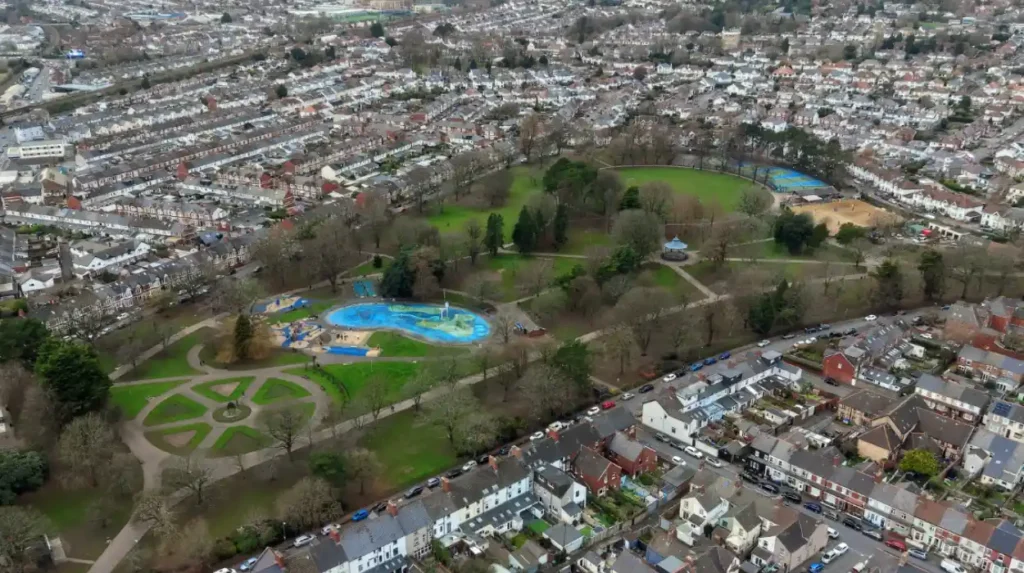
Cardiff’s growth as a city of 370,000 amplifies runoff pollution. Impervious surfaces—roofs, roads, car parks—cover 40% of the catchment, accelerating pollutant delivery. Rain scours these areas of dog waste, cigarette butts, and atmospheric deposits, delivering a toxic cocktail to the Taff.
Sustainable Drainage Systems (SuDS) offer mitigation, with permeable pavements and rain gardens capturing runoff. Yet implementation lags; only 10% of new developments fully integrate SuDS, per local council reports. Retrofitting older neighborhoods proves costly, leaving the bay vulnerable.
Agricultural influences from upstream cannot be ignored. The Ely Valley’s dairy farms contribute manure and silage leachate, mobilized by rain into the river system. Integrated catchment management, blending urban and rural efforts, remains aspirational rather than actualized.
Role of the Cardiff Bay Barrage
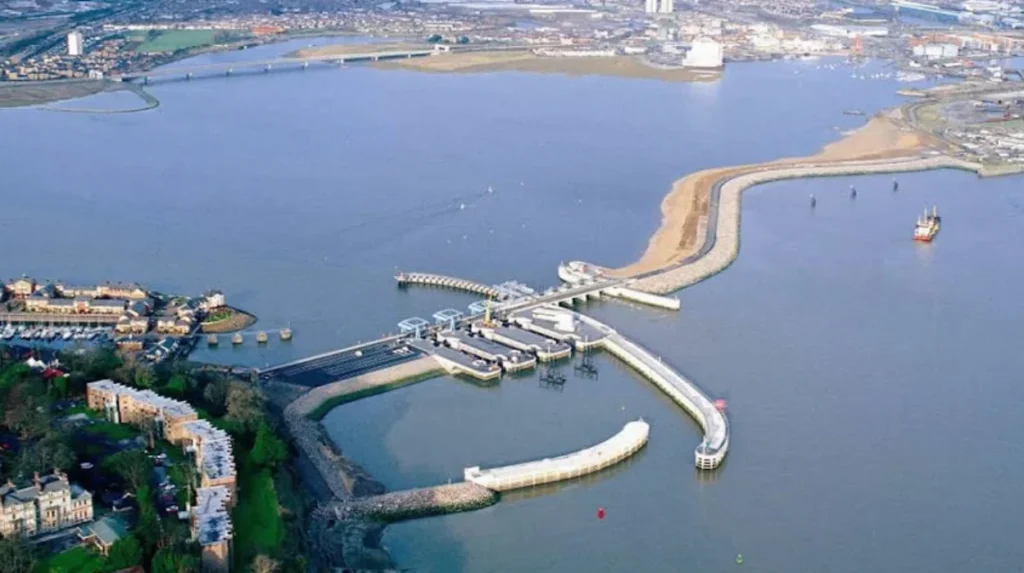
The 1.5km barrage, a feat of engineering with fish passes and scour sluices, symbolizes regeneration but inadvertently worsens stagnation. It blocks tidal exchange, reducing natural oxygenation and pollutant export. Sluices release excess water during floods, but this often flushes contaminants directly into the lake.
Maintenance includes impellor systems for circulation, yet they struggle against high pollutant influxes. Proposals for enhanced aeration or periodic saltwater flushing face environmental opposition, fearing salinity shifts that could harm freshwater species adapted over 25 years.
Data from YSI EcoNet monitoring, accessible globally, highlights real-time declines post-rain, urging smarter barrage operations like predictive gate management tied to weather forecasts.
Community and Business Toll
Local boat operators lament lost revenue, as murky, odorous waters repel tourists. “Every heavy shower chases visitors away,” notes one captain, echoing sentiments from Wales Millennium Centre vicinity eateries that see footfall drop.
Residents in nearby Butetown report odors and fly-tipped waste washing ashore, eroding quality of life. Health surveys link bay proximity to higher respiratory issues, potentially tied to airborne aerosols from waves.
The ripple extends to property values; waterfront apartments, once premium, now factor in water advisories, cooling demand in this regeneration poster child.
Government and Regulatory Efforts
Welsh Government targets net-zero sewage spills by 2030, investing £1.3 billion in Dŵr Cymru Welsh Water upgrades. The 2021 Environment Act mandates storm overflow reductions, with monitors on 100+ sites revealing Cardiff’s hotspots.
Natural Resources Wales enforces Bathing Water Protected Areas, expanding monitoring to 22 Welsh sites including Cardiff. Fines for polluters reached £2 million last year, but enforcement struggles against infrastructure backlogs.
EU directives linger in UK law, classifying bay waters and driving annual improvements reports. Yet progress stalls, with 2025 data showing persistent failures akin to national trends where 70% of overflows evade treatment.
Long-Term Solutions for Cleaner Waters
Upgrading to separated sewer systems, though £billions and decades-long, tops the list. Pilot projects in Llandaff show 50% overflow cuts via storage tanks that hold storm flows for later treatment.
Nature-based solutions gain traction: wetland buffers along the Taff trap 80% of phosphates, as trialed by the Wye & Usk Foundation. Riparian planting stabilizes banks, reducing erosion-fed sediments.
Smart tech beckons—AI-driven sensors predict spills, automating alerts and barrage adjustments. Public apps could warn of unsafe days, shifting behaviors like avoiding bay dips post-rain.
Real-Time Monitoring and Public Tools
Cardiff Harbour Authority’s daily tests, augmented by citizen science via apps like EarlSh2, empower communities. Live dashboards on cha.co.uk display bacteria trends, fostering transparency.
Academic collaborations, including Cardiff University’s hydrodynamic models, simulate rain impacts, guiding policy. Research papers quantify microplastic influxes at 10 tonnes yearly, spurring targeted cleanups.
Path Forward for Cardiff Bay
Restoring Cardiff Bay demands holistic action: infrastructure overhauls, catchment stewardship, and climate resilience. Success stories from Sydney Harbour, where sewer separation slashed bacteria 90%, inspire.
Stakeholders unite via the Cardiff Bay Water Quality Forum, blending voices from fishers to firms. With political will—evident in Welsh Labour’s green pledges—and community buy-in, the bay can reclaim its promise.
Ultimately, addressing post-rain failures safeguards health, boosts economy, and honors the bay’s role as Cardiff’s jewel. Persistent effort will ensure heavy rains refresh rather than ruin this vital waterway.