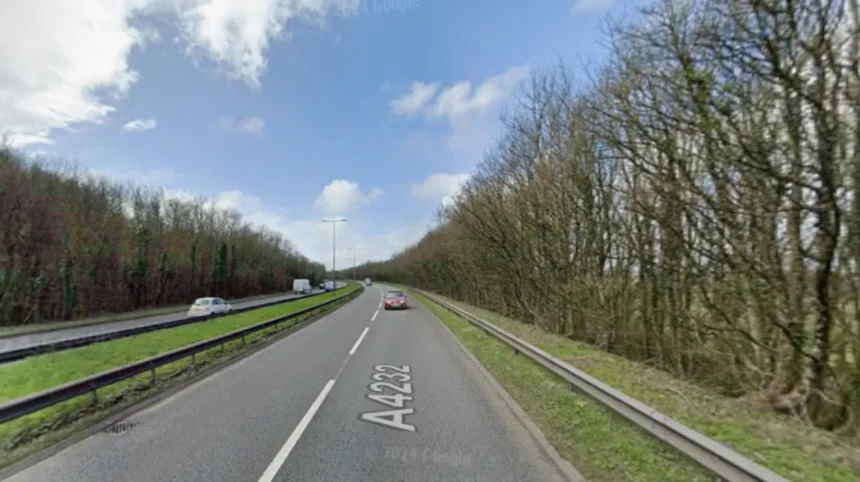
Picture this: you’re cruising towards Cardiff on a familiar stretch of road, radio humming, when brake lights flare ahead. Suddenly, everything grinds to a halt. That’s the reality for thousands of drivers when the A4232 faces a crash closure. This vital artery linking the M4 at Junction 33 to the city centre and beyond sees frequent disruptions from accidents, turning routine commutes into hours-long ordeals.
This article dives deep into the A4232’s role in Cardiff’s traffic network, why crashes lead to closures, and their ripple effects across the region. We’ll explore historical patterns, real-world examples, diversion strategies, and practical tips to navigate the chaos. Whether you’re a daily commuter from the Vale of Glamorgan or heading in from the M4, understanding these dynamics can save you time, stress, and fuel. Stay ahead of the gridlock—let’s break it down.
The A4232: Cardiff’s Busy Backbone
The A4232 stretches from the M4 Junction 33 at Capel Llanilltern through Culverhouse Cross and Leckwith, feeding straight into Cardiff’s western fringes. It’s not just a road; it’s the primary gateway for traffic from Swansea, the Vale, and M4 eastbound travellers avoiding tolls. On a typical day, it handles over 50,000 vehicles, peaking during rush hours when commuters flood in for work or events at the Principality Stadium.
Crashes here amplify problems because the road narrows at key points, like near the A48 Cowbridge Road interchange. A minor shunt can block lanes quickly, as seen in February 2026 when a southbound accident shut the route from M4 J33 to A48, causing queues back to the motorway. Emergency services prioritise safety, closing sections fully to investigate and clear debris, which explains why “partially blocked” often escalates to total shutdowns. This design—high volume, limited width—makes it prone to rapid congestion.
Why Crashes Trigger Full Closures
Not every bump leads to a shutdown, but on the A4232, they often do. High speeds (up to 70mph in parts) mix with heavy lorries and distracted drivers, raising accident risks. Statistics from Traffic Wales show the A4232 among south Wales’ top incident hotspots, with over 20 reported collisions in early 2026 alone, many involving motorbikes or multi-vehicle pile-ups.
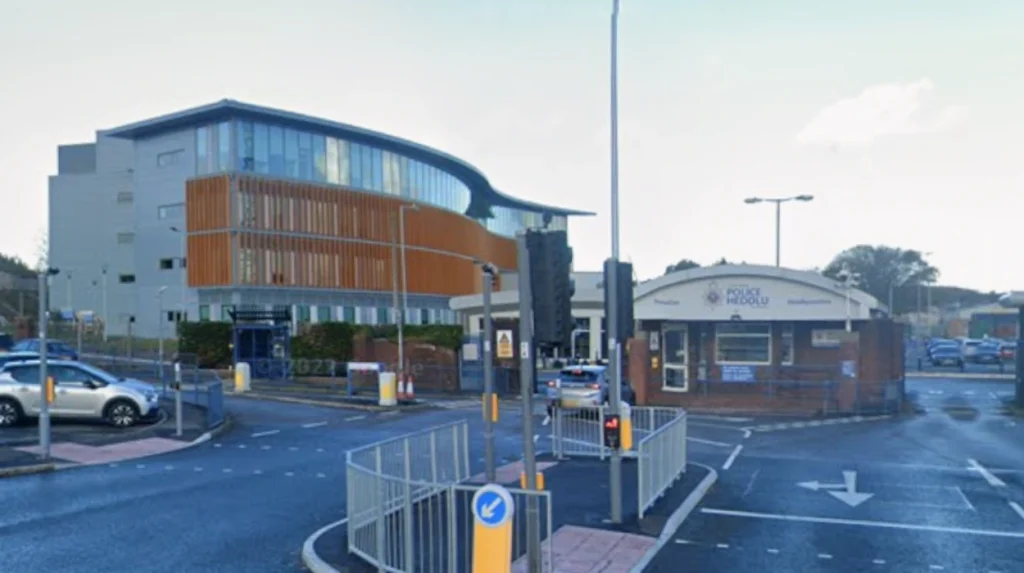
Closures happen because police and highways teams follow strict protocols. South Wales Police, for instance, cordon off southbound lanes towards Leckwith for forensics, vehicle recovery, and witness statements, as in a fatal 2025 incident that halted traffic for hours. Wet Welsh weather worsens skids on cambers near Culverhouse Cross, while peak rugby match days—like the 2026 Six Nations clash—pile on pressure, turning a single motorbike crash into city-wide stationary traffic. The “why” boils down to safety: partial closures risk secondary crashes from rubberneckers, so full stops prevent worse outcomes.
Immediate Traffic Knock-On Effects
When the A4232 closes, Cardiff feels it instantly. Southbound blockages push drivers onto the A48 Western Avenue or B4267 Leckwith Road, overwhelming these narrower alternatives. Inrix data from a 2026 M4-linked crash showed A4232 queues of 10-48 minutes spilling onto the A470, delaying city centre access by up to an hour.
Northbound reversals clog the M4 J33 slip roads, snarling westbound motorway traffic and forcing Swansea-bound drivers into lengthy detours via the A4119. Public transport suffers too—buses like the 13 and 91 divert through Butetown Tunnel or Lloyd George Avenue, skipping key stops and stranding passengers. Local businesses near Leckwith report 20-30% footfall drops during prolonged closures, as deliveries stall and workers arrive late. These effects cascade: a morning crash can bottleneck evening peaks, turning a 20-minute commute into two hours.
Historical Patterns and Peak Risks
Reviewing incidents reveals patterns. February 2026 saw multiple A4232 crashes amid stormy weather, with one blocking southbound fully and causing “very slow traffic” to Cardiff West. March 2026 updates noted northbound congestion from A48 to M4 J33, aligning with ongoing roadworks elsewhere. Rugby weekends amplify risks— a March 14, 2026, motorbike collision westbound halted fans en route to Wales vs Italy.
Data from roadworks.org and Traffic Wales highlights Fridays and event days as hotspots, with closures averaging 2-9 hours. Why? Fatigue from weekly commutes plus excitement-driven speeding. Long-term, post-2025 fatal crashes prompted calls for speed cameras and better signage, yet volumes keep rising with Cardiff’s population growth.
Navigating Diversions Effectively
Spotting a closure early is your best defence. Use apps like Waze or Google Maps, which flag A4232 issues in real-time, or Traffic Wales’ live cameras for visual confirmation. Official advice from South Wales Police urges avoiding the area entirely—head for the M4 east to J29 or A4160 Northern Avenue instead.
Practical tip: For southbound trips, pre-plan the A48 via Wenvoe—it’s longer but wider, dodging Culverhouse Cross bottlenecks. Northbound? Slip off at J34 and loop via B4265. Carry cashless payment for unexpected tolls on the M4. Families should pack snacks and charge devices; closures often trap you longer than expected. Local knowledge shines: Cardiff regulars swear by Penarth Road as a sneaky city entry during Leckwith shutdowns.
Broader Impacts on Daily Life
Beyond delays, A4232 closures strain emergency services and the economy. Ambulance response times to Cardiff Bay can double if diversions clog the A4232, as seen in a 2026 flash crash scenario. Businesses lose thousands—lorry drivers report fuel spikes from idling, while shops miss peak trade.
Residents in Twyn-Yr-Odyn or Leckwith face isolated access, with school runs disrupted and care packages delayed. Environmentally, stationary traffic pumps extra CO2; one 2026 queue equated to hundreds of idling cars. Councils push cycling lanes and bus priority, but until infrastructure catches up—like proposed A4232 widening—these crashes expose Cardiff’s reliance on this single thread.
Long-Term Fixes and Prevention Tips
Authorities aren’t idle. Traffic Wales invests in variable message signs and drone surveillance for quicker clearances. Cardiff Council monitors via roadworks.org, alerting on combined closures. Vale of Glamorgan adds bridge inspections to prevent structural fails.
Drive smarter: Maintain tyres for wet roads, keep 2-second gaps at 70mph, and avoid phones. Check forecasts—rain triples skid risks here. Support public transport: X8 buses bypass much A4232 grief. Advocating for rail expansions could ease road pressure long-term.
A4232 crash closures transform Cardiff’s traffic flow, from immediate gridlock on diversions like A48 and A470 to lingering economic hits for locals. We’ve seen how high volumes, weather, and events fuel frequent shutdowns, with examples like 2026’s southbound blocks proving the pattern. Practical steps—apps, alt routes, defensive driving—empower you to sidestep the worst.
Next time sirens wail on your commute, remember: preparation beats frustration. Cardiff’s roads evolve, but staying informed keeps you moving. Safe travels—here’s to smoother journeys ahead.