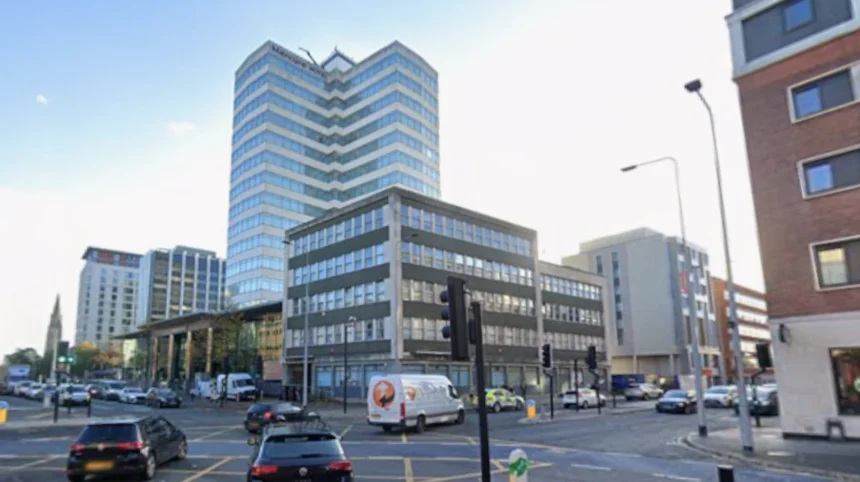
Imagine driving through Cardiff’s outskirts and spotting fresh rooftops rising against the Welsh skyline, a sign that the city’s housing boom is far from over. With demand for modern homes outpacing supply, new build developments are reshaping neighbourhoods across the capital. This article dives into the real hotspots where construction is underway right now, spotlighting projects that deliver energy-efficient homes, green spaces, and community-focused designs. We’ll explore why these areas are buzzing, what buyers can expect, and practical advice for getting involved—whether you’re a first-time buyer eyeing shared ownership schemes or a family seeking more space.
- Plasdwr: Cardiff’s Mega-Development in the North West
- Channel View Regeneration: Transforming Grangetown
- Eastern Suburbs: Kings Drive and Maple Fields
- Lisvane and Longwood Grange: Premium Northern Growth
- Cardiff Bay and Atlantic Wharf: Urban Waterfront Boom
- Bay Practical Tips for New Build Buyers
- Why Cardiff’s New Builds Matter Long-Term
Cardiff’s housing market thrives on its mix of urban vibrancy and suburban calm, but rising prices push more people toward new builds. These aren’t just houses; they’re built for today’s needs, with features like solar panels and smart tech baked in from day one. Over the next sections, we’ll map out the key development zones, from North West Cardiff’s expansive plans to eastern suburbs gaining family-friendly estates. You’ll get the facts on timelines, home types, and why these spots stand out in a competitive market.
Plasdwr: Cardiff’s Mega-Development in the North West
Plasdwr stands as one of Cardiff’s most ambitious projects, a sprawling 900-acre site in North West Cardiff poised to deliver up to 7,000 new homes over 15 years. This isn’t a quick flip; it’s a phased masterplan blending residential growth with countryside preservation, including parks, schools, and cycle paths. Developers like Redrow are already releasing phases through initiatives like First Homes Cardiff, where buyers snag a 70% equity share without rent or interest on the rest.
What sets Plasdwr apart is its focus on sustainability—homes here boast high energy ratings, cutting bills in a cost-of-living crunch. Early phases prioritise shared ownership to help key workers stay local, explaining why uptake has been swift. For instance, nearby Churchlands and Plas Ty Draw in Lisvane have sold out fast, proving demand for three- and four-bedroom semis in sought-after postcodes. If you’re house-hunting, check availability early; sites like devandregencardiff.co.uk list live plots.
Buyers love the connectivity—it’s a 20-minute drive to the city centre, with M4 access for commuters. But why here? Cardiff Council backs it to ease housing shortages, targeting 20% affordable units amid a city needing 1,500 new homes yearly. Tip: Visit on a weekend to see progress firsthand and chat with site managers about incentives like deposit unlocks.
Channel View Regeneration: Transforming Grangetown
Grangetown’s Channel View estate is undergoing a total overhaul, with planning approval for 228 new homes across six phases, plus upgrades to The Marl public space. Led by Wates Residential, phase one replaces ageing high-rises with 126 flats tailored for older residents, due by late 2026. This isn’t demolition for demolition’s sake; it’s regeneration that keeps families rooted, blending one- to five-bedroom options.

The “why” here ties to community resilience—existing tenants get priority moves into new builds, avoiding displacement. Energy-efficient designs mean lower running costs, vital as Cardiff’s average home energy bill hits £1,200 annually. Councillor Lynda Thorne calls it a benchmark for housing programs, with phase two flats eyed for 2027 completion.
Practically, this suits downsizers or young professionals near the bay. Proximity to Cardiff Bay jobs and trains makes it commuter gold. How to buy? Register with Cardiff Council for updates; shared equity spots fill fast. One example: Block B finishes this year, offering sea glimpses without the premium price tag of central spots.
Eastern Suburbs: Kings Drive and Maple Fields
On Cardiff’s eastern fringe, Kings Drive emerges as a family haven between the city and Newport. This development mixes two-, three-, and four-bedroom homes for sale or council rent, capitalising on the area’s schools and parks. Its historical nod—near old tram routes—pairs with modern builds, drawing professionals who want green space without isolation.
Maple Fields in Llanrumney complements this, rolling out two- to five-bedroom detached houses and townhouses. Shared facilities like play areas foster community, addressing why 60% of Cardiff families seek bigger homes. These spots thrive because east Cardiff offers value—average new build prices hover at £350,000 versus £450,000 citywide.
Connectivity shines: A-train links slash commutes to 15 minutes. For buyers, scout Cardiff Living’s site for plots; they prioritise energy-efficient specs like air-source heat pumps. Insight: These areas suit growing families as Llanrumney’s schools rank high, and plots include gardens rare in urban flats.
Lisvane and Longwood Grange: Premium Northern Growth
Lisvane, Cardiff’s affluent north, hosts Bellway’s Longwood Grange, where 144 of 270 homes are complete and occupied. Off Maerdy Lane, this 26-acre site mixes private and affordable units, on track for 2027 finish. Over half reserved already shows why premium suburbs pull buyers—larger plots, village vibes, yet city access.
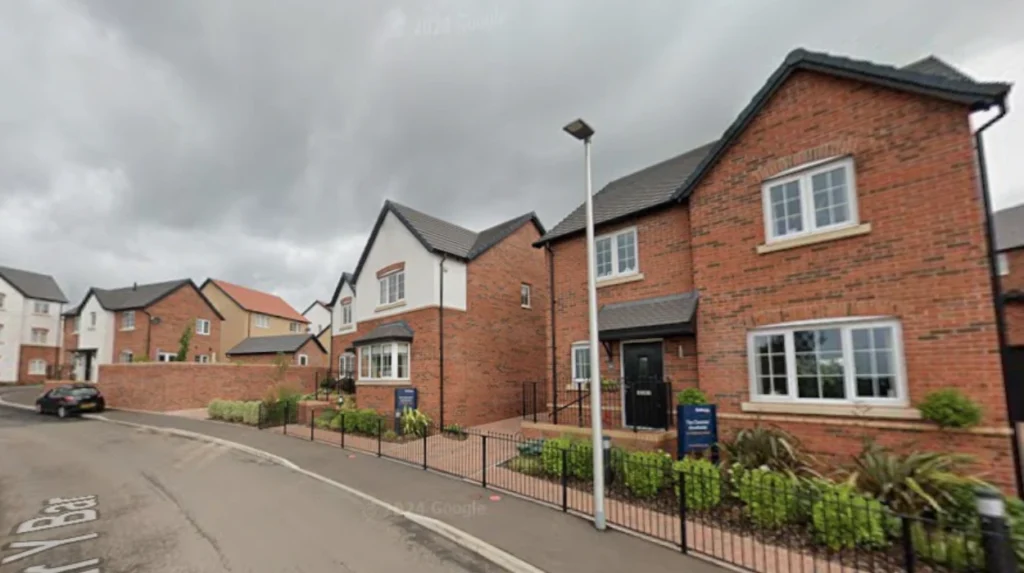
The appeal? Quiet countryside edges meet top schools, boosting resale values by 15% post-build. Longwood’s 216 private homes feature open-plan designs families crave, with 54 affordables ensuring balance. Developers explain progress via site visits; recent phases added 14 under-construction units.
For investors, northern Cardiff yields strong rental demand from Heathrow-bound workers. Tip: Factor in £5,000-£10,000 stamp duty relief for first-timers on sub-£425,000 homes. This zone proves new builds can blend luxury and locality seamlessly.
Cardiff Bay and Atlantic Wharf: Urban Waterfront Boom
Atlantic Wharf reimagines Cardiff Bay with a seven-year masterplan, phase one kicking off arena and hotel builds in 2025 for 2026 openings. Later phases add 150,000 sqm offices, a 150-bed hotel, and new homes tied to County Hall relocation. Central Quay nearby nears completion on ex-Brewery sites, birthing skyline-defining apartments.
Why invest here? Bay jobs in tech and finance drive demand—new homes promise walkable eateries and transport. Merchant Place’s redevelopment into a college campus by summer 2026 adds vibrancy, spilling benefits to nearby housing. Prices reflect premium: £400,000+ for two-beds, but yields beat suburbs.
Practical step: Track atlanticwharfcardiff.co.uk for phase four residential drops. These spots suit young pros, with EV charging and balconies standard. The “how” of success? Phased rollout matches infrastructure, avoiding oversupply.
Bay Practical Tips for New Build Buyers
Navigating Cardiff’s new homes market demands strategy. Start with affordability calculators on Rightmove, factoring 95% mortgages for first-timers. Shared ownership via First Homes Cardiff slashes deposits—70% purchase means £20,000 on a £300,000 home.
Visit sites unannounced to gauge build quality; check warranties like NHBC 10-year covers. Why timing matters: Spring releases often include free upgrades. For SEO-savvy searches, target “new build homes [area] Cardiff” to snag off-plan discounts up to 5%.
Legal tip: Instruct a solicitor early for plot-specific searches, as flood risks vary by site. Energy Performance Certificates average B-rated here, saving £400 yearly versus older stock. Tailor to needs—Plasdwr for space, Bay for buzz.
Why Cardiff’s New Builds Matter Long-Term
Cardiff’s new developments like Plasdwr’s 7,000 homes and Channel View’s 228 units tackle a chronic shortage, with city growth at 1.5% yearly fuelling demand. Northern spots like Longwood Grange and eastern enclaves such as Maple Fields offer variety, from family semis to bay apartments.
These aren’t fleeting trends; they’re planned for decades, weaving in green infrastructure amid net-zero goals. Buyers gain future-proof homes, councils ease lists, and communities thrive. Whether chasing Lisvane prestige or Grangetown value, act now—plots vanish fast in this boom.
For your next move, prioritise site visits and equity schemes. Cardiff’s evolution promises homes that grow with you, blending Welsh charm with modern edge. Keep an eye on council portals; the best phases sell out before cranes rise.