Rumney High School is a long‑established secondary‑education institution in the Rumney area of Cardiff, Wales, serving students aged 11–16 within the city’s local authority system. Over the past decade, the school has moved through a major structural change, including a merger with Llanrumney High School and the creation of a re‑branded site that now operates as part of Cardiff’s wider secondary‑school network. This article explains the current status of Rumney High School Cardiff, traces its recent history, outlines ongoing community concerns, and clarifies what this means for residents, parents, and local policymakers.
- What is Rumney High School and where is it located?
- What happened to Rumney High School in Cardiff?
- What is the current status of the Rumney High School site?
- What did Estyn reports say about Rumney High School?
- What were the key reasons for closing Rumney High School?
- What community concerns exist around the Rumney High School site?
- How have local authorities and police responded to safety issues?
- What does the Rumney High School closure mean for local families?
- How has the school’s performance developed since the merger?
- What are the long‑term implications for Cardiff’s education strategy?
- How can Cardiff residents stay updated on Rumney‑area school news?
What is Rumney High School and where is it located?
Rumney High School is a former secondary school in the Rumney district of Cardiff, traditionally located on Newport Road (postcode CF3 3XG) in the northeast of the city. The school enrolled pupils aged 11–16 under the Cardiff local‑authority–controlled education system and formed part of the wider complex that later hosted Llanrumney High School on a shared site.
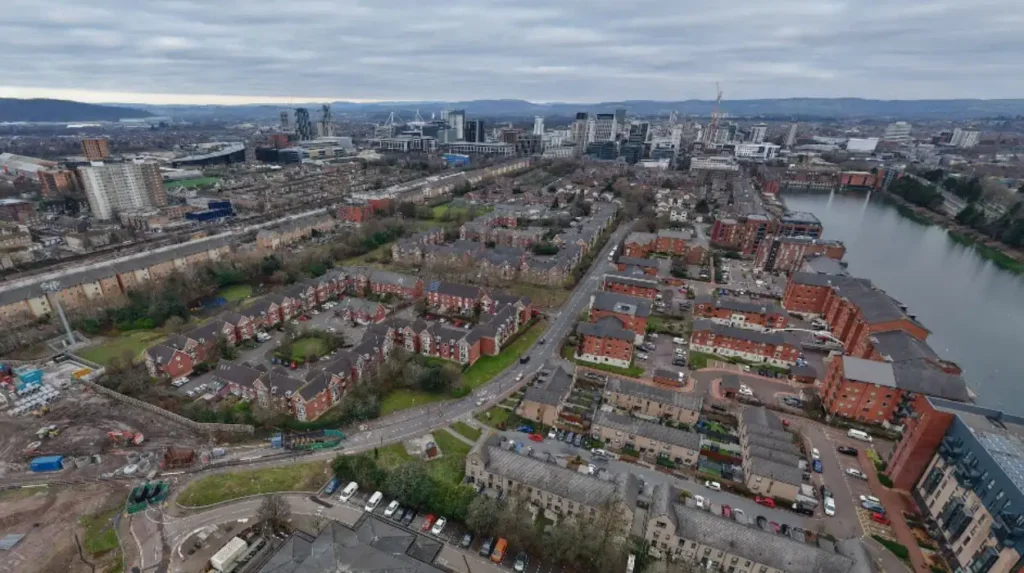
The site sits within the Rumney ward and is close to the Newport Road corridor, which links Cardiff city centre to the eastern suburbs. Before the reorganisation, the school population was in the mid‑hundreds, with Estyn inspection reports indicating under‑enrolment and under‑performance in the early 2010s. Under Welsh government policy, the school was closed, merged, and replaced by a new secondary school provision, meaning that “Rumney High School” now functions primarily as a historical and estate‑based entity rather than a standalone current school.
What happened to Rumney High School in Cardiff?
In 2013, Cardiff Council announced plans to close both Llanrumney High School and Rumney High School and open a new single secondary school on the Rumney site from September 2014. The decision followed an Estyn inspection that judged Llanrumney High School as “unsatisfactory” and likely to remain so, with falling pupil numbers and weak outcomes across key areas.
From September 2013, Llanrumney High pupils were transferred onto the Rumney High campus, creating a dual‑school‑on‑one‑site arrangement pending the full closure and rebranding. By September 2014, the merger was finalised, with the two former schools abolished and replaced by a new institution that operates under a different name and governance structure within Cardiff’s secondary‑school framework. As a result, “Rumney High School” ceased to exist as an independent legal entity, although the physical buildings and campus remain in active educational use.
What is the current status of the Rumney High School site?
Today, the former Rumney High School site on Newport Road functions as part of the merged secondary‑school campus that succeeded the standalone Rumney and Llanrumney High Schools. The campus continues to serve secondary‑aged pupils under the Cardiff Council education portfolio, with updated leadership, governance, and inspection arrangements aligned with Welsh Government standards.
The Welsh Government and Cardiff Council have not re‑opened Rumney High School as a separate institution; instead, the site is treated as a consolidated secondary‑school campus within the local authority’s strategic school‑estate plan. This means that news and inspections published from 2014 onward refer to the new merged school and not to the pre‑2013 “Rumney High School” entity. Parents and residents in Rumney and Llanrumney now interact with the post‑merger school when discussing placements, admissions, and Ofsted/Estyn‑style reviews.
What did Estyn reports say about Rumney High School?
Estyn is the official education inspectorate for Wales, responsible for evaluating schools, further education, and local authority education services. When Estyn inspected Llanrumney High School in the early 2010s, it found “unsatisfactory” standards across measures including teaching quality, pupil outcomes, and leadership, directly influencing the closure and merger decision.
Because Rumney High School and Llanrumney High School were scheduled to merge, the Welsh Government’s written statement focused more on the collective weaknesses of the two institutions rather than on Rumney High alone. However, the statement made clear that both schools were under‑performing and that the combined site would only be viable if restructured into a single new school under strengthened governance and curriculum planning. Post‑merger inspections of the new school have since shown gradual improvement, with the institution moving out of “special measures” after several years of targeted intervention.
What were the key reasons for closing Rumney High School?
The primary reasons given for closing Rumney High School and merging it with Llanrumney High School were falling pupil numbers, weak attainment, and unsatisfactory inspection outcomes. Estyn had judged Llanrumney High School as needing “special measures,” and enrolments at both sites were below capacity, making the dual‑school model financially and educationally unsustainable.
Cardiff Council also cited the need to rationalise the city’s secondary‑school estate to reflect demographic change and to concentrate resources on fewer, stronger institutions. By consolidating the two schools onto one campus, the council aimed to reduce duplication in staffing, facilities, and administration while improving the quality of teaching and pastoral support for pupils. For residents in Rumney and Llanrumney, the closure meant that school‑placement decisions shifted from choosing between two separate high schools to engaging with a single, restructured secondary school on the same site.
What community concerns exist around the Rumney High School site?
Residents in Rumney and Llanrumney have raised several recurring concerns about the former Rumney High School site and its post‑merger use. These include worries about safety (especially around school entrances and after‑school gatherings), perceived levels of discipline and antisocial behaviour, and communication from school leadership and local councillors.
Online community forums and local‑authority‑related social‑media posts show parents asking about bullying, racism‑related incidents, and the adequacy of safeguarding measures at the merged school. Some parents in the Rumney area have reported difficulties in transferring children to other Cardiff secondary schools, which they attribute to catchment boundaries and limited transport options linked to the Newport Road campus. These concerns are not unique to the Rumney site but are amplified by the area’s history of socio‑economic challenges and the visibility of the large campus on a busy road.
How have local authorities and police responded to safety issues?
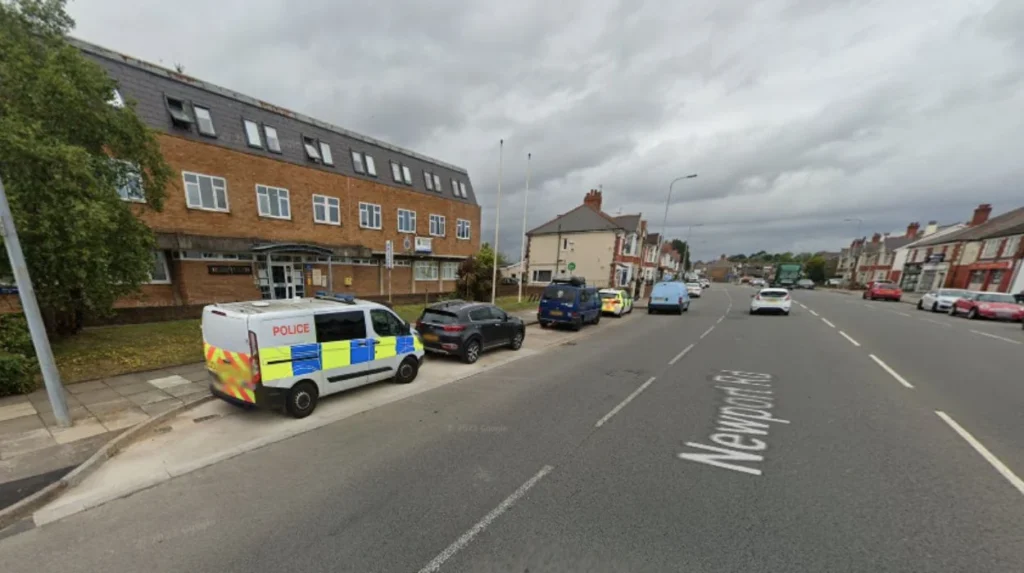
Cardiff Council and South Wales Police have both issued statements and guidance in response to wider safety concerns at Cardiff schools, including those near the Newport Road corridor. In specific cases, such as online‑threat‑related closures at other Cardiff secondaries, police have worked with the council to assess risk, deploy officers, and provide daily updates to parents and staff.
For the Rumney‑Llanrumney corridor, councillors have encouraged parents to report incidents of bullying, harassment, or threats through both school channels and local‑authority safeguarding teams. South Wales Police have emphasised that online threats and attempts to organise fights between pupils are treated as criminal matters and can lead to arrests and prosecutions, even when no physical harm occurs. This approach seeks to reassure families that reported concerns are acted upon while discouraging copy‑cat behaviour among young people.
What does the Rumney High School closure mean for local families?
For families in Rumney, the closure of Rumney High School and its full merger into a new secondary school altered the educational landscape in several concrete ways. Parents who previously chose between two local high schools now navigate a single school on the Newport Road campus, with admissions and catchment‑area rules administered by Cardiff Council’s education department.
The change also affected travel patterns, with more pupils from both Rumney and Llanrumney using the same main campus, sometimes requiring revised bus routes or walking arrangements. In practice, some parents have opted to seek places at other Cardiff secondaries outside the immediate Rumney catchment, citing concerns about behaviour, transport, or perceived academic standards at the merged school. For the wider community, the consolidation has reduced the number of nearby secondary options but has allowed council planners to invest more deeply in fewer sites, including the Newport Road campus.
How has the school’s performance developed since the merger?
Estyn’s subsequent reports on the merged secondary school at the former Rumney High School site indicate a trajectory from “special measures” to gradual improvement. Inspectors have highlighted enhanced leadership, more consistent teaching quality, and better pupil support systems as key drivers of progress.
However, performance remains uneven across subjects and year groups, reflecting the underlying socio‑economic challenges faced by many pupils in the Rumney and Llanrumney areas. The school has implemented targeted interventions such as literacy and numeracy programmes, behaviour‑support initiatives, and stronger careers and post‑16 guidance to address these gaps. For Cardiff policymakers, the post‑merger performance of the Newport Road site serves as a case study in how structural reform (closure and consolidation) can support, but not instantly solve, entrenched educational disadvantage.
What are the long‑term implications for Cardiff’s education strategy?
The closure of Rumney High School and its integration into a larger secondary‑school campus reflects Cardiff Council’s broader strategy of reducing the number of under‑performing or under‑filled secondary schools. This approach aligns with Welsh Government guidance on school reorganisation, which encourages local authorities to consolidate provision where pupil numbers and standards justify a merger.
For Cardiff as a whole, the Rumney‑Llanrumney case illustrates how merger decisions can free up resources for modernisation, staff development, and targeted support for disadvantaged pupils. At the same time, it shows that construction and estate‑management debates, transport logistics, and community attachment to school identities can prolong controversy even after inspections show improvement. Future Cardiff education planning is likely to continue using vacancy rates, Estyn findings, and projected population trends to decide whether to open, close, or merge schools in other areas.
How can Cardiff residents stay updated on Rumney‑area school news?
Cardiff residents can track the latest information on the former Rumney High School site and the current merged secondary school through several official channels. These include the Cardiff Council education webpage, the current school website, and local‑authority‑hosted newsletters and parent‑mailing lists, which report on enrolment figures, inspection outcomes, and campus‑related projects.
Parents and guardians can also contact the school directly via the Newport Road campus phone number and reception channels listed on public directories. For broader policy context, Welsh Government publications and Estyn inspection reports provide open‑access summaries of how the Rumney‑Llanrumney campus fits within national education standards and improvement frameworks. Community‑interest groups, ward‑councillor updates, and local‑news outlets such as regional newspapers and BBC Wales further supplement these official sources with real‑time commentary and alerts about safety or infrastructure issues.