A violent incident in Grangetown has drawn significant attention across Cardiff, raising concerns about public safety and prompting a detailed police investigation. While such events are rare in the area, the seriousness of a stabbing incident naturally leads to questions from residents, commuters, and local businesses alike. What exactly happened? What have the police confirmed so far? And how is the situation being handled on the ground?
This provides a clear and factual overview of the Grangetown stabbing investigation, focusing on confirmed information, the police response, and the broader context of crime and safety in Cardiff. It also explores how incidents like this are investigated in the UK and what it means for local communities moving forward.
What Happened in Grangetown
The incident took place in Grangetown, a densely populated and diverse district located just south of Cardiff city centre. Emergency services were called following reports of a stabbing, with police and paramedics arriving swiftly at the scene.
According to initial reports, the victim sustained serious injuries and was transported to hospital for treatment. The exact circumstances leading to the stabbing have not been fully disclosed, but authorities have confirmed that an active investigation began immediately after the incident.
Grangetown is known for its strong community ties and busy residential streets, which makes such incidents particularly alarming. While Cardiff generally maintains lower violent crime rates compared to larger UK cities, isolated incidents like this can still have a strong local impact.
What Police Have Confirmed So Far
South Wales Police have released limited but important details as part of their ongoing investigation. Officers confirmed that the incident is being treated as a serious assault involving a bladed weapon. A crime scene was established shortly after the event, with forensic teams examining the area for evidence.
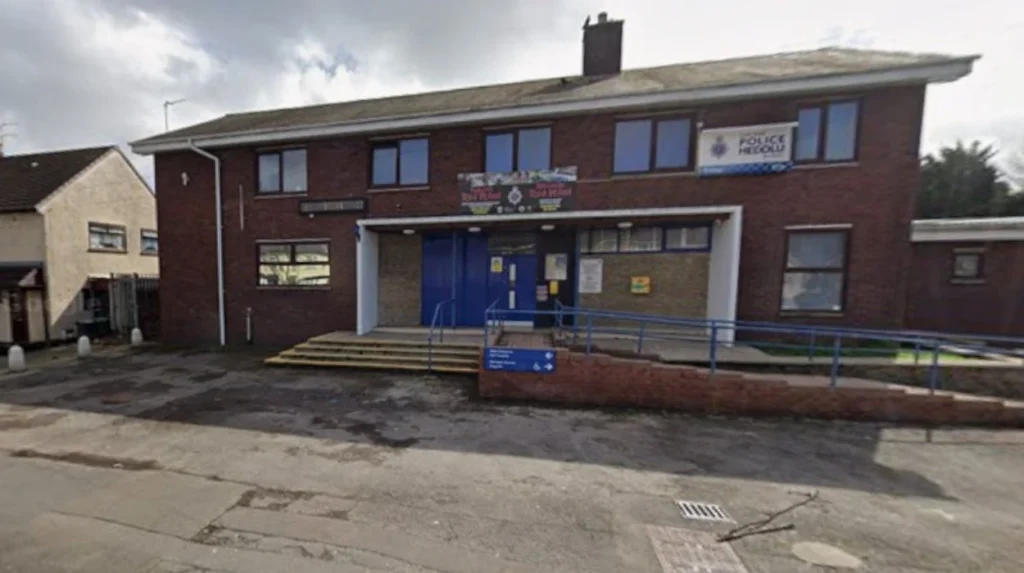
Authorities have also confirmed whether any arrests have been made, although details about suspects are often withheld at early stages to protect the integrity of the investigation. In many cases, police rely on CCTV footage, witness statements, and forensic analysis to build a clear timeline of events.
Residents in the immediate vicinity may have noticed an increased police presence, including road closures and patrols. This is a standard procedure in serious cases and helps both preserve evidence and reassure the public.
Police have urged anyone with information to come forward, highlighting the importance of community cooperation in solving crimes of this nature.
How Stabbing Investigations Work in the UK
Understanding how these investigations unfold can provide useful context. In the UK, stabbing cases are treated with high priority due to their potential severity and public safety implications.
Once a report is received, officers secure the scene and ensure medical assistance for victims. Specialist units, including forensic teams, are deployed to collect evidence such as fingerprints, DNA, and weapon traces. CCTV plays a crucial role, particularly in urban areas like Cardiff where surveillance coverage is widespread.
Investigators typically work to establish three key elements: motive, suspect identification, and sequence of events. This involves interviewing witnesses, reviewing digital evidence, and sometimes appealing to the public for information.
According to UK crime data, knife-related offences have fluctuated over recent years, with police forces placing increased focus on prevention and rapid response. While Cardiff does not experience the same levels of knife crime as cities like London or Birmingham, each incident is treated with the same level of seriousness.
Impact on the Local Community
Incidents like the Grangetown stabbing can have a ripple effect beyond the immediate victim and their family. Residents often report feelings of anxiety, particularly if the event occurs in a familiar or frequently visited area.
Local businesses may also experience temporary disruption, especially if police cordons limit access. Schools and community centres in the area sometimes increase communication with families to provide reassurance and guidance.
However, it is important to recognise that communities like Grangetown are resilient. Local organisations, neighbourhood groups, and authorities often work together following such incidents to restore a sense of safety and normality.
In many cases, increased police visibility in the aftermath helps deter further incidents and reassures residents that the situation is under control.
Crime Trends in Cardiff and South Wales
To understand the broader picture, it helps to look at crime trends across Cardiff and South Wales. Official statistics indicate that while certain categories of crime have seen periodic increases, violent crime involving weapons remains relatively contained compared to national averages.
For example, South Wales Police data has shown that knife crime accounts for a small percentage of overall offences, although each case understandably attracts significant public attention. Authorities continue to invest in early intervention programmes, youth outreach, and targeted policing to prevent escalation.
Grangetown itself is a vibrant area with a diverse population, and most residents experience it as a safe place to live and work. Isolated incidents, while serious, do not necessarily reflect a wider pattern of ongoing danger.
Why Police Limit Early Information
One common question during investigations is why police do not immediately release full details. While this can be frustrating for the public, there are important reasons behind this approach.
Premature disclosure of information can compromise evidence, influence witness testimony, or alert potential suspects. In some cases, misinformation can spread quickly, particularly on social media, which makes controlled communication even more critical.
Police typically provide updates once key facts are verified and when doing so will not jeopardise the investigation. This measured approach helps ensure that any legal proceedings that follow are based on reliable and admissible evidence.
Public Safety and What Residents Can Do
While the investigation continues, residents often look for ways to feel more secure. Basic awareness plays a key role in maintaining safety, particularly in urban environments.
Staying informed through official police channels rather than relying on rumours is essential. South Wales Police regularly provide updates via their website and social media platforms, offering verified information and advice.
It is also helpful for residents to report suspicious activity promptly. Community vigilance, when paired with effective policing, significantly improves response times and outcomes.
For those concerned about personal safety, simple measures such as avoiding poorly lit areas at night and staying aware of surroundings can make a difference. Community engagement, including neighbourhood watch initiatives, also contributes to a stronger sense of collective security.
The Role of Media and Public Awareness
Media coverage of incidents like the Grangetown stabbing plays a dual role. On one hand, it informs the public and encourages witnesses to come forward. On the other, excessive speculation can create unnecessary fear or spread inaccuracies.
Responsible reporting focuses on verified facts and avoids sensationalism. For readers, it is important to distinguish between confirmed updates and unverified claims, particularly on social media platforms.
Search interest in terms like “Grangetown stabbing Cardiff,” “South Wales Police investigation,” and “Cardiff crime news” often spikes following such incidents, highlighting the public’s need for reliable information.
This is where clear, fact-based articles can provide real value by cutting through noise and presenting a balanced view of the situation.
The Grangetown stabbing investigation remains an evolving situation, with South Wales Police continuing their work to establish exactly what happened and hold those responsible accountable. While confirmed details are still limited, the response so far reflects standard UK policing procedures in serious cases.
For residents in Cardiff, the incident is understandably concerning, but it is important to view it within the broader context of overall safety in the city. Grangetown remains a strong and connected community, and efforts from both authorities and locals play a vital role in maintaining that stability.

As more information becomes available, staying informed through trusted sources will be key. Incidents like this highlight not only the importance of effective policing but also the resilience and cooperation that define communities across Cardiff.