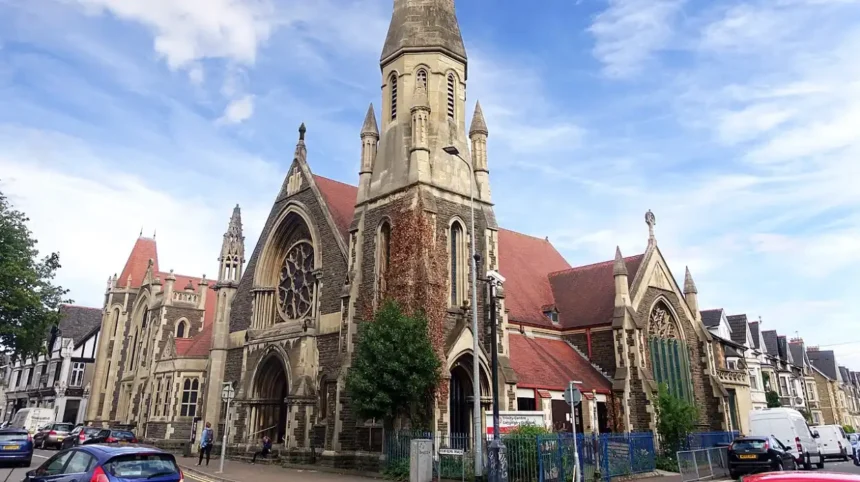
Adamsdown Gospel Hall is a Christian place of worship situated in the Adamsdown district of Cardiff, Wales. Established during the nineteenth century, the hall serves as a local gathering point for the Open Brethren movement, emphasizing biblical teaching and community.
Adamsdown Gospel Hall is a non-denominational evangelical Christian assembly located at Kames Place, Adamsdown, Cardiff, CF24 0HB. Situated in one of Cardiff’s oldest inner-city wards, the hall has served as a spiritual home for Christians in Cardiff for over 160 years, making it one of the longest-standing gospel works in South Wales. The district of Adamsdown underwent rapid industrialization during the mid-Victorian era to support Cardiff’s growing docklands, once the coal-exporting capital of the world. As the population expanded, various religious organizations established meeting places to serve the working-class community.
The Gospel Hall Cardiff became a defining fixture of this neighbourhood, representing the rise of non-conformist and New Testament Christianity across South Wales. Historical records place the hall’s origins firmly within the Open Brethren tradition branch that emerged from the wider Plymouth Brethren movement in the 1840s. This movement sought to restore the simplicity of the early church, prioritizing the priesthood of all believers over a formal clergy. The building reflects this theological commitment through its modest, functional design, a chapel built for the Word of God, not ornament.
Who are the Plymouth Brethren and how do they use the hall?
The Plymouth Brethren are a low-church Christian movement who use Adamsdown Gospel Hall as their primary meeting place for weekly worship, communion, and Bible study. At the heart of their practice is the Breaking of Bread, a communion service conducted every Sunday morning without an ordained or professional minister.
The Plymouth Brethren movement began in the early nineteenth century as a reaction against the ritualism of the Church of England. The assembly at Adamsdown follows the Open Brethren branch, which takes a more inclusive and community-facing approach to fellowship compared to Exclusive Brethren groups. Visitors to Cardiff, whether students, professionals relocating to the area, or those simply exploring faith, are warmly welcomed. A letter of commendation is appreciated for those who are already believers in the Lord Jesus Christ.
Rather than a priest or vicar, members of the Adamsdown Assembly lead prayers, read scripture, and share testimonies, reflecting a democratic approach to New Testament worship. The hall’s main sanctuary and smaller meeting rooms support this structure throughout the week.
The weekly schedule at Adamsdown Gospel Hall, Cardiff, includes:
- 10:30 am Sunday — Breaking of Bread: The congregation gathers around a central table to share bread and wine in remembrance of the Lord Jesus Christ, as commanded in scripture.
- 12:00 pm Sunday — Sunday School Cardiff (September to July): Bible stories, quizzes, singing, and memory verses for children of all ages in a fun, 45-minute session.
- 2:00 pm Sunday — Bible Class (September to July): An in-depth study of the Word of God for adults.
- 6:30 pm Sunday — Gospel Meeting Cardiff: Each week the hall opens its doors so that anyone can come and hear the gospel — God’s good news for all of humanity. Once a month, refreshments follow the service.
- 7:30 pm Tuesday — Prayer Meeting / Bible Teaching (September to May; Monday June to August): The congregation intercedes together and studies scripture with teachers from Adamsdown and other Christian assemblies in Cardiff.
Because the Brethren do not follow a formal liturgical calendar, the focus remains on consistent, year-round study of scripture. Beyond spiritual gatherings, the hall acts as a close-knit social hub, providing practical and emotional support to families across the Adamsdown ward, reinforcing the assembly’s commitment to fraternal charity and communal care.
What is the architectural style of the Adamsdown Gospel Hall building?
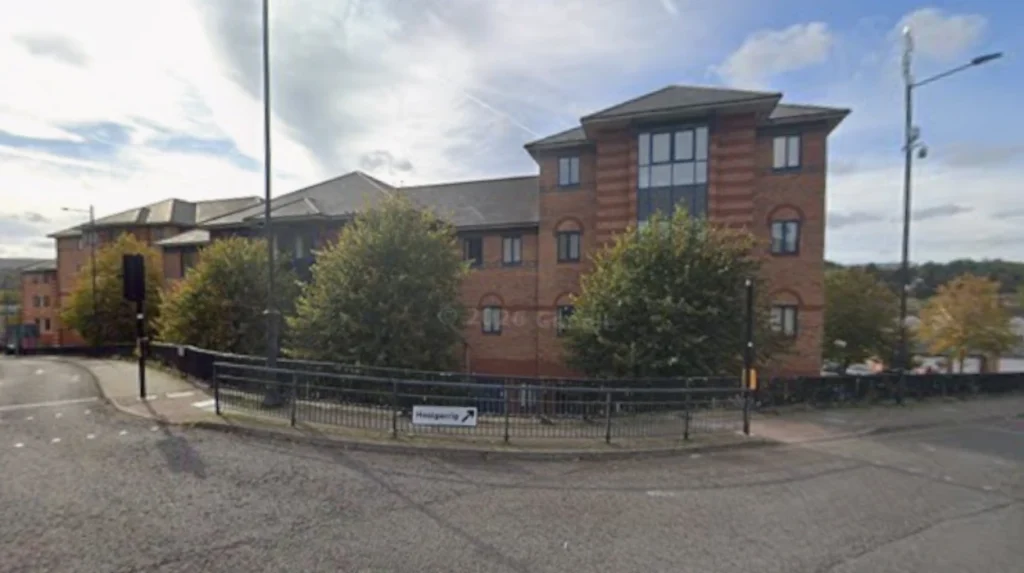
Adamsdown Gospel Hall features the traditional vernacular chapel architecture characteristic of Welsh non-conformist buildings from the late 1800s. Located on Kames Place in Adamsdown, the structure sits within a ward bordered by Roath to the north and Cardiff city centre to the west.
The design reflects the aesthetic values of evangelical movements that prioritized spiritual substance over ornate decoration. In the tradition of Welsh chapel architecture, this style is often described as Simple Gothic or Classical Vernacular symmetrical facades, a central entrance, and tall arched or lancet windows that flood the interior with natural light, without the use of stained glass or icons.
Inside, the Gospel Hall Cardiff is arranged for acoustic clarity, ensuring every member can hear the spoken word. Seating is oriented toward the central communion table, a deliberate layout that reinforces the theological priority of the Lord’s Supper and the Word of God over ceremonial ritual.
The building materials, sourced from local quarries, link the physical structure to the geology of the Cardiff region. Over time, the hall has been maintained to modern safety standards while preserving the character of the original building updated heating, lighting, and accessibility features have been introduced without compromising its historic exterior.
While many larger chapels across Wales have been converted into apartments or community venues, the Adamsdown Gospel Hall continues to operate for its original purpose a rare and notable example of Victorian religious architecture still in active use. It stands as a visible reminder of the era when Cardiff was the coal capital of the world and Christian assembly life was the cornerstone of community.
How does Adamsdown Gospel Hall impact the local Cardiff community?
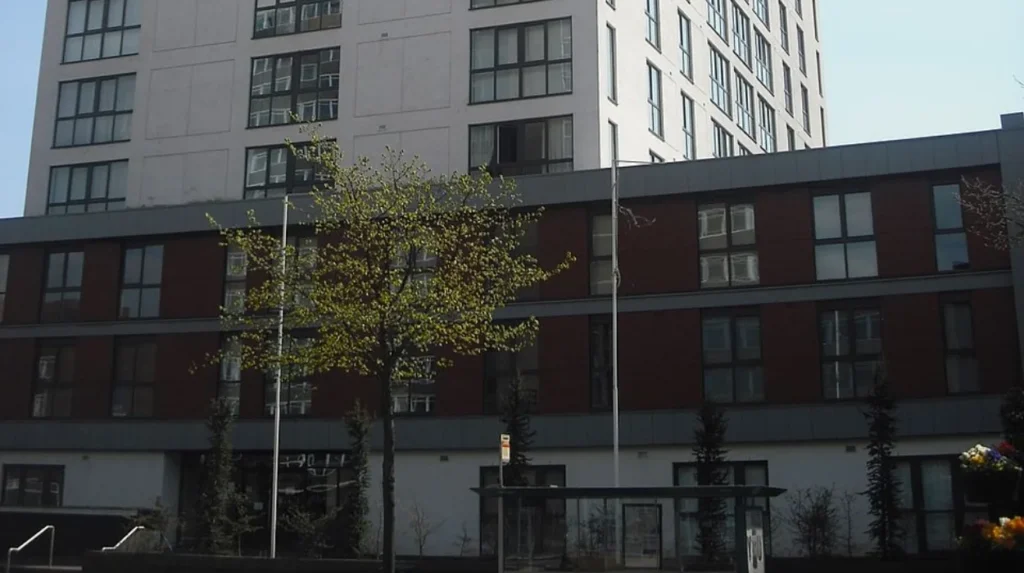
The Adamsdown Gospel Hall impacts the local community by providing social services, youth programs, and a stable environment for spiritual growth. It functions as a community anchor that offers moral guidance and practical support to the diverse population of Adamsdown.
The outreach programs at Adamsdown Gospel Hall are designed to address the specific needs of the local urban population. This includes the operation of Sunday Schools and youth clubs that provide a safe environment for children to engage in recreational and educational activities. By offering these programs, the hall helps to foster a sense of belonging and discipline among the younger residents of the district. The congregation also engages in pastoral care, visiting the elderly and providing assistance to those facing economic hardship. In a district like Adamsdown, which has historically faced social and economic challenges, the presence of a stable community organization is vital.
The hall acts as a bridge between different social groups, promoting values of integrity and compassion. While the primary mission is spiritual, the secondary effects of their work contribute to the social cohesion of the neighborhood. The members are encouraged to be active citizens, contributing to the welfare of Cardiff through various charitable initiatives and volunteer efforts.
Furthermore, the Adamsdown Gospel Hall serves as a venue for public lectures and community meetings that discuss ethical and social issues. By providing a platform for dialogue, the hall encourages residents to reflect on their roles within the broader society. The hall’s commitment to transparency and openness allows it to maintain a positive relationship with local authorities and other community groups. This collaborative spirit is essential for addressing complex urban issues such as poverty and social isolation.
The hall also plays a role in preserving the cultural memory of the area, as many long-term residents have personal or familial connections to the building. Its continued operation provides a sense of continuity in a rapidly changing city. Through its various ministries, the hall promotes a message of hope and transformation that resonates with individuals seeking purpose. The impact of the Adamsdown Gospel Hall is therefore measured not only in its religious attendance but also in the tangible improvements it brings to the lives of its neighbours.
How can I attend or contact Adamsdown Gospel Hall?
Adamsdown Gospel Hall is located at Kames Place, Adamsdown, Cardiff, CF24 0HB. All gospel meetings and Sunday services are open to the public; no prior arrangement is needed to attend a Gospel Meeting in Cardiff on Sunday evenings at 6:30 pm.
For students arriving in Cardiff or those moving into the area, the assembly extends a particular welcome. Those who are already believers are encouraged to bring a letter of commendation from their home assembly. For further information, you can write to the assembly at the Kames Place address.
This could include collaborative projects with other local charities or participation in city-wide initiatives. By remaining an active and visible participant in Cardiff’s social landscape, the hall ensures its place in the city’s future. The historical significance of the site, combined with a forward-looking approach to ministry, positions Adamsdown Gospel Hall as a lasting institution. It will continue to provide a space for spiritual reflection and community service for many years to come.
Is Gospel Hall Protestant?
The Adamsdown Gospel Hall is an evangelical Protestant place of worship affiliated with the Open Brethren movement. It rejects central ecclesiastical authority, emphasizing the supreme authority of the Bible and the direct priesthood of all believers during their communal services.
What are the transport links in Adamsdown?
Adamsdown features robust transport links including frequent Cardiff Bus services via Newport Road and Metal Street. The district is within walking distance of Cardiff Queen Street and Central stations, providing residents with direct access to local and national rail.
What is the best primary school in Birmingham?
According to 2025 performance data, Harborne Primary School and St Mary’s CE Primary are among the top-ranked schools in Birmingham. These institutions are recognized for high literacy rates, outstanding Ofsted ratings, and exceptional pupil progress across the city region.
What is the community like in Adamsdown?
The Adamsdown community is a diverse, inner-city neighborhood characterized by a young population and a multicultural demographic. It remains a historic working-class suburb that has undergone significant urban regeneration, blending residential housing with educational and healthcare institutions like CRI.