
Student life at Cardiff University blends rigorous academics, vibrant social scenes, and city-center convenience. Cardiff University, a public research university founded in 1883, hosts 33,985 students across its campuses in Cardiff, Wales.
- Where is Cardiff University located and what defines its campus?
- Campus Layout and Key Facilities
- Integration with Cardiff City
- What academic experience do Cardiff University students have?
- Teaching Structure and Workload
- Academic Support Mechanisms
- What accommodation options exist for Cardiff University students?
- Hall Types and Costs
- Application and Allocation Process
- What social life and societies does Cardiff offer students?
- Societies and Clubs Structure
- Events and Nightlife Integration
- What support services help Cardiff University students?
- Health and Wellbeing Mechanisms
- Career and International Aid
- What daily routine do typical Cardiff University students follow?
- Sample Weekly Breakdown
- Variations by Year and Discipline
- How diverse is the student body at Cardiff University?
- Composition Breakdown
- Inclusivity Initiatives
- What is the cost of living for Cardiff University students?
- Expense Categories
- Funding Processes
- What nightlife and entertainment await Cardiff University students?
- Venue Types and Schedules
- Safety and Transport
- How does Cardiff University prepare students for careers?
- Programs and Partnerships
- Outcomes Data
Where is Cardiff University located and what defines its campus?
Cardiff University sits in Cardiff city center, Wales, UK, with its main campus spanning Cathays Park and adjacent areas. This city-campus setup integrates academic buildings, student housing, and urban amenities within walking distance, fostering daily variety through nearby shops, parks, and nightlife. Facilities include modern libraries and sports centers serving 33,985 students effectively.
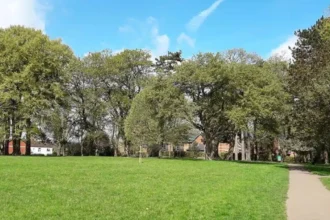
Cardiff University occupies a 52-acre main campus in Cardiff’s civic center. Cathays Park houses historic buildings like the Main Building, constructed in 1909, alongside newer structures such as the Science Library opened in 2010.

Campus Layout and Key Facilities
The campus divides into academic zones, student hubs, and residential areas. The Students’ Union (SU), established in 1927, anchors social life at the heart of campus. It features bars, event spaces, and over 170 societies. Libraries provide 2.5 million books and 1,400 study spaces. Sports facilities encompass a 50-meter pool and 12 squash courts at Cardiff International Pool, shared with the city.
Integration with Cardiff City
Proximity to Cardiff Central railway station, 0.5 miles away, aids travel. Bute Park, a 130-acre green space, borders the campus for recreation. This urban embedding exposes students to professional environments like the Senedd, Wales’ parliament, 1 mile distant.
Daily navigation relies on Flat Holm pedestrian routes and free campus buses. Implications include reduced commute times—averaging 10 minutes—and heightened city engagement, boosting employability through local networks.
What academic experience do Cardiff University students have?
Cardiff University students pursue 400+ undergraduate and 300+ postgraduate programs across 27 schools, emphasizing research-led teaching. Contact hours average 15-20 weekly, with small-group seminars and labs. Support includes 24/7 library access and academic advisors, yielding 91% student satisfaction in National Student Survey 2025 data.
Cardiff University ranks 10th in the UK for research power per Research Excellence Framework 2021. Schools span medicine, engineering, social sciences, and arts.
Teaching Structure and Workload
Undergraduates follow a modular system with 120 credits per year. Lectures hold 100-300 students; tutorials limit to 10. Postgraduate taught programs last 12 months, featuring dissertations worth 60 credits.
Assessment mixes exams (40%), coursework (40%), and presentations (20%). Medicine students complete 5,500 clinical hours over six years.
Academic Support Mechanisms
The Academic Skills team offers workshops on essay writing and data analysis. International students access pre-sessional English courses. Retention stands at 96.5% after year one.
Real-world examples include the Santandar Creativity Travel Award funding 200 student projects yearly. Implications feature high graduate employability—95% in work or study 15 months post-graduation—driven by placements at firms like BBC Wales.
What accommodation options exist for Cardiff University students?
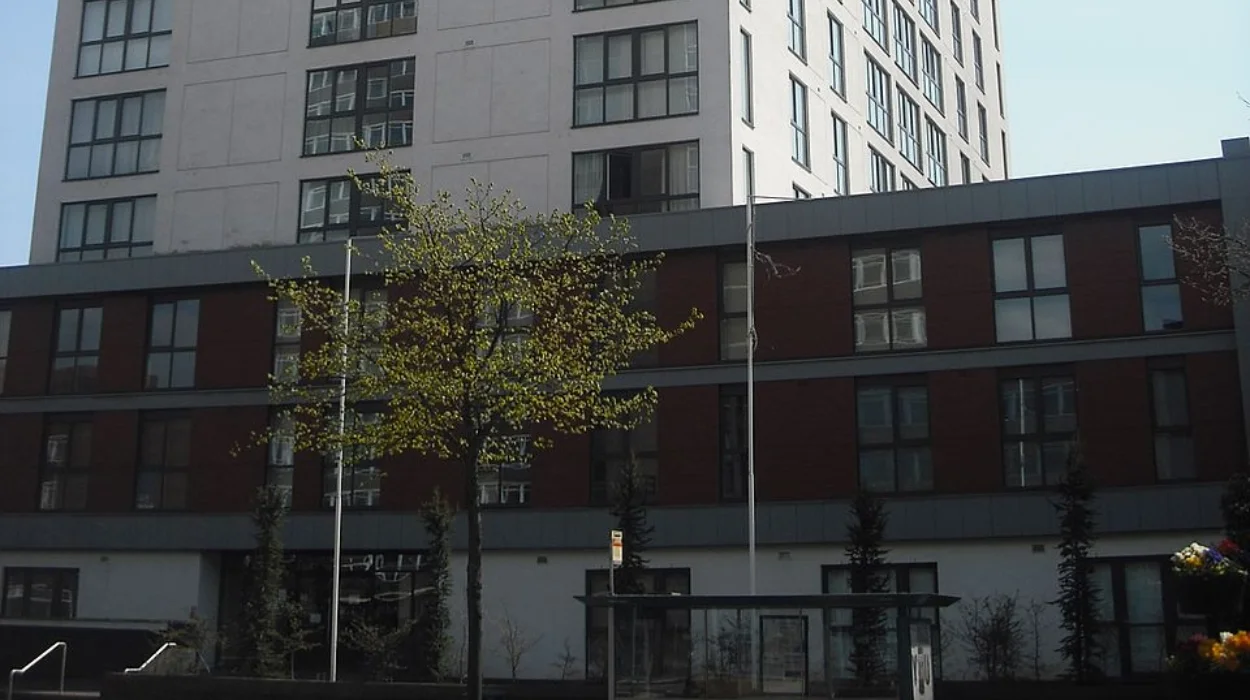
Cardiff University guarantees first-year housing for 5,500 undergraduates in 20+ halls across Cathays, Roath, and Talybont. Options range from en-suite rooms at £5,500-£7,000 yearly to self-catered clusters. Post-first-year, 70% opt for private rentals averaging £500 monthly, with university contracts ensuring standards.
University-managed halls house 7,000 students total. Talybont North and South, largest site, accommodates 3,000 in four- to six-bed flats.
Hall Types and Costs
En-suite rooms dominate, with 80% availability. Standard rooms share bathrooms for four. Prices fix via 51-week licenses; 2026/27 rates start at £132 weekly.
Catered options at Aberconway Hall serve 400 meals daily. Private sector includes purpose-built blocks like iQ Student Accommodation, 0.3 miles from campus.
Application and Allocation Process
Offers base on UCAS personal statements and preferences submitted by June. Deposits secure places at £300. Maintenance loans cover up to 100% for eligible students.
Examples: Cathays terraces suit social groups; Talybont appeals to quiet studiers. Implications involve community building—90% report friendships formed in halls—and budgeting discipline from fixed costs.
What social life and societies does Cardiff offer students?
Cardiff University students join 170+ societies and 60 sports clubs via the SU, hosting 1,000+ events yearly. Nightlife thrives in Cathays and city center with 50+ bars; freshers’ week draws 10,000. Diversity shines through 30% international cohort from 150 countries.
The SU, multi-award-winning, budgets £2 million annually for activities.
Societies and Clubs Structure
Academic societies like Law Society run moot courts; cultural ones such as Malaysian Society organize festivals. Sports clubs compete in BUCS leagues, with netball claiming national titles in 2024.
Events and Nightlife Integration
Freshers’ Fair spans three days, signing up 80% of new students. Weekly SU nights feature themed parties; Varsity matches against rivals draw 5,000. City venues like Clwb Ifor Bach host gigs.
Examples: Animation Society produces short films; Climbing Club accesses local crags. Implications include skill development—leadership roles enhance CVs—and mental health benefits from 85% reporting reduced isolation.
What support services help Cardiff University students?
Cardiff University provides counseling, disability services, and career advice to 33,985 students. Infirmary treats 15,000 appointments yearly; 24/7 mental health line operates. International office aids 10,000 non-UK students with visas and orientation.
Student Support team employs 100 staff across hubs.
Health and Wellbeing Mechanisms
GP services at Health Centre handle 40,000 consultations annually. Counseling waits average two weeks; peer support trains 500 volunteers.
Career and International Aid
Careers Service hosts 2,000 employer events; 90% placement rate links to 5,000 firms. International scholars receive £1,500 arrival grants.
Examples: Dyslexia screening for 1,200 students; visa clinics processing 3,000 cases. Implications encompass retention—97% first-year continuance—and equity, with £10 million bursaries disbursed since 2012.
What daily routine do typical Cardiff University students follow?
Cardiff University students start days at 9 AM lectures, balance 15 study hours weekly with SU events and part-time jobs. Evenings mix gym sessions or Cathays pubs; weekends feature markets or Bay walks. City-campus location ensures 20-minute commutes.
Undergraduates average 35-40 study hours weekly beyond contact time.
Sample Weekly Breakdown
Monday: 9 AM seminar, library till 4 PM, society meeting. Wednesday: Sports practice 6-8 PM. Friday: Group project, then SU night.
Variations by Year and Discipline
Freshers prioritize orientation; finalists focus dissertations. Medics log 40-hour weeks; arts students flex schedules.
Examples: Sociology student Lily walks Cathays to lectures, lunches at SU. Implications promote time management—apps like Talybont planner aid 70%—and work-life balance, with 82% satisfaction.
How diverse is the student body at Cardiff University?
Cardiff University enrolls 33,985 students: 70% UK, 30% international from 150 countries; 55% female, 45% male. BAME representation hits 35%; 15% mature students over 21. Widening access schemes admit 25% from lowest socioeconomic groups.
Demographics reflect Wales’ population with global influx.
Composition Breakdown
Undergrads: 24,000; postgrads: 9,985. EU students number 2,500 post-Brexit.
Inclusivity Initiatives
Race Equality Charter Bronze award since 2019; Athena SWAN silvers across schools. Prayer rooms serve 1,000 Muslim students.
Examples: Malaysian law student Kinsella praises approachable staff. Implications foster global networks—alumni in 180 countries—and innovation via diverse perspectives.
What is the cost of living for Cardiff University students?
Cardiff University students budget £12,000-£15,000 yearly: rent £5,000-£7,000, food £2,500, transport £800. Tuition stands at £9,250 for UK undergrads, £20,000-£30,000 international. Maintenance loans average £5,500 support.
Living costs rank 20% below London average.
Expense Categories
Utilities add £1,200; books £500. Part-time jobs, held by 40%, pay £11.44 hourly minimum.
Funding Processes
Bursaries target £1,000-£3,000 for low-income; scholarships fund 500 internationals fully.
Examples: Talybont self-caterers save £1,000 versus catered. Implications enable access—60% from state schools—and focus on studies over finances.
What nightlife and entertainment await Cardiff University students?
Cardiff University students access 100+ bars, clubs, and venues within 1 mile, centered in Cathays, Womanby Street. SU nights draw 2,000 weekly; clubs like Patterns operate till 3 AM. Live music at Millennium Stadium hosts festivals for 70,000.
Night economy employs 5,000 students seasonally.
Venue Types and Schedules
Student nights Wednesday-Saturday feature £3 entry. Live spots like The Moon host 200 gigs yearly.
Safety and Transport
Night buses run till 4 AM; street wardens patrol.
Examples: Clwb Ifor Bach’s indie nights; Varsity after-parties. Implications build social resilience—88% feel safe—and memories enhancing loyalty.
How does Cardiff University prepare students for careers?
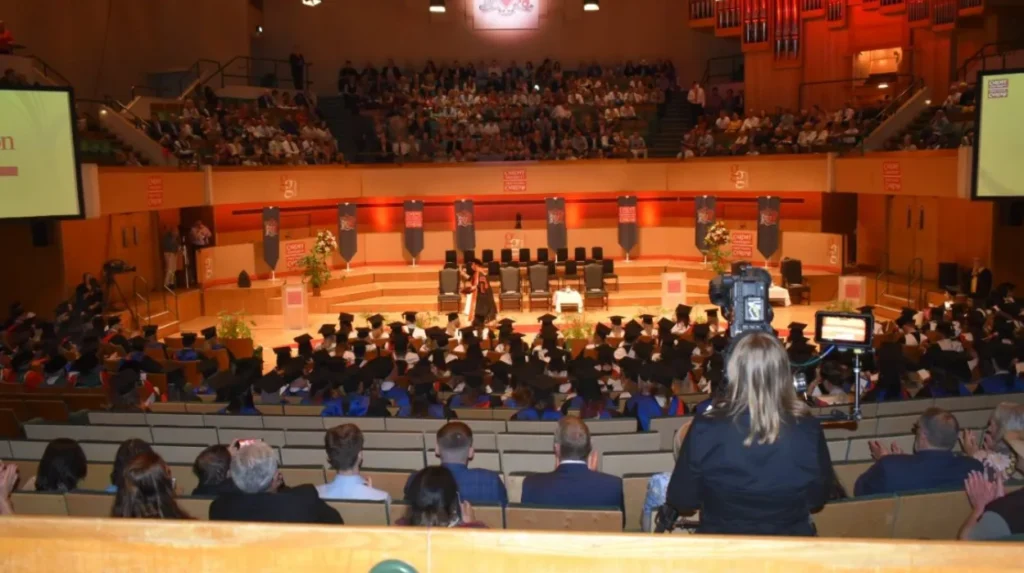
Cardiff University equips students via 2,000 placements, Year in Industry schemes, and Careers Fairs with 200 employers. 95% graduate outcomes rate; average salary £29,000 six months post-grad. Alumni network spans 200,000 globally.
DESTINATION OF LEAVERS FROM HIGHER EDUCATION survey 2024/25 confirms strength.
Programs and Partnerships
Go Abroad funds 500 exchanges; Professional Placement Year inserts 9-12 months work.
Outcomes Data
Medicine boasts 100% employment; engineering 92%.
Where is Cardiff University located?
Cardiff University is located in Cardiff city centre, Wales, mainly around Cathays Park. The campus is integrated into the city, so students can easily walk between lectures, accommodation, shops, restaurants and nightlife venues.