Roath Park Lake reaches a maximum depth of 26 meters (84 feet) and is deliberately drained or lowered only for essential dam maintenance works, not on a regular schedule. The 30-acre man-made lake in Cardiff has been drained completely at least once in historical records, with recent water level reductions occurring in January 2025 and early 2025 for dam valve maintenance and improvement projects. Cardiff Council manages the lake as a reservoir under Natural Resources Wales regulations, draining it only when safety works require exposed dam infrastructure.
- What is Roath Park Lake and Where is it Located?
- How Deep is Roath Park Lake Exactly?
- When Was Roath Park Lake Last Drained Completely?
- Why Does Cardiff Council Drain Roath Park Lake?
- How Often is Roath Park Lake Drained Regularly?
- What Maintenance Works Require the Lake to be Drained?
- Is Roath Park Lake Safe for Swimming and Boating?
- What Happens to Fish When the Lake is Drained?
- How Does Lake Drainage Impact Cardiff Park Visitors?
- What is the History of Roath Park Lake Since 1894?
- What Are the Future Plans for Roath Park Lake Maintenance?
What is Roath Park Lake and Where is it Located?
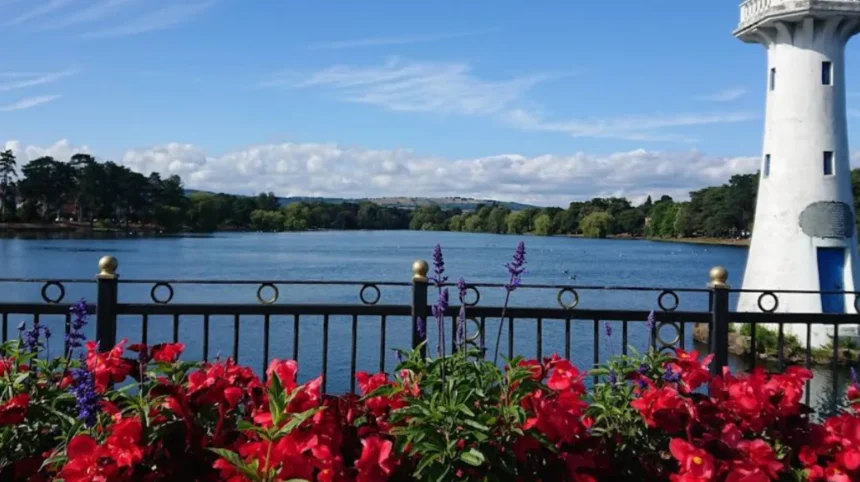
Roath Park Lake is a 30-acre (12 hectare) man-made reservoir in Cardiff, Wales, located at Lake Road West, Cyncoed, Cardiff CF23 5NP, within Roath Park, the city’s first publicly-owned park. The lake spans approximately half a mile in length and a quarter of a mile in width, measuring 1.3 miles (2.1 km) around its perimeter with five small islands designed as waterfowl habitats.
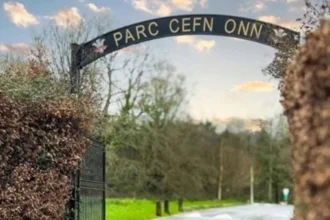
Roath Park was established in 1894 on 130 acres of reformed bogland donated by the Third Marquess of Bute and other local landowners in 1887. The park became Cardiff’s first publicly-owned green space, transforming medieval marshland known as Kenelechi (later Nant Lecky) into a Victorian recreational facility. The lake itself was created by damming the Nant Fawr stream, forming the park’s central feature and hosting activities including boating, fishing, and previously bathing until the mid-20th century.
The lake serves multiple recreational purposes: fishing for carp, pike, and coarse fish (requiring EA/NRWFreshwater fishing rod licence), boating with pedalos and boats operated from the boat hire facility, and as an iconic Cardiff landmark featuring the Scott Memorial Lighthouse. The facility operates year-round including Christmas Day and New Year’s Day, opening at 7:30 AM and closing 30 minutes before sunset.

How Deep is Roath Park Lake Exactly?
Roath Park Lake has a maximum depth of 26 meters (84 feet), making it a substantially deep man-made reservoir rather than a shallow pond. This depth measurement represents the deepest point within the lake basin, which was formed through damming operations that created significant water accumulation capacity.
The lake’s physical dimensions include approximately 30 acres (12 hectares) of surface area with a perimeter of 1.3 miles (2.1 km). Its elongated shape runs north-south, with the greater part occupied by the lake former marshland. The average elevation around the lake is 38 meters, with minimum elevation at 11 meters and maximum elevation at 68 meters across the surrounding terrain.
For fishing enthusiasts, the lake’s depth supports diverse fish populations including carp, pike, and various coarse fish species. The depth variation creates different habitats suitable for different fish types, with deeper areas providing refuge during temperature fluctuations. Angling permission requires holders to possess the Environmental Agency/Natural Resources Wales Freshwater fishing rod licence, confirming the lake’s classification as a regulated fishing venue.
The lake’s depth also influences its recreational use for boating activities. Pedalos and boats operate safely within the accessible areas, with the depth providing sufficient water volume for navigation without grounding concerns in the main boating zones.
When Was Roath Park Lake Last Drained Completely?
Roath Park Lake was last fully drained or significantly lowered in January 2025, when Cardiff Council deliberately reduced water levels on Monday, January 20, exposing the lake bed in large parts of the northern section for dam valve maintenance works. The water level remained lowered for five additional days following the initial reduction.
Prior to the January 2025 drainage, recent low water levels occurred in early 2025 linked to dam improvement works. These lowered levels were exacerbated by wet winters, resulting in silt buildup that required addressing. The drainage was not a complete emptying but a significant water level reduction sufficient to expose the lake bed and enable access to dam infrastructure.
Historical records show at least one complete drainage occurred previously, documented in photographic records showing “Roath Park Lake – drained!” where the level was temporarily lowered to allow vegetation clearance around the edge and rubbish removal. This indicates the lake has been drained multiple times throughout its history for maintenance purposes.
The lake has also undergone water level reductions for algae prevention. In 2011, Roath Park Lake was drained to prevent algae spread, with water levels lowered and vegetation cut back to prevent green weed proliferation. This demonstrates the lake’s drainage history includes both maintenance works and biological management purposes.
In September 2018, the lake closed due to a toxic algae bloom, though this closure involved stopping all boat and pedalo operations rather than drainage. The algae was toxic and could cause health issues, requiring water closure without necessarily draining the facility.
Why Does Cardiff Council Drain Roath Park Lake?
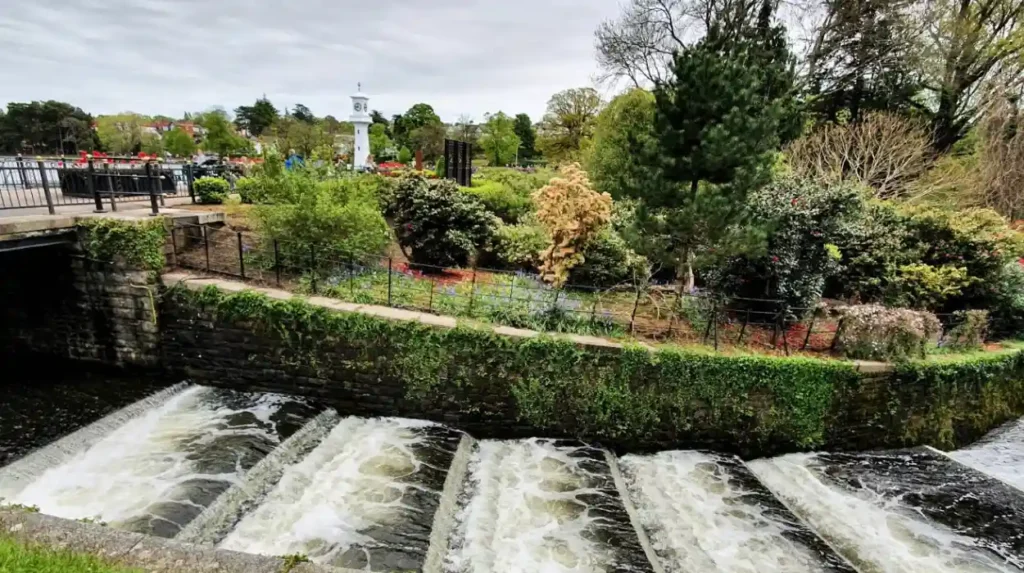
Cardiff Council drains Roath Park Lake exclusively for essential dam maintenance works, including valve repairs, spillway improvements, and safety upgrades required to prevent flooding risks and ensure reservoir compliance. The council deliberately lowers water levels to access dam infrastructure that remains submerged during normal operations.
The primary reason for recent drainings stems from the multi-million-pound Roath Park Dam Project, initiated after a 2014 independent UK Government engineer inspection found the dam would likely not withstand an “extreme weather event.” This inspection mandated safety improvements to ensure water could safely pass through the dam during a 1-in-10,000 flooding event without failure.
The dam project includes specific engineering works requiring drained conditions:
- Enlarged spillway expansion: The current spillway opposite Terra Nova Cafe expands from 6 meters wide to 8 meters wide and from 3 meters deep to 6 meters deep, requiring exposed dam infrastructure
- Dam valve maintenance: Routine maintenance works on dam valves require water level reduction to access and repair mechanical components
- Floodwall construction: A floodwall builds on the south side of the promenade above the children’s play area to prevent erosion from overflowing water during extreme flooding events
- Scour and bypass valve management: Natural Resources Wales public register documents detail reservoir scour and bypass valve management for routine and emergency operation, requiring periodic maintenance access
The council has confirmed there are currently no plans to tie lake dredging into the dam works, despite local concerns about dredging needs. However, potential future dredging will be considered as part of the wider Roath Park Dam scheme, as extensive works could offer opportunities to minimize high costs and disruption associated with dredging.
Silt buildup exacerbates drainage needs, with wet winters contributing to sediment accumulation that requires attention during low-water periods. Residents have criticized the lake’s condition, calling it a “fetid swamp,” “disgrace,” and “unsightly” due to stagnant water and silt filling the north end.
How Often is Roath Park Lake Drained Regularly?
Roath Park Lake is not drained on a regular or scheduled basis; drainings occur only when essential dam maintenance works require exposed infrastructure, with no fixed annual or periodic drainage schedule. The lake operates as a functional reservoir with water levels maintained at normal levels unless specific maintenance necessitates reduction.
Recent drainage occurrences demonstrate the irregular nature:
- January 2025: Water level lowered for dam valve maintenance, remaining reduced for 5 days
- Early 2025: Low levels linked to dam improvement works
- 2011: Drainage for algae prevention and vegetation clearance
- Historical: At least one complete drainage documented for vegetation clearance and rubbish removal
The Roath Park Dam Project was originally scheduled to start in 2024, lasting 12-15 months, with expected lake draining during this period. However, costly delays in December 2022 caused the initial deadline to be missed, pushing work commencement to 2024 with ongoing delays affecting the timeline.
Maintenance works occur intermittently based on infrastructure needs rather than calendar schedules. Routine maintenance at Roath Park Dam has been documented, such as works starting Monday, January 9 (year unspecified in records) lasting for defined periods. These routine works differ from major drainage events required for comprehensive dam projects.
The lake’s classification as a reservoir under Natural Resources Wales regulation means drainage decisions follow safety requirements rather than recreational calendars. Reservoir details include scour and bypass valve management protocols for both routine operation and emergency operation, indicating drainage occurs when operational requirements dictate.
Cardiff Council reaffirmed that potential lake dredging will be considered in the future as part of the wider dam scheme, but this represents a separate issue from current dam safety needs. The council stated the dam’s future effectiveness is “completely separate” from silt issues, though extensive dam works could offer dredging opportunities.
What Maintenance Works Require the Lake to be Drained?
Maintenance works requiring Roath Park Lake drainage include dam valve repairs, spillway expansion, floodwall construction, scour/bypass valve maintenance, vegetation clearance, and potential future dredging operations. These works expose submerged infrastructure that cannot be accessed during normal water levels.
Specific maintenance activities requiring drainage:
Dam Valve Operations: Scour and bypass valves require periodic maintenance for routine operation and emergency preparedness. These mechanical components control water flow through the dam and must be accessible for inspection, repair, and replacement. The January 2025 drainage specifically targeted dam valve maintenance work.
Spillway Expansion: The current 6-meter-wide spillway opposite Terra Nova Cafe expands to 8 meters wide and 6 meters deep (from current 3 meters deep). This construction requires exposed dam infrastructure to rebuild the spillway structure and ensure proper water flow capacity during extreme flooding events.
Floodwall Construction: A floodwall builds along the south side of the promenade above the children’s play area. This structure prevents erosion from overflowing water during extreme flooding events and requires construction work adjacent to the dam that benefits from reduced water levels.
Vegetation Clearance: Historical drainings allowed vegetation clearance around the lake edge and rubbish removal. These maintenance activities improve lake aesthetics and prevent overgrowth that could interfere with water flow or dam functionality.
Potential Dredging: While not currently scheduled, the council has reaffirmed that lake dredging will be considered as part of the wider dam scheme. Dredging removes accumulated silt and sediment, addressing resident concerns about the lake becoming a “fetid swamp” with stagnant water and silt buildup.
Boat and Pedalo Stoppage: During toxic algae closures, all boats and pedalos stop operating, though this doesn’t require drainage. The algae was toxic and caused water closure for safety reasons.
The dam project’s total cost exceeds the initial £6 million allocation, with Cardiff Council confirming expected funding insufficiency due to costly delays. These financial pressures affect project timelines but not the technical requirements for drainage during maintenance.
Is Roath Park Lake Safe for Swimming and Boating?
Roath Park Lake is not safe for swimming, as bathing ceased during the mid-twentieth century, but boating remains safe and popular with pedalos and boats available through the boat hire facility during operating hours. The lake’s 26-meter depth creates dangerous conditions for swimming, and no modern swimming facilities exist.
Bathing history shows dressing boxes were first added in 1908, making bathing popular in the early 20th century. However, bathing ceased during the mid-twentieth century, and no records indicateRevival of swimming activities. The lake’s current designation focuses on fishing, boating, and aesthetic/recreational use rather than swimming.
Boating activities remain fully operational and safe:
- Pedalos and boats: Available through boat hire facility with seasonal operation
- Operating hours: Lake area accessible at all hours, though pedalo seasons run full swing during favorable weather
- Safety measures: Boating closed only during specific incidents like toxic algae blooms
Fishing is permitted and safe for licence holders. Anglers require EA/NRW Freshwater fishing rod licence to fish the lake, which holds carp, pike, and various coarse fish species. The lake’s depth and fish populations support healthy fishing opportunities.
Toxic algae incidents have temporarily closed the lake for boating. In September 2018, NRW declared algae “toxic and can cause health issues,” stopping all boat and pedalo operations. This closure protected public safety without requiring drainage.
The lake’s iconic Scott Memorial Lighthouse remains one of Cardiff’s recognized images, contributing to the facility’s aesthetic value and landmark status.
Explore More Area Guide
Comprehensive Travel Guide to Roath: Explore Markets, Shopping, Parks, and Culture
Catholic Churches in Roath Cardiff: St Peter’s Church Only Guide
What Happens to Fish When the Lake is Drained?
When Roath Park Lake water levels are lowered, fish are rescued and relocated to prevent harm, as demonstrated in January 2025 when fish rescue operations occurred during dam maintenance works. The lake holds carp, pike, and various coarse fish species that require protection during drainage events.
The January 2025 water level reduction specifically included fish rescue operations as water levels decreased to expose the lake bed in large northern sections. Cardiff Council deliberately lowered levels on Monday, January 20, to carry out essential dam valve works, with rescue operations ensuring fish survival during the maintenance period.
Fish populations in the lake include:
- Carp: Primary species popular with anglers
- Pike: Predatory fish requiring deeper water habitats
- Various coarse fish: Multiple species supporting diverse fishing opportunities
The lake’s 26-meter maximum depth provides sufficient habitat for these species during normal operations. However, during drainage when water levels drop significantly, fish face mortality risks from exposure, oxygen depletion, and temperature fluctuations. Rescue operations mitigate these risks by transferring fish to safe water environments.
Silt buildup exacerbates fish habitat concerns, with wet winters contributing to sediment accumulation that affects water quality and fish health. The north end of the lake has experienced stagnant conditions and silt filling, leading residents to criticize the area as a “fetid swamp”.
Future dredging considerations include fish habitat protection as part of the wider dam scheme. The council recognizes that extensive dam works could offer opportunities to minimize dredging costs and disruption while addressing silt issues that affect fish populations.
Fishing permission requires EA/NRWFreshwater fishing rod licence, confirming regulated management of fish populations and ensuring sustainable fishing practices during normal operations.
How Does Lake Drainage Impact Cardiff Park Visitors?
Lake drainage impacts Cardiff Park visitors by closing boating and fishing activities, restricting access to lakeside areas, and potentially closing the children’s play area and park gates at night during major dam project works. These closures protect visitor safety during maintenance operations.
Specific visitor impacts during drainage events include:
Boating Closures: All pedalos and boats cease operation during drainage. The boat hire facility stops services, eliminating recreational boating opportunities until water levels恢复正常.
Fishing Restrictions: Angling becomes impossible when water levels drop significantly, as fish rescued and fishing areas become inaccessible. Fishermen cannot access the lake during drainage periods.
Area Closures: Areas near the lake close during dam project works. The proposed 12-15 month Roath Park Dam Project (scheduled 2024, delayed) includes lake drainage with associated area closures.
Children’s Play Area: Potential closure of the children’s play area during major dam works, affecting family visitors using this facility.
Park Gate Restrictions: Potential closure of park gates at night during dam project implementation, limiting evening access.
Normal Operating Hours: The main park gates normally open at 7:30 AM daily, closing 30 minutes before sunset. The lake area remains accessible at all hours during normal operations, but drainage overrides this access.
Facility Availability: During normal operations, visitors access free on-street parking, toilet facilities, ice cream kiosk, cafe, and large playground. These facilities remain available unless specifically affected by drainage works.
The lake’s iconic status as a Cardiff landmark means drainage events affect visitor experience significantly. The Scott Memorial Lighthouse and lakeside features become less accessible or visually impacted during low-water periods.
Recent drainage in January 2025 lasted approximately 5 days, representing a relatively short disruption compared to the potential 12-15 month dam project with extended drainage periods.
What is the History of Roath Park Lake Since 1894?
Roath Park Lake has existed since the park’s 1894 opening, created by damming the Nant Fawr stream on 130 acres of reformed bogland donated in 1887, evolving from Victorian recreational facility to modern managed reservoir under Natural Resources Wales regulation. The lake represents Cardiff’s first publicly-owned park centerpiece with 130 years of continuous public use.
Historical timeline of the lake:
1887: Land donation by Third Marquess of Bute and local landowners, including 130 acres of marshland known medieval as Kenelechi (later Nant Lecky), marked as malarial bog requiring reformation
1887-1894: Park construction and development under Borough Engineer William Harpur and William Wallace Pettigrew (Cardiff Corporation’s first Head Gardener), with the lake formed by damming Nant Fawr stream
1894, June 20: Park officially opened to public, becoming Cardiff’s first publicly-owned green space with the 30-acre lake as central feature
1908: First dressing boxes added for bathing, making bathing popular in early 20th century
Mid-20th century: Bathing ceased, ending swimming activities that had lasted approximately 40+ years
2011: Lake drained to prevent algae spread, with water levels lowered and vegetation cut back
2014: Independent UK Government engineer inspection found dam would likely not withstand extreme weather events, mandating safety improvements
2018, September: Lake closed due to toxic algae bloom, stopping all boat and pedalo operations
2022, December: Roath Park Dam Project missed initial deadline, with costly delays affecting timeline
2024: Proposed dam work start date (delayed from original schedule), lasting 12-15 months with expected lake draining
2025, January 20: Water level deliberately lowered for dam valve maintenance, remaining reduced for 5 days with fish rescue operations
2025, early: Recent low levels linked to dam improvement works, exacerbated by wet winters causing silt buildup
The lake’s transformation from marshland to recreational reservoir represents significant Victorian engineering achievement. Seven years were required to transform the marshy area into the current park, demonstrating the scale of reformation work.
The lake’s continued use for boating since construction, fishing throughout modern history, and iconic status featuring the Scott Memorial Lighthouse confirms its enduring role as Cardiff’s central recreational water feature.
What Are the Future Plans for Roath Park Lake Maintenance?
Future maintenance plans include potential lake dredging considered as part of the wider Roath Park Dam project, with the dam project continuing despite delays and the council reaffirming dredging will be evaluated to address silt accumulation and resident concerns. The dam safety work remains separate from silt issues but offers dredging opportunities.
Specific future maintenance considerations:
Dam Project Continuation: The multi-million-pound Roath Park Dam Project continues despite costly delays, with work expected to start in 2024 (delayed from original schedule). The project lasts 12-15 months and includes enlarged spillway construction, floodwall installation, and dam valve improvements.
Potential Dredging: Cardiff Council reaffirmed that lake dredging will be considered as part of the wider dam scheme. The council acknowledges resident concerns about silt flowing downstream and depositing in the lake, with extensive dam works offering opportunities to minimize high dredging costs and disruption.
Spillway Expansion: The current 6-meter-wide spillway expands to 8 meters wide and 6 meters deep (from 3 meters), requiring construction during dam project implementation. This work ensures water passes safely through the dam during 1-in-10,000 flooding events.
Floodwall Installation: Floodwall construction on the south side of the promenade above the children’s play area prevents erosion from overflowing water during extreme flooding events.
Silt Management: The council acknowledges resident concerns around silt deposition, with the north end experiencing stagnant conditions. Future dredging addresses this issue as separate from but coordinated with dam safety works.
Cost Implications: Initial £6 million allocation insufficient, with Cardiff Council expecting costs to exceed original budget due to delays. Financial pressures affect project timelines but not technical requirements.
Independent Engineering Oversight: The 2014 inspection by independent UK Government engineer established safety requirements, with ongoing engineering consultancy (Arup appointed) exploring best options for dam improvement.
Resident Consultation: Preferred dam improvement options presented to residents and stakeholders in 2022, with consultation continuing until January 9 (year unspecified). Community engagement ensures maintenance plans address public concerns.
The lake’s classification as a reservoir under Natural Resources Wales regulation means future maintenance follows safety compliance requirements rather than discretionary scheduling. Scour and bypass valve management protocols continue for routine and emergency operation.
Residents calling the lake a “fetid swamp,” “disgrace,” and “unsightly” have driven council attention to silt issues, though dam safety remains the primary priority with dredging as secondary consideration.
Roath Park Lake remains Cardiff’s iconic 30-acre recreational feature with 130 years of continuous public use, managed for safety, recreation, and environmental sustainability under council and Natural Resources Wales oversight.