

Roath Park Lake experiences seasonal blue-green algae blooms that require continuous monitoring by Cardiff Council and Natural Resources Wales. Safety statuses change rapidly based on water temperature, daylight hours, nutrient concentrations, and local rainfall volumes throughout the calendar year.
- What is blue-green algae and why does it form in this specific Cardiff lake?
- What are the health risks of cyanotoxins to humans and domestic pets?
- How do local councils and environmental bodies monitor the water quality?
- What historical outbreaks have occurred at Roath Park Lake?
- What long-term engineering and environmental solutions are being considered?
- How can visitors safely navigate the park during an active bloom?
- What are the ecological impacts of these blooms on local wildlife?
- How can residents report suspected algae sightings to protect the community?
Roath Park Lake, situated in the Plasnewydd and Penylan wards of Cardiff, is an artificial body of water covering an area of approximately 13 hectares (32 acres). Constructed in the late nineteenth century and opened to the public in 1894, the lake serves as a primary recreational asset within the capital city of Wales. Because the waterbody is relatively shallow and receives a constant influx of urban runoff, it is highly susceptible to eutrophication, a process where water becomes overly enriched with nutrients. This enrichment fuels the growth of cyanobacteria, commonly referred to as blue-green algae.
Cardiff Council conducts regular visual inspections and water testing protocols to determine the presence of active blooms. When cell counts of cyanobacteria exceed the safety thresholds established by the World Health Organization, local authorities implement explicit public safety measures. These measures include the installation of warning signage along the prominent promenade and the suspension of water-based recreational activities. Boating, angling, and commercial watercraft operations are halted immediately upon confirmation of a toxic bloom to prevent human and animal exposure.
The presence of blue-green algae is not static, meaning that a clear status in the winter or spring does not guarantee safety during the summer months. Environmental changes can trigger rapid population explosions known as blooms within a period of 48 hours. Visitors must consult the official safety notices posted directly at the park or check the digital updates provided by Cardiff Council before engaging with the water environment.
What is blue-green algae and why does it form in this specific Cardiff lake?
Blue-green algae consists of photosynthetic bacteria known as cyanobacteria that naturally inhabit freshwater ecosystems. These microscopic organisms multiply rapidly into toxic surface blooms when high summer temperatures, low wind speeds, stagnant water currents, and elevated levels of phosphorus converge.
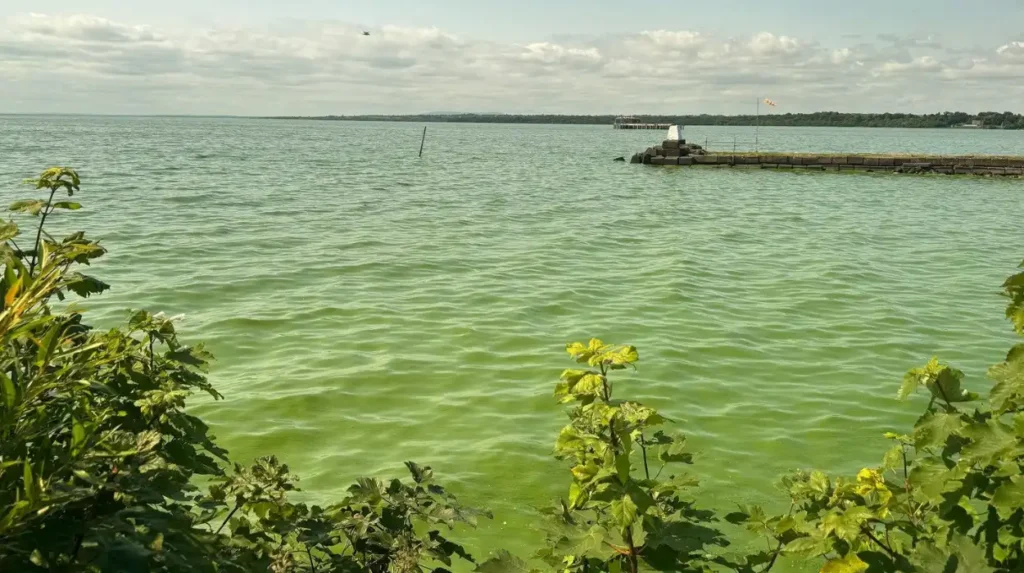
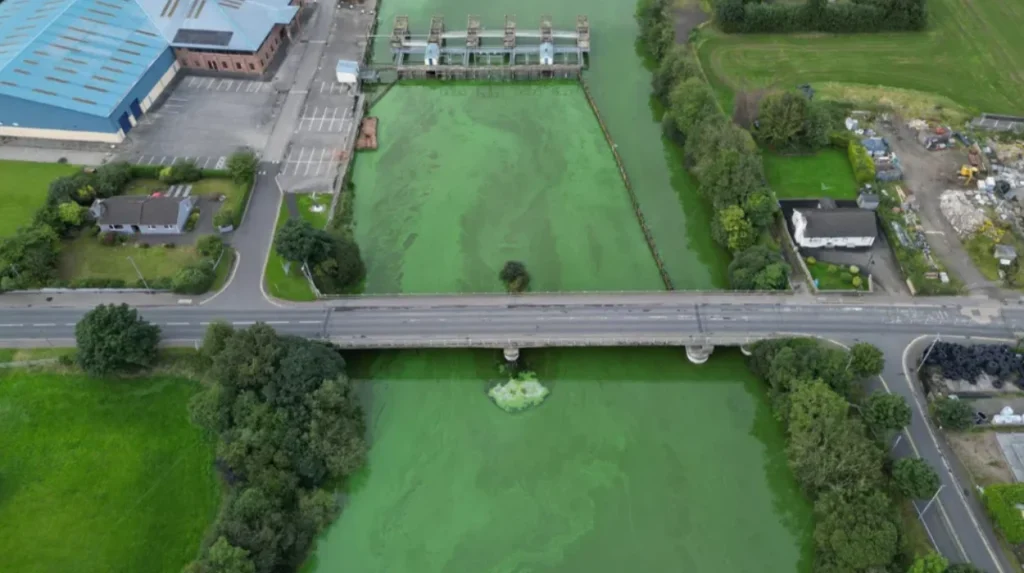
Cyanobacteria represent some of the oldest prokaryotic organisms on Earth, utilizing sunlight to synthesize nutrients via photosynthesis. In low concentrations, these organisms remain invisible to the naked eye and form an integral component of the aquatic food web. However, when specific environmental variables align, the bacteria undergo rapid cellular division. The resulting biomass aggregates into highly visible mats or scums on the surface of the waterbody, shifting the water coloration to hues of emerald green, turquoise, or brown.
Roath Park Lake possesses an architectural and geographic structure that exacerbates bloom formation. The lake is fed primarily by the Roath Brook, which flows through agricultural, residential, and urban corridors before entering the northern end of the park. This configuration introduces significant quantities of dissolved elements into the water system.
The primary drivers of cyanobacteria proliferation within Roath Park Lake include:
- Elevated Nutrient Loading: High concentrations of phosphorus and nitrogen enter the basin via urban surface runoff and misconnected domestic drainage systems.
- Silt Accumulation: Decades of sediment accumulation at the northern end of the lake have decreased the overall water depth, allowing the water column to heat up rapidly under direct sunlight.
- Low Flow Dynamics: During periods of low summer rainfall, the movement of water through the lake slowing down significantly, preventing the natural flushing of bacterial cells.
- Thermal Stratification: Warm, stagnant upper layers of water provide the optimal thermodynamic environment for cyanobacterial metabolic activity.
What are the health risks of cyanotoxins to humans and domestic pets?
Cyanotoxins produced by active blue-green algae blooms cause acute skin rashes, eye irritation, gastrointestinal illness, and neurological damage. These chemical compounds are highly potent and can cause fatal organ failure in domestic pets within hours of ingestion.
When cyanobacterial cells die and lyse, they release toxic secondary metabolites known as cyanotoxins directly into the surrounding water column. These toxins are categorized into three distinct pathological groups based on their impact on mammalian organ systems. The groups include hepatotoxins, which damage liver tissue; neurotoxins, which disrupt neurological signaling; and dermatotoxins, which cause severe inflammatory responses upon dermal contact.
Human exposure typically occurs through accidental ingestion, inhalation of airborne water droplets, or direct skin contact during recreational activities. Clinical documentation from Public Health Wales indicates that individuals exposed to contaminated water experience symptoms including severe hives, blistering of the skin, conjunctivitis, nausea, vomiting, and localized muscular pain. While no human fatalities have been documented in Wales from recent park blooms, the long-term health implications of chronic exposure necessitate strict avoidance protocols.
For domestic animals, particularly dogs, the risk profile is significantly higher. Dogs are drawn to the pungent, earthy odor of dried algal scums along the shoreline. Ingesting even small quantities of concentrated crusts or licking contaminated fur can result in death. The toxins act rapidly on the canine central nervous system and liver structure, inducing clinical signs such as hypersalivation, muscular tremors, ataxia, vomiting, and respiratory failure. Veterinary intervention must be sought immediately if an animal shows signs of exposure after visiting the perimeter of the lake.
How do local councils and environmental bodies monitor the water quality?
Cardiff Council and Natural Resources Wales monitor water quality through regular visual assessments, microscopic cell counting protocols, and digital reporting tools. These agencies collect physical water samples from designated zones to determine absolute cyanobacteria concentrations and toxicity levels.
The monitoring framework for Roath Park Lake relies on cooperation between municipal land managers and national environmental regulators. Park rangers execute daily visual sweeps of the shoreline, specifically tracking windward bays where floating scums tend to accumulate. If the water displays characteristic alterations, such as a pea-soup appearance or oil-like streaks, the council initiates a formal sampling request with Natural Resources Wales.
Scientific technicians collect samples from three specific zones across the lake: the northern inlet near the wild gardens, the central boating area, and the southern dam wall. These samples undergo laboratory analysis using light microscopy to identify the specific genera of cyanobacteria present, such as Microcystis or Anabaena. The technicians calculate the number of cells per milliliter of water to verify if the population breaches the standard warning threshold of 20,000 cells per milliliter.
In addition to traditional laboratory testing, environmental agencies utilize crowd-sourced data collection methods to accelerate detection speeds. The UK Centre for Ecology and Hydrology maintains the “Bloomin’ Algae” mobile application, allowing Cardiff residents to log geolocated photographs of suspected blooms. This input provides an early-warning mechanism that supplements the physical monitoring schedule maintained by municipal staff.
What historical outbreaks have occurred at Roath Park Lake?
Roath Park Lake has experienced repeated blue-green algae outbreaks over the past decades, with significant, multi-week closures documented in the summers of 2018, 2020, and 2024. These recurring episodes emphasize the systemic nature of the nutrient enrichment issue within the urban catchment.
The vulnerability of Roath Park Lake to ecological imbalances is deeply rooted in its history. Problems regarding silt accumulation and deteriorating water clarity were first documented in 1897, just three years after the park officially opened to the public. The prohibition of swimming within the lake was enacted over 50 years ago due to rising baseline bacterial counts, shifting the usage of the waterbody entirely toward boating and angling.
In the summer of 2018, an extended heatwave across South Wales caused water temperatures in the shallow northern basin to rise above 22 degrees Celsius. This climate variable triggered a massive cyanobacterial bloom that covered more than 40 percent of the lake surface, forcing a complete ban on water sports that lasted for several weeks. A similar event occurred during the summer of 2020, where the ecological pressure of a bloom coincided with pandemic park usage, complicating public health management for Cardiff Council.
The trend continued into the mid-2020s, with a severe outbreak confirmed in the late summer of 2024. This specific episode highlighted the impact of intense, short-duration rainfall events followed by high solar radiation. The heavy rains flushed stored agricultural and urban fertilizers down the Roath Brook, providing an immediate nutrient spike that fed a bloom lasting well into autumn. These historical markers show that the lake remains in a state of delicate ecological equilibrium.
Swimming Ban Implemented
Circa 1970
Cardiff officials permanently prohibit human swimming in Roath Park Lake due to rising baseline coliform bacteria levels and declining water clarity.
Major Summer Heatwave Bloom
August 2018
Extended high temperatures trigger a severe cyanobacterial bloom, forcing Cardiff Council to suspend all rowing boat and pedalboat rentals for multiple weeks.
Pandemic Outbreak & Petition
June 2020
A second consecutive summer bloom occurs. Local representatives launch public petitions demanding long-term dredging solutions to manage the growing silt layer.
Nutrient Flush Outbreak
August 2024
Heavy summer downpours flush significant phosphorus loads into the lake via Roath Brook, triggering a widespread bloom that turns the southern basin bright green.
Explore More Area Guide
Cycling in Roath Park Cardiff: Dedicated Paths, Rules, and Access Guide
Can I Fly a Drone at Roath Park? Rules for Cardiff Hobbyists 2026
What long-term engineering and environmental solutions are being considered?
Long-term solutions under consideration include desilting the shallow northern basin, constructing protective reedbed filtration systems, and repairing upstream infrastructure. These capital-intensive options aim to isolate and reduce the input of phosphorus that drives bacterial growth.
Addressing the root causes of cyanobacterial blooms requires modifying the physical structure and nutrient inputs of the lake ecosystem. Simple surface clearance or chemical treatments are temporary measures that do not alter the underlying water chemistry. Cardiff Council has investigated large-scale dredging operations to remove the substantial layer of organic silt dominating the northern third of the lake basin. Removing this material eliminates an internal repository of phosphorus that continuously dissolves back into the water column during warm periods.
Environmental engineers have proposed nature-based solutions to complement structural modifications. The installation of expanded reedbeds containing native helophytes, such as Phragmites australis (common reed) and Typha latifolia (broadleaf cattail), establishes a biological filter at the mouth of the Roath Brook. These wetland plants absorb dissolved nitrogen and phosphorus directly through their root systems, competing with cyanobacteria for vital growth elements.
Simultaneously, infrastructure investments are required from Dŵr Cymru Welsh Water to resolve the issue of unauthorized wastewater discharges. Forensic water testing has historically revealed high concentrations of fecal indicator bacteria within the northern inflows, pointing to misconnected domestic appliances and sewer overflows. Sealing these structural gaps prevents nutrient-dense greywater from entering the stream network, cutting off the external fuel source for the seasonal blooms.
How can visitors safely navigate the park during an active bloom?
Visitors can navigate the park safely by obeying all posted warning signs, keeping domestic dogs on short leashes, and avoiding any contact with shoreline scums. Remaining on the designated tarmac pathways prevents accidental exposure to wind-blown cyanobacterial toxins.
Public safety at Roath Park during an algal outbreak relies on clear risk communication and responsible visitor behavior. When a bloom is confirmed, Cardiff Council deploys high-visibility warning notices at primary entry gates, boat launch points, and lakeside cafes. These signs provide explicit instructions to avoid contact with the water and outline the immediate health consequences of ignoring the mandate.
Dog owners must exercise heightened vigilance due to the extreme vulnerability of canines to cyanotoxins. Dogs must be kept on short, fixed leads throughout the entire perimeter walk, completely preventing them from descending the stone steps or entering the sloping mud banks where algal crusts dry out. Allowing a pet to splash in shallow margins or drink from the lake edge during an active advisory constitutes a high-risk scenario that can cause rapid poisoning.
Anglers and recreational boaters must adapt their routines to match current safety tiers. If limited boating is permitted during minor blooms, participants should wear protective gloves and wash all equipment thoroughly with clean tap water immediately after leaving the dock. If wind patterns push thick green mats into the southern basin near the Scott Memorial Lighthouse, all close-contact interactions must stop until weather systems dissipate the concentrated biomass.
What are the ecological impacts of these blooms on local wildlife?
The ecological impacts include severe daytime oxygen depletion, the blocking of critical solar radiation, and the direct poisoning of avian populations. These disruptions lower the biological resilience of fish, plants, and waterbird communities within the park ecosystem.
Active cyanobacterial blooms cause widespread degradation across multiple trophic levels within the freshwater environment. The initial phase of a bloom creates a dense canopy across the surface of the water, preventing sunlight from reaching submerged macrophytes like Potamogeton (pondweed varieties). Without light, these beneficial underwater plants cannot perform photosynthesis, leading to localized die-offs that disrupt the structural habitat utilized by macroinvertebrates.
The most critical ecological threat occurs during the decline and decomposition phase of the algal bloom. As billions of cyanobacterial cells die off, aerobic bacteria consume massive volumes of dissolved oxygen to break down the organic matter. This biological oxygen demand causes the dissolved oxygen levels in the water column to crash, creating hypoxic zones. Fish species inhabiting the lake, such as Cyprinus carpio (carp) and Rutilus rutilus (roach), experience severe respiratory stress during these nocturnal oxygen drops, often resulting in mass mortality events.
Avian species residing at Roath Park, including the resident population of Cygnus olor (mute swans), mallards, and coots, face both direct and indirect risks. Ingesting water laden with high concentrations of microcystins can cause lethal poisoning in waterfowl. Indirectly, the loss of forage fish and healthy submerged vegetation reduces the available food supply, forcing bird populations to rely heavily on artificial feeding by visitors, which further degrades local water quality.
How can residents report suspected algae sightings to protect the community?
Residents can report suspected sightings by utilizing the official “Bloomin’ Algae” smartphone application or contacting the Natural Resources Wales incident hotline. Prompt reporting enables swift validation by environmental officers and accelerates the deployment of public safety signs.
Early detection is essential to mitigating the public health risks associated with toxic cyanobacterial blooms. If a park visitor notices a sudden alteration in water clarity, the appearance of floating flakes, or thick scum accumulation along the concrete walls of the lake, they should document the location immediately. Taking clear, high-resolution photographs that capture the color and texture of the material provides vital preliminary data for environmental scientists.
The primary digital reporting channel is the “Bloomin’ Algae” application, developed by the UK Centre for Ecology and Hydrology. Users can upload photographs, input precise geographic coordinates using their phone’s global positioning system, and select from a visual gallery of reference images to gauge the severity of the sighting. This data feeds directly into a national verification database monitored by Welsh environmental regulators.
For urgent situations, particularly cases where domestic pets or wildlife appear visibly distressed or sick near the water, residents should contact the Natural Resources Wales emergency hotline directly at 0300 065 3000. Operating 24 hours a day, this phone line connects callers with duty officers who can authorize immediate site visits, water sampling, and emergency signage placement by Cardiff Council’s parks department.