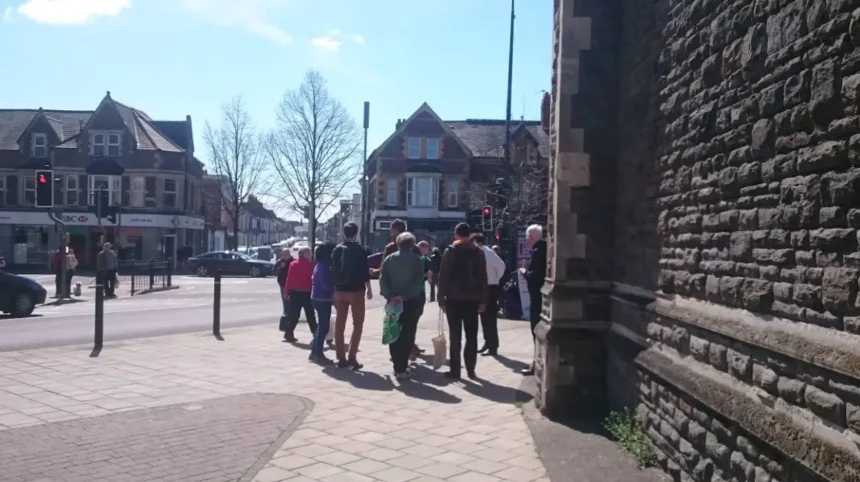
Wellfield Road represents a premier commercial thoroughfare in Cardiff, Wales, functioning as a vital economic and cultural anchor for the suburban district of Roath. This commercial street sustains high footfall through a strategic mix of independent retailers, hospitality venues, and modern urban planning infrastructure.
- Where is Wellfield Road Located and How Has It Historically Developed?
- What is the Commercial and Architectural Structure of Wellfield Road?
- How Did Pavement Extensions and Traffic Schemes Alter the Streetscape?
- Why Does the High Street Attract Modern Independent Businesses?
- What is the Cultural and Social Impact of Wellfield Road on Cardiff?
- What Future Trends and Developments Will Shape Wellfield Road?
Where is Wellfield Road Located and How Has It Historically Developed?
Wellfield Road is located in the Roath district of northeast Cardiff, connecting Albany Road to the southern entrance of Roath Park. Originally designed as a residential street in 1891, the thoroughfare completely transitioned into a commercial high street by the 1920s.
The geographical positioning of Wellfield Road positions it within the Cardiff Central parliamentary constituency, approximately 1.5 miles northeast of Cardiff city centre. The road runs in a linear north-south trajectory, bordered by Marlborough Road to the east and Claude Road to the west. This placement creates a critical commercial corridor that serves both local residents and visitors traveling to the surrounding recreational spaces.
Historical records from the Roath Local History Society indicate that the first residential construction plans for Wellfield Road were drafted in 1891. The initial infrastructure development aligned with the formal opening of Roath Park in 1894, which altered the spatial geography of the area from open agricultural fields into a dense Victorian suburb. Photographic evidence from 1894 demonstrates that the street initially comprised terraced residential housing with deep front gardens.
The transition from a domestic street to a retail hub accelerated between 1900 and 1913. In 1900, the demolition of the long side garden wall at 109 Albany Terrace facilitated the construction of the Albany Buildings, which introduced four shallow lock-up shops with two stories of accommodation above them. The opening of the Penylan Cinema, later renamed the Globe Cinema, at the southern intersection of the road in 1913 solidified the street as a commercial destination.
By the 1920s, property owners systematically converted the ground floors of the original Victorian terraced houses into retail units. Early commercial occupants established a diverse trade foundation, including companies such as the Roath & Wellfield Coal Company Limited, which operated from 1937 to 1972, and specialty retailers such as Parry-Morris Drapers, which traded from 1929 to 1967. This commercial evolution transformed the architectural fabric of the street, replacing front gardens with structural shopfronts while maintaining the upper levels for residential use.
What is the Commercial and Architectural Structure of Wellfield Road?
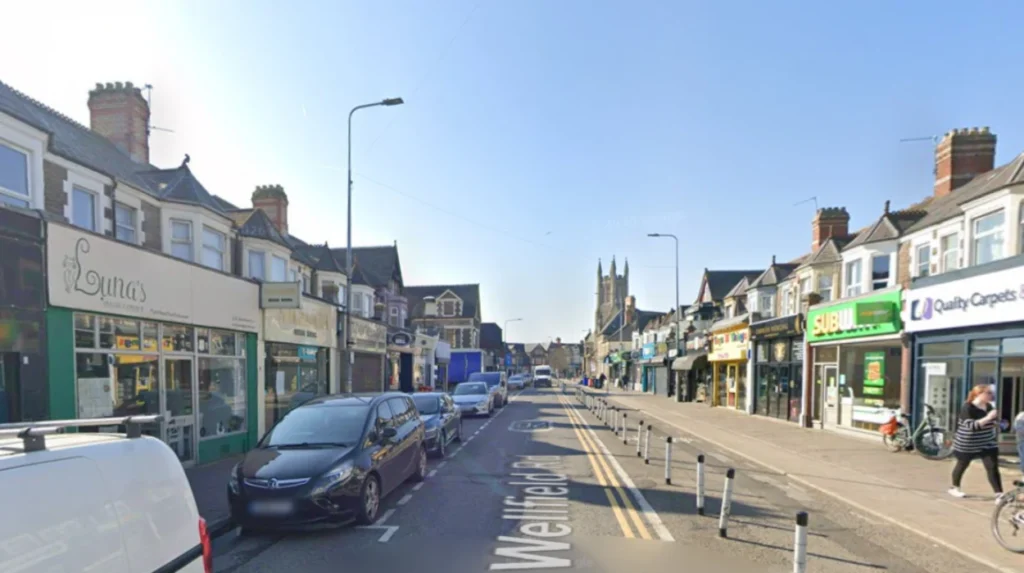
The structural framework of Wellfield Road consists of a linear retail layout dominated by Victorian-era terraced architecture adapted for modern dual-use commercialism. The street incorporates over 60 active retail units characterized by independent hospitality businesses, specialty boutiques, and essential local services.
The architectural framework of Wellfield Road retains its late-nineteenth-century structural footprint. The buildings feature traditional Victorian masonry, multi-story bay windows, and pitched slate roofs on the upper levels, while the ground floors feature wide glass retail facades. This physical organization supports a high-density urban environment where commercial operations occupy the ground floor and residential apartments occupy the first and second stories.
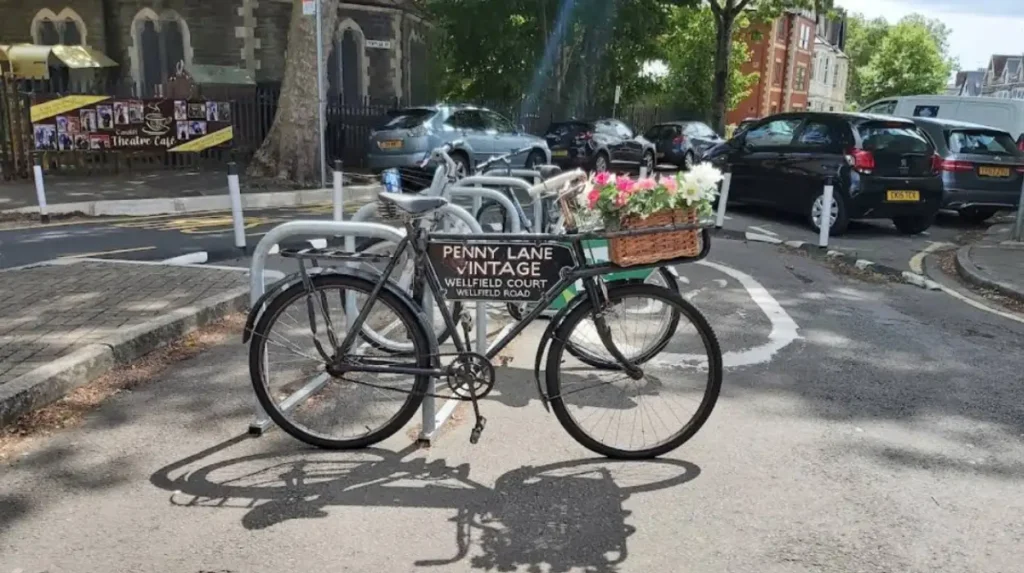
The commercial composition of the street relies on a balanced retail mix. This structure divides businesses into three distinct categories: food and beverage operations, independent lifestyle boutiques, and national convenience brands. Examples of food and beverage operations include Waterloo Tea at number 41, Juno Lounge at number 14, and La Dolce Vita. Examples of independent lifestyle boutiques include Wellfield Court Shopping Arcade, which houses micro-businesses and specialty tailors. Examples of national convenience brands include a Tesco Express branch and a Boots pharmacy.
The presence of the Wellfield Court Shopping Arcade introduces a semi-enclosed covered retail micro-environment off the main thoroughfare. This architectural component allows smaller independent vendors to operate with lower overhead costs than those required for main street frontages. The preservation of these distinct retail units prevents corporate monoculture, ensuring that independent operators account for over 60 percent of the total business tenancies on the street.
How Did Pavement Extensions and Traffic Schemes Alter the Streetscape?
Pavement extensions and traffic alterations on Wellfield Road transformed the streetscape by removing vehicular parking spaces to create dedicated outdoor hospitality zones and wider pedestrian walkways. Executed by Cardiff Council, this urban intervention reallocated highway space to prioritize active travel and local business adaptation.
The physical layout of Wellfield Road underwent a major reconfiguration through an urban public realm intervention initiated by Cardiff Council. The local authority removed the parallel parking spaces that previously lined both sides of the dual-carriageway street. The council then extended the pedestrian pavements directly into the former parking lanes, utilizing modular asphalt infills and physical dividers to separate the expanded footpaths from active traffic lanes.
This infrastructure mechanism altered the spatial dynamics of the high street through two specific processes. First, it expanded the public walkway width by more than two meters on each side, which resolved pedestrian congestion and satisfied public health distancing requirements. Second, it created a legal framework for businesses to obtain pavement licenses for outdoor dining tables and seating.
The traffic flow mechanism was restricted to a single lane in each direction for active public transport, commercial delivery vehicles, and private cars, with a reduced speed limit implemented to improve pedestrian safety. The council integrated urban greening elements, including mature trees planted in modular containers, to serve as a natural barrier between outdoor diners and passing motor vehicles. The resulting infrastructure shifted the street from a vehicle-centric transit corridor into a pedestrian-first outdoor destination.
Why Does the High Street Attract Modern Independent Businesses?
Wellfield Road attracts modern independent businesses due to high localized footfall, strong consumer demographics within the Roath and Penylan wards, and proximity to major student populations. The street provides a resilient commercial environment where independent brands leverage high dwell times to sustain profitability.
Independent commercial operators choose Wellfield Road because of the unique demographic composition of the surrounding catchment area. The high street sits at the intersection of the Roath and Penylan wards, areas characterized by high percentages of affluent working professionals, families, and academic staff from nearby Cardiff University. This demographic environment provides local merchants with a consumer base possessing high levels of disposable income.
The financial model for businesses on Wellfield Road is supported by extended consumer dwell times. Dwell time refers to the total duration a customer spends within a specific commercial district. The high concentration of cafes, restaurants, and specialty shops allows for multi-purpose trips, where consumers combine grocery shopping with social dining and leisure activities.
The geographical proximity to Roath Park, a premier public park attracting over one million visitors annually, creates a reliable consumer pipeline. Footfall data indicates that seasonal weekend traffic from the park filters directly onto Wellfield Road, boosting weekend retail revenues for hospitality operators. This steady flow reduces dependence on weekday commuter trade, ensuring long-term commercial resilience.
Explore More Area Guide
Visiting BBC Roath Lock Studios: Tour Times and Visitor Information
How Far Is Roath from St Mellons, Duffryn and Radyr in Cardiff?
What is the Cultural and Social Impact of Wellfield Road on Cardiff?
The cultural and social impact of Wellfield Road centers on its role as a community hub that fosters social cohesion, regional identity, and culinary diversity. The street acts as a localized community center where public spaces facilitate social interactions outside of institutional environments.
Wellfield Road functions as a vital “third place”—a term sociologists use to describe social surroundings separate from the two primary environments of home and the workplace. By providing accessible communal spaces, the street encourages spontaneous social interactions among residents, which strengthens community resilience and reduces social isolation across different age demographics.
The culinary diversity of the street reflects the shifting multicultural identity of Cardiff. The high street hosts an array of international food operators that introduce authentic global food traditions to the local population. Examples of international food operators include Legacy Indian Restaurant, Franco’s Apulian Street Food, and Tops Pizza. This concentration of diverse dining options establishes the street as a regional culinary destination, drawing food tourism from across the wider South Wales region.
Furthermore, the street preserves local history through its commercial evolution. Modern businesses frequently integrate original architectural features and historical signage into their contemporary designs. For instance, when Waterloo Tea renovated number 41 in 2019, contractors uncovered the early-twentieth-century hand-painted shopfront signage for H.A. Tilley, a historic local shoe retailer. The preservation of this sign within the modern storefront demonstrates how commercial enterprise on Wellfield Road maintains a physical connection to the heritage of the Roath community.
What Future Trends and Developments Will Shape Wellfield Road?
Future trends shaping Wellfield Road involve the integration of permanent active travel infrastructure, stricter environmental regulations, and digital smart-city retail adaptations. These developments aim to solidify the position of the street as a sustainable neighborhood shopping district.
The long-term planning trajectory for Wellfield Road aligns with the strategic transport goals outlined in the Cardiff Capital Region Metro scheme and the Welsh Government’s Active Travel (Wales) Act 2013. Urban planners are developing designs to replace the temporary plastic street dividers with permanent, high-quality granite kerbs, integrated rain gardens, and sustainable drainage systems (SuDS). These permanent installations will improve rainwater management and reduce urban heat effects.
Environmental policies will continue to influence commercial operations on the street. With the expanding implementation of low-emission transport initiatives across Cardiff, Wellfield Road is projected to transition toward stricter vehicular access controls. These changes include designated delivery hours for commercial vehicles to ensure the street remains pedestrian-dominated during peak afternoon and weekend shopping hours.
The retail sector on Wellfield Road is also adapting through digital smart-city integration. Local independent businesses are increasingly utilizing hyper-local digital networks, shared click-and-collect hubs, and unified neighborhood loyalty applications to compete effectively with major e-commerce platforms. This hybrid approach combines the physical benefits of an experiential high street with modern digital convenience, ensuring that Wellfield Road retains its status as a leading neighborhood high street in Cardiff.
Where is Wellfield Road in Cardiff?
Wellfield Road is located in the Roath district of northeast Cardiff. It connects Albany Road with the southern entrance to Roath Park and lies around 1.5 miles (2.4 kilometres) northeast of Cardiff city centre.