Llanishen is a residential suburb and community in north Cardiff, Wales. It combines established housing, railway connections, schools, green spaces, leisure facilities and local shopping with convenient access to central Cardiff and neighbouring areas such as Heath, Lisvane, Rhiwbina and Thornhill.
- What is Llanishen like as a place to live?
- How did Llanishen develop historically?
- What types of housing are available in Llanishen?
- Is Llanishen expensive for housing?
- How good is public transport in Llanishen?
- How easy is it to travel from Llanishen to Cardiff city centre?
- What local shops and amenities does Llanishen have?
- What leisure and green spaces are available in Llanishen?
- What are schools and family facilities like in Llanishen?
- What are the main advantages of living in Llanishen?
The area has a long history. Its name derives from Saint Isan, a sixth-century religious figure associated with the settlement. Modern Llanishen developed significantly after the arrival of the railway in the 19th century and expanded further through 20th-century suburban housing.
Today, Llanishen is also an electoral ward within Cardiff. The 2021 Census recorded 10,420 residents and 4,637 households in the Llanishen ward. Its population density was 3,221.6 people per square kilometre.
Llanishen therefore has a distinct suburban structure. Housing sits alongside transport infrastructure, community facilities, employment sites, green corridors and historic landmarks.
What is Llanishen like as a place to live?
Llanishen is an established north Cardiff suburb with residential streets, railway services, local shops, schools, leisure facilities, green spaces and access to central Cardiff. Its built environment combines older village features with postwar and later suburban development.
Llanishen sits north of Cardiff city centre and forms part of the city’s wider northern suburban area. The district is closely connected with Heath, Lisvane, Rhiwbina, Thornhill and Whitchurch.
The area retains evidence of its earlier village character around St Isan’s Church and Station Road. Elsewhere, residential development reflects the expansion of Cardiff during the 20th century.
The 2021 Census provides a useful demographic reference point. The Llanishen electoral ward contained 10,420 residents living in 4,637 households. The population density was 3,221.6 people per square kilometre.
Llanishen is therefore substantially urban rather than rural. At the same time, the area contains significant green and open spaces. The reservoirs, parks, playing fields and green corridors provide outdoor space within the built-up northern part of Cardiff.
The suburb also has a strong transport function. Llanishen railway station provides access to Cardiff and destinations on the wider Valley Lines network. Ty Glas station provides another rail option for parts of the southern section of the area.
This combination of housing, transport and community infrastructure explains the area’s established suburban role within Cardiff.
How did Llanishen develop historically?
Llanishen has medieval and earlier religious origins, with Saint Isan traditionally associated with a sixth-century settlement. The railway arrived in 1871, accelerating suburban growth, while reservoirs and later residential development reshaped the area during the nineteenth and twentieth centuries.
The history of Llanishen extends well beyond its modern suburban appearance. The Parish of Llanishen records a religious settlement associated with Isan in approximately 537 AD at what is now associated with The Oval and Llandennis Road.
The present St Isan’s Church has medieval origins. Church Heritage Cymru describes it as a medieval church significantly enlarged over subsequent centuries, with documentary records dating the church site to the 12th century.
St Isan’s Church is also a Grade II* listed building. Its surviving historic fabric includes medieval elements, while later extensions reflect the growth of the parish and surrounding community.
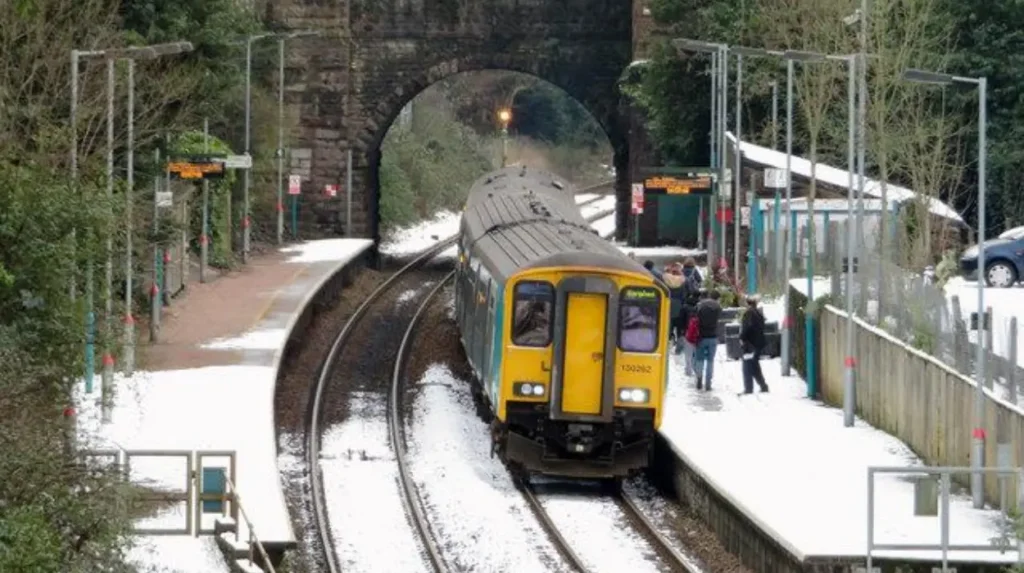
A major transformation occurred with the arrival of the railway. Llanishen railway station opened in 1871 as part of the railway network connecting Cardiff with the valleys. Transport for Wales records the station as part of the Valley Lines network.
The railway changed Llanishen’s relationship with Cardiff. Improved rail access supported residential expansion and made the district increasingly suitable for people travelling into the city.
Water infrastructure also became an important part of Llanishen’s history. Llanishen and Lisvane reservoirs were completed in 1886. Dŵr Cymru Welsh Water states that they originally supplied Cardiff and formed part of the historic Taff Fawr water supply system.
The reservoirs later became important environmental and recreational assets. Their history demonstrates how infrastructure built for Cardiff’s water supply became part of the area’s modern landscape.
What types of housing are available in Llanishen?
Housing in Llanishen includes established suburban houses, terraced properties, semi-detached homes, detached houses and flats. The housing stock reflects several development periods, from older village properties to postwar estates and later residential schemes.
Llanishen does not have one uniform housing style. Its residential character changes between the historic village area, established suburban streets and newer developments.
The Census 2021 data for the Llanishen area illustrates this mixed housing structure. A Census-based local profile records flats and maisonettes alongside semi-detached, terraced and detached homes.
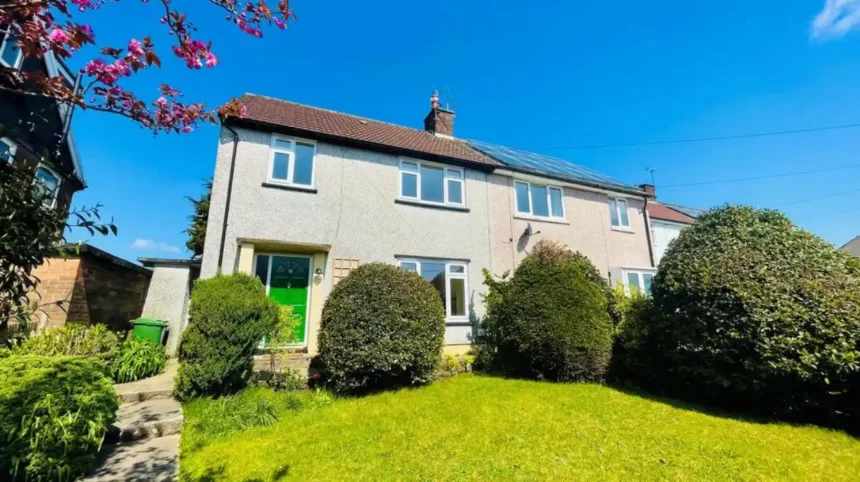
Semi-detached houses form an important part of the established suburban housing stock. These properties are common across Cardiff’s northern residential districts and reflect the substantial expansion of suburban housing during the 20th century.
Terraced houses are also present, particularly within older sections of the community. Flats and maisonettes provide a different housing format, including properties suited to smaller households.
Detached housing is another component of the local market. Larger properties occur on selected residential roads and contribute to the variation in property size across Llanishen.
Housing tenure also varies. Census-based data identifies owner-occupied, social-rented and privately rented homes within the wider Llanishen area.
This diversity means the area accommodates different household structures. Families, couples, single-person households and older residents are represented within the local population.
The 2021 Census recorded 2,176 residents aged 65 and over in the Llanishen ward, representing 20.9% of the ward population.
For prospective residents, the practical differences between streets are therefore important. Property type, garden space, parking provision, proximity to the railway, access to schools and walking distance to local shops vary according to the specific location.
Is Llanishen expensive for housing?
Llanishen is an established Cardiff residential area with a mixed housing market rather than one uniform price level. Property values differ according to house type, size, condition, location, tenure and proximity to transport, schools and local amenities.
Housing affordability in Llanishen depends heavily on the type of property being considered. A flat, terraced house, semi-detached home and detached property represent different parts of the local market.
Recent sold-price datasets provide useful market context, but individual transactions do not represent every property in the area. One 2026 neighbourhood dataset recorded a median sold price of approximately £295,000 across 131 transactions over the preceding 12 months.
The same dataset reports that the Llanishen area contained a significant proportion of flats as well as semi-detached, terraced and detached properties. It also identifies owner occupation and rented accommodation within the housing mix.
Housing costs also depend on whether a property is newly renovated, requires modernisation, has off-street parking, includes a garden or sits close to major transport routes.
Renters should compare the total monthly cost rather than headline rent alone. Council tax, energy bills, broadband, transport and parking can materially change household expenditure.
Buyers should also distinguish between asking prices and completed sale prices. A completed transaction provides stronger evidence of actual market value than an advertised asking price.
Because property markets change, current listings and recent Land Registry-based transaction data provide the most appropriate evidence when assessing a specific purchase or rental decision.
How good is public transport in Llanishen?
Llanishen has strong public transport connections for a Cardiff suburb, with Llanishen railway station, Ty Glas station, local bus services and direct rail access towards Cardiff and the wider Valley Lines network. Transport options vary by street and destination.
Rail is one of Llanishen’s defining transport advantages. Llanishen railway station is located on Station Road and serves the northern Cardiff area.
Transport for Wales records the station as having two platforms, ticket machines, Wi-Fi, parking and step-free access arrangements. The station has 42 car-parking spaces.
Services connect Llanishen with Cardiff and communities further north. A current Transport for Wales service pattern includes Cardiff Central, Cardiff Queen Street, Heath High Level, Llanishen, Lisvane & Thornhill and Caerphilly.
Ty Glas railway station provides another option. Transport for Wales describes Ty Glas as serving Llanishen and Heath and identifies it as a station on the Coryton line.
Bus services supplement the railway network. Cardiff Council publishes local and school transport information covering Llanishen and nearby districts, including routes connecting areas such as Pontprennau, Pentwyn and Llanedeyrn.
Llanishen station also supports pay-as-you-go rail travel within the South Wales network. Transport for Wales includes Llanishen among stations supporting this payment system.
Accessibility varies by station. Llanishen station has step-free routes to both platforms, although Transport for Wales identifies gradients and the road-bridge arrangement between platforms as accessibility considerations.
For commuters, the main practical benefit is the ability to combine local residential living with rail travel into Cardiff and onward connections.
How easy is it to travel from Llanishen to Cardiff city centre?
Llanishen has a direct rail connection with central Cardiff, making train travel a practical option for commuting, shopping, education and leisure. Local buses and road connections provide additional routes, while journey times depend on service schedules and traffic.
Rail provides the clearest connection between Llanishen and central Cardiff. Trains from Llanishen travel towards Cardiff through Heath and Cardiff Queen Street before reaching Cardiff Central on services continuing through the city network.
This connection is important for people who work or study in central Cardiff. Cardiff Queen Street serves the eastern side of the city centre, while Cardiff Central provides access to the main intercity and regional rail network.
The journey can also be useful for leisure trips. Residents can reach central Cardiff without relying entirely on private cars or city-centre parking.
Road travel remains important for households with cars. Llanishen connects with the wider northern Cardiff road network and provides access towards areas such as Heath, Lisvane, Rhiwbina and Thornhill.
Walking and cycling also form part of the local transport picture. Cardiff Council has used traffic-management measures in Llanishen to examine traffic levels, vehicle speeds and opportunities for active travel. Its Crystal Glen trial specifically considered traffic reduction and cycling.
Transport choices therefore depend on the destination. Rail is particularly useful for central Cardiff, while buses, walking, cycling and cars provide flexibility for shorter local journeys.
What local shops and amenities does Llanishen have?
Llanishen provides everyday suburban amenities including local shopping, food outlets, services, schools, healthcare access, leisure facilities, community organisations and transport infrastructure. Larger retail and employment centres are also accessible in neighbouring Cardiff districts.
Local amenities are concentrated around the established commercial parts of the suburb and along important roads. Residents can access everyday services without travelling into central Cardiff for every basic requirement.
Food shops, cafés, takeaways and other local businesses form part of the neighbourhood economy. Additional retail options are available in nearby northern Cardiff districts.
Llanishen also has community and public-service infrastructure. Its established residential population supports schools, religious buildings, local organisations and recreational facilities.
The area has several historic and community churches. St Isan’s remains an important landmark in the historic centre of the suburb, while St Faith’s reflects the expansion of Llanishen during the postwar period. The Parish of Llanishen records St Faith’s as having been built to serve the growing population.
The presence of leisure infrastructure adds another dimension to local amenities. Cardiff Council identifies Llanishen Leisure Centre and facilities around the area as part of the city’s recreational network.
For households, this combination reduces the need for every activity to involve a journey into central Cardiff. At the same time, Llanishen’s location means residents remain close to the much larger retail, cultural, educational and employment offer of Cardiff.
What leisure and green spaces are available in Llanishen?
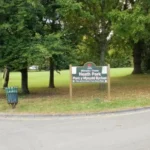
Llanishen has access to parks, playing areas, green corridors and the historic Llanishen and Lisvane reservoirs. These spaces provide opportunities for walking, outdoor recreation, sport, wildlife observation and community activities within north Cardiff.
The Llanishen and Lisvane reservoirs are among the area’s most significant environmental assets. Dŵr Cymru Welsh Water states that the reservoirs cover approximately 110 acres of green and blue space.
The reservoirs have ecological importance. Lisvane Reservoir is designated as a Site of Special Scientific Interest for overwintering birds, while reservoir embankments have SSSI designation associated with waxcap fungi. Other areas have Site of Importance for Nature Conservation status.
The reservoirs also have an important community history. In 2001, local residents formed the Reservoir Action Group to campaign against development proposals. Welsh Water later took responsibility for the site in 2016 and described plans focused on conservation, recreation, health and wellbeing.
Sport is another part of local recreation. Cardiff Council lists a Llanishen skatepark at Glider Field on Ty Glas Avenue. Its facilities include quarter-pipes, a jump box, flat banks, a spine, a mini ramp, beginner equipment and a wall ride.
The area’s green spaces also connect with the wider network of north Cardiff open spaces. This gives residents opportunities for outdoor activity without travelling to rural areas outside the city.
For families, walkers and people seeking outdoor recreation, these spaces form an important part of Llanishen’s residential environment.
Explore More Area Guide
Living in Llandaff Cardiff: Complete Area Guide
Living in Whitchurch Cardiff: Housing, Schools & Transport
What are schools and family facilities like in Llanishen?
Llanishen has established educational and family infrastructure within north Cardiff, supported by local schools, leisure facilities, parks, community organisations and public transport. School choices extend beyond the immediate suburb into neighbouring Cardiff communities.
Education is an important consideration for households moving to Llanishen. The suburb has schools serving different age groups, while nearby districts provide additional options.
School catchment areas are address-specific. Families therefore need to check the current Cardiff Council admissions information for an exact property rather than assuming that every school is equally accessible from every Llanishen street.
Transport also affects school access. Cardiff Council publishes school bus information covering Llanishen and surrounding communities, including routes from Pontprennau, Pentwyn and Llanedeyrn.
Family facilities extend beyond schools. Llanishen Leisure Centre and the local skatepark provide recreational infrastructure, while parks and green spaces support outdoor activity.
The demographic structure also matters. The 2021 Census recorded 10,420 residents in the Llanishen ward, while 20.9% of the ward population was aged 65 or over.
This indicates a mixed-age community rather than a neighbourhood dominated by one household type.
Families considering a move should therefore assess school catchments, walking routes, public transport, parking and access to recreational facilities together. These factors vary considerably between individual streets.
What are the main advantages of living in Llanishen?
The main practical characteristics of Llanishen are its established housing, rail connectivity, local amenities, green spaces and access to central Cardiff. The suburb also combines historic landmarks with modern residential infrastructure and recreational facilities.
Llanishen’s transport infrastructure is a major part of its suburban structure. Llanishen station provides rail access towards Cardiff and the wider Valley Lines network, while Ty Glas offers another nearby rail connection.
The housing stock provides different property formats. Residents can find flats, terraced homes, semi-detached properties and detached houses across the area.
The local environment is another defining characteristic. The reservoirs provide a substantial area of green and blue space alongside ecological designations and recreational opportunities.
Llanishen also has historical depth that distinguishes it from a purely modern suburb. St Isan’s Church has medieval origins, while the railway and Victorian infrastructure explain much of the area’s transition from village to suburb.
Everyday amenities are supported by local shops, schools, leisure facilities and community infrastructure. Central Cardiff remains accessible for larger employment, shopping, cultural and entertainment requirements.
The area’s future relevance is closely linked to Cardiff’s wider development. Transport infrastructure, housing demand, active travel, environmental protection and the reuse of established urban land all influence how north Cardiff develops.
For anyone assessing living in Llanishen, the most useful approach is to compare individual streets rather than treating the suburb as a single uniform housing market. Property type, transport access, local facilities and proximity to green space vary across the district.
Llanishen’s combination of established residential areas, railway connections, community facilities, historic identity and substantial green infrastructure gives it a clearly defined role within Cardiff’s northern suburbs.
Is Llanishen a good place to live?
Llanishen is an established residential suburb in north Cardiff with housing, railway connections, schools, local amenities, leisure facilities and access to green spaces. It also provides convenient transport links towards central Cardiff.