

Choosing where to live in Cardiff depends on more than rent and property prices. For commuters, the most important factors include access to Cardiff Central railway station, local train services, Cardiff Bus routes, road connections, cycling infrastructure and the time required to reach work. Cardiff, the capital of Wales, has a transport network connecting residential neighbourhoods with the city centre, Cardiff Bay, business districts and employment centres across South Wales.
- Why Is Cardiff a Practical City for Commuters?
- Which Cardiff Areas Are Best for Commuting to the City Centre?
- Which Cardiff Areas Are Best for Train Commuters?
- Which Cardiff Areas Are Best for Commuters Travelling by Bus?
- Which Cardiff Areas Are Best for Commuters Who Drive?
- Radyr and North-West Cardiff
- Llanishen and North Cardiff
- Whitchurch and the A470 Corridor
- What Should Drivers Check Before Renting?
- Which Cardiff Areas Are Best for Cycling to Work?
- Which Cardiff Areas Are Best for Commuters on a Budget?
- Which Cardiff Areas Are Best for Families Who Commute?
- Which Cardiff Areas Are Best for Commuting to Hospitals and Business Parks?
- How Should Commuters Compare Cardiff Neighbourhoods Before Moving?
- Check the Complete Journey
- Review Transport Accessibility
- Check Reliability and Alternative Routes
- Evaluate the Neighbourhood Beyond Work
- What Are the Future Prospects for Cardiff Commuters?
- Which Cardiff Area Should Commuters Choose?
Areas such as Canton, Pontcanna, Roath, Cathays, Heath, Llanishen, Whitchurch, Grangetown and Cardiff Bay offer different commuting arrangements. Some provide convenient access to central offices, while others suit people travelling to hospitals, universities, industrial estates or workplaces outside the city. Neighbourhood choice also affects housing costs, parking availability, access to shops and the need for a car.
This guide examines the best Cardiff areas for commuters, explaining transport connections, residential characteristics, practical advantages and the factors to check before moving.
Why Is Cardiff a Practical City for Commuters?
Cardiff offers commuters a combination of local rail services, buses, road links and cycling routes. Its railway stations connect residential neighbourhoods with the city centre, while Cardiff Central provides services to destinations across Wales and England. The most suitable area depends on workplace location and travel frequency.
Cardiff is the principal employment, commercial, educational and administrative centre of Wales. The city attracts public-sector employees, healthcare professionals, university staff, retail workers, hospitality employees and people working in professional services. Cardiff city centre concentrates many offices, shops, cultural venues and transport connections.
The city also serves commuters travelling to nearby employment centres, including Newport, Bridgend and other destinations along the South Wales rail corridor. People working in Bristol or elsewhere in England need to assess intercity railway connections and the complete door-to-door journey.
Cardiff’s transport network includes several components. Cardiff Central and Cardiff Queen Street provide important railway connections. Local stations serve residential districts, while Cardiff Bus and other operators provide services across the urban area. The A48, M4 and A4232 support road journeys, depending on the destination.
However, living close to a railway station does not automatically produce the shortest commute. Walking time, service frequency, interchange requirements, peak-hour congestion and the distance between the destination station and the workplace all affect the total journey.
Which Cardiff Areas Are Best for Commuting to the City Centre?
Canton, Cathays, Roath, Grangetown and Cardiff Bay provide different ways to reach central Cardiff. Canton and Cathays offer established residential settings, Roath combines housing with local amenities, Grangetown has rail connections, and Cardiff Bay suits people working around the waterfront.
Cardiff city centre is accessible from several surrounding neighbourhoods. The best choice depends on whether a commuter prefers walking, cycling, bus travel or a railway journey.
Canton
Canton lies west of Cardiff city centre and has established residential streets, independent businesses, cafés and local shopping facilities. Cowbridge Road East is an important local commercial route.
Residents travelling to central offices can consider walking, cycling and bus services. The area also provides access to Cardiff’s western districts and routes towards Fairwater and Ely. Canton suits people who want a residential neighbourhood without living directly in the commercial centre.
Before renting, check the distance from the property to the nearest suitable bus stop, the frequency of the relevant route and the availability of secure bicycle storage. Journeys differ significantly between streets.
Cathays
Cathays lies north of the city centre and includes residential streets near Cardiff University and other educational facilities. Its location makes it relevant to university employees, students and people working in central offices.
Cathays railway station provides local rail connections, while walking and cycling offer alternatives for destinations within central Cardiff. The area’s housing includes shared student properties, flats and traditional terraced houses.
Commuters should distinguish between properties near the station and those farther north. A short distance on a map can translate into a meaningful difference in daily walking time, especially when combined with a railway journey.
Roath
Roath is an established residential district east of the city centre. Albany Road and Wellfield Road contain shops, cafés, restaurants and everyday services. Roath Park is another recognised local landmark.
People working in central Cardiff can travel by bus, bicycle or on foot, depending on their exact address and workplace. Roath appeals to commuters who want neighbourhood amenities alongside access to employment in the centre.
The area is geographically broad, so travel times vary. A property near the western side of Roath generally has a different commuting profile from one farther east. Check the actual route rather than relying on the neighbourhood name alone.
Grangetown
Grangetown lies south of the city centre and provides access to central Cardiff and Cardiff Bay. Grangetown railway station connects with the local rail network, making rail travel an option for suitable destinations.
The district contains residential streets, local shops and community facilities. Its position is particularly relevant to people working near Cardiff Central, the city centre’s southern approaches or Cardiff Bay.
Commuters should compare the railway journey with walking and cycling. The most convenient option depends on the location of the workplace, service times and the distance between the station and the final destination.
Cardiff Bay
Cardiff Bay is a waterfront district with offices, leisure venues, restaurants, residential developments and cultural attractions. Cardiff Bay railway station serves the area, and bus and walking connections provide further options.
The district suits people employed around the Senedd, the Wales Millennium Centre and nearby commercial buildings. Residents working elsewhere in Cardiff need to assess the transfer or onward journey required to reach their workplace.
Cardiff Bay also contains different residential environments, from modern apartments to established housing in surrounding neighbourhoods. Rent, parking arrangements and the distance to the relevant station vary between developments.
Which Cardiff Areas Are Best for Train Commuters?
Llanishen, Heath, Whitchurch, Radyr, Cathays and Grangetown are worth considering for commuters who depend on railway services. Each area has different station connections and residential characteristics, so the correct choice depends on the destination, timetable and walking distance.
Rail commuting is useful for people travelling into Cardiff Central, Queen Street or other stations on the local network. It also helps commuters reach employment centres outside the city without driving for the entire journey.
Llanishen
Llanishen lies in north Cardiff and has a suburban residential character. Llanishen railway station provides access to the local rail network, while local shops and services support everyday living.
The area is relevant to commuters who prefer a quieter residential setting while retaining a railway option. The journey to work still depends on the service pattern and the distance between home, station and office.
Before choosing a property, check the scheduled service for the required departure time. Also assess station access during winter mornings, the availability of bicycle storage and the practical arrangements for travelling home after late shifts.
Heath
Heath is a north Cardiff neighbourhood associated with healthcare facilities and residential streets. Heath Low Level and Heath High Level stations serve different railway routes, providing access to parts of the local network.
The area is particularly relevant to healthcare workers employed at University Hospital of Wales and nearby facilities. The suitability of a property depends on whether the workplace is within walking distance or requires another transport connection.
Healthcare employees working rotating shifts should pay particular attention to early-morning and late-evening services. A convenient daytime timetable does not guarantee suitable transport after a night shift.
Whitchurch
Whitchurch is a northern Cardiff suburb with local shops, schools, residential streets and railway access. Whitchurch railway station provides connections for people travelling towards central Cardiff and other served destinations.
The neighbourhood suits commuters who want a suburban setting rather than a central apartment. Housing choices include family homes and other residential properties, although availability and prices vary by street.
Commuters should calculate the complete journey from their front door to the workplace. This includes walking to the station, waiting for a train, travelling, changing services if required and reaching the office.
Radyr
Radyr lies on the north-western side of Cardiff and is served by Radyr railway station. Its suburban setting and rail connections make it relevant to people travelling towards central Cardiff.
The area also suits some commuters who work along the city’s northern and western corridors. However, people travelling to Cardiff Bay or employment sites outside the direct rail route need to check onward connections.
Parking and walking access deserve attention when comparing properties. A home close to the station can support a different daily routine from one that requires a bus or car journey before the train.
Cathays and Grangetown for Central Rail Access
Cathays and Grangetown are useful options for commuters who want railway access without living in the outer suburbs. Their locations also support walking and cycling for selected central destinations.
Cathays is relevant to people travelling between north-central residential streets and central employment areas. Grangetown is particularly useful for commuters whose workplaces lie south of the city centre or near Cardiff Bay.
Station proximity remains the key practical consideration. Check the service timetable, route direction, journey frequency and any interchange requirements before signing a tenancy.
Which Cardiff Areas Are Best for Commuters Travelling by Bus?
Canton, Roath, Grangetown, Cardiff Bay and residential districts along established bus corridors provide options for commuters travelling across Cardiff. Cardiff Bus operates routes connecting residential neighbourhoods with employment areas, but the most suitable route depends on departure time and destination.
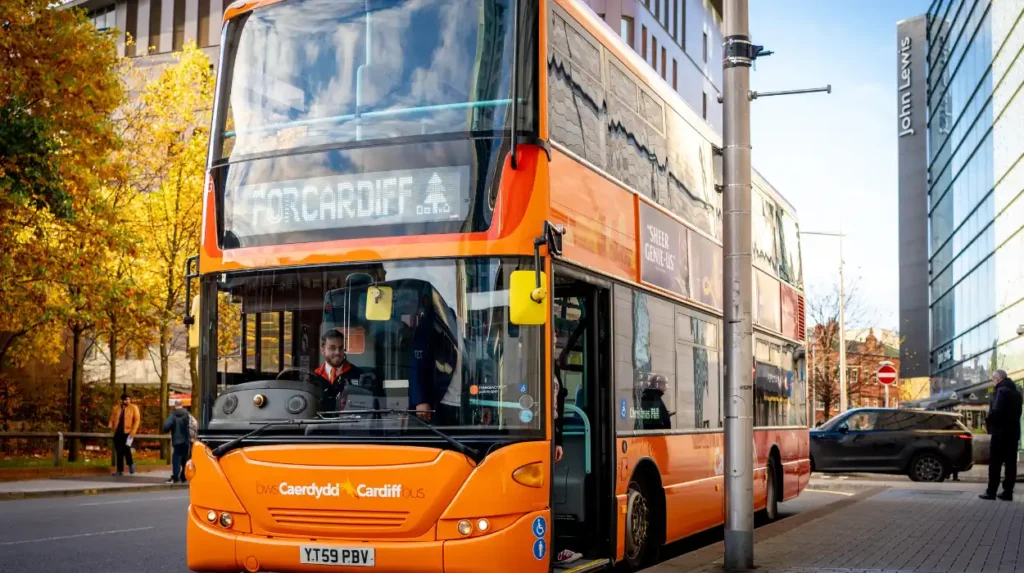
Bus travel is particularly useful when a commuter’s workplace is not close to a railway station. Cardiff’s bus network connects neighbourhoods with shopping streets, hospitals, educational institutions, residential areas and commercial districts.
Cardiff Bus publishes route maps, service information and planned changes. Commuters should use its official journey-planning information to compare routes before choosing accommodation.
Canton and Western Cardiff
Canton provides access to bus services serving the city centre, western residential districts and other parts of Cardiff. The area’s main roads and commercial streets make it a practical starting point for journeys to different employment locations.
People working in central offices should compare direct services with walking or cycling. A short journey by bus becomes less convenient when the route requires a long wait or a change of service.
Roath and Albany Road
Roath benefits from bus connections around Albany Road and nearby residential streets. These routes are relevant to commuters working in central Cardiff and other districts served by the network.
Check the nearest stop to the property rather than relying on the route passing through the wider neighbourhood. The direction of travel, stopping pattern and peak-hour timetable determine whether a particular service fits a daily routine.
Cardiff Bay and Grangetown
Cardiff Bus routes connect the city centre, Grangetown and Cardiff Bay. The Baycar service, identified as route 6 in Cardiff Bus network information, provides a direct connection between central Cardiff and Cardiff Bay.
This connection is useful for people working around the waterfront, cultural venues and nearby offices. Grangetown residents also have the option of comparing bus travel with rail services and cycling.
For current route details, consult Cardiff Bus routes and maps. Service numbers, stopping patterns and timetables should be checked before travelling because operators change services over time.
Which Cardiff Areas Are Best for Commuters Who Drive?
Radyr, Llanishen, Whitchurch and parts of north and west Cardiff suit commuters who need residential parking or access to major roads. The best location depends on the workplace, peak-hour traffic, parking costs and the availability of practical alternatives to driving.
Cardiff connects with the wider South Wales road network through the M4 motorway, A48 and A4232. These routes serve different parts of the city and surrounding employment areas.
The M4 is relevant to people travelling towards Newport, Bristol and other destinations along the motorway corridor. The A48 provides access across parts of Cardiff, while the A4232 serves key routes around the city and Cardiff Bay.
Radyr and North-West Cardiff
Radyr is a suburban option for commuters who need access to western Cardiff and the wider road network. The area also has a railway station, giving residents an alternative to driving into the city centre.
That flexibility is important when traffic conditions change or parking at the destination becomes expensive. However, a railway station does not eliminate the need to compare routes for workplaces outside the rail network.
Llanishen and North Cardiff
Llanishen offers residential housing and road connections for journeys across north Cardiff. Commuters working in local business areas, healthcare facilities or other northern districts should compare driving times with public transport.
The presence of parking at a property does not guarantee convenient parking at the workplace. Check workplace parking policies, permit requirements and the likely cost of parking before calculating the total commuting budget.
Whitchurch and the A470 Corridor
Whitchurch is relevant to people travelling between north Cardiff and destinations connected by the A470 corridor. Its residential setting also provides access to local services and railway connections.
Drivers should test the journey during their normal commuting period. Peak-hour travel times differ from those displayed for quieter periods, and roadworks or major events can affect routes into central Cardiff.
What Should Drivers Check Before Renting?
A realistic commuting assessment includes the time needed to reach the main road, likely congestion, parking availability and the cost of fuel or vehicle use. Drivers should also check whether their workplace offers parking or requires a permit.
Cardiff Council publishes information about roadworks, parking and transport restrictions. Its travel information helps commuters check relevant local arrangements before moving.
Which Cardiff Areas Are Best for Cycling to Work?
Canton, Grangetown, Cardiff Bay, Cathays and Roath offer cycling options for suitable journeys into central Cardiff. Route quality, secure bicycle storage, traffic conditions and workplace facilities determine whether cycling is a practical everyday commuting choice.
Cardiff Council’s Active Travel Network Map identifies existing walking and cycling routes that meet the relevant standards, alongside proposed future routes. The map supports residents planning journeys between residential areas, employment centres and public transport connections.
The council’s cycleway programme includes corridors linking central Cardiff with Roath Park, north-east Cardiff, Cardiff Bay, north-west Cardiff and Caerau. These plans connect neighbourhoods with destinations such as Cathays, Heath, Llandaff and St Mellons Business Park. The delivery status of individual sections varies.
Canton and Grangetown
Both areas provide options for cycling towards central Cardiff. The most suitable route depends on the exact property, destination and available infrastructure.
Cyclists should check junctions, crossings, road conditions and secure parking at work. A route that appears short on a map is not automatically the safest or most convenient option.
Cathays and Roath
Cathays and Roath are relevant to commuters whose workplaces lie within central Cardiff or nearby employment districts. Cycling can reduce dependence on waiting for buses or trains for suitable short journeys.
Before choosing a property, check whether the building offers secure bicycle storage. Flats without suitable storage can make daily cycling less practical, especially for residents who need to keep a bicycle indoors.
Cardiff Bay
Cardiff Bay’s connections with the city centre make it relevant to commuters who work near the waterfront or travel between the Bay and other central districts. Cycling also offers an alternative to public transport for some short journeys.
Use Cardiff Council’s active travel network map to identify existing routes and distinguish them from proposals for future improvements.
Which Cardiff Areas Are Best for Commuters on a Budget?
Commuters comparing housing costs should assess Cathays, Grangetown, parts of Roath, Canton and outer residential districts alongside their travel expenses. The lowest advertised rent does not necessarily produce the lowest overall cost when fares, parking and journey times are included.
Housing costs vary by property type, size, condition, location and tenancy arrangements. A room in a shared house has a different cost structure from a self-contained flat or a family house.
Cathays contains student-oriented accommodation as well as housing used by other residents. Grangetown and parts of Roath offer additional options for renters comparing access to central Cardiff with monthly housing expenditure. Canton provides another residential choice west of the centre.
Outer areas such as Llanishen, Whitchurch and Radyr suit some commuters seeking suburban housing. However, the total cost depends on the individual property, transport arrangements and distance from work.
How Can Commuters Compare the True Monthly Cost?
Calculate housing and commuting expenses together. Include rent, council tax where applicable, utilities, transport fares, fuel, parking, bicycle maintenance and any regular taxi journeys.
For example, a cheaper property farther from work can require additional train fares or driving costs. A more central property can reduce travel expenditure but carry a higher rent. The result depends on the actual prices and commuting pattern.
Commuters should compare at least three realistic properties and calculate the monthly cost of reaching work from each address. Use current rental listings and transport fares rather than relying on general assumptions about which neighbourhood is cheapest.
Which Housing Features Affect Commuting Costs?
The following features have a direct effect on everyday expenses:
- Station proximity: A short walk can remove the need for a connecting bus or taxi.
- Included parking: A property with a parking space can reduce the need to rent one separately.
- Bicycle storage: Secure storage supports cycling and combined bicycle-and-train journeys.
- Bus access: A suitable direct route can reduce the need for multiple tickets or connections.
- Working arrangements: Hybrid workers commuting two days each week face different travel costs from employees travelling five days each week.
A reliable comparison uses the same assumptions for every property. This makes it easier to distinguish a genuinely affordable commute from a low rent that creates additional expenses.
Which Cardiff Areas Are Best for Families Who Commute?
Llanishen, Whitchurch, Radyr and Heath are residential options for families balancing school access, housing requirements and commuting. Each area offers a different combination of transport links, local facilities and housing, so families should evaluate the specific property and school journey.
Family commuting involves more than reaching one workplace. Parents often need to coordinate school drop-offs, childcare, shopping and journeys to work. A suitable neighbourhood reduces unnecessary travel between these destinations.
Llanishen
Llanishen provides suburban housing, local shops and railway access. Families can compare residential streets based on their distance from schools, everyday services and the station.
A property farther from the station can still suit a family with a car, but driving introduces additional parking and traffic considerations. Check the school journey separately from the journey to work.
Whitchurch
Whitchurch combines residential streets with local amenities and railway access. It suits families who want a suburban setting while retaining a public transport option for central Cardiff.
Families should examine school admission arrangements, walking routes and the availability of suitable childcare. The nearest school is not necessarily the school to which a child is allocated.
Radyr
Radyr offers a suburban environment and a railway station serving commuters travelling towards Cardiff. The station also provides parking facilities, subject to the current operating arrangements and availability.
Families comparing Radyr with central neighbourhoods should assess housing costs, school journeys and the need for a car. A convenient train service does not replace the need to consider other daily trips.
Heath
Heath is particularly relevant to families whose employment or education arrangements involve the healthcare facilities and institutions in north Cardiff. Its local railway stations and road connections provide several commuting possibilities.
Parents should assess the distance between home, school, work and public transport. A location that is convenient for one family member can create a longer journey for another.
Which Cardiff Areas Are Best for Commuting to Hospitals and Business Parks?
Heath is relevant to University Hospital of Wales employees, while Cathays serves parts of the university district. Llanishen, Whitchurch, Radyr and St Mellons-related travel corridors suit different employment destinations, depending on the workplace and available transport connections.
Cardiff’s employment geography extends beyond the city centre. Healthcare, higher education, retail, manufacturing and business services operate across different parts of the city.
Healthcare Workers
University Hospital of Wales is located in Heath. Employees working there should compare nearby housing with areas connected by direct bus routes, cycling routes or local railway stations.
Heath, Llanishen and Cathays are relevant starting points for this comparison. The best location depends on the hospital entrance used, the employee’s shift pattern and the availability of transport outside standard commuting hours.
Staff working early, late or overnight shifts should check the first and last suitable services. A journey that works during office hours does not necessarily work for a rotating shift.
University Employees
Cardiff University and other educational institutions have facilities in different parts of the city. Cathays is relevant to people working near the university’s central academic buildings, while Heath suits some employees whose work is based near the university hospital campus.
Employees should identify the exact building before selecting accommodation. University campuses cover multiple locations, and the shortest route varies between departments.
Business Park Employees
People working in business parks or commercial sites outside central Cardiff need to evaluate road access and direct public transport connections. Cardiff’s northern and eastern employment corridors have different travel requirements from central offices.
Cardiff Council identifies St Mellons Business Park as a destination in its planned cycleway network. This provides useful context for commuters considering future active-travel improvements, but proposed infrastructure should not be treated as an existing completed route.
For business park employment, compare the precise workplace postcode with available bus services, railway stations and road routes. Some destinations require a connecting journey even when the wider district has good transport links.
How Should Commuters Compare Cardiff Neighbourhoods Before Moving?
Commuters should compare actual door-to-door travel times, monthly housing and transport costs, service frequency, parking and access to everyday amenities. Testing the journey at the intended departure time provides a more reliable comparison than selecting a neighbourhood based on distance alone.
A structured comparison helps renters and homebuyers assess whether a property supports their daily routine.
Check the Complete Journey
Start with the property’s postcode and the workplace’s postcode. Compare the available routes using current journey planners and official transport information.
For rail travel, include the walk to the station, the scheduled train journey and the onward walk or connection. For buses, check the stopping pattern, frequency and reliability at the time you need to travel.
For driving, compare journey times during the normal peak period. For cycling, assess the route and the facilities available at both ends.
Review Transport Accessibility
Station accessibility varies. For example, Transport for Wales and National Rail publish station-specific information covering access, parking, bicycle facilities and passenger assistance.
Radyr station has step-free access to its platforms, including lifts and ramps. Llanishen station has more limited step-free arrangements, with different access conditions for its platforms. These differences matter to commuters with mobility requirements, pushchairs or heavy luggage.
Check the relevant station’s current accessibility details before signing a tenancy. Do not assume that every platform or entrance offers identical facilities.
Check Reliability and Alternative Routes
A practical commute includes a backup option for service disruption. A commuter who depends on a single train route should know whether a bus or another station provides a reasonable alternative.
Cardiff Council publishes information about roadworks and travel restrictions. Transport for Wales provides railway service updates and journey-planning information. Checking these sources helps commuters understand current conditions rather than relying on historical travel times.
Evaluate the Neighbourhood Beyond Work
Daily life includes shopping, healthcare, recreation and social activities. A neighbourhood with convenient transport but limited access to essential services can create additional journeys.
Compare local shops, parks, healthcare facilities and other everyday destinations. Families should also examine schools and childcare, while people working from home part of the week should consider local cafés, libraries and suitable workspaces.
Explore More Area Guide
Cardiff Train Stations Explained: Routes and Travel Guide
Cardiff Bus Guide: Routes, Tickets, Fares and Travel Tips
What Are the Future Prospects for Cardiff Commuters?
Cardiff’s transport planning includes improvements to walking, cycling, bus services and connections between residential neighbourhoods and employment destinations. These plans support a broader range of commuting options, although proposed schemes and delivery dates require verification before influencing a housing decision.
Cardiff Council’s transport policies address public transport, road conditions, walking and cycling. Its Active Travel Network Map sets out existing routes and proposed improvements over a longer planning period.
The council has also published proposals for cycleways connecting the city centre with neighbourhoods including Roath, Heath, Cardiff Bay, Llandaff and other districts. Individual schemes progress at different rates, so commuters should check the current status of the relevant route.
Transport for Wales publishes network maps and station information for local and regional rail travel. These resources help residents understand connections between Cardiff and surrounding destinations across South Wales.
For anyone moving to Cardiff, the practical approach is to choose housing based on transport that is available now. Treat planned improvements as additional context rather than a guarantee of future journey times.
Which Cardiff Area Should Commuters Choose?
The right Cardiff neighbourhood depends on workplace location, travel mode, housing budget and daily responsibilities. Canton and Roath suit some central commuters, Grangetown and Cardiff Bay serve southern and waterfront destinations, while Radyr, Llanishen and Whitchurch offer suburban alternatives.
The following recommendations summarise the main considerations without assuming that one area suits every commuter.
- For central Cardiff offices: Compare Canton, Cathays, Roath and Grangetown using actual walking, cycling, bus and rail journeys.
- For Cardiff Bay employment: Compare Cardiff Bay and Grangetown, including the distance to the workplace and available onward connections.
- For rail commuting: Investigate Radyr, Llanishen, Whitchurch, Cathays and Grangetown based on the specific service required.
- For healthcare employment: Consider Heath and other neighbourhoods with suitable connections to University Hospital of Wales.
- For suburban family living: Compare Llanishen, Whitchurch and Radyr against school access, housing requirements and transport needs.
- For lower overall commuting costs: Compare rent and transport expenditure together rather than choosing solely by advertised rental price.
Cardiff offers commuters a range of residential choices, from inner-city neighbourhoods to suburban districts with railway connections. The most effective decision comes from comparing the exact property, the workplace and the daily journey together.
What are the best areas in Cardiff for commuters?
Canton, Cathays, Roath, Grangetown and Cardiff Bay are useful options for commuters working in central Cardiff. Radyr, Llanishen and Whitchurch suit people looking for suburban housing with railway connections.