Cardiff has one of the most important urban rail networks in Wales, linking the city centre with residential districts, Cardiff Bay, the Vale of Glamorgan, the Valleys and destinations across South Wales. The network combines major interchange stations with smaller local stops, making rail travel useful for commuters, students, residents and visitors.
- What are the main train stations in Cardiff?
- What is Cardiff Central station used for?
- What is Cardiff Queen Street station used for?
- Which Cardiff train station is best for the city centre?
- Which Cardiff stations serve Cardiff University and students?
- Which Cardiff train stations serve the northern suburbs?
- What is the difference between Heath High Level and Heath Low Level?
- Which Cardiff train stations serve western Cardiff?
- Which Cardiff train stations serve the south and Cardiff Bay?
- How do Cardiff train stations connect with Cardiff Bay?
- How do Cardiff train stations connect with the Valleys?
- Can you use contactless pay as you go at Cardiff train stations?
- Are Cardiff train stations accessible?
- Which Cardiff train stations have car parking?
- Which Cardiff train station should visitors use?
- How has Cardiff’s railway network developed?
- Why are Cardiff train stations important for the city’s future?
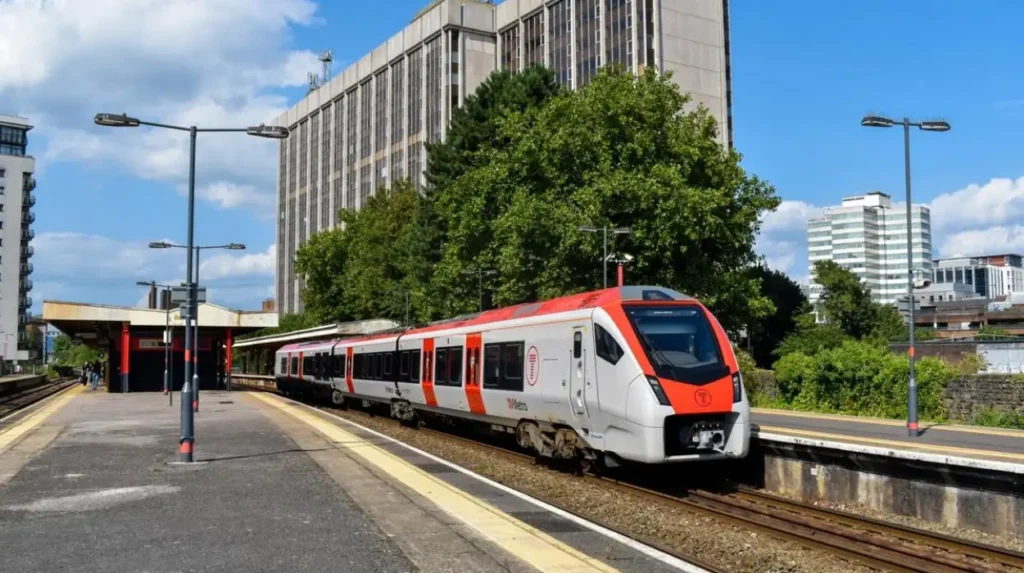
The railway system is centred on Cardiff, with Cardiff Central serving as the principal station and Cardiff Queen Street providing a second major city-centre interchange. Transport for Wales operates the local railway network, including services connecting Cardiff with places such as Newport, Bridgend, Barry, Pontypridd, Merthyr Tydfil, Caerphilly and the Rhondda Valley.
What are the main train stations in Cardiff?
Cardiff has 20 railway stations, ranging from major interchanges to suburban stops. The main stations include Cardiff Central, Cardiff Queen Street, Cardiff Bay, Cathays, Grangetown, Ninian Park, Llandaf, Radyr and stations serving northern Cardiff such as Heath, Llanishen, Lisvane & Thornhill and Whitchurch.
Cardiff’s railway stations serve different travel purposes. Cardiff Central handles national and regional journeys. Cardiff Queen Street is a major hub for services toward the Valleys and eastern Cardiff. Cardiff Bay provides rail access to the waterfront district.
The western side of the city is served by stations including Ninian Park, Waun-Gron Park, Fairwater, Danescourt, Llandaf and Radyr. The northern districts have stations including Cathays, Heath High Level, Heath Low Level, Ty Glas, Birchgrove, Rhiwbina, Whitchurch, Llanishen and Lisvane & Thornhill.
The southern and southeastern rail corridor includes Grangetown and Pengam, while the Vale of Glamorgan route connects Cardiff with Cogan, Dinas Powys, Barry and other destinations beyond the city.
This structure means passengers often choose a station according to their neighbourhood rather than automatically travelling through Cardiff Central.
What is Cardiff Central station used for?
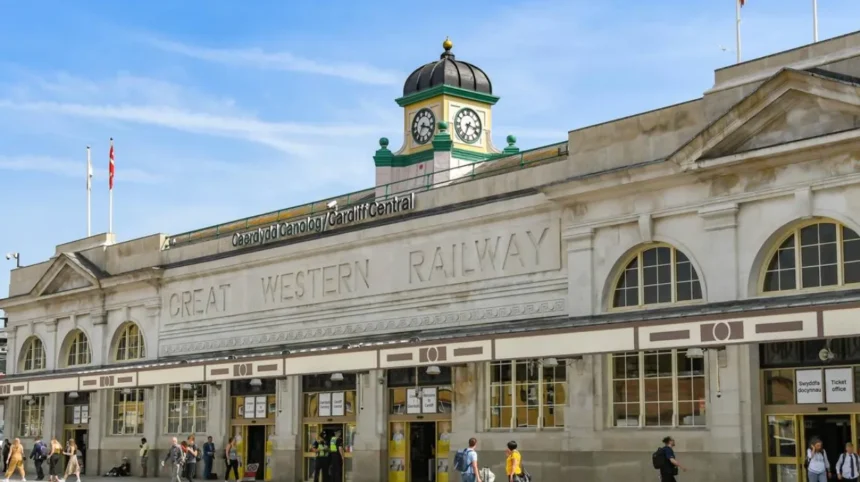
Cardiff Central is Cardiff’s principal railway station and the city’s main national rail interchange. It sits in Central Square, serves the South Wales Main Line, provides extensive passenger facilities and connects Cardiff with major destinations including Swansea, Newport, Manchester, Liverpool and other Welsh and English cities.
Cardiff Central is the most important station for long-distance and intercity travel.
The station is located beside Central Square and within walking distance of Cardiff city centre. Transport for Wales identifies it as a large transport interchange and the main station in Cardiff.
The station has ticket facilities, shops, toilets, Wi-Fi, waiting areas and step-free access. Platforms 0 to 8 have step-free access, making the station one of the most accessible major rail facilities in the city.
Cardiff Central is also the principal interchange for passengers changing between longer-distance trains and local services.
When did Cardiff Central open?
Cardiff Central opened on 19 June 1850 as Cardiff station on the South Wales Railway. The station was later renamed Cardiff General in 1924. Major reconstruction between 1931 and 1934 created much of the distinctive station frontage and concourse associated with the building today.
Transport for Wales describes 2025 as the 175th anniversary of the station’s opening. The station’s development reflects Cardiff’s transformation from an industrial port into the capital of Wales.
The station building is Grade II listed. Its architecture includes interwar civic and Art Deco influences, while modern transport infrastructure has been added around the historic structure.
What is Cardiff Queen Street station used for?
Cardiff Queen Street is the city’s second major railway station and a key interchange for services across northern Cardiff and the South Wales Valleys. It provides direct connections toward Cathays, Heath, Caerphilly, Pontypridd, Merthyr Tydfil, Bargoed, Coryton and Cardiff Central.
Cardiff Queen Street is particularly important for passengers travelling between central Cardiff and the northern suburbs.
The station is positioned close to Cardiff city centre and provides connections toward multiple Valley routes. Current Transport for Wales services shown from the station include trains to Merthyr Tydfil, Caerphilly, Coryton, Bargoed and Cardiff Central.
The station opened in 1840. Its first major redevelopment took place in 1973, followed by further improvements. A major regeneration programme in 2013 transformed the station entrance and surrounding area. The number of platforms was also increased to support additional services.
The station has toilets, Wi-Fi, seating, ticket machines and accessibility facilities. There is no station car park, so passengers generally reach it by walking, cycling, bus or connecting rail services.
Which Cardiff train station is best for the city centre?
Cardiff Central is the best station for most city-centre destinations because it sits beside Central Square and is around five minutes on foot from the main central shopping and commercial area. Cardiff Queen Street also provides convenient access to the eastern side of central Cardiff.
Cardiff Central is the natural choice for visitors arriving by long-distance train.
The station is close to St Mary Street, Cardiff city centre, Principality Stadium and major shopping areas. Transport for Wales states that walking from Cardiff Central to the city centre via St Mary Street takes around five minutes.
Cardiff Queen Street is particularly convenient for the eastern city centre and areas around Queen Street, Churchill Way and Cardiff’s commercial core.
The two stations are also directly connected by frequent local trains. A journey from Cardiff Queen Street to Cardiff Central takes only a few minutes on the local network.
Which Cardiff stations serve Cardiff University and students?
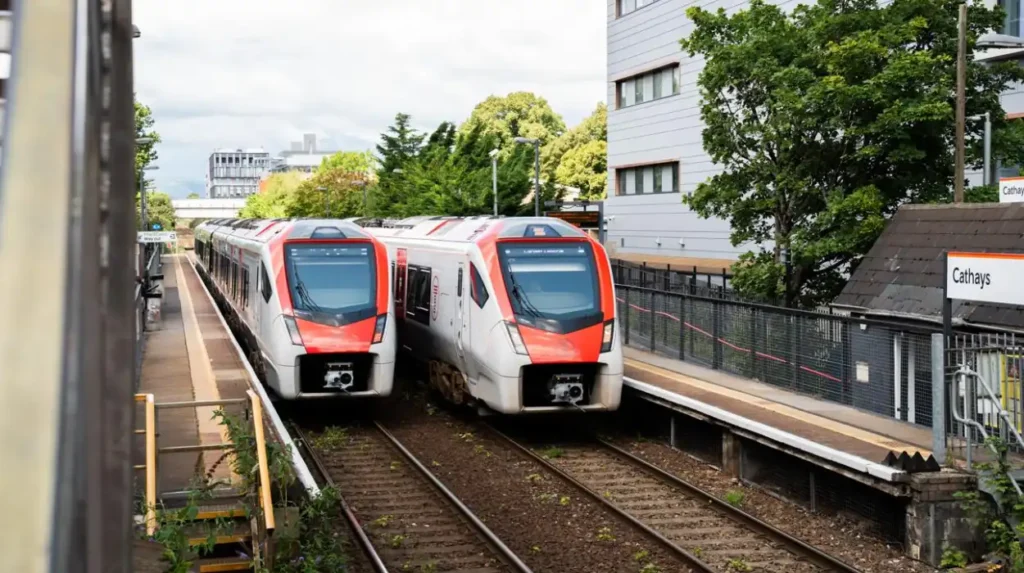
Cathays is the most useful railway station for many Cardiff University buildings because it sits close to the university’s main academic area. The station also provides convenient access to the National Museum area, Park Place and surrounding Cathays neighbourhoods.
Cathays station opened in 1983 and is located north of Cardiff Queen Street.
Its location makes it particularly relevant to students and university staff. Transport for Wales describes Cathays as the closest station to many Cardiff University buildings. The station handles more than one million passengers annually.
Cathays has two platforms and provides services toward Cardiff Central, Cardiff Queen Street and the northern Valleys.
The station also provides a practical rail connection for residents in Cathays and nearby neighbourhoods. Walking access connects the station with Park Place and surrounding university facilities.
There is no dedicated car park at Cathays. The station is therefore most useful for passengers arriving on foot, by bicycle or by connecting public transport.
Which Cardiff train stations serve the northern suburbs?
Northern Cardiff is served by a network of stations including Heath High Level, Heath Low Level, Llanishen, Lisvane & Thornhill, Ty Glas, Birchgrove, Rhiwbina and Whitchurch. These stations connect residential districts with Cardiff city centre and wider destinations across the Valleys.
Northern Cardiff has an important concentration of railway stations.
Heath is unusual because it has two separate railway stations: Heath High Level and Heath Low Level. They serve different rail routes and provide interchange opportunities for passengers travelling across Cardiff and the Valleys.
Llanishen and Lisvane & Thornhill provide services toward Caerphilly and destinations in the Rhymney Valley.
Ty Glas, Birchgrove, Rhiwbina and Whitchurch form part of the route toward Coryton. Current Transport for Wales schedules show trains travelling from Cardiff Queen Street through Heath Low Level, Ty Glas, Birchgrove, Rhiwbina and Whitchurch before reaching Coryton.
This network gives northern Cardiff residents several alternatives to driving into the city centre.
What is the difference between Heath High Level and Heath Low Level?
Heath High Level and Heath Low Level are two separate railway stations serving the Heath area of Cardiff. Heath High Level operates on the Rhymney route, while Heath Low Level serves the route toward Coryton and related northern Cardiff destinations.
The two stations are located close to one another but serve different railway lines.
Heath High Level opened in 1915 and has two platforms. Transport for Wales records nearly half a million passengers using the station each year.
Heath High Level provides services toward Cardiff and the Rhymney Valley, including stations such as Llanishen and Lisvane & Thornhill.
Heath Low Level operates on the northern Cardiff route toward Ty Glas, Birchgrove, Rhiwbina, Whitchurch and Coryton.
Passengers should check the exact station name before travelling. A ticket or journey planned for Heath Low Level does not automatically mean Heath High Level is the correct boarding point.
Which Cardiff train stations serve western Cardiff?
Western Cardiff is served by stations including Llandaf, Radyr, Danescourt, Fairwater and Waun-Gron Park. These stations connect residential communities in western Cardiff with Cardiff Central and the wider South Wales rail network, including services toward Pontypridd, Merthyr Tydfil and other Valley destinations.
Western Cardiff has a combination of commuter stations and Valley-route stations.
Llandaf station serves communities around Llandaf North and Whitchurch. It opened in 1840 and has undergone improvements including a modern footbridge, lighting, CCTV and parking upgrades.
Radyr is a significant interchange in western Cardiff. It opened in 1883 and developed from a railway station associated with the area’s coal industry into an important commuter station. Transport for Wales states that trains can reach Cardiff Central from Radyr in just over 15 minutes.
Fairwater, Danescourt and Waun-Gron Park serve residential districts farther west and southwest.
Fairwater station opened in 1987 and serves the City Line. Transport for Wales states that the station handles nearly 100,000 passengers annually.
Which Cardiff train stations serve the south and Cardiff Bay?
Cardiff Bay, Grangetown and Ninian Park provide important rail access to southern Cardiff. Cardiff Bay serves the waterfront district, Grangetown serves the southern inner city, and Ninian Park serves communities around Leckwith, South Canton and Cardiff City Stadium.
Cardiff Bay station is especially useful for visitors travelling toward the waterfront.
Transport for Wales identifies Cardiff Bay as one of Cardiff’s 20 railway stations and highlights its location near major city attractions.
Grangetown station is located on the southern rail corridor. It is an unstaffed station with a ticket machine and passenger information facilities. Its platforms are accessed by stairs, so accessibility requirements should be checked before travel.
Ninian Park is located near Cardiff City Stadium. The current station opened in 1987, replacing an earlier station that was originally built in 1912. It provides direct local connections to Cardiff Central and the western Cardiff route.
The journey between Ninian Park and Cardiff Central takes only a few minutes.
How do Cardiff train stations connect with Cardiff Bay?
Cardiff Bay is connected to the wider Cardiff railway network through Cardiff Queen Street and the local rail system. Passengers from northern and central Cardiff can use Queen Street as a key interchange before travelling toward the Bay, while Cardiff Central provides wider connections across Wales and England.
Cardiff Bay is an important destination for tourism, leisure, culture and waterfront travel.
The station provides access to the Cardiff Bay area, where passengers can reach major attractions and waterfront facilities.
For passengers arriving from outside Cardiff, Cardiff Central remains the main entry point. A local connection can then be used to reach the Bay area.
The rail journey is particularly useful for visitors who do not want to drive into Cardiff Bay and find parking.
How do Cardiff train stations connect with the Valleys?
Cardiff’s railway network provides direct Valley connections from stations including Cardiff Queen Street, Cathays, Heath High Level, Llandaf and Radyr. Services connect the capital with destinations such as Caerphilly, Pontypridd, Merthyr Tydfil, Bargoed, Coryton and communities across the Rhymney and Taff corridors.
The Valleys network is one of the defining features of Cardiff’s rail system.
Cardiff Queen Street provides several northbound routes. Current Transport for Wales services include trains toward Caerphilly, Bargoed, Merthyr Tydfil and Coryton.
Cathays provides direct services toward Llandaf, Radyr, Pontypridd and Merthyr Tydfil.
Radyr provides another important western interchange. Services from Radyr connect with Cardiff Central and the wider Taff route.
These routes support commuting, education, shopping and leisure travel between Cardiff and communities across South Wales.
Can you use contactless pay as you go at Cardiff train stations?
Transport for Wales supports pay-as-you-go rail travel across a large South Wales station network, including Cardiff Central, Cardiff Queen Street, Cathays, Grangetown, Ninian Park, Heath High Level, Cardiff Bay and other Cardiff stations. Fares and daily or weekly caps apply under the scheme.
Pay-as-you-go travel simplifies local rail journeys for passengers making repeated trips.
Transport for Wales lists Cardiff Central, Cardiff Queen Street, Cathays, Cardiff Bay, Grangetown, Ninian Park and Heath High Level among stations supporting pay-as-you-go travel. The wider network includes stations across South Wales.
The South Wales system also includes fare capping. Transport for Wales publishes daily and weekly cap arrangements alongside standard fares.
Passengers should check the current fare rules before travelling because prices, caps and eligible stations are subject to network and fare-policy changes.
Are Cardiff train stations accessible?
Accessibility varies between Cardiff stations. Cardiff Central provides step-free access across its platforms, while stations such as Llandaf also provide comprehensive accessible routes. Smaller stations have different access arrangements, so passengers requiring assistance should check station-specific facilities before travelling.
Cardiff Central has Category A step-free access covering the whole station. Ramps, accessible ticket machines, induction loops and accessible toilets are also available.
Llandaf also has Category A step-free access. Lifts connect the platforms through the footbridge, providing a practical route for passengers with reduced mobility.
Accessibility is more limited at some smaller stations.
Heath High Level, for example, has Category C access and is not suitable for wheelchair or powered mobility scooter users. One platform requires a long, steep ramp, while access to the other platform includes 41 steps.
Grangetown also has Category C access because its platforms are accessible only by stairs.
Passengers who need assistance can use the Passenger Assist service and should check the specific station before beginning a journey.
Which Cardiff train stations have car parking?
Car parking availability differs substantially across Cardiff railway stations. Cardiff Central has parking arrangements through Cardiff Central Quay, while stations such as Queen Street, Cathays, Ninian Park and Fairwater do not have station car parks. Radyr provides dedicated parking and park-and-ride facilities.
Parking is therefore an important factor when selecting a Cardiff station.
Cardiff Central’s previous Riverside and Penarth Road car parks are permanently closed. Transport for Wales directs passengers toward Cardiff Central Quay multi-storey parking.
Radyr provides a stronger park-and-ride option. Transport for Wales lists station parking and an additional nearby park-and-ride facility.
Queen Street has no station car park. Cathays, Fairwater and Ninian Park also lack dedicated car parking.
Passengers should check parking information before travelling, particularly during major events in central Cardiff.
Which Cardiff train station should visitors use?
Visitors arriving in Cardiff by long-distance train should normally use Cardiff Central because it is the principal station and sits beside the city centre. Cardiff Queen Street suits eastern central Cardiff, Cardiff Bay suits the waterfront, and local stations provide better access to specific residential districts.
Cardiff Central is the most practical starting point for most first-time visitors.
The station is close to the city’s major shopping, entertainment and cultural areas. Transport for Wales describes Cardiff Central, Cardiff Queen Street and Cardiff Bay as conveniently positioned for exploring the capital.
Visitors heading to the city centre can walk from Cardiff Central.
Visitors heading toward Cardiff Bay can use the local rail network or other public transport connections.
Visitors staying in northern Cardiff should identify the nearest local station before travelling. Cathays, Heath, Llanishen, Lisvane & Thornhill, Ty Glas, Birchgrove, Rhiwbina and Whitchurch each serve different neighbourhoods.
This station-based approach reduces unnecessary journeys through the city centre.
Explore More Area Guide
Cardiff Bus Guide: Routes, Tickets, Fares and Travel Tips
Getting Around Cardiff Without a Car | Transport Guide
How has Cardiff’s railway network developed?
Cardiff’s railway network developed alongside the city’s industrial growth, port expansion and population increase. Nineteenth-century railway construction created major connections with South Wales and England, while twentieth-century rebuilding and modern Metro investment have expanded the network’s role in urban transport.
Railways became central to Cardiff’s growth during the nineteenth century.
Cardiff Central’s origins date to the South Wales Railway and its opening in 1850. The railway connected Cardiff with the wider South Wales transport system and supported the city’s expanding industrial economy.
Other Cardiff stations also have long histories. Llandaf opened in 1840, Cardiff Queen Street opened in 1840, Cogan opened in 1888 and Radyr opened in 1883.
The twentieth century brought closures, rebuilding and changes in passenger demand.
The modern network now combines historic railway infrastructure with newer urban transport requirements. Cardiff’s railway stations form part of the wider South Wales Metro system, which is designed to improve connections between Cardiff, surrounding communities and the wider region.
Why are Cardiff train stations important for the city’s future?
Cardiff’s railway stations are important because they support commuting, education, tourism and regional connectivity while reducing dependence on private cars. The network links central Cardiff with residential districts and neighbouring communities, making rail a core component of the city’s long-term public transport system.
The role of rail extends beyond individual journeys.
Cardiff is the economic and administrative centre of Wales, while surrounding communities depend on reliable connections for employment, education and services. Railway stations provide fixed points around which wider transport networks can operate.
Cardiff Central serves national and regional travel. Queen Street handles major urban and Valley connections. Smaller stations distribute passengers across neighbourhoods.
The network also supports visitors travelling to Cardiff without a car. Transport for Wales promotes rail travel as a convenient way to explore Cardiff, with Central, Queen Street and Cardiff Bay providing access to major parts of the city.
The continuing development of the South Wales Metro makes Cardiff’s railway stations increasingly important to integrated public transport. Future improvements focus on capacity, frequency, accessibility and connections between rail and other modes.
For residents, the practical lesson is straightforward: the nearest station is not always the best station for every journey. Cardiff Central is the main national interchange, Queen Street is a key urban and Valleys hub, and smaller stations provide direct access to specific neighbourhoods.
Understanding the station network makes Cardiff rail travel easier to plan and helps passengers select the most efficient route for work, study, leisure and regional travel.
How many train stations are there in Cardiff?
Cardiff has 20 railway stations, ranging from major interchanges such as Cardiff Central and Cardiff Queen Street to local stations serving residential areas across the city.