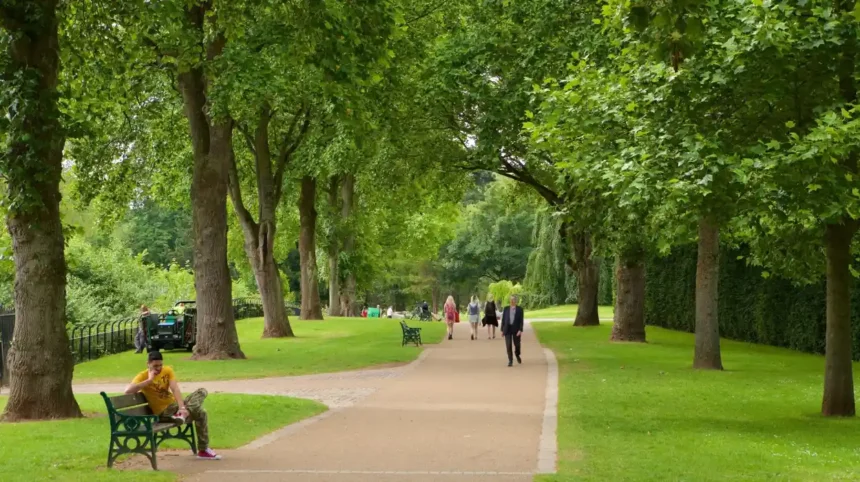
Walking routes across Cardiff offer access to historic landmarks, riverside paths, landscaped parks, wetlands and coastal scenery. The Welsh capital provides walking opportunities for residents, families, visitors and outdoor enthusiasts, from short urban strolls around Cardiff Castle to longer routes along the River Taff and Cardiff Bay.
- What Makes Cardiff a Good City for Walking?
- Which Walking Routes Across Cardiff Are Best for Visitors?
- Where Can Walkers Explore Cardiff’s History on Foot?
- Which Cardiff Walking Routes Are Best for Nature and Wildlife?
- How Can Walkers Explore Cardiff Bay and the Wales Coast Path?
- Which Walking Routes in Cardiff Are Suitable for Families?
- Which Cardiff Walking Routes Are Suitable for Beginners?
- What Should Walkers Know About Accessibility on Cardiff Walking Routes?
- When Is the Best Time to Walk Across Cardiff?
- How Can Visitors Reach Cardiff’s Main Walking Routes?
- How Can Walkers Stay Safe on Cardiff’s Trails?
- How Can Visitors Plan a Full Day of Walking Across Cardiff?
- Why Are Cardiff’s Walking Routes Important for the City’s Future?
Cardiff is the capital city of Wales, located on the south coast of the country. Its walking network connects the city centre with green spaces, residential neighbourhoods, waterfront attractions and surrounding countryside. Walkers can explore historic buildings, follow riverside trails, observe wildlife and discover the city’s cultural heritage without travelling far from central Cardiff.
The best walking route depends on distance, terrain, accessibility, transport connections and the time available. Bute Park suits visitors seeking green space near the city centre, while the Taff Trail provides a longer route for exploring Cardiff’s river corridor. Cardiff Bay offers waterfront walking, and the Wales Coast Path connects coastal landscapes beyond the central urban area.
This guide explains the main walking routes across Cardiff, their defining features, historical importance, practical access arrangements and essential safety considerations.
What Makes Cardiff a Good City for Walking?
Cardiff offers a varied walking environment because its compact city centre connects historic attractions, extensive parks, riverside paths and waterfront districts. Walkers can move between cultural landmarks and natural spaces, with routes suited to short visits, regular exercise and longer outdoor excursions.
Cardiff combines an urban street network with several significant green spaces. The River Taff flows through the city, linking areas around Bute Park with Cardiff Bay. This geographical connection creates opportunities for walks that combine river scenery, public parks and waterfront attractions.
The city also has an established cultural and architectural heritage. Cardiff Castle, the Civic Centre and historic streets provide identifiable destinations for shorter walking itineraries. Further south, Cardiff Bay features regenerated waterfront areas, public spaces and landmarks associated with the city’s maritime history.
Walking conditions vary by location. Central streets contain pedestrian crossings and busy junctions, while park paths include paved surfaces, grass and occasional uneven sections. Waterfront routes include exposed stretches where wind and rain affect comfort.
Cardiff’s walking opportunities therefore suit different purposes. A visitor with one hour can explore the city centre, while a person seeking a longer outing can follow riverside paths or connect several parks into a more extensive walk.

Which Walking Routes Across Cardiff Are Best for Visitors?
The best walking routes for Cardiff visitors include Bute Park, the Taff Trail, Cardiff Bay, Roath Park and the Wales Coast Path. Each offers a different experience, from historic city-centre scenery and landscaped gardens to riverside recreation and coastal exploration.
These routes differ in length, terrain and setting. Bute Park is convenient for central attractions, while the Taff Trail provides a longer route beside the river. Cardiff Bay combines waterfront views with cultural landmarks, and Roath Park offers gardens and a lake in an established residential area.
The Wales Coast Path provides a wider regional option for walkers who want to explore beyond central Cardiff. Route distances depend on the selected entrance, turning point and connecting paths, so walkers should confirm their intended itinerary before departure.
Bute Park Walking Route
Bute Park is one of Cardiff’s principal public parks, situated beside Cardiff Castle and the River Taff. Its tree-lined paths, open lawns, gardens and riverside scenery provide a convenient setting for walking close to the city centre.
The park forms part of the historic landscape associated with Cardiff Castle and the former Bute estate. Its location makes it easy to combine a walk with a visit to the castle, nearby shopping streets or the Civic Centre.
Walkers can choose a short circuit through the main park paths or extend the outing along the river. The route offers seasonal changes in foliage, open green spaces and views of the surrounding historic architecture.
Bute Park is particularly suitable for visitors who want a flexible walking experience without committing to a long-distance trail. The available distance depends on the entrances and paths selected.
Some paths are surfaced, while others run through grassed or wooded areas. After rain, softer surfaces become muddy. Visitors should follow park signs and respect any temporary closures or event restrictions.
Taff Trail Walking Route
The Taff Trail is a long-distance walking and cycling route that follows the River Taff corridor between Cardiff and the Brecon Beacons area. The full trail is approximately 55 miles (88 kilometres), although its precise length depends on the published route alignment.
The route connects urban landscapes with river valleys, parks and countryside. Within Cardiff, it provides an accessible way to explore the river corridor without remaining entirely on busy city streets.
Walkers can select a short section near Bute Park or Cardiff city centre instead of attempting the entire trail. A local out-and-back walk allows visitors to choose their own distance and return to their starting point.
The Taff Trail passes through environments that change considerably along its length. Central Cardiff contains urban paths and bridges, while sections farther north include greener landscapes and more substantial changes in terrain.
Because the route also serves cyclists, walkers should keep to the appropriate side where marked and remain aware of approaching bicycles. Long-distance walkers should check the route map, weather forecast, transport options and available facilities before setting out.
Cardiff Bay Walking Route
Cardiff Bay provides a waterfront walking environment south of the city centre. Its route options include public promenades, harbour views, cultural attractions and pedestrian connections around the former docklands.
The area developed through the transformation of Cardiff’s historic port. The docks were central to the export of coal from South Wales, and subsequent regeneration created a modern waterfront district with public spaces and visitor attractions.
A Cardiff Bay walk can include the Wales Millennium Centre, the Senedd and the waterfront around Mermaid Quay. These landmarks provide useful orientation points and opportunities to learn about Welsh culture and government.
Walkers can create a short waterfront outing or extend the visit by exploring connecting paths. The distance depends on the chosen loop, the side of the bay visited and whether the route includes nearby parks.
The waterfront is generally suitable for casual walking, but exposed sections can become windy. Visitors should also check bridge access and pedestrian diversions before beginning a longer circuit.
Roath Park Walking Route
Roath Park is a large public park in north-east Cardiff, known for its ornamental gardens, recreational grounds and central lake. It provides a different walking environment from the busy city centre and the regenerated waterfront.
The park’s lake is a prominent feature, with paths around the water offering opportunities for a relaxed walk. The surrounding grounds include planted areas, open lawns and mature trees.
Roath Park is suitable for families, casual walkers and people seeking a regular exercise route. Visitors can follow sections of the lakeside paths or explore other areas of the park to create a longer outing.
The park also reflects Cardiff’s development as a modern city with established public recreational spaces. Its landscaped setting contrasts with the historic buildings and commercial streets closer to the centre.
Walkers should check access arrangements around the lake and gardens, particularly during maintenance work or organised events. Paths near the water require attention when supervising children.
Where Can Walkers Explore Cardiff’s History on Foot?
Cardiff’s historic walking routes connect Cardiff Castle, the Civic Centre, historic shopping arcades and Cardiff Bay’s former docklands. These routes reveal how the city developed from a settlement around a castle into the capital of Wales, combining medieval heritage, Victorian architecture and modern public buildings.
Cardiff’s history is visible throughout its street network. Cardiff Castle represents the city’s Roman and medieval past, while the Victorian and Edwardian buildings around the Civic Centre reflect its expansion during the industrial period. The former docklands demonstrate the importance of coal exports to Cardiff’s economic development.
Walking between these landmarks provides a practical way to understand the city’s changing identity. Visitors can explore several historic sites in one outing, although access to indoor attractions depends on opening times and admission arrangements.
Cardiff Castle and the City Centre
Cardiff Castle stands in the centre of Cardiff and is one of the city’s most recognisable historic landmarks. Its history includes Roman occupation, medieval fortifications and later architectural development associated with the Bute family.
A city-centre walk can begin near the castle entrance and continue through the surrounding streets, public squares and historic shopping arcades. These arcades contain independent retailers, cafés and architectural details associated with Cardiff’s commercial history.
The route can also include the Civic Centre, where prominent public buildings and landscaped spaces illustrate the city’s growth as an administrative centre. The distance depends on the selected streets and whether visitors enter the castle grounds.
Pedestrian crossings, busy junctions and public events affect the route. Visitors should use marked crossings and allow additional time when combining the walk with a castle tour or museum visit.
Cardiff’s Historic Arcades
Cardiff’s Victorian and Edwardian shopping arcades form an important part of its architectural heritage. The arcades connect central streets through covered pedestrian passages containing shops, cafés and small businesses.
A walking route through the arcades provides a weather-protected alternative to outdoor sightseeing. Visitors can explore these passages between major city-centre streets and combine them with nearby historic buildings.
The arcades are particularly useful during wet weather, which is common in Wales. However, individual businesses have their own opening hours, and some passages have restricted access outside normal trading periods.
Which Cardiff Walking Routes Are Best for Nature and Wildlife?
Bute Park, Roath Park, Cardiff Bay wetlands and the city’s riverside paths provide opportunities to experience nature within Cardiff. These locations contain trees, water habitats, landscaped gardens and wildlife observation areas, allowing walkers to combine outdoor exercise with environmental awareness.
Cardiff’s green spaces serve recreational and ecological functions. Trees provide shade, while rivers, lakes and wetlands support habitats for birds, insects and other wildlife. Public paths allow people to experience these environments without travelling into remote countryside.
Wildlife observations vary by season, weather and location. Waterbirds are particularly noticeable around lakes and wetlands, while woodland paths provide opportunities to observe smaller birds and seasonal plant growth.
Cardiff Bay Wetlands Reserve
Cardiff Bay Wetlands Reserve is a nature area near Cardiff Bay, associated with the freshwater habitats created during the bay’s transformation. It provides a contrast with the developed waterfront and nearby cultural attractions.
Wetland habitats support birds and other wildlife that depend on shallow water, vegetation and sheltered areas. Visitors can use designated paths and viewing points to observe the environment without entering sensitive habitat areas.
The reserve is suitable for people interested in birdwatching, photography and quieter walks. Binoculars help visitors observe birds without approaching them too closely.
Walkers should remain on marked paths, avoid disturbing wildlife and follow local conservation notices. Conditions around wetlands can be muddy, especially following prolonged rainfall.
Riverside Walking Along the River Taff
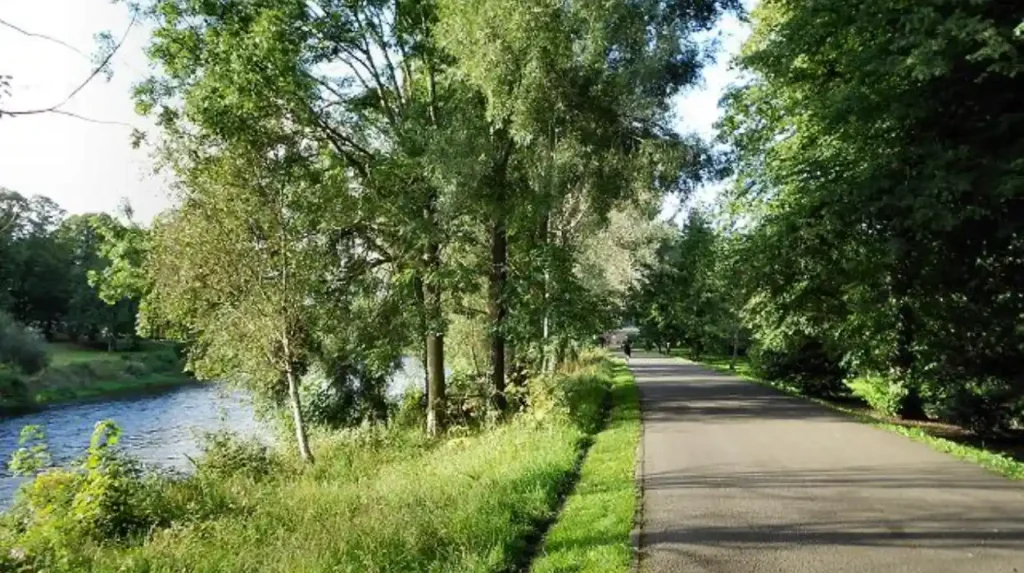
The River Taff provides a natural corridor through Cardiff, connecting green spaces and urban neighbourhoods. Riverside paths create opportunities for short walks, commuting on foot and longer recreational journeys.
The river corridor is particularly useful for people seeking a route away from some of the busiest roads. Sections near Bute Park combine mature trees, flowing water and views of the city’s built environment.
Walking conditions vary along the river. Some sections have paved paths and bridges, while others include narrower surfaces, exposed edges or uneven ground.
The river can rise during periods of heavy rainfall. Walkers should follow flood warnings, avoid flooded paths and never attempt to cross fast-flowing water.
How Can Walkers Explore Cardiff Bay and the Wales Coast Path?
Cardiff Bay offers accessible waterfront walking, while the Wales Coast Path provides longer coastal journeys through Cardiff and the wider Welsh coastline. Walkers can select short harbour-side outings or plan extended trips using mapped sections, public transport and clearly identified access points.
The Wales Coast Path is a national walking route extending approximately 870 miles (1,400 kilometres) around the coast of Wales. It connects coastal communities, beaches, estuaries, cliffs and waterfront settlements.
Cardiff’s coastal setting provides access to parts of this wider network. However, the national trail is not a single uninterrupted urban promenade. Some sections cross exposed terrain, tidal environments and areas where route conditions require advance planning.
Walking Around Cardiff Bay Barrage
Cardiff Bay Barrage separates the freshwater bay from the Severn Estuary and forms an important part of the area’s waterfront infrastructure. Its pedestrian routes provide views across the water and towards the surrounding coastal landscape.
The barrage is a useful destination for walkers who want a longer outing beyond the central waterfront. Visitors can combine it with nearby promenades and other public paths, depending on the access arrangements in place.
The exposed setting makes weather an important consideration. Strong winds and rain can make the walk less comfortable, while visibility affects views across the estuary.
Walkers must follow signs around operational infrastructure and respect any temporary closures. Access arrangements can change, so checking official Cardiff Council information before departure is advisable.
Exploring the Wider Cardiff Coast
Beyond the immediate city centre, Cardiff’s coastal environment includes estuarine landscapes and connections towards neighbouring communities. These areas offer a different experience from the paved waterfront paths around Mermaid Quay.
Longer coastal walks require more preparation because surfaces, distances and facilities vary. Walkers should check the official Wales Coast Path maps, identify suitable return transport and account for the weather and daylight.
Tidal conditions are important near the Severn Estuary. The estuary has one of the world’s largest tidal ranges, and water levels change significantly over the tidal cycle. Walkers should use established routes and avoid entering mudflats or isolated shoreline areas without reliable local guidance.
Which Walking Routes in Cardiff Are Suitable for Families?
Family-friendly walking routes in Cardiff include Bute Park, Roath Park and selected sections of Cardiff Bay. These locations offer identifiable landmarks, opportunities for breaks and relatively straightforward route planning, although surface conditions, traffic crossings and individual accessibility requirements still need consideration.
Families generally benefit from walks with clear starting points, nearby facilities and options to shorten the journey. Parks offer space for breaks, while waterfront routes provide destinations that children can recognise.
Bute Park is convenient for families staying near the city centre. Roath Park offers a lake and landscaped grounds, while Cardiff Bay combines open public spaces with nearby cafés and visitor attractions.
The suitability of a route depends on the age and mobility of the walkers. Pushchairs work best on firm, reasonably smooth paths, while some woodland or grassy sections become difficult after rain.
Parents and carers should plan regular breaks, carry drinking water and supervise children near rivers, lakes and waterfront edges. Walking beside water requires particular attention because barriers and path widths differ by location.
For younger children, a short circuit with a clear return point is usually easier to manage than a long one-way route. Families should also check public toilet availability before starting, as facilities vary across parks and waterfront areas.
Which Cardiff Walking Routes Are Suitable for Beginners?
Beginners can start with short walks through Bute Park, Cardiff’s central streets, Roath Park or the main Cardiff Bay waterfront. These locations provide recognisable landmarks and flexible distances, helping new walkers build confidence before attempting longer riverside or coastal routes.
A beginner-friendly walk does not need to cover a large distance. A short route with convenient access to transport, seating and refreshments offers a practical introduction to outdoor walking.
Bute Park allows walkers to turn back or shorten their outing at several points. Cardiff city-centre routes provide pavements, crossings and access to shops, although traffic and crowded streets require attention.
Roath Park provides a more relaxed setting away from many central commercial streets. The lake offers an obvious reference point, making basic route planning easier.
Beginners should choose comfortable footwear, check the forecast and carry water. A phone with an offline map provides additional reassurance if mobile coverage becomes unreliable.
People building up their walking distance should increase it gradually. Longer walks on the Taff Trail or coastal routes require greater attention to hydration, weather, surface conditions and return transport.
What Should Walkers Know About Accessibility on Cardiff Walking Routes?
Accessibility across Cardiff’s walking routes varies by surface, gradient, crossing design and available facilities. Central pavements and some park paths provide firm surfaces, while wooded tracks, muddy sections and exposed riverbanks present additional challenges for wheelchair users and people with limited mobility.
Cardiff includes urban walking environments with dropped kerbs, pedestrian crossings and paved public spaces. However, accessibility is not uniform across every route, and a path described as a walking trail is not automatically suitable for every mobility requirement.
Bute Park contains a mixture of surfaced paths and softer ground. Cardiff Bay has paved waterfront areas, but the length and accessibility of a complete circuit depend on the selected connections and any temporary restrictions.
Roath Park includes formal paths and landscaped areas, although conditions around individual sections of the lake and gardens vary. Walkers should check specific access information rather than assuming the entire park has identical surfaces.
People using wheelchairs, mobility scooters or pushchairs should look for information about gradients, gates, crossing points, toilets and rest areas. Cardiff Council and local attraction websites provide practical information for planning accessible visits.
Weather also affects accessibility. Heavy rain can create slippery surfaces and standing water, while fallen leaves and mud make some paths more difficult to navigate.
When Is the Best Time to Walk Across Cardiff?
Spring and summer provide longer daylight hours for exploring Cardiff’s parks, riverside paths and waterfront, while autumn offers seasonal foliage and winter suits shorter urban walks. The best time depends on daylight, rainfall, wind, route exposure and the purpose of the outing.
Cardiff has a maritime climate influenced by the Atlantic Ocean. Weather conditions change throughout the year, and rainfall occurs in every season.
Spring is suitable for observing new growth in Bute Park and other green spaces. Temperatures gradually rise, although rain and cool winds remain possible.
Summer provides longer days, making it easier to complete extended walks along the Taff Trail or around Cardiff Bay. Popular locations also become busier during holidays and major events.
Autumn brings changing leaf colours to parks and woodland paths. Wet leaves can become slippery, and daylight decreases as the season progresses.
Winter is more suitable for flexible routes with convenient access to transport and indoor facilities. Urban walks around Cardiff Castle and the historic arcades offer alternatives when exposed trails become uncomfortable.
Before setting out, walkers should check the local forecast, sunset time and any relevant weather warnings. Coastal and riverside routes need particular care during strong winds and heavy rainfall.
How Can Visitors Reach Cardiff’s Main Walking Routes?
Cardiff’s principal walking areas are accessible through the city’s rail, bus and road networks, with the best transport option depending on the starting point and route. Central attractions connect easily with Cardiff’s public transport system, while longer trails require planning for the return journey.
Cardiff Central is a major railway station serving the city and providing connections with other parts of Wales and the wider United Kingdom. Cardiff Queen Street provides another useful station for accessing central areas.
Bute Park and Cardiff Castle are within walking distance of central transport hubs, although the exact journey depends on the station exit and entrance selected. Cardiff Bay is also connected to the city’s public transport network.
Roath Park lies farther from the central tourist district, so visitors should check local bus services or arrange another suitable transport option. The best starting point depends on whether the planned walk follows the lake, nearby streets or connecting green spaces.
For linear routes, walkers should confirm transport availability at both ends before departure. This is especially important on longer sections of the Taff Trail, where the finish point can be far from the original starting station.
Cycling and walking routes sometimes share infrastructure. Visitors should check local signs and follow designated pedestrian routes where provided.
How Can Walkers Stay Safe on Cardiff’s Trails?
Walkers can improve safety on Cardiff’s trails by checking weather conditions, planning a realistic distance, carrying essential supplies and following local signs. Rivers, wetland edges, coastal mudflats and uneven park surfaces require particular attention because conditions change with weather and water levels.
A reliable walking plan begins with a clear route and an estimated completion time. Walkers should identify turning points, transport connections and places to stop before leaving.
Footwear should suit the terrain. Comfortable trainers are appropriate for many paved city walks, while walking shoes with good grip are more useful on muddy paths and longer countryside sections.
Water and suitable clothing are important even on familiar routes. Rain jackets help in wet conditions, while additional layers provide protection when temperatures fall or winds increase.
Walkers should remain on established paths and obey temporary closure notices. Flooded riverside paths, unstable ground and exposed coastal areas are reasons to change the route rather than continue.
On shared trails, pedestrians should remain aware of cyclists and other users. At night, reflective clothing and a torch improve visibility, although poorly lit or remote sections are best planned for daylight.
Visitors walking alone should tell someone their intended route and expected return time when undertaking longer or more isolated outings.
Explore More Area Guide
Cycling Around Cardiff: Routes, Rules and Safety Guide
Park and Ride vs Driving Into Cardiff: Costs and Benefits
How Can Visitors Plan a Full Day of Walking Across Cardiff?
A full day of walking in Cardiff can combine the historic city centre, Bute Park, the River Taff and Cardiff Bay. Planning the route around transport links, available daylight and breaks creates a varied itinerary without requiring visitors to complete a long-distance trail.
A practical itinerary begins near Cardiff Castle, where visitors can explore the surrounding streets and historic arcades. This section introduces the city’s architectural heritage and provides access to cafés and other facilities.
The walk can continue into Bute Park for riverside scenery and green space. Visitors can choose a short park circuit or follow paths towards a suitable turning point along the River Taff.
After the park, walkers can return towards the city centre for a break before travelling or walking towards Cardiff Bay. The waterfront provides a different setting, with views of the harbour, the Wales Millennium Centre and the Senedd.
Visitors who prefer a quieter day can replace the waterfront section with Roath Park. Those interested in longer distances can extend the riverside section after checking route conditions and return transport.
The itinerary should remain flexible. Time spent at historic attractions, the pace of the group, weather and temporary path closures all affect the final distance.
Why Are Cardiff’s Walking Routes Important for the City’s Future?
Cardiff’s walking routes support everyday mobility, recreation, tourism and access to green space. Connections between parks, residential neighbourhoods, the city centre and the waterfront help people travel on foot while experiencing the city’s historic and natural environments.
Walking infrastructure forms part of a broader urban transport network. Continuous pavements, safe crossings and well-maintained paths make short journeys easier and improve access to public spaces.
Green corridors such as the River Taff provide recreational routes while contributing to the city’s natural environment. Parks and wetlands also support habitats, offering opportunities for environmental education and wildlife observation.
Tourism benefits from routes that connect major attractions without requiring visitors to travel between every destination by car. A walk between Cardiff Castle, Bute Park and central streets combines several attractions within a compact area.
Maintaining these benefits requires investment in path surfaces, drainage, signs, accessible entrances and safe crossings. Flooding, extreme weather, heavy visitor use and construction work can affect route conditions.
Future walking experiences depend on keeping routes connected, accessible and clearly signposted. Official route maps and council updates help walkers make informed decisions and adapt their plans when conditions change.
Walking routes across Cardiff provide access to historic landmarks, riverside landscapes, public parks, wetlands and waterfront attractions. Bute Park and Cardiff Castle suit short city-centre outings, the Taff Trail offers longer riverside journeys, and Cardiff Bay combines cultural attractions with waterside scenery.
Roath Park provides a landscaped setting for relaxed walks, while the Wales Coast Path connects Cardiff with the wider coastal walking network. Each route offers different opportunities based on distance, terrain, accessibility and available time.
Successful walking trips begin with practical preparation. Checking the weather, choosing suitable footwear, confirming access arrangements and planning return transport help visitors explore Cardiff safely and comfortably throughout the year.
What are the best walking routes across Cardiff?
The best walking routes across Cardiff include Bute Park, the Taff Trail, Cardiff Bay, Roath Park and the Wales Coast Path. These routes offer riverside scenery, historic landmarks, landscaped gardens and coastal views.