Cardiff offers walking routes through historic parkland, riverside corridors, wetlands, urban green spaces and coastal landscapes. The Welsh capital combines accessible city-centre paths with longer trails that connect residential neighbourhoods to the countryside. Walkers can explore Bute Park, follow the River Taff, circle Cardiff Bay or venture towards the coast at Penarth and the wider Vale of Glamorgan.
- What are the best walks in Cardiff for different types of walkers?
- 1. Bute Park: historic parkland in the city centre
- 2. The Taff Trail: a longer riverside walk
- 3. Cardiff Bay Trail: waterfront scenery and industrial heritage
- 4. Roath Park: lakeside paths and landscaped gardens
- 5. Penarth and the Wales Coast Path: sea views near Cardiff
- 6. Pontcanna Fields: open green space beside the city
- Which Cardiff walks are best for families and children?
- Which Cardiff walks are best for nature and wildlife?
- Where can walkers observe birds and wetland wildlife?
- What should walkers know about seasonal conditions?
- Which Cardiff walking routes offer the best historical landmarks?
- Which Cardiff walks are suitable for longer distances and fitness?
- How far can walkers travel on the Cardiff Bay Trail?
- How can walkers extend a route along the River Taff?
- How accessible are Cardiff’s walking routes?
- Which routes are worth checking for step-free access?
- What facilities should walkers check before setting out?
- When is the best time to go walking in Cardiff?
- What are Cardiff’s walking conditions like in spring and summer?
- Is Cardiff suitable for walking in autumn and winter?
- How can visitors reach Cardiff’s main walking routes?
- Which transport options serve popular walks?
- Should walkers choose a circular route or an out-and-back walk?
- How should walkers prepare for a safe walk in Cardiff?
- Which Cardiff walk should you choose first?
The best route depends on distance, terrain, accessibility, transport connections and the type of landscape a walker wants to experience. Short urban walks suit everyday exercise and sightseeing, while longer trails provide opportunities for birdwatching, cycling-free pedestrian exploration and connections to the surrounding countryside.
What are the best walks in Cardiff for different types of walkers?
The best walks in Cardiff include Bute Park for historic greenery, the Taff Trail for riverside routes, Cardiff Bay Trail for waterfront scenery, Roath Park for landscaped gardens, and Penarth for coastal views. These routes offer different distances, landscapes, facilities and transport connections.
Cardiff’s walking network combines public parks, riverside paths, former docklands and routes connecting the city with neighbouring communities. The following destinations provide a starting point for choosing a suitable walk.
1. Bute Park: historic parkland in the city centre
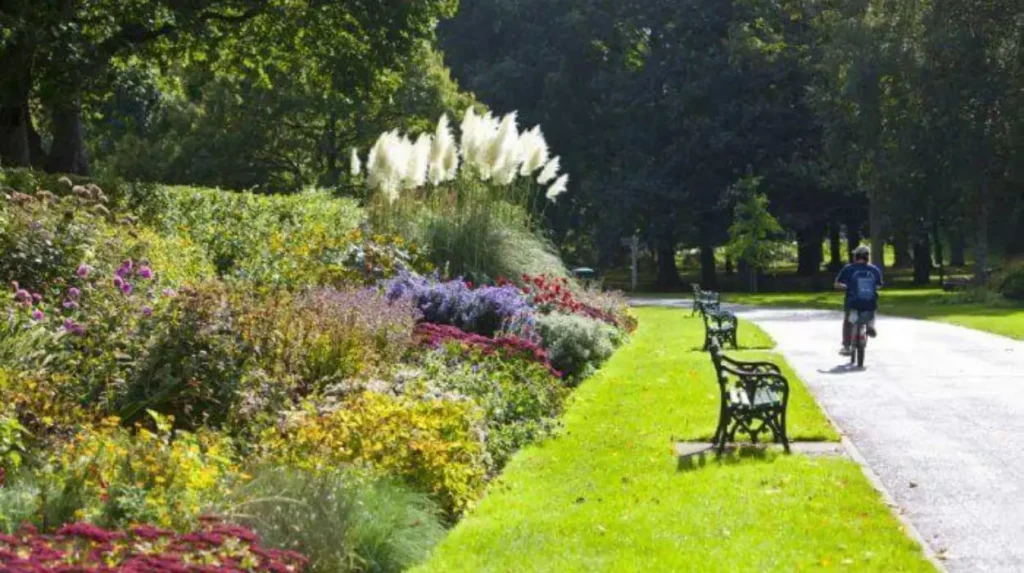
Bute Park is one of Cardiff’s principal urban green spaces. It covers approximately 56 hectares beside Cardiff Castle and the River Taff. The park contains mature trees, an arboretum, landscaped gardens, open grassland and riverside paths.
Its central location makes it suitable for residents, visitors and people combining walking with sightseeing. Paths connect the park with Cardiff Castle, the civic centre and nearby city streets.
The park’s historic landscape provides opportunities to explore horticulture, woodland habitats and the development of Cardiff’s public green spaces. Walkers can choose a short visit around the central gardens or extend their route along the river.
Bute Park also provides cafés and educational trails. Check current opening arrangements before travelling, particularly during seasonal events or maintenance work.
2. The Taff Trail: a longer riverside walk
The Taff Trail is a long-distance walking and cycling route following the River Taff corridor between Cardiff and the wider South Wales landscape. Its city sections provide access to riverside scenery, bridges, parks and connections with other paths.
Walkers can start near Bute Park and follow accessible sections beside the river, choosing a turnaround point that matches their available time. Longer journeys connect with the countryside north of Cardiff, making the trail useful for people seeking an extended walk rather than a short urban circuit.
Some sections are shared with cyclists. Walkers should keep to the appropriate side where marked, remain aware of approaching bicycles and follow local diversion signs.
3. Cardiff Bay Trail: waterfront scenery and industrial heritage
The Cardiff Bay Trail is an established circular route measuring approximately 10.2 kilometres (6.3 miles). It starts near the Wales Millennium Centre and passes waterfront landmarks, dockside developments, riverside paths and the Cardiff Bay Barrage.
The route combines modern waterfront architecture with the history of Cardiff’s docks. The area once served as a major coal-exporting harbour, connecting South Wales industries with international markets. The redevelopment of the waterfront transformed former docklands into a district of cultural buildings, public spaces and leisure facilities.
Notable landmarks include Roald Dahl Plass, the Senedd, the Pierhead Building and the Norwegian Church. Sections of the route also pass wetland habitats and open-water viewpoints.
The full circuit suits walkers planning a substantial outing. People wanting a shorter experience can walk from the Senedd towards the barrage and return along the same path.
Check the current route information before departure because sections of the wider trail can be affected by closures or diversions.
4. Roath Park: lakeside paths and landscaped gardens
Roath Park is a major public park in north Cardiff, known for its lake, ornamental gardens, tree-lined paths and boating facilities. The lake provides a focal point for walking, wildlife observation and relaxed outdoor recreation.
A walk around the lake offers changing views of the water, surrounding vegetation and the park’s historic features. The landscaped gardens provide an additional area to explore, while the park’s paths connect different sections of the grounds.
Roath Park is useful for people seeking a contained walk without leaving the city. Families can combine walking with time in the open spaces, while birdwatchers can observe waterbirds from suitable public viewpoints.
Waterfront paths can become busy during weekends and holidays. Keep dogs under control around wildlife and follow notices identifying restricted areas or seasonal conditions.
5. Penarth and the Wales Coast Path: sea views near Cardiff
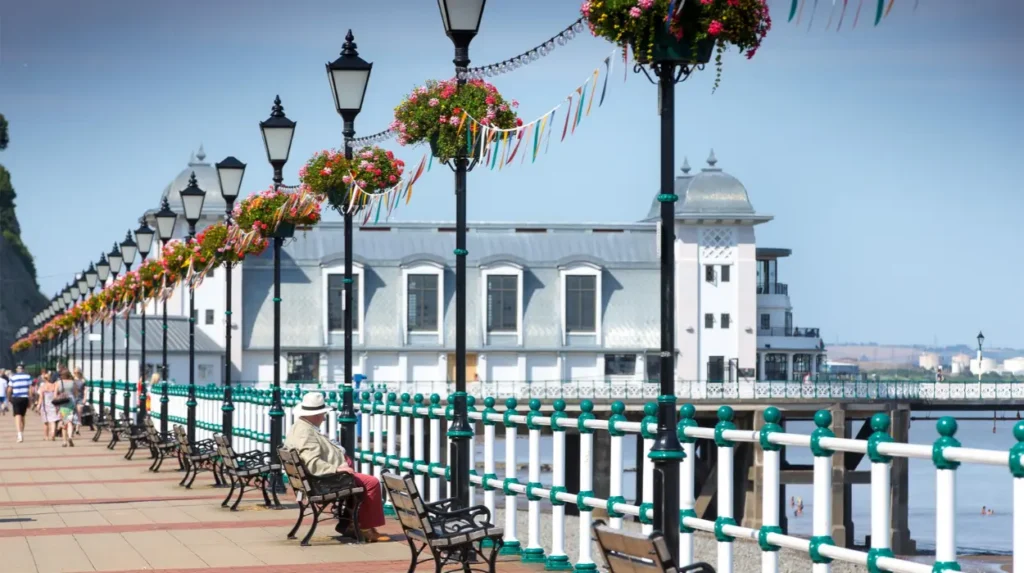
Penarth provides a coastal walking experience close to Cardiff. The Wales Coast Path connects the town’s seafront with viewpoints, the historic pier, Penarth Head and the Cardiff Bay Barrage.
An official circular route beginning at Penarth railway station covers approximately 8.3 kilometres (5.1 miles). It combines an old railway path, residential footpaths, coastal sections and streets around the town.
The route includes views across the Bristol Channel and towards the islands of Flat Holm and Steep Holm. Penarth’s Victorian seaside heritage is visible around the promenade and pier, which opened in 1895.
Some sections involve hills, steps and changes in surface. Walkers should check the route description before setting out, especially when travelling with young children or anyone who needs step-free access.
6. Pontcanna Fields: open green space beside the city
Pontcanna Fields provides a broad area of open grassland near the River Taff and Bute Park. Its paths and open spaces support everyday walking, jogging and longer routes connecting the west side of central Cardiff with riverside green space.
The area is suited to people who prefer open landscapes to formal gardens. Walkers can combine Pontcanna Fields with Bute Park and nearby riverside paths to create a longer outing without relying on a car.
The open character of the fields also makes them useful for dog walking and recreational exercise. Conditions vary with the weather, and some grassed sections become muddy after rain.
Use marked paths where available and keep dogs under control around other park users. Check local notices for organised events that affect access to particular areas.
Which Cardiff walks are best for families and children?
Family-friendly walks in Cardiff include Bute Park, Roath Park and the short Cardiff Bay waterfront route. These destinations provide recognisable landmarks, public spaces and opportunities to shorten an outing. Check path surfaces, toilets, refreshments and step-free access before travelling.
Family walking works best when the route matches children’s ages, walking ability and interests. Parks offer places to pause, while waterfront routes introduce boats, bridges and architectural landmarks.
Which short walks are suitable for younger children?
Bute Park offers a flexible choice because families can turn back at any point rather than completing a long circuit. Its gardens, trees and river views provide natural stopping points.
Roath Park is another practical destination for a shorter outing. Families can explore part of the lakeside path without committing to a full walk around the park.
At Cardiff Bay, the section between the Senedd and the barrage covers approximately 2 kilometres (1 mile) according to the Wales Coast Path’s family walking guide. The route includes waterfront views and public attractions.
How can families plan a comfortable walk?
Choose a route with clear stopping points and straightforward transport connections. Bring water, suitable footwear and weather-appropriate clothing. Check the location of public toilets and refreshments before leaving home.
For pushchairs, prioritise surfaced routes and verify whether ramps, steps or temporary barriers affect the intended path. Not every section of a longer coastal or riverside trail provides continuous step-free access.
Which Cardiff walks are best for nature and wildlife?
Bute Park, Roath Park, Cardiff Bay wetlands and the River Taff corridor offer opportunities to observe urban wildlife in Cardiff. Trees, freshwater habitats, grassland and wetland vegetation support different species, although sightings depend on season, weather and local conditions.
Cardiff’s green spaces form part of the wider urban environment, providing habitats within residential and commercial areas. Rivers, ponds, mature trees and reed beds support wildlife while giving walkers opportunities to learn about local ecology.
Where can walkers observe birds and wetland wildlife?
Cardiff Bay includes wetland habitats beside the waterfront trail. Reeds, open water and surrounding vegetation provide places to observe waterbirds and other wildlife.
Roath Park’s lake attracts attention from people interested in waterbirds, while Bute Park’s mature trees and riverside habitat support a different range of urban species.
The best approach is to observe wildlife from public paths and designated viewpoints. Avoid disturbing nesting birds, feeding wildlife inappropriately or entering restricted habitat areas.
What should walkers know about seasonal conditions?
Spring brings fresh vegetation and increased bird activity. Summer provides longer daylight hours, while autumn changes the appearance of parkland and tree-lined paths. Winter walks offer quieter landscapes but often involve shorter daylight hours and wetter surfaces.
Wildlife observation does not guarantee particular sightings. Visitors should treat the natural environment as a habitat rather than a collection of attractions and leave plants, nests and animals undisturbed.
Which Cardiff walking routes offer the best historical landmarks?
Cardiff’s historic walking routes connect Cardiff Castle, Bute Park, Cardiff Bay and Penarth’s Victorian seafront. These routes show how the city developed from a historic settlement and industrial port into a modern Welsh capital with cultural landmarks and public waterfront spaces.
Walking provides a practical way to understand Cardiff’s historical geography. The city centre contains civic and architectural landmarks, while Cardiff Bay reflects the importance of maritime trade and industrial development.
How does Bute Park connect with Cardiff’s history?
Bute Park sits beside Cardiff Castle, linking an extensive historic landscape with the modern city centre. The park is recognised as a Grade I historic landscape and contains features associated with its designed landscape and horticultural development.
Walkers can combine the park with a visit to the castle and the surrounding civic centre. This creates a route that brings together historic architecture, landscaped grounds and the River Taff.
The park also demonstrates the role of urban green space in a growing city. Its trees, open lawns and public paths provide recreational space within walking distance of commercial streets and cultural attractions.
What can walkers discover around Cardiff Bay?
Cardiff Bay’s historic identity is closely connected to the docks that supported the export of coal from South Wales. The waterfront now contains cultural buildings, public squares, promenades and restored dockside spaces.
The Senedd houses the Welsh Parliament, while the nearby Pierhead Building is a prominent historic landmark dating from 1897. The Norwegian Church adds another connection to the area’s maritime past.
Walking between these landmarks provides context for understanding the transition from working docks to a mixed cultural and residential waterfront. The Cardiff Bay Trail brings many of these locations together in one route.
Which Cardiff walks are suitable for longer distances and fitness?
Longer walks in Cardiff include extended sections of the Taff Trail, the complete Cardiff Bay Trail and circular routes linking Penarth with the coast. These options provide sustained exercise, varied scenery and opportunities to build distance gradually according to fitness.
The right distance depends on walking pace, terrain, weather and the time available. A short park walk supports daily activity, while a longer route provides a more substantial outdoor outing.
How far can walkers travel on the Cardiff Bay Trail?
The official Cardiff Bay Trail measures around 10.2 kilometres (6.3 miles). Its circular layout links waterfront landmarks, sections of the River Taff corridor, wetland areas and the barrage.
At a steady pace of 4–5 kilometres per hour, the walking time for 10.2 kilometres is approximately two to two-and-a-half hours without extended stops. Sightseeing, refreshments, photographs and route diversions increase the total time.
The route includes urban road crossings and different path surfaces. Follow the official signage and check for temporary closures before starting.
How can walkers extend a route along the River Taff?
The Taff Trail provides a way to extend a city-centre walk beyond the central parks. Starting near Bute Park, walkers can follow suitable riverside sections and turn back when they reach their planned distance.
Longer walks require more preparation than short park visits. Check the return journey, daylight hours, weather forecast and availability of public transport at the intended endpoint.
Walkers should also remember that sections of the Taff Trail are shared with cyclists. Stay alert at junctions and use designated pedestrian routes where provided.
How accessible are Cardiff’s walking routes?
Accessibility varies across Cardiff’s parks, riverside paths and coastal trails. Surfaced sections of Cardiff Bay and major parks provide options for many visitors, but steps, gradients, uneven ground and temporary closures affect individual routes. Check current access information before departure.
A route’s total distance does not determine its accessibility. Surface quality, gradients, crossing points, resting places and access to facilities also influence whether a walk suits a particular visitor.
Which routes are worth checking for step-free access?
The short Cardiff Bay route towards the barrage is identified by the Wales Coast Path as suitable for pushchairs and buggies. Its main section measures approximately 2 kilometres (1 mile).
Bute Park and Roath Park also contain established paths, but accessibility differs between individual sections. Visitors should check the specific entrance, route surface and any steps or barriers rather than assuming the entire park is step-free.
Penarth’s coastal routes require more careful planning because some sections include steep gradients and stairs. A promenade-only walk can provide a simpler alternative to a route that climbs towards Penarth Head.
What facilities should walkers check before setting out?
Check the following details when planning a route:
- Toilets and refreshments: Confirm which facilities are open on the day.
- Seating and rest stops: Identify suitable places to pause during longer walks.
- Transport connections: Check the nearest railway station or bus stop at both the start and finish.
- Path conditions: Look for maintenance notices, temporary closures and diversions.
- Weather exposure: Account for wind, rain and limited shelter along open waterfront routes.
These checks help visitors choose a walk that matches their needs instead of relying on distance alone.
When is the best time to go walking in Cardiff?
Cardiff’s walking routes are available throughout the year, but spring and summer generally provide longer daylight hours, while autumn offers changing foliage and winter requires more attention to wet surfaces. Check the weather forecast, daylight times and route notices before every walk.
Each season changes the conditions experienced in Cardiff’s parks and coastal areas. The most suitable time depends on the route, the purpose of the walk and the weather on the day.
What are Cardiff’s walking conditions like in spring and summer?
Spring brings new growth to parkland and woodland, making Bute Park and Roath Park useful destinations for observing seasonal changes. Longer days also provide more flexibility for combining walking with sightseeing.
Summer offers extended daylight for longer outings along the Taff Trail and Cardiff Bay waterfront. Popular parks and promenades can become busier during weekends, school holidays and favourable weather.
Walkers should carry drinking water, use sun protection and avoid assuming that every section of a long route provides shade. Coastal areas can remain windy even during warm weather.
Is Cardiff suitable for walking in autumn and winter?
Autumn provides opportunities to see changing leaf colours in mature parkland and wooded sections of walking trails. Bute Park is particularly relevant because its extensive tree cover and landscaped grounds create varied seasonal scenery.
Winter walking remains possible on many established urban paths. However, rain increases the likelihood of muddy ground, slippery paving and standing water. Coastal routes also expose walkers to wind and changing weather.
Wear footwear with suitable grip, use visible clothing in poor light and plan to finish longer walks before darkness. Check official notices where maintenance or flooding affects access.
How can visitors reach Cardiff’s main walking routes?
Cardiff’s main walking destinations are connected to the city’s public transport network, although the most convenient station or bus stop varies by route. Cardiff Bay, the city centre and Penarth have useful rail connections, while local buses serve many neighbourhoods.
Public transport makes it possible to explore Cardiff without driving to every walking destination. The best starting point depends on whether the route is circular, follows a river or finishes in another neighbourhood.
Which transport options serve popular walks?
Bute Park is within walking distance of central Cardiff and Cardiff Castle. Visitors arriving by train can walk from the city centre towards the park entrances.
Cardiff Bay has its own railway station, with services connecting it to Cardiff Queen Street. The official Cardiff Bay Trail guide also identifies bus services and nearby parking options.
Penarth railway station provides a starting point for the official Penarth circular walk. Rail connections make it possible to combine the town’s historic streets and coastal paths with a trip from Cardiff.
For longer walks, check whether the return journey requires the same route or a separate bus or train connection. Confirm current timetables through the relevant transport operator before departure.
Should walkers choose a circular route or an out-and-back walk?
A circular route starts and finishes in approximately the same area. The Cardiff Bay Trail is an example, allowing walkers to experience several parts of the waterfront before returning to the starting point.
An out-and-back walk follows the same path in both directions. This approach works well for shorter visits to Bute Park, Roath Park and the riverside sections of the Taff Trail.
Linear walks require more transport planning because the endpoint differs from the starting point. The Penarth coastal paths offer opportunities to connect walking with public transport, depending on the section selected.
Explore More Area Guide
Best Parks in Cardiff: Complete Guide to Green Spaces
Cardiff Advice Hubs: Services, Housing and Benefits Support
How should walkers prepare for a safe walk in Cardiff?
Safe walking in Cardiff requires appropriate footwear, weather checks, route planning and awareness of other path users. Follow official signs, keep dogs under control, supervise children near water and leave natural habitats undisturbed throughout the journey.
Preparation becomes increasingly important as route length and exposure increase. A short park visit requires less equipment than a longer coastal or countryside walk.
Before departure, check the route distance, estimated duration and availability of facilities. Carry a charged mobile phone, drinking water and suitable clothing. For longer outings, take food and a basic first-aid kit.
On shared paths, remain aware of cyclists and other pedestrians. At road crossings, use designated crossing points and follow traffic signals. Near rivers, lakes and the barrage, stay within public walking areas and respect safety barriers.
The Countryside Code also encourages visitors to respect other people, protect the natural environment and take litter home. These principles apply to Cardiff’s parks, wetlands and coastal paths.
Which Cardiff walk should you choose first?
Choose Bute Park for a central green-space walk, Roath Park for lakeside scenery, the Taff Trail for riverside exercise, Cardiff Bay for waterfront landmarks, or Penarth for coastal views. Match the route to your available time, mobility, interests and transport arrangements.
Cardiff offers walking experiences ranging from short urban outings to longer routes connecting the city with the coast. Its parks provide accessible opportunities for everyday exercise, while riverside trails and waterfront circuits offer more extensive journeys.
For a first visit, Bute Park provides a convenient introduction to Cardiff’s historic green spaces. Cardiff Bay is a strong choice for combining walking with architecture and maritime history. Walkers seeking a longer outing can explore the Cardiff Bay Trail or plan a coastal route around Penarth.
The most useful walking plan is one that accounts for distance, conditions and the needs of everyone taking part. Check official route information before departure and adjust the journey to suit the day.
What are the best walks in Cardiff?
The best walks in Cardiff include Bute Park, the Taff Trail, Cardiff Bay Trail, Roath Park and Penarth’s coastal paths. Each route offers different scenery, from historic gardens and riverside paths to waterfront landmarks and sea views.